
ETFE Installation – Safe and Efficient On-Site Assembly
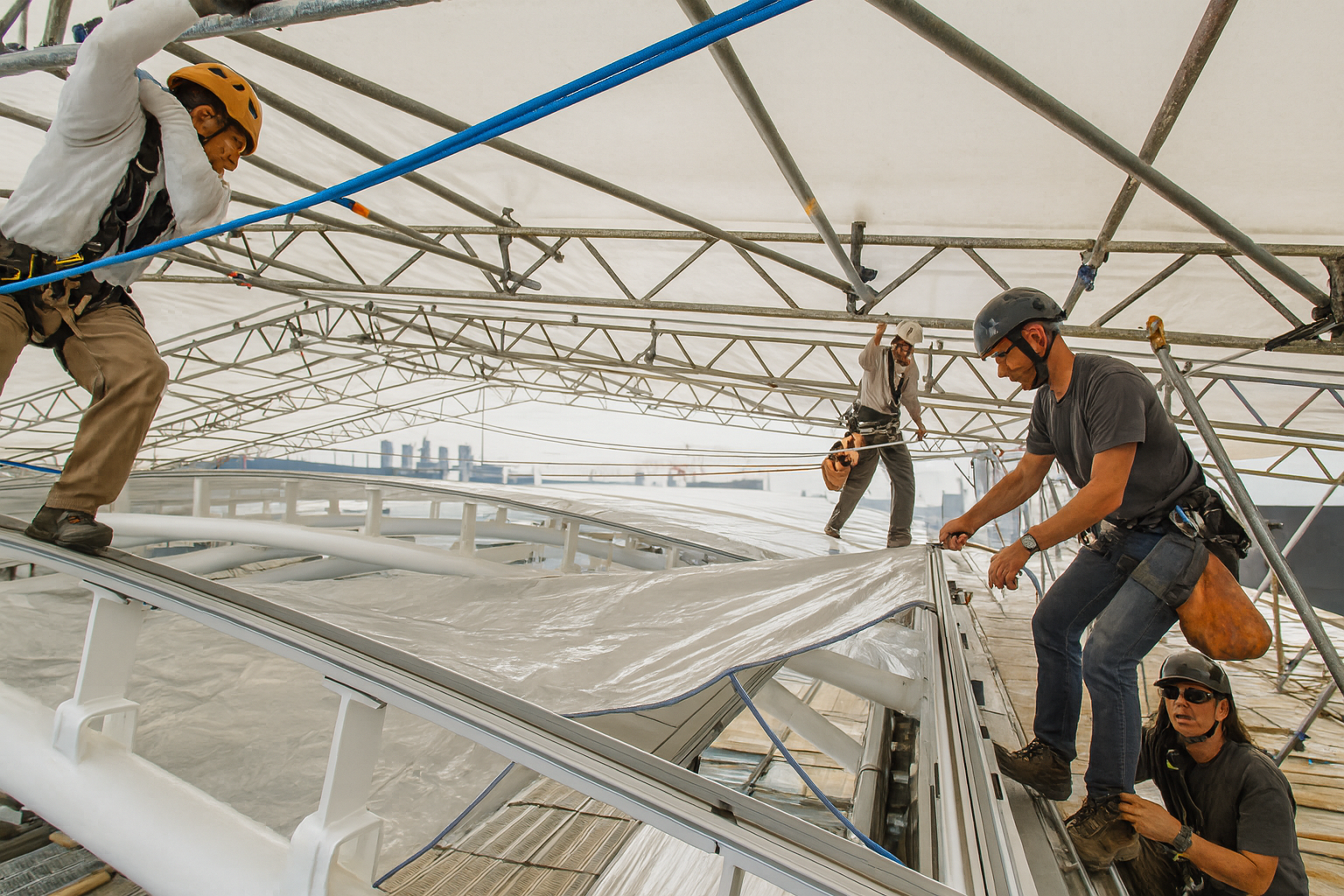
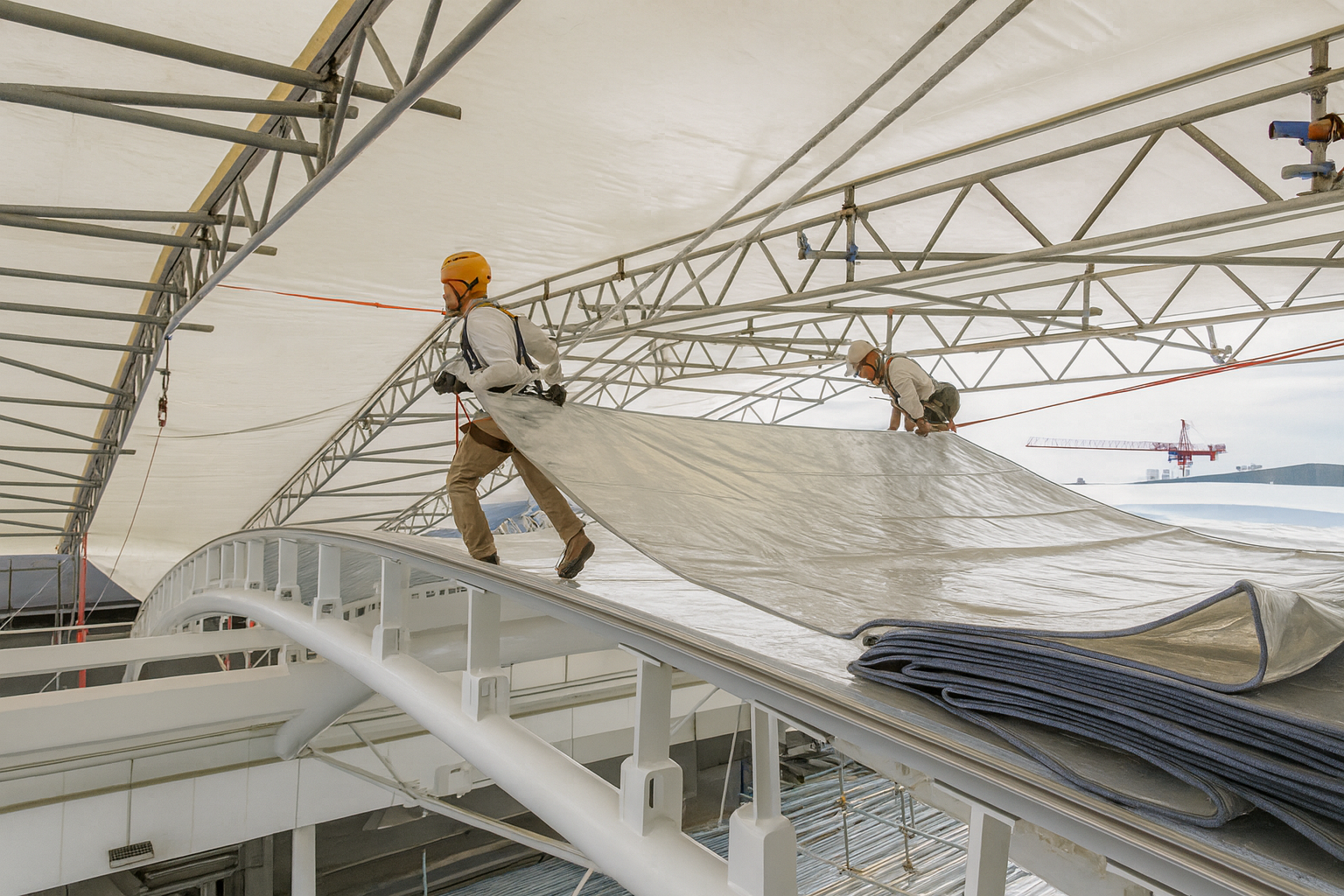
ETFE installation is the process of assembling ETFE foil systems, cushions, and supporting structures on-site. It transforms engineered components into finished roofs, façades, skylights, and canopies. At Lightspan, ETFE installation is planned alongside design, engineering, and fabrication, allowing every element to fit together safely and accurately from the first day on-site.
A successful installation depends on careful planning, experienced installers, and close coordination with contractors, structural engineers, and project managers. This approach reduces delays, improves safety, and helps projects stay on schedule.
What Is ETFE Installation and Why Is It Important?
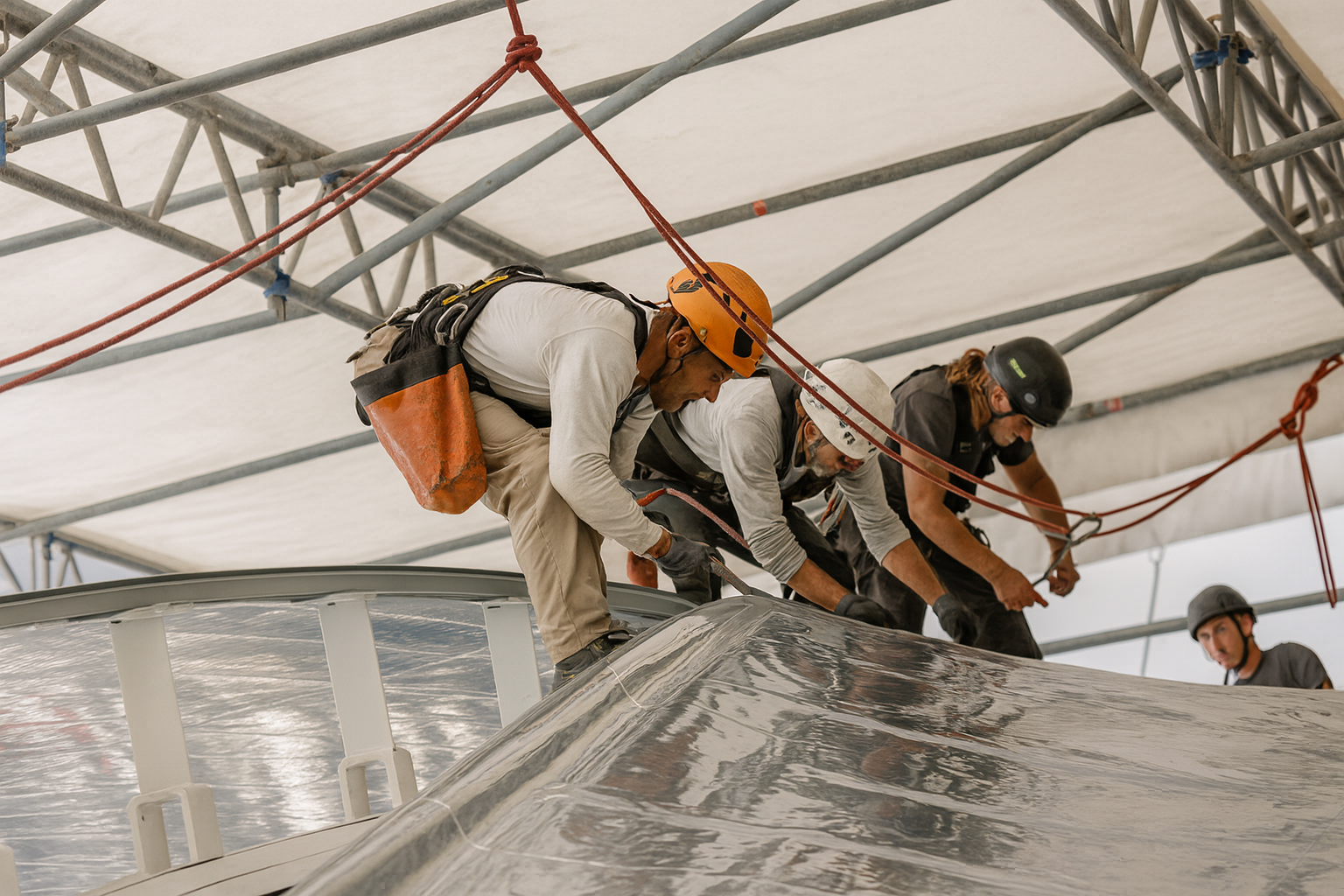
ETFE installation includes the delivery, assembly, inflation, testing, and final inspection of ETFE cushion systems or single-layer foil structures. Every stage is completed according to project specifications, local regulations, and structural requirements.
Correct installation is essential because ETFE membranes depend on accurate tensioning, air pressure, and secure fixing systems. Small installation errors can affect long-term performance, weather resistance, and appearance.
ETFE Cushion Installation
ETFE cushions are installed into pre-engineered aluminium frames before inflation systems are commissioned. Each cushion is inspected to confirm proper alignment, sealing, and air pressure.
ETFE Roof and Façade Systems
Whether installing an ETFE roof, façade, atrium, or canopy, every project follows a structured sequence that minimizes disruption and supports efficient construction.
Installation at Lightspan
How Does ETFE Installation Work on Site?
Every project begins with detailed planning before materials arrive on-site.
Site Preparation and Logistics
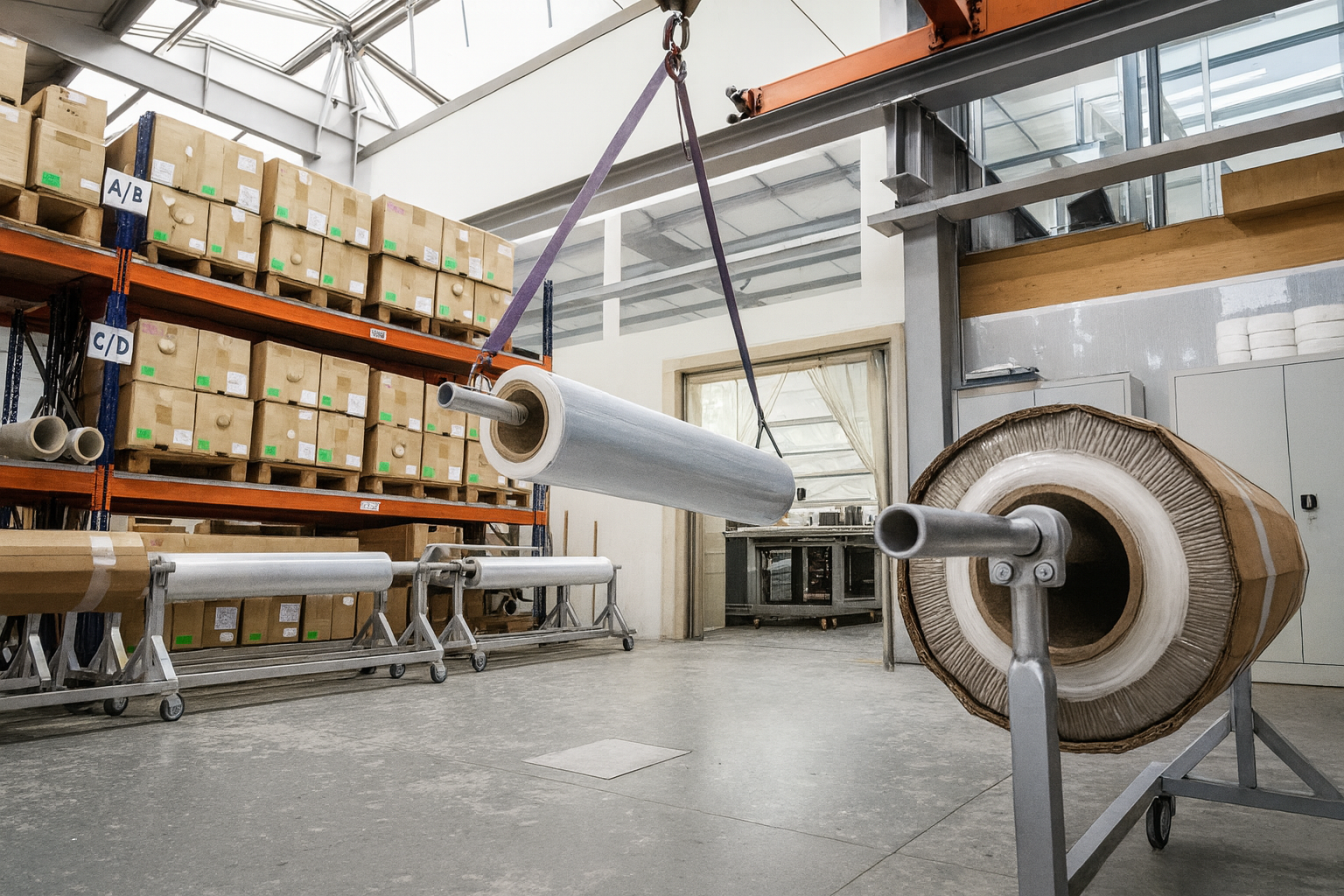
Installation teams coordinate deliveries, lifting equipment, access routes, and crane operations to ensure materials arrive in the correct sequence.
Structural Assembly and ETFE Installation
After the supporting steel or aluminium framework has been verified, ETFE cushions or foil panels are installed, secured, and tested before commissioning.
Why Choose an Experienced ETFE Installation Team?
Large ETFE structures require coordination between multiple trades. Experienced installers understand structural tolerances, weather conditions, and project sequencing.
Global Installation Experience
Lightspan installation teams work on projects worldwide, adapting to local building regulations, climate conditions, and site requirements without compromising installation quality.
Safety Throughout Every ETFE Installation
Safety planning begins before work starts. Risk assessments, lifting procedures, access planning, and continuous site supervision help reduce hazards during installation.
How is ETFE installation kept safe?
Each installation follows documented safety procedures, inspection protocols, and quality checks throughout the construction process.
How Does Lightspan Deliver Reliable ETFE Installation?
Lightspan manages installation from concept through final handover. Designers, engineers, fabricators, and site teams work together so every component is installed as intended.
This integrated workflow helps avoid unnecessary delays while ensuring ETFE cushions, aluminium framing, air supply systems, and supporting structures perform correctly after completion.
Where appropriate, clients can also explore our Design Services, Engineering, Fabrication, and Project Management pages to understand how each project phase supports successful installation.
For technical guidance on ETFE structures and membrane engineering, useful references include the ETFE Technical Centre, the International Association for Shell and Spatial Structures (IASS), and The Institution of Structural Engineers.