
ETFE Cladding at the Lightspan Eager Park Pavilion
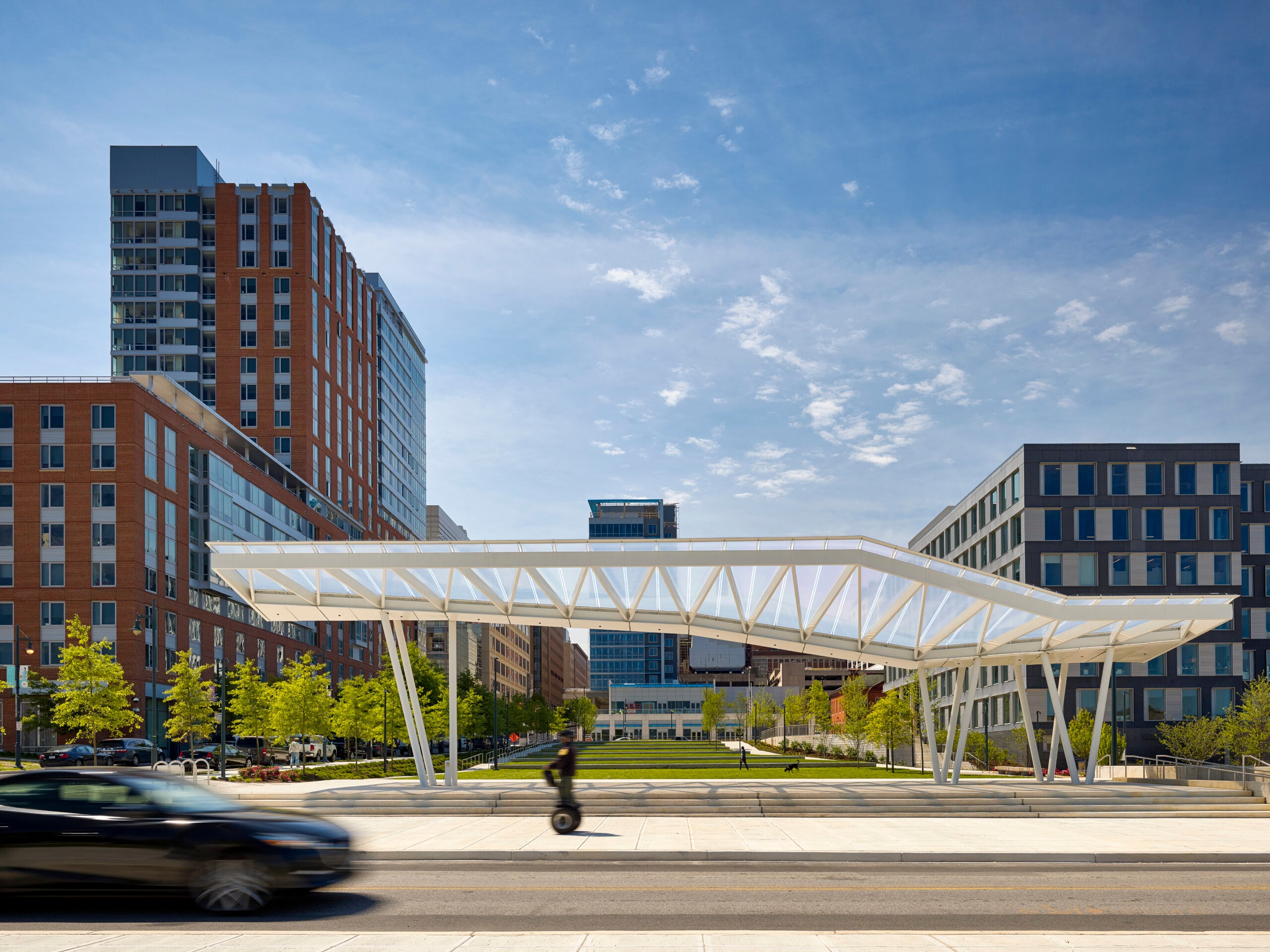
The ETFE cladding used at the Lightspan Eager Park Pavilion in Baltimore demonstrates how lightweight building envelopes can transform public architecture. What is ETFE cladding? ETFE cladding is a façade system made from ethylene tetrafluoroethylene, a transparent fluoropolymer that replaces conventional glass in many architectural projects. It offers high light transmission, low structural weight, and long service life while creating bright, inviting spaces.
The Lightspan Eager Park Pavilion combines architectural design with practical performance, creating a welcoming venue for community events, performances, and everyday public use. The project shows how ETFE façade systems can contribute to memorable urban spaces without increasing structural complexity.
What is ETFE Cladding and Why Is It Used?
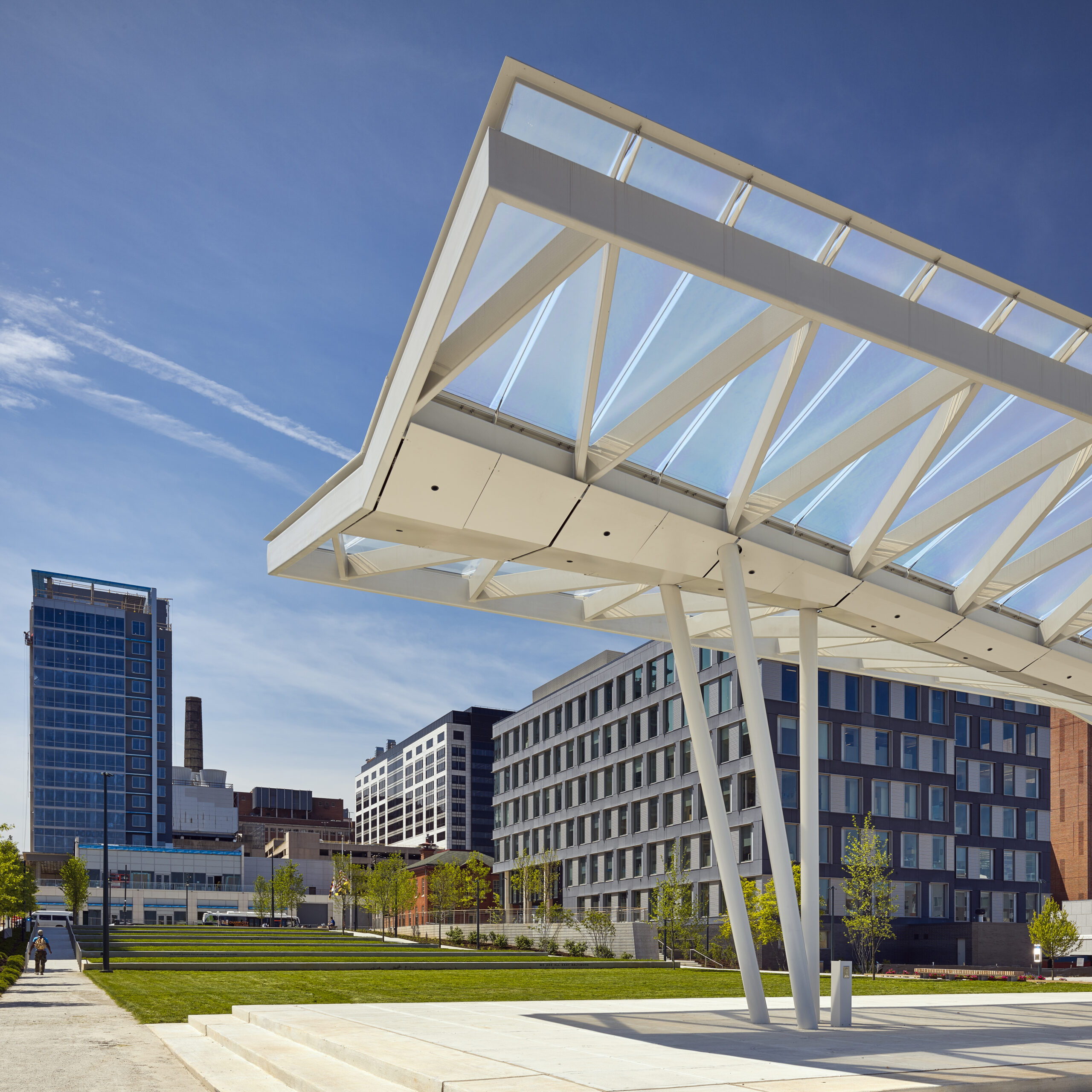
ETFE cladding consists of single-layer membranes or multi-layer air-filled cushions supported by lightweight aluminium framing. Compared with traditional glazing, ETFE significantly reduces roof and façade weight while maintaining excellent daylight transmission.
ETFE Cushion Systems for Lightweight Roofs
The pavilion uses ETFE cushion technology that allows large spans with fewer supporting elements. This creates open interiors filled with natural daylight while giving architects greater design freedom.
Transparent Building Envelopes
Transparent ETFE façades help connect indoor and outdoor spaces. Visitors experience bright interiors during the day, while the illuminated pavilion becomes a visual landmark after sunset.
How does ETFE cladding improve daylight?
ETFE cladding allows large amounts of natural light to enter the building, reducing dependence on artificial lighting during daytime hours.
Why Does ETFE Cladding Improve Building Performance?
Besides its visual appearance, ETFE cladding contributes to energy efficiency and occupant comfort.
Solar Control and Thermal Performance
Multiple ETFE layers can regulate solar heat gain through printed frit patterns and controlled air pressure. This helps create comfortable indoor conditions while lowering cooling demands.
Lightweight Façade Materials
Because ETFE weighs only a fraction of conventional glass, supporting structures can often be smaller, reducing overall construction loads.
Is ETFE cladding suitable for public buildings?
Yes. ETFE cladding is widely used for stadiums, transport hubs, botanical gardens, exhibition centres, and public pavilions where daylight, large spans, and reduced structural weight are important.
How Does the Eager Park Pavilion Showcase ETFE Cladding?
The Lightspan Eager Park Pavilion illustrates how ETFE technology can strengthen both architectural identity and user experience. The translucent façade creates an inviting atmosphere while supporting year-round community activities.
Urban Pavilion Design
The pavilion serves as a flexible venue for concerts, markets, educational programmes, and neighbourhood events. Its ETFE envelope allows the structure to feel open without sacrificing weather protection.
Fluoropolymer Façade Technology
ETFE is resistant to UV radiation, weathering, and corrosion, making it suitable for demanding outdoor environments with relatively low maintenance requirements.
Why Choose ETFE Cladding for Contemporary Architecture?
Architects increasingly specify ETFE cladding where transparency, reduced structural weight, and flexible geometry are priorities. Projects like the Lightspan Eager Park Pavilion demonstrate how ETFE can combine technical performance with distinctive architectural expression.
To learn more about similar projects, explore our Projects, ETFE Systems, and Engineering Services pages.
For technical information about ETFE materials and structural membrane design, see the resources provided by the ETFE Technology Association, ArchDaily, and the American Institute of Architects (AIA).