
ETFE Canopy: The Lightspan Newark Arrivals Canopy
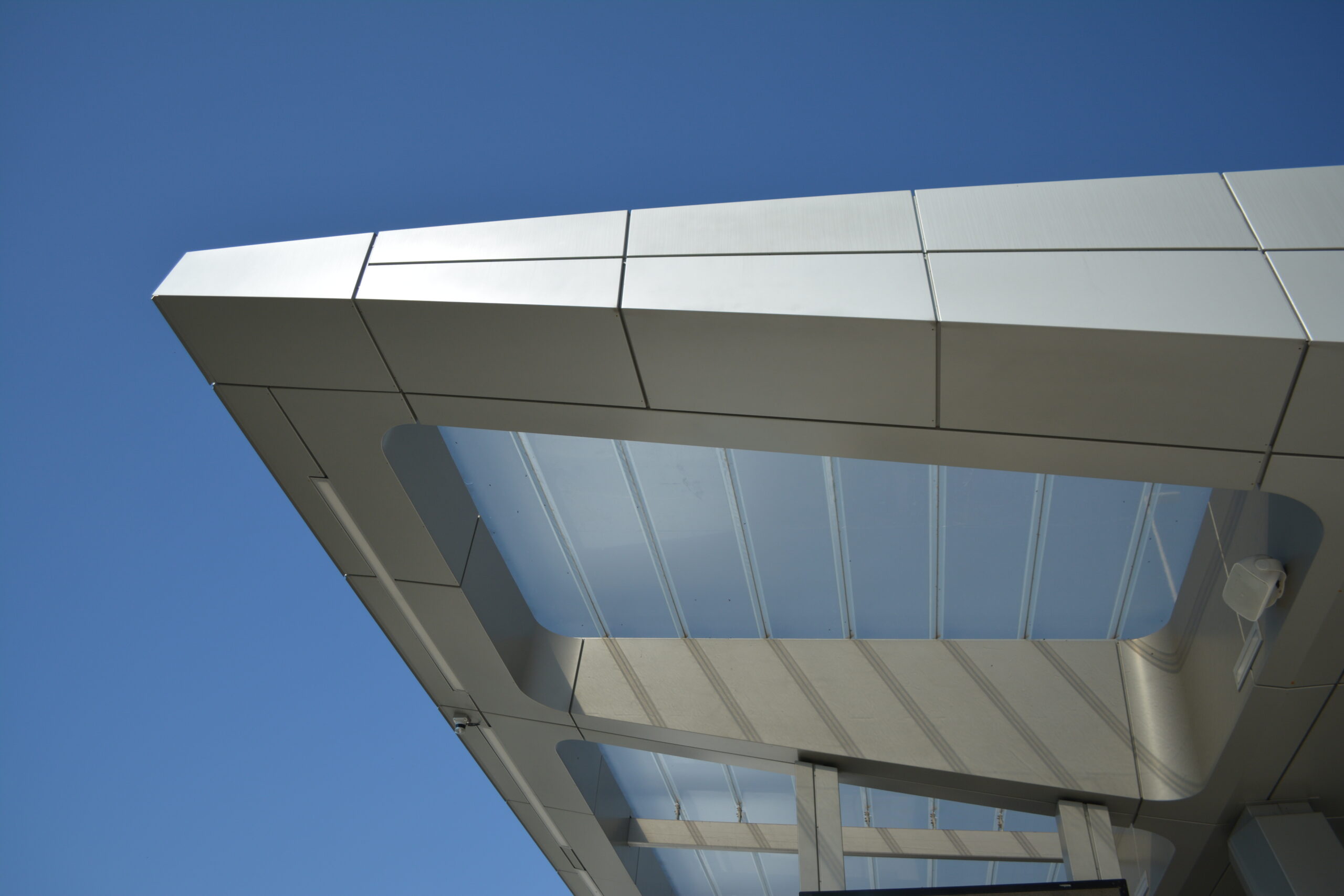
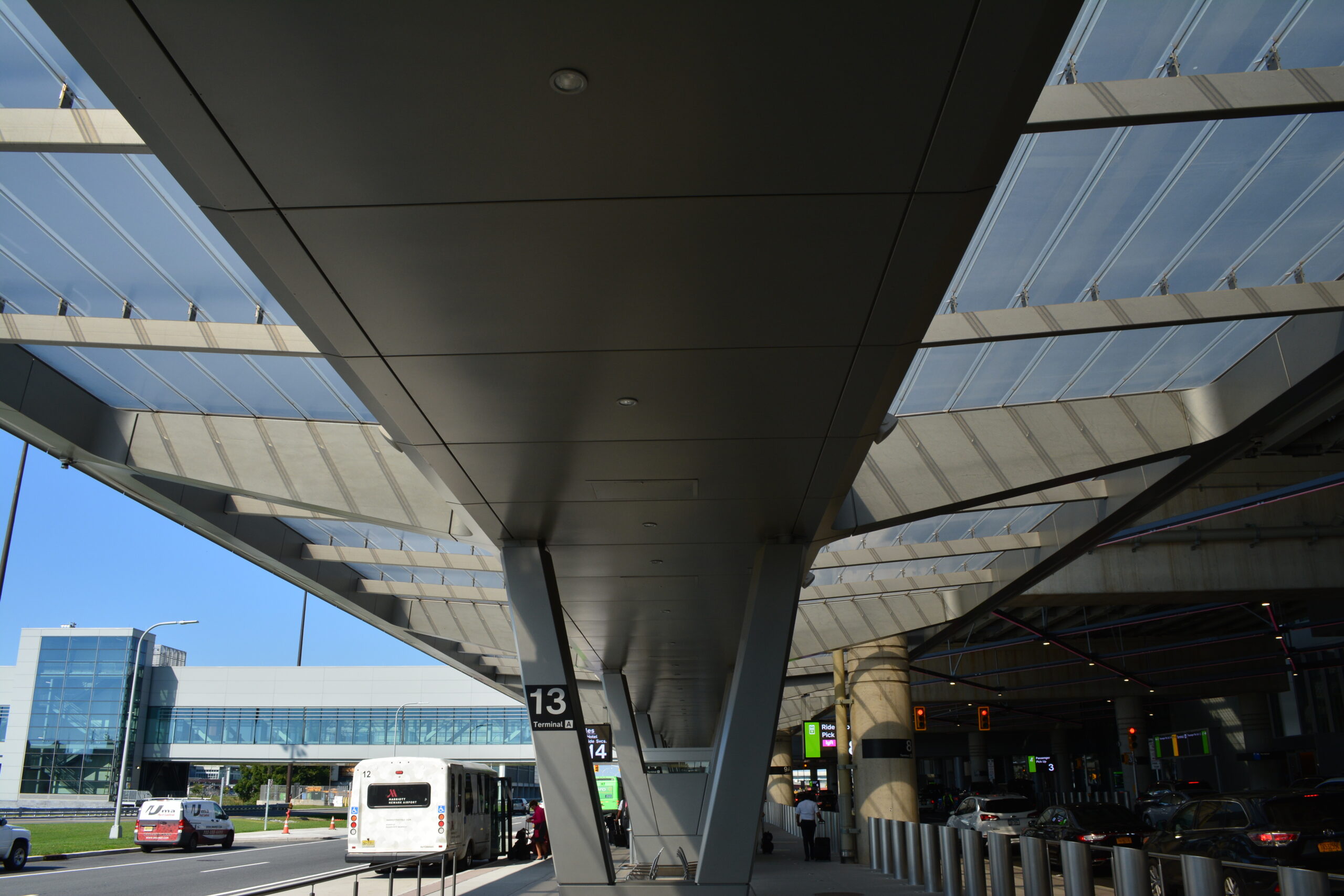
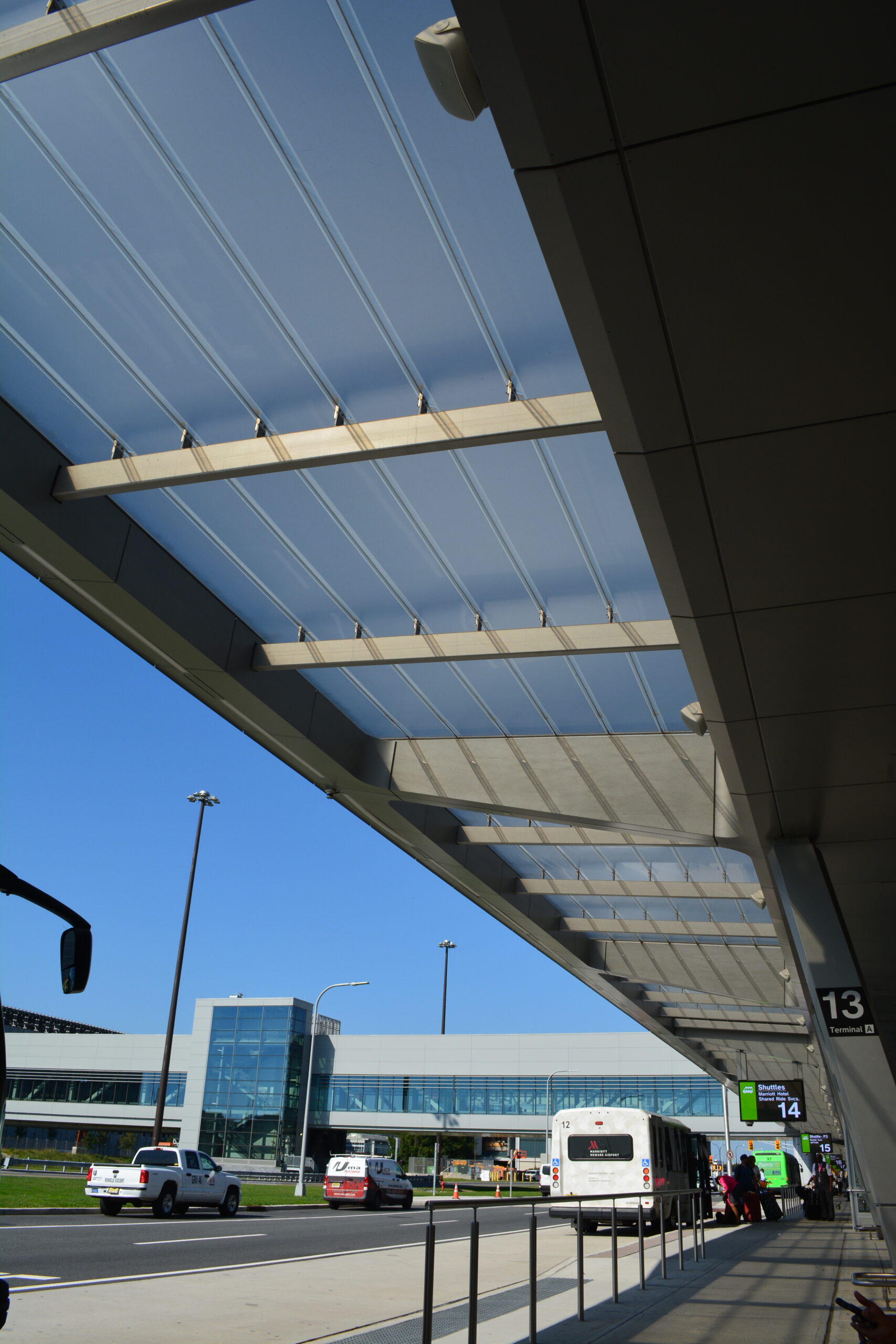
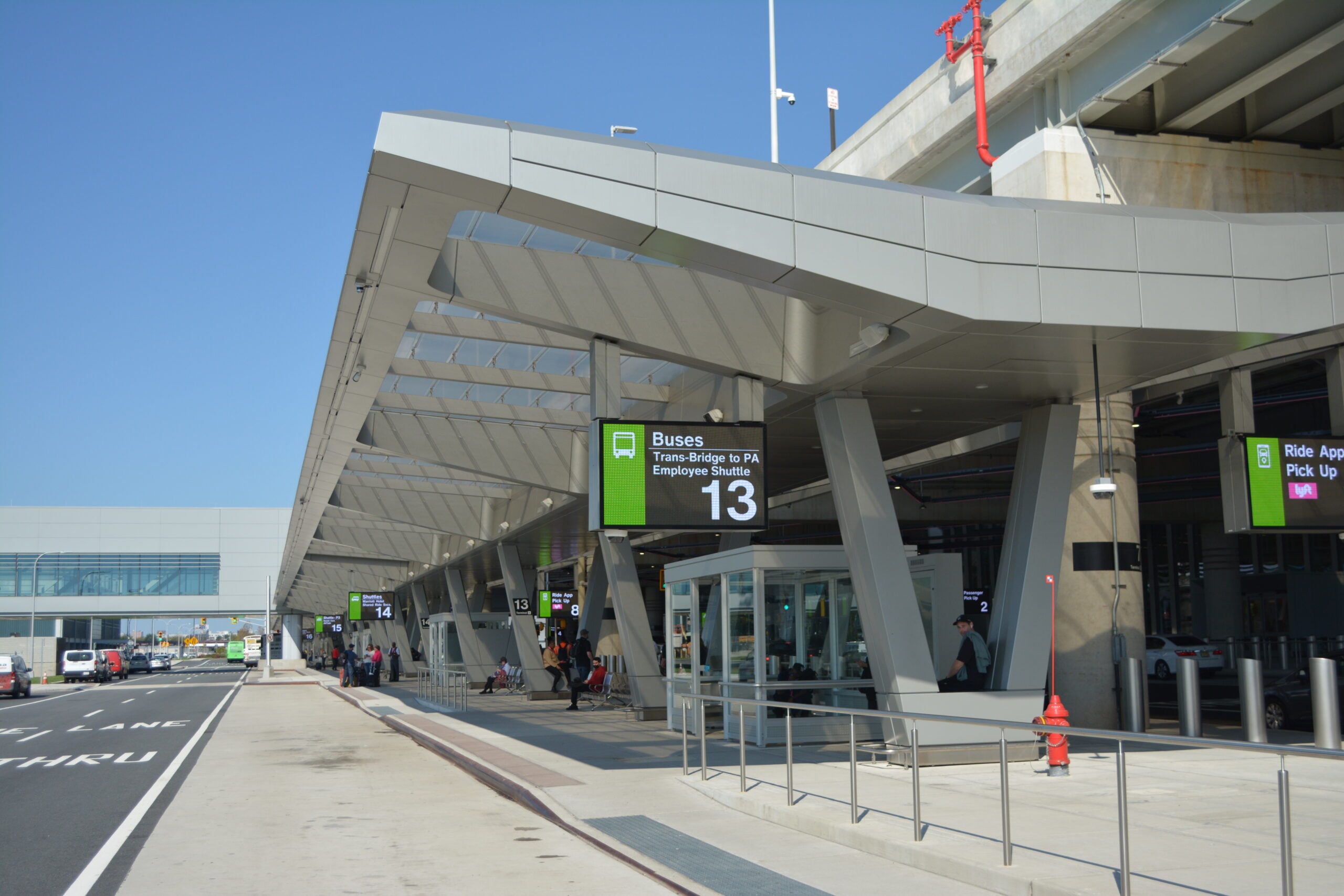
An ETFE canopy is a lightweight architectural roof structure made from ETFE (ethylene tetrafluoroethylene) cushions or membranes. It allows natural daylight to enter while reducing structural weight compared to conventional glass systems. The Lightspan Newark Arrivals Canopy in Newark, New Jersey, demonstrates how an ETFE canopy can improve both passenger experience and building performance.
Serving as the main arrival gateway for travelers, this project combines architectural design, weather protection, and energy-conscious construction. The canopy has become a recognizable feature of Newark Airport and highlights the growing use of ETFE technology in transportation infrastructure.
ETFE Canopy: What Is an ETFE Canopy and How Does It Work?
The Lightspan Newark Arrivals Canopy uses an ETFE cushion system consisting of multiple layers of transparent fluoropolymer film. These cushions are inflated with low-pressure air, creating a durable and lightweight roof solution.
Compared with traditional glazing systems, ETFE structures require less supporting steel while still providing excellent light transmission. This allows large covered spaces to remain bright and open throughout the day.
ETFE Roof Structures and Transparent Architectural Skins
ETFE is commonly used in airports, stadiums, transport terminals, and public buildings where daylight, reduced weight, and weather resistance are important design considerations.
Lightweight Building Envelopes Using ETFE Technology
Because ETFE weighs only a fraction of conventional glass, architects can create larger spans and more expressive roof forms without increasing structural loads.
ETFE Canopy: Why Was ETFE Chosen for Newark Airport?
For a busy transportation hub, passenger comfort and operational efficiency are key priorities. The ETFE canopy provides weather protection while maintaining a bright and welcoming arrival area.
ETFE Cushion Systems for Airport Architecture
The translucent surface diffuses daylight throughout the covered space, reducing the need for artificial lighting during daytime hours.
Daylight Roofing Solutions for Public Infrastructure
The design helps create an open atmosphere while supporting energy-conscious building strategies and improving the overall travel experience.
ETFE Canopy: What Are the Benefits of ETFE Structures?
The Newark Arrivals Canopy demonstrates several practical advantages associated with ETFE construction.
Reduced Structural Weight and Material Use
ETFE cushion systems place significantly less load on supporting structures than traditional glass roofs.
Improved Natural Light Performance
High light transmission helps create comfortable interior and semi-exterior environments.
Does an ETFE Canopy Reduce Energy Consumption?
Yes. By maximizing daylight and helping manage solar heat gain, an ETFE canopy can contribute to lower energy demand in many building applications.
How Long Does an ETFE Canopy Last?
Many ETFE systems are designed to perform for several decades with routine inspection and maintenance.
ETFE Canopy: How Does the Newark Project Set New Standards?
The Lightspan Newark Arrivals Canopy illustrates how ETFE technology can transform functional infrastructure into a recognizable architectural feature. The project combines visual clarity, weather protection, daylight performance, and efficient structural design.
Advanced Tensile Architecture and Membrane Structures
As airports continue to modernize, ETFE canopy systems are increasingly used to create large covered areas that balance aesthetics with practical performance.
Why Is an ETFE Canopy Popular in Modern Architecture?
Architects often choose ETFE because it enables large transparent spans, lower structural weight, strong weather resistance, and flexible design possibilities.