

From vision to final design
At Lightspan, every design journey begins with an idea. Our design team translates initial visions into clear concepts, combining creativity with engineering expertise. This early stage sets the foundation for successful and inspiring projects.
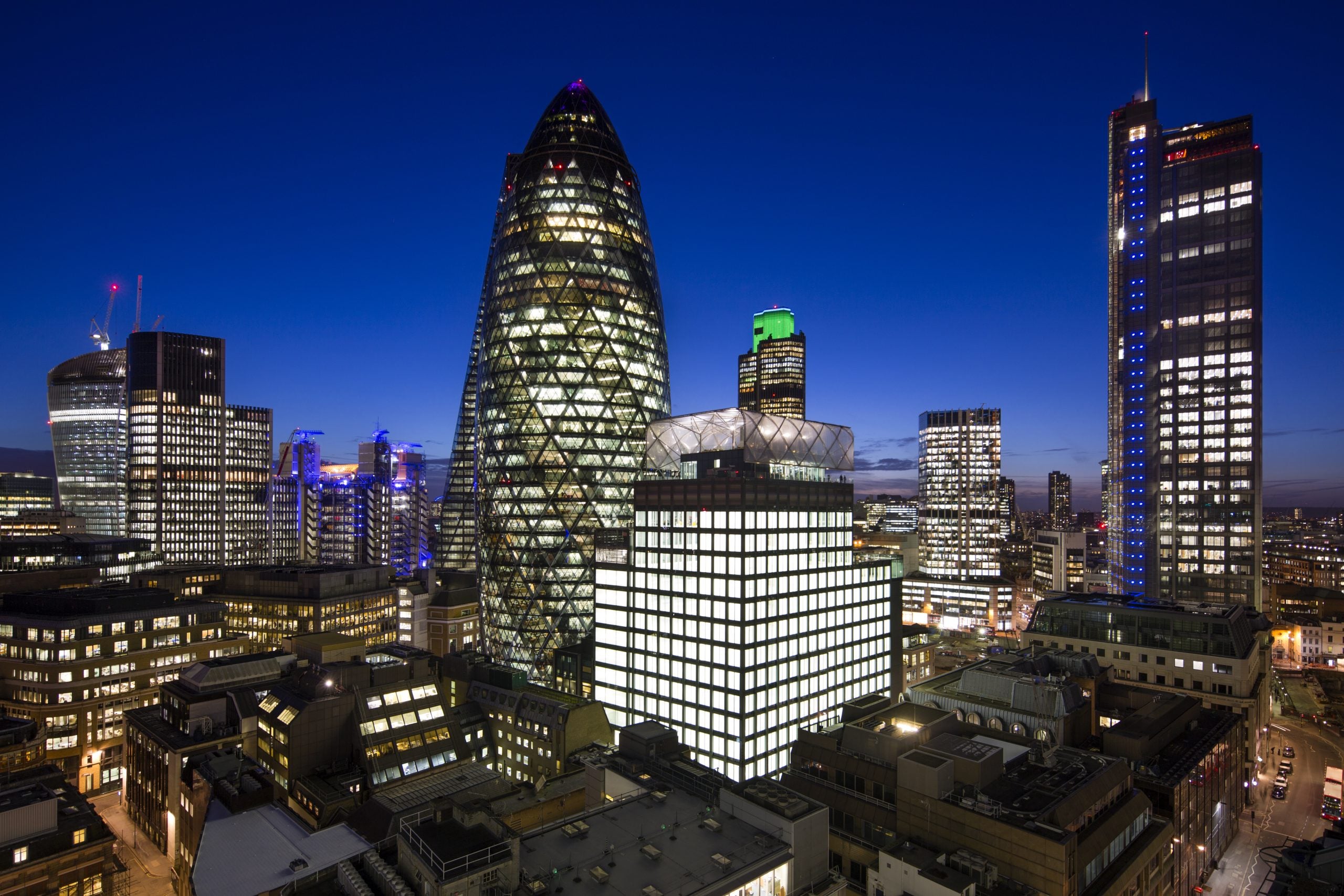
ETFE Design: From Vision to Final Design
What is ETFE design? ETFE design is the process of developing lightweight ETFE roof and façade systems from an architectural idea into a technically achievable solution. At Lightspan, every design journey begins with an idea. Our design team translates initial visions into clear concepts, combining creativity with engineering expertise. This early stage establishes the basis for the geometry, structure, materials and performance of the finished ETFE system.
ETFE Design: How does the design process begin?
Architectural concepts and ETFE system design
Collaboration starts from day one. Architects, engineers and clients work closely with our designers to balance functionality and aesthetics. Early discussions consider the building geometry, intended use, daylight requirements, structural interfaces and the characteristics of ETFE foil or cushion systems. Our ETFE systems provide the technical foundation for roofs, façades and other building envelope applications.
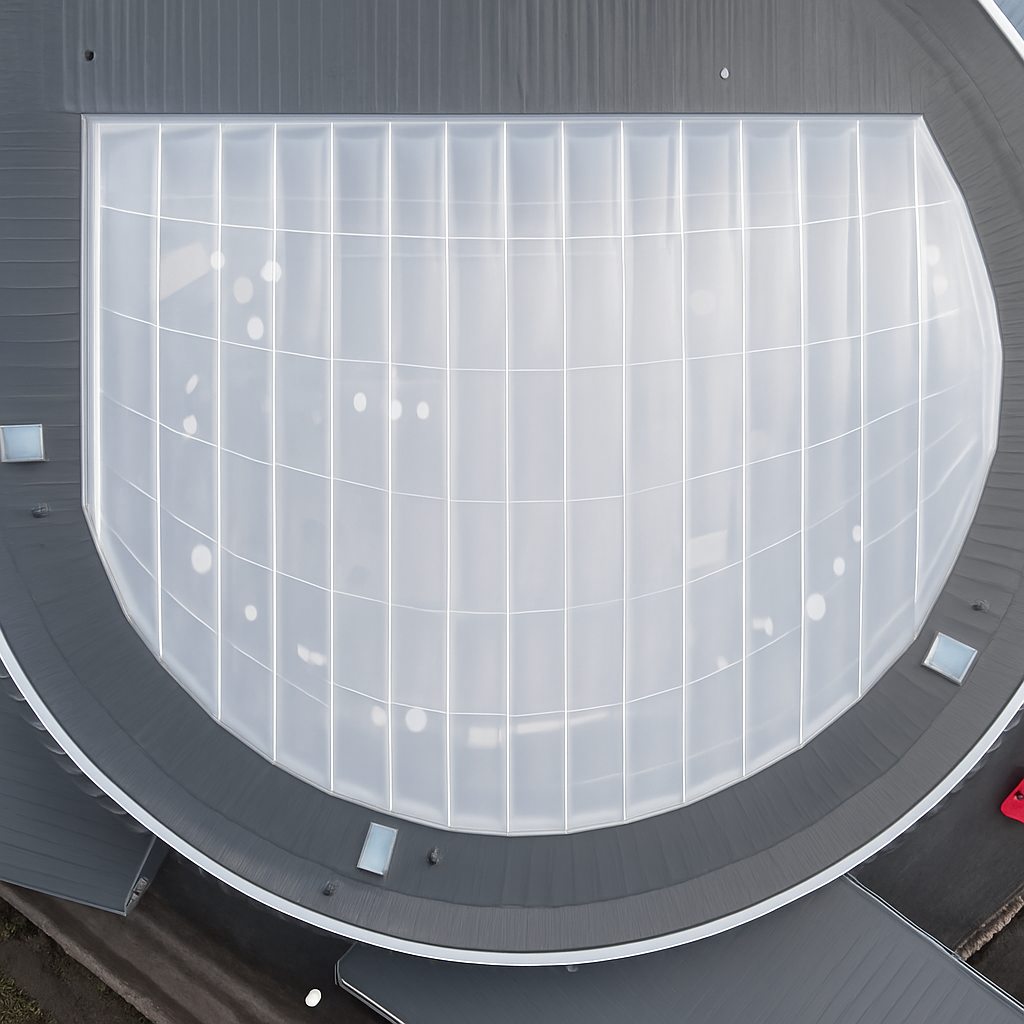
Designing with purpose at Lightspan
What does ETFE design include?
ETFE design can include single-layer foil, multi-layer pneumatic cushions, support profiles, cushion geometry, interfaces and integration with the primary structure. Depending on the project, drainage, ventilation, thermal performance, lighting and fabrication requirements are also considered.
ETFE Design: How are ideas tested before construction?
Digital modelling and structural analysis
Using digital modelling, 3D simulation and structural analysis, our design team develops accurate concepts that can be reviewed and refined before construction. This helps identify geometric or technical issues early and supports coordination between architecture, engineering and fabrication.
How does ETFE roof and façade design improve constructability?
Detailed planning connects the architectural concept with the structural support system and fabrication process. Our ETFE roof detail approach shows how BIM, structural coordination and interface detailing contribute to constructable ETFE envelopes.
ETFE Design: How is performance considered?
ETFE membrane architecture and building performance
At Lightspan, design is more than appearance—it is about performance. ETFE concepts consider structural efficiency, daylight transmission, thermal requirements, material use and the relationship between the foil system and supporting structure. The TensiNet ETFE design recommendations provide further technical reference for ETFE foil structures.
What makes ETFE design suitable for large-span buildings?
The low weight of ETFE foil allows architects and engineers to explore large spans and complex geometries while reducing the dead load of the building envelope. The Lightspan ETFE system overview explains how foil layers, cushions, aluminium profiles and air pressure work together.
ETFE Design: What happens after concept design?
From ETFE design to fabrication and installation
The design process continues into engineering, fabrication and installation. Lightspan coordinates these stages so that the developed concept can be translated into fabrication data and an installable building envelope. Our ETFE design service is therefore part of a wider process from concept to completion.
How does Lightspan support ETFE design projects?
Our designers work together with engineers, architects and project teams to develop realistic solutions before construction. This approach helps connect architectural intent with structural requirements, fabrication and site conditions.