Recycling for a Sustainable Future

At Lightspan, recycling is part of our commitment to sustainability. We ensure that building materials are reused, reducing waste and saving resources.
Closing the Loop

Our recycling process transforms used ETFE and other materials into new applications. This circular approach supports both environmental goals and economic efficiency.

Responsibility in Action

Lightspan takes responsibility beyond project delivery. By recycling components, we extend material lifecycles and minimize environmental impact.

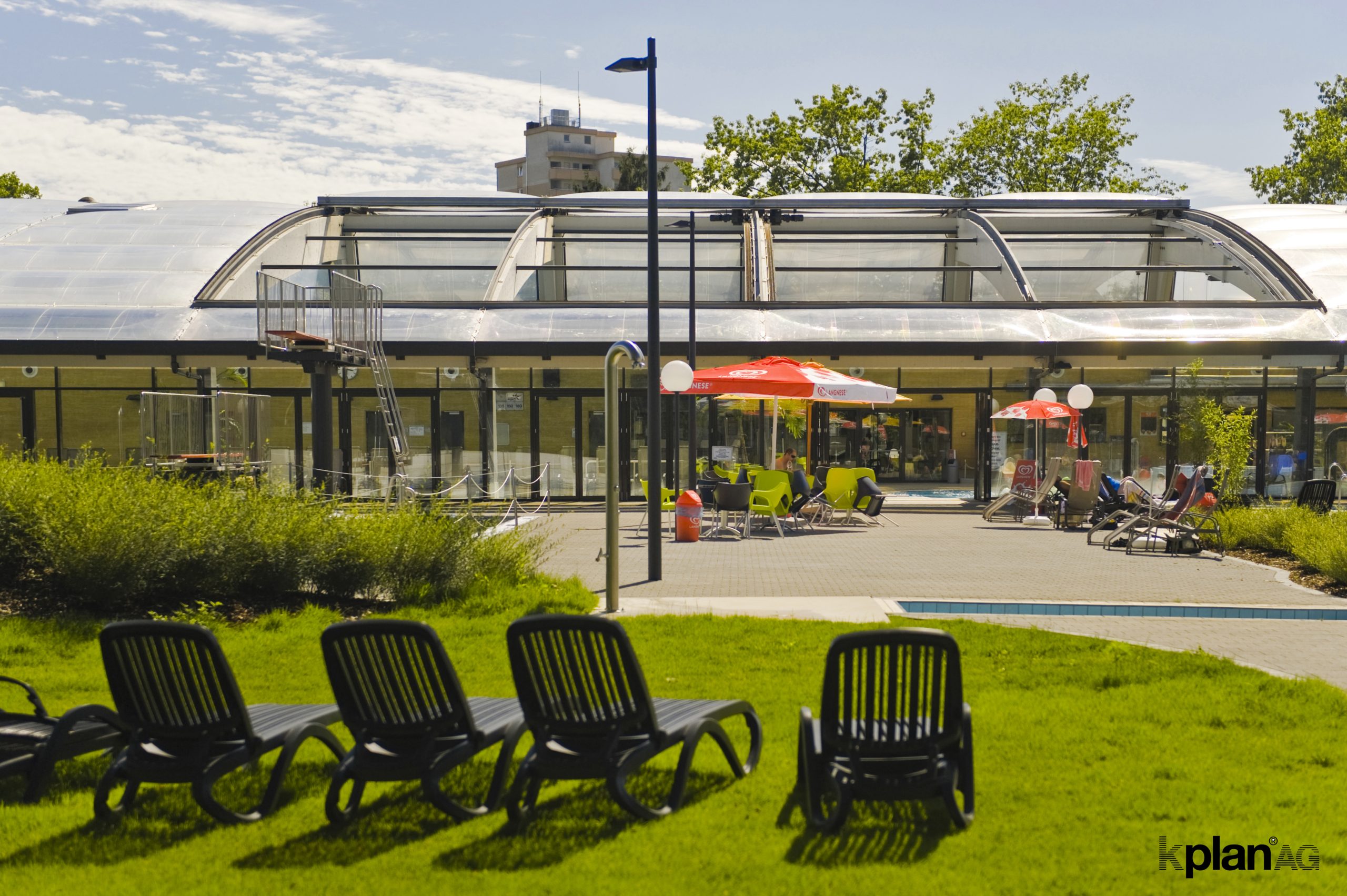
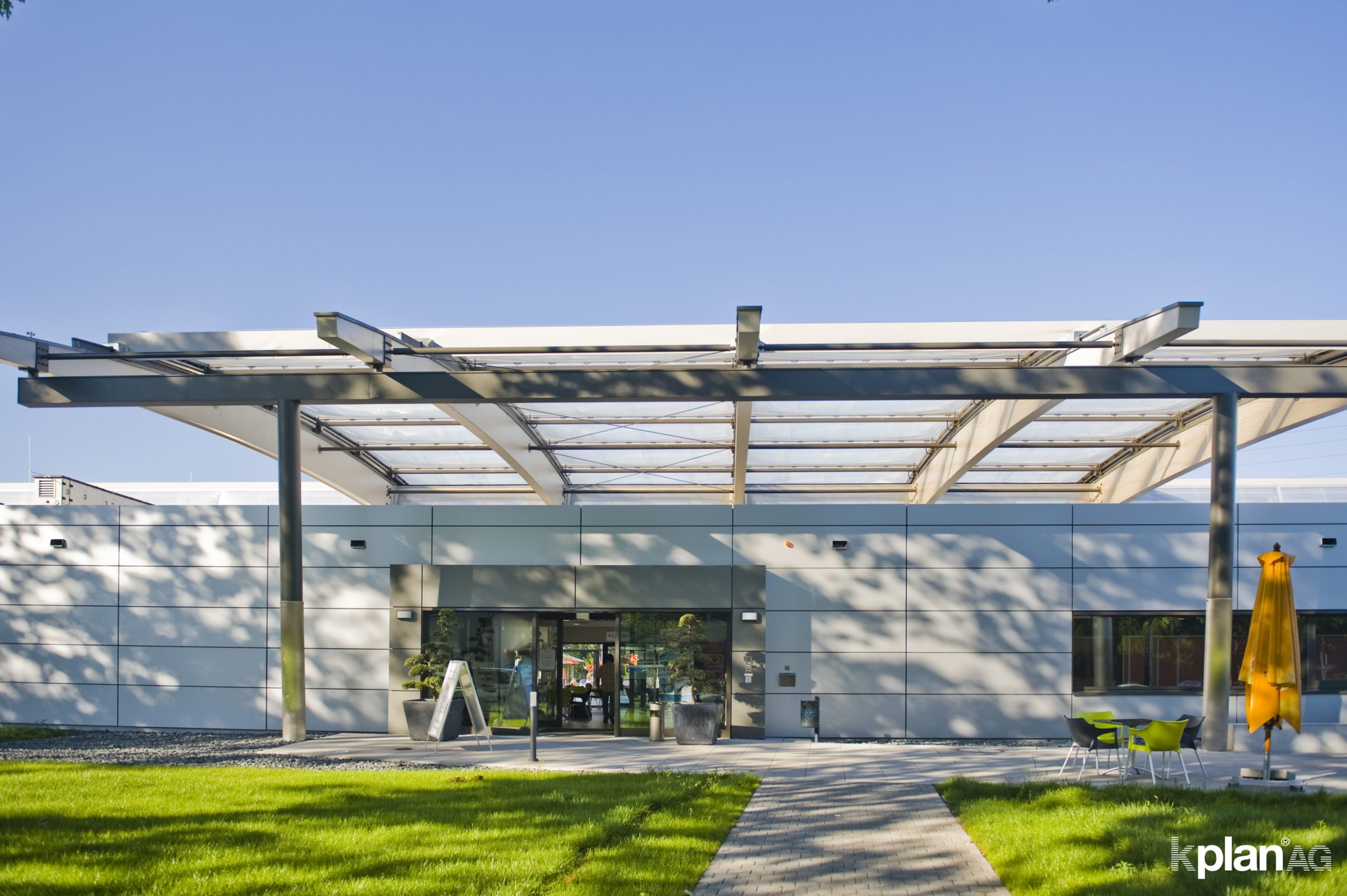
ETFE Cushion roof from outside
Giving materials a second life

Recycling at Lightspan

From concept to renewal

Every project begins with a concept, but at Lightspan, we also think about the end of its lifecycle. Our recycling team ensures that materials such as ETFE are collected, processed, and reused. This commitment reduces waste, conserves resources, and closes the sustainability loop. By integrating recycling into our service from the very start, we give clients confidence that their projects will remain environmentally responsible long after completion.

Lightspan Recycling Service: Closing the Loop for Sustainable Projects

Lightspan Recycling Service is an essential part of our commitment to sustainability. From the very beginning of each project, we integrate recycling as a core principle. Because we see every building envelope as part of a lifecycle, our goal is not only to build but also to reuse and renew.

To begin with, the Lightspan Recycling Service focuses on closing the loop. ETFE and other materials used in our projects can be collected, processed, and transformed into new applications. As a result, waste is minimized, and valuable resources are conserved for future use.

Furthermore, our recycling approach supports both environmental and economic goals. By giving materials a second life, we reduce the need for virgin resources while lowering overall lifecycle costs. Therefore, clients benefit from sustainable outcomes that are also financially efficient.

In addition, the Lightspan Recycling Service is guided by responsibility. We extend our role beyond design, engineering, and installation to ensure that every project remains environmentally sound long after delivery. This forward-thinking approach demonstrates our commitment to long-term sustainability.

Another key advantage is integration. Because our recycling teams collaborate with design and engineering from the start, sustainability is built into every stage of the project. Moreover, our global experience ensures that recycling processes can be adapted to different regions and regulations.

In conclusion, Lightspan Recycling Service is more than a final step. It is a continuous process that ensures materials are reused responsibly, projects achieve long-term value, and sustainability goals are met. By choosing our service, you invest in a greener future and a truly circular approach to building.

ETFE Roofing Systems – Global Expertise by Lightspan Lightspan is a leading specialist in advanced ETFE roofing systems, delivering high-performance architectural solutions across Europe, the United States, the United Kingdom, and the Middle East. Our expertise covers the full spectrum of ETFE foil roofs, ETFE cushion systems, ETFE skylights, and ETFE canopy structures, designed for modern, sustainable, and lightweight construction. As a technology-driven partner with deep industry knowledge, Lightspan provides innovative alternatives and collaborations within the global ETFE market, including solutions comparable to companies such as Vector Foiltec and advanced Texlon ETFE cushion systems.What is an ETFE Roof System? An ETFE roof system is a lightweight, high-transparency roofing solution made from ethylene tetrafluoroethylene (ETFE) foil. These systems are commonly used in stadiums, airports, shopping centers, and large-span architectural projects. Lightspan develops and delivers: ETFE cushion systems, ETFE panel systems, ETFE foil roofing solutions, ETFE cable roof structures.  Why Choose ETFE Roofing? ETFE roofing offers significant advantages over traditional materials like glass: High light transmission (up to 95%), Lightweight structure reduces steel requirements, Excellent durability and weather resistance, Energy-efficient and sustainable, Ideal for complex architectural geometries. This makes ETFE roofs and ETFE foil roofs the preferred solution for innovative building envelopes worldwide.Where Are ETFE Roofs Used? Lightspan supports ETFE projects globally, with strong focus regions: Europe (including Germany & UK), In Europe and the UK, ETFE roofing is widely used in: Stadiums, Transportation hubs, Commercial buildings. 
ETFE roofing Europe, ETFE roof system UK, ETFE skylight Germany. United States (USA) In the United States, ETFE systems are increasingly used in: Sports arenas, Entertainment venues, Urban redevelopment projects, Keywords targeted: ETFE roof USA, ETFE canopy USA, ETFE cushion system America Middle East (High Priority Region) The Middle East is a key growth market for ETFE due to climate advantages: Heat-resistant ETFE foil, Solar control through multi-layer cushions, Ideal for large-scale canopy and roofing systems. Applications include: Airports, Luxury developments, Public spaces ETFE roofing Middle East, ETFE skylight Dubai, ETFE canopy UAE, ETFE roof system Saudi Arabia What ETFE Solutions Does Lightspan Offer? Lightspan provides a full range of ETFE systems: ETFE roof systems, ETFE skylights, ETFE canopy structures, ETFE foil roofs, ETFE cushion systems, ETFE panel systems, ETFE cable roof solutions.We also support digital planning and engineering through Lightspan Digital, enabling efficient project execution worldwide.Is Lightspans ETFE foil an Alternative to Glass?Lightspan operates within the same high-performance ETFE sector as Vector Foiltec, offering comparable expertise in ETFE Texlon systems, ETFE cushion technology, and advanced foil structures.With a focus on innovation, flexibility, and global project delivery, Lightspan is positioned as a strong partner for modern ETFE architecture. Frequently Asked Questions (FAQ) What is ETFE foil? ETFE foil is a transparent, durable plastic material used in modern roofing and façade systems. It is lightweight, self-cleaning, and highly مقاust (typo avoided).What is an ETFE cushion system? An ETFE cushion system consists of multiple layers of ETFE foil inflated with air, providing insulation, structural stability, and solar control.What is the difference between ETFE and glass roofing? ETFE is significantly lighter, more flexible, and more cost-efficient than glass, making it ideal for large-span and complex structures.Where can ETFE roofing be used? ETFE roofing can be used globally, especially in regions like Europe, the USA, the UK, and the Middle East, for stadiums, skylights, canopies, and large architectural projects. How long do ETFE roofs last?ETFE roofing systems typically have a lifespan of 25–35 years or more, depending on design and environmental conditions.Global ETFE Expertise With projects and expertise spanning Europe, the United States, the United Kingdom, and the Middle East, Lightspan is a trusted partner for advanced ETFE roofing systems, ETFE foil roofs, and ETFE architectural solutions. Lightspan, Texlon® ETFE system, ETFE roof, ETFE foil, ETFE material, ETFE cushions, ETFE foil roof, ETFE architecture, ETFE buildings, building skin, cladding, Texlon® roof, ETFE façade, ETFE cladding, Ethylene tetrafluoroethylene, cladding suppliers, ETFE cladding system, most trusted brand, inventor of the system, global market leader, partner, solutions, contractors, membrane, transparent cushion, transparent roof, structure, ETFE roofing, specialists, engineering, supplier, worldwide, project, projects, sustainability, sustainable, insulation, acoustic, acoustic comfort, acoustic comfort in buildings, multipurpose, architecture, building, building envelope, general contractors, architects, investors, flexible, efficient, fast, general contracting, construction management, design-build, design service, installation, fabrication, ETFE service, ETFE Design, ETFE Maintenance, ETFE Service Why choose VF Lightspan?
Expert for small and large-scale projects, design and engineering competence in ETFE and structures, in-depth understanding of the interface between cladding and structure, deep understanding of construction processes and schedules, support in acoustic, climate and lighting design, largest ETFE fabrication capacity for large-scale projects, worldwide presence, we deliver a whole range of sizes, structures and possibilities, ongoing Research and Development, newest technology, biggest ETFE turnover in the world, Market leader in ETFE applications, two largest fabrication plants in the world What is ETFE?
anti-adhesive surface, UV-resistant, recycle, no discoloration, without discoloration, does not become brittle, no change in molecular structure, in most cases: a multi-layered, pneumatically supported cushion construction, cushion chambers are filled with air, air blow station, air supply unit, constant air pressure, the cushions can carry external loads such as wind and snow, ETFE heat insulation, acoustic properties, chemical structure, ETFE weight, ETFE melting point, ETFE abrasion point, ETFE density, large spans possible, lightweight, exceptional light transmission, UV-transparent, UV spectrum, printing possible, g-value, all patterns and colors possible, tensile strength, ETFE is weather resistant, hardly ages, lifespan, energy efficient compared to glass, cost-effective: due to the low weight of ETFE costs can be saved in the building’s structure, recyclable material, self-cleansing under natural acts of rain, benefits of ETFE, Why ETFE? The Texlon® System
Texlon roof system, Use of ETFE, ETFE roof construction, architecture, cushion thickness, cushion size, cushion span, The Texlon® system consists mainly of two components: ETFE foil and aluminum profiles. The ETFE foil can be used as a single-layer or multi-layer system. If it is used as a multi-layer (two to five layers) system, it is welded to so-called cushions and filled with air. A keder is welded around the perimeter of the cushions. Both the single-layer ETFE system and the ETFE cushions are mounted in the aluminum profiles, with the help of the keder. The aluminum profiles themselves are attached to the building structure. The structure can, for example, be made of steel, wood or even cable.
Suitable for LEED, BREAM and DGNB certifications, suitable for every climate and environment, design flexibility for iconic architecture, efficient and light-weight structures with maximum free span, transparent cladding solutions,