


What Does ETFE Stand For? Plant Science Centre Copenhagen
What does ETFE stand for? ETFE stands for Ethylene Tetrafluoroethylene, a fluorine-based polymer widely used in contemporary architecture because it is lightweight, durable, highly transparent, and weather resistant. The Plant Science Centre in Copenhagen demonstrates how a Texlon® ETFE roofing system creates bright interior spaces while reducing structural weight and improving energy performance.
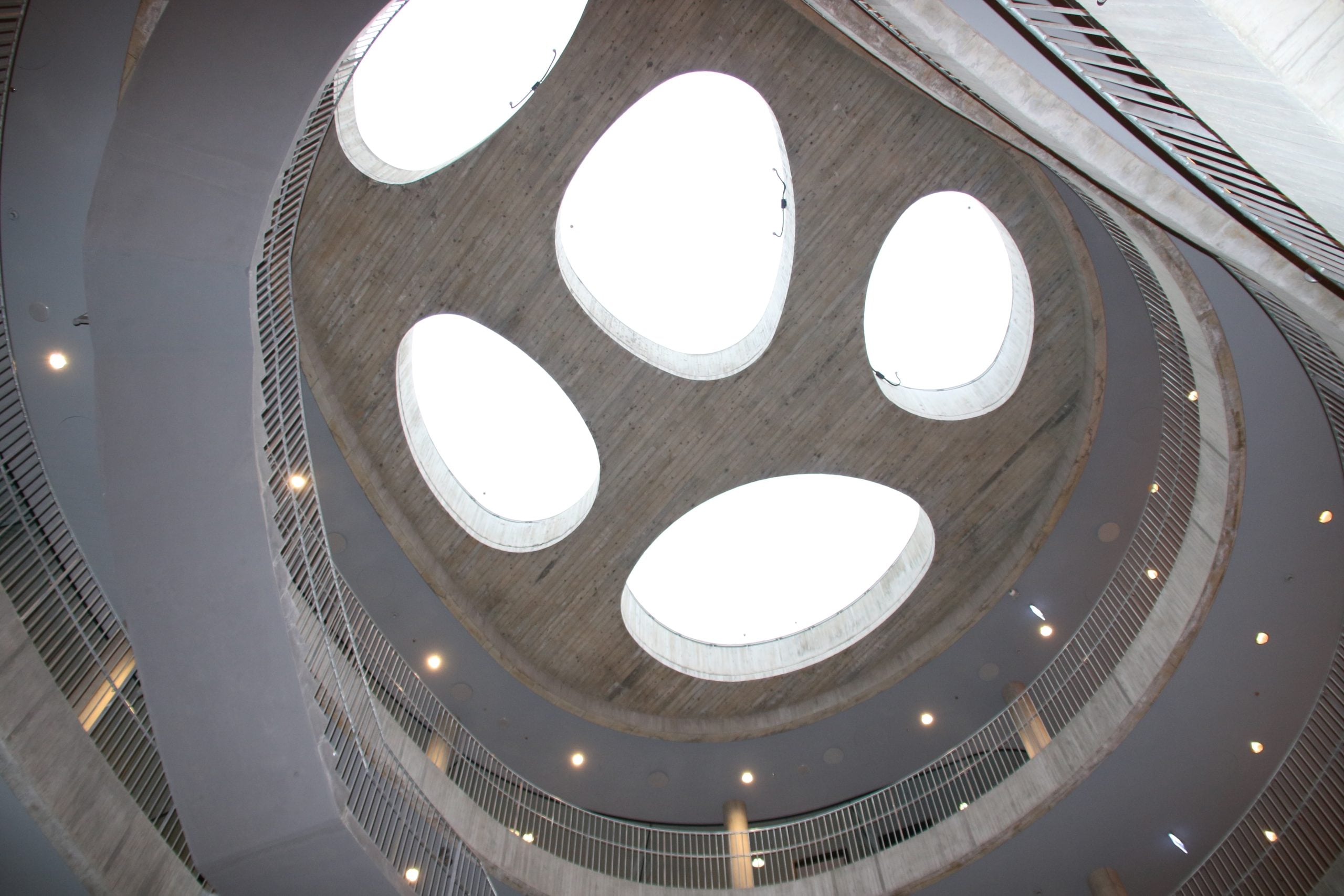
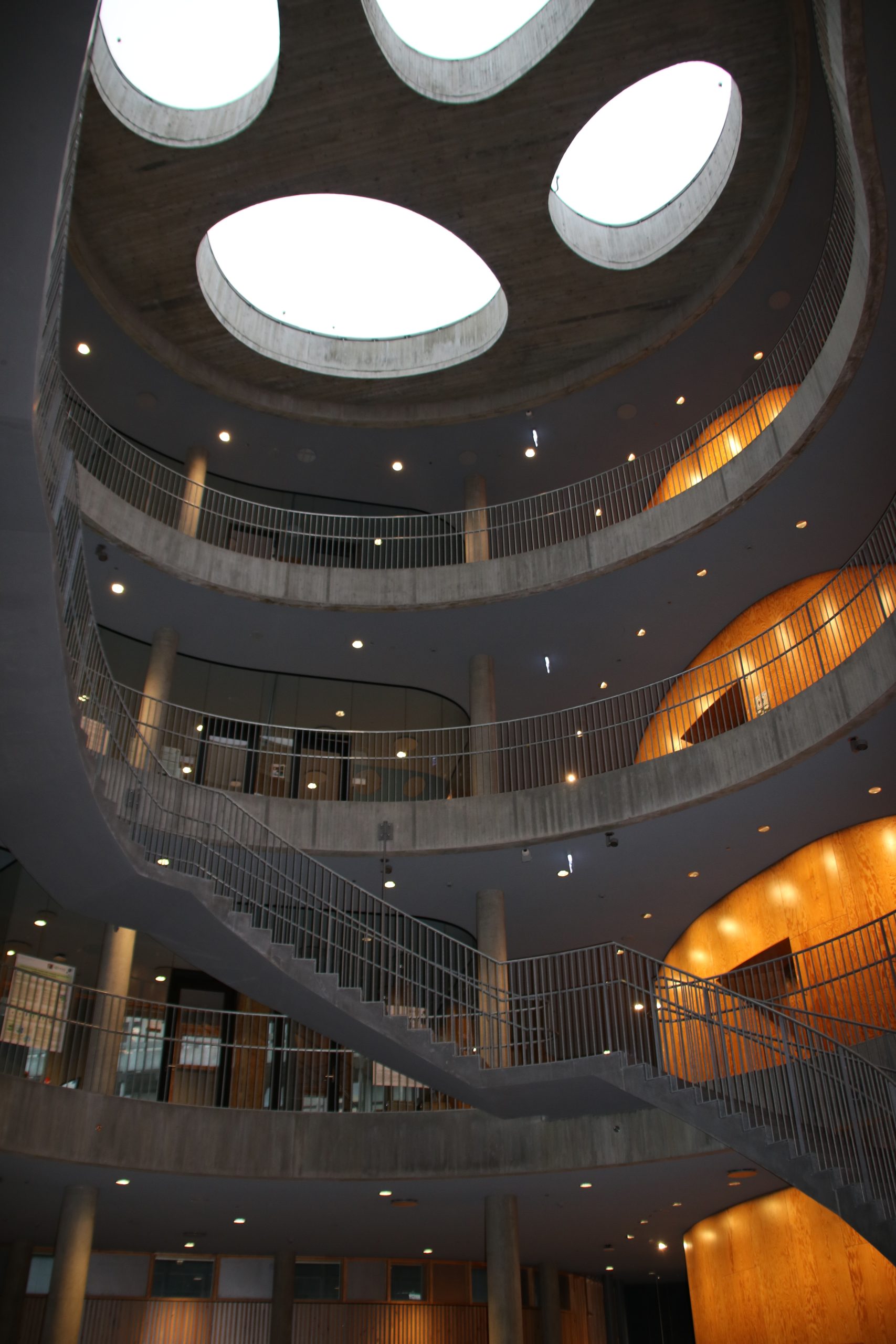
The atrium is covered with a two-layer Texlon® ETFE cushion system spanning approximately 57 m². Combined with the three-story concrete structure, the roof allows daylight to reach selected areas of the building, creating an open atmosphere that feels connected to the outdoors despite Copenhagen experiencing around 157 rainy days each year. Employees benefit from abundant natural light while working in a comfortable, climate-controlled environment.
What Does ETFE Stand For and Why Is It Used in Architecture?
ETFE stands for Ethylene Tetrafluoroethylene, a high-performance fluoropolymer developed for demanding environments. Today it is widely used for skylights, atriums, stadium roofs, botanical gardens, airports, and research facilities because it combines low weight with excellent light transmission and long service life.
Compared with conventional glass roofing, ETFE cushions reduce the load placed on the supporting structure, allowing engineers greater design flexibility while lowering material requirements.
ETFE Meaning in Construction
In construction, ETFE is manufactured as thin transparent foil that is welded into cushions and inflated with low-pressure air. These cushions create insulated roof and façade systems that admit large amounts of daylight while maintaining indoor comfort.
Benefits of Texlon® ETFE Systems
Texlon® ETFE systems provide:
- High daylight transmission
- Lightweight roof construction
- Reduced structural loads
- UV and weather resistance
- Low maintenance requirements
- Flexible free-form architectural designs
For more information about ETFE technology, visit the ETFE Systems page (internal link).
What Does ETFE Stand For When Used at the Copenhagen Plant Science Centre?
The Plant Science Centre showcases how ETFE supports both architectural expression and building performance.
Lightweight Structural Design
The roof is supported by sculptural concrete columns while lightweight aluminum framing carries five free-form ETFE cushions. Because ETFE weighs only a fraction of comparable glass systems, the concrete foundations can be designed more efficiently, reducing dead loads without compromising structural integrity.
The same Texlon® ETFE technology can also be installed on steel, timber, or tensile support structures, making it suitable for a wide variety of architectural applications.
Thermal Performance of ETFE Cushions
The two-layer cushion system traps air between the ETFE membranes, providing insulation together with structural stability. Depending on the system configuration, enclosed ETFE cushions can achieve approximately R-3 to R-7, helping maintain stable indoor temperatures.
This consistent thermal environment is particularly important at the Plant Science Centre, where sensitive plant research depends on carefully controlled climatic conditions.
What Does ETFE Stand For in Sustainable Building Design?
ETFE contributes to energy-efficient buildings by maximizing natural daylight and reducing the need for artificial lighting during daytime hours. Its lightweight construction also lowers embodied structural materials compared with heavier glazing systems.
While ETFE itself is not a complete sustainability solution, its combination of daylight performance, durability, and reduced structural demand makes it a practical choice for many large-span roofs and façades.
ETFE vs Glass
Although glass remains appropriate for many buildings, ETFE offers several advantages:
- Lower structural weight
- Greater design flexibility
- Excellent light transmission
- Large unsupported spans
- Reduced installation weight
The choice depends on the project’s structural, thermal, and architectural requirements.
What Does ETFE Stand For in the Plant Science Centre Skylight?
The atrium skylight consists of five uniquely shaped ETFE cushions, each individually designed to fit the free-form roof geometry. Aluminum profiles support each cushion, while integrated bolt connections and condensation gutters ensure reliable long-term performance.
Natural daylight entering through the ETFE roof creates a bright environment that supports both employee wellbeing and plant growth while giving the interior a spacious outdoor character.