
ETFE Roof Detail at Salincarré: How ETFE Roof Systems Improve Modern Architecture
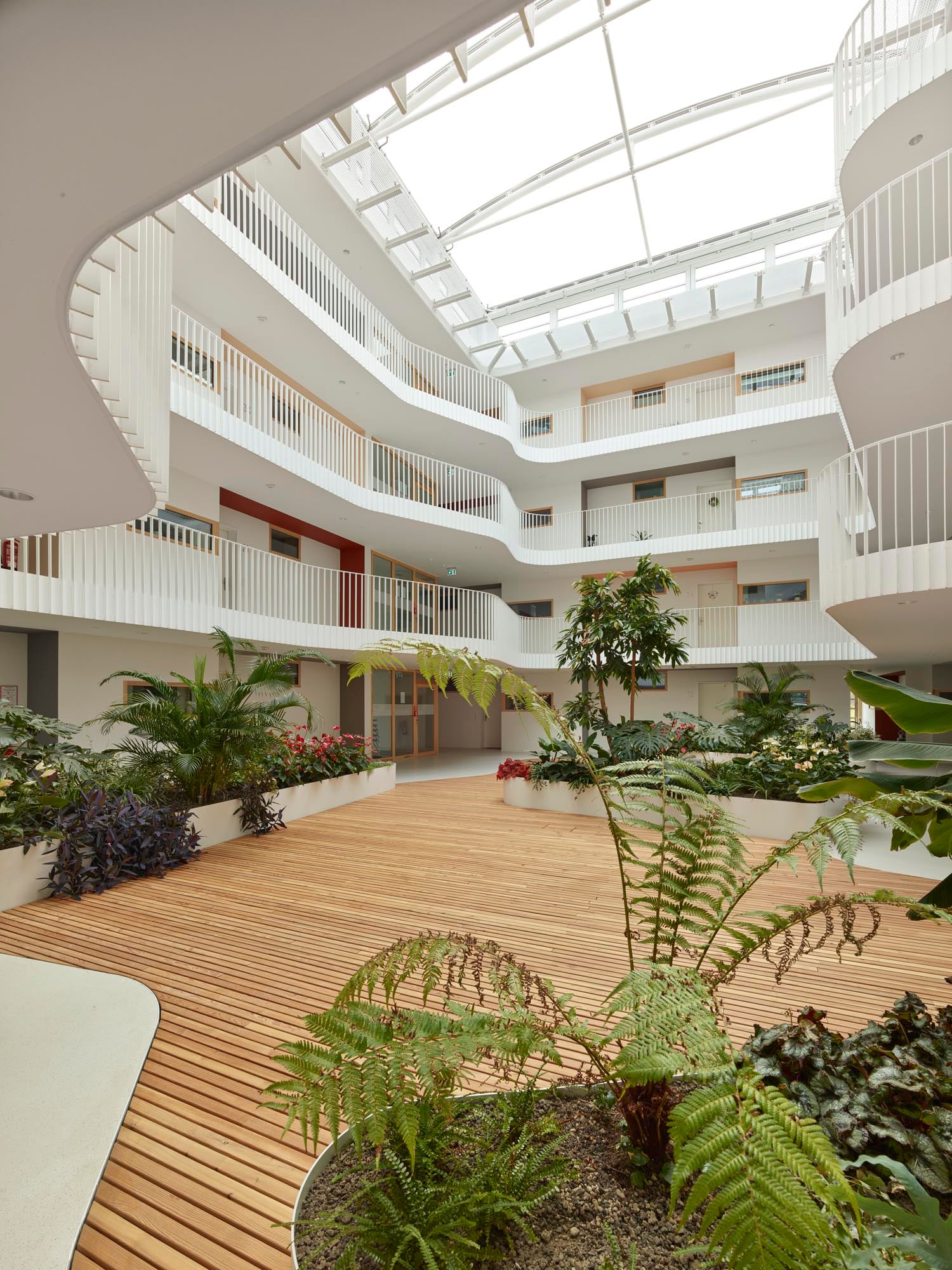
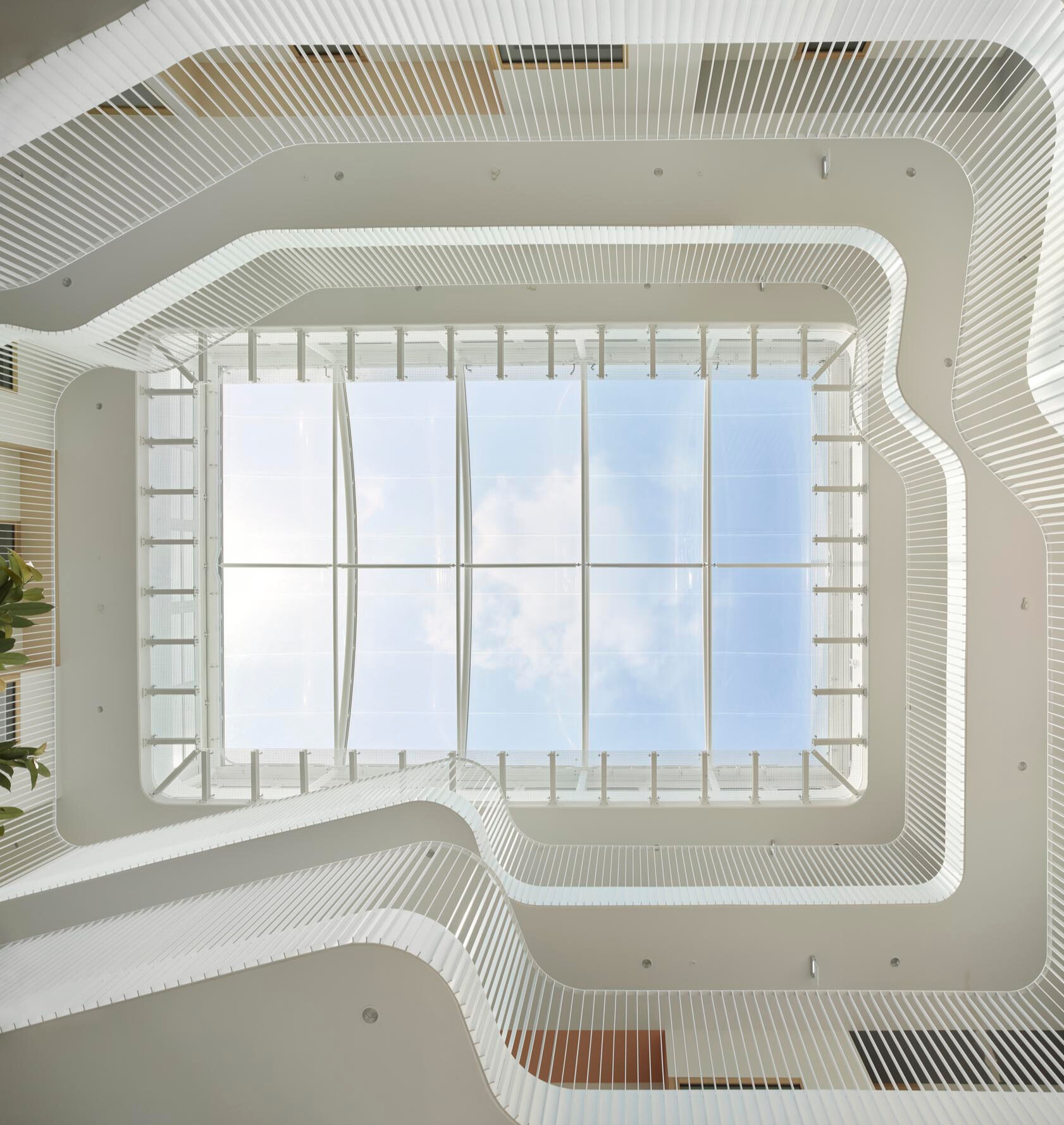
An etfe roof detail describes how an ETFE roofing system is engineered, including the cushion structure, aluminum framing, fixing points, drainage, and weatherproof connections. At Salincarré, the etfe roof detail plays a key role in delivering abundant natural daylight while controlling solar heat gain, reducing energy demand, and creating a comfortable indoor environment for visitors.
The Salincarré project demonstrates how ETFE technology can transform large commercial spaces into bright and inviting places where retail, leisure, and public life come together. Lightspan’s ETFE solutions combine lightweight construction with reliable long-term performance, making them suitable for complex architectural designs.
How Does an ETFE Roof Detail Improve Building Performance?
A well-designed etfe roof detail balances structural performance, weather resistance, and daylight transmission. Multi-layer ETFE cushions are supported by lightweight aluminum profiles and inflated with low-pressure air to maintain their shape. Printed frit patterns help regulate solar gain while still allowing high levels of natural light to enter the building.
For technical guidance on ETFE systems, architects often refer to the https://www.etfe.com/ ETFE Information Center and the https://www.cibse.org/ Chartered Institution of Building Services Engineers (CIBSE) for building performance principles.
ETFE Cushion System Design
The roof consists of multiple ETFE foil layers welded into cushions. These cushions reduce structural weight compared with conventional glass roofs while maintaining excellent transparency and weather resistance.
Aluminum Support Profiles
Custom aluminum framing securely anchors the cushions and transfers wind and snow loads into the primary building structure without excessive weight.
Why Was This ETFE Roof Detail Selected for Salincarré?
The Salincarré architecture required maximum daylight without creating excessive heat or glare. The ETFE roof system achieves this through carefully designed cushion geometry and printed shading patterns that improve occupant comfort throughout the year.
Daylight Control
Natural daylight reaches deep into the building, reducing dependence on artificial lighting during daytime operation.
Lower Maintenance
Unlike many conventional glazing systems, ETFE surfaces are naturally resistant to dirt accumulation and require relatively little maintenance over their service life.
What Are the Main Components of an ETFE Roof Detail?
Every etfe roof detail typically includes several essential components working together.
ETFE Cushions
Transparent multi-layer membranes that provide insulation and weather protection.
Framing and Connections
Aluminum extrusions, fixing rails, seals, and movement joints ensure secure installation while allowing thermal expansion.
Air Supply System
A continuous low-pressure inflation system keeps the cushions stable under varying weather conditions.
What makes an ETFE roof detail weatherproof?
Carefully engineered seals, drainage channels, flashing details, and pressure-controlled cushions prevent water ingress while accommodating structural movement.
How Does the ETFE Roof Detail Support Sustainable Design?
The lightweight roof structure reduces the amount of structural steel required while maximizing daylight. This combination can lower operational energy consumption by reducing lighting demand and improving solar control.
At Salincarré, the ETFE façade and roof system work together to create welcoming public spaces with a bright interior environment that supports both visitor comfort and long-term building efficiency.
For additional information about ETFE engineering and project solutions, visit the Lightspan ETFE Systems, Project Portfolio, and Contact pages.