

ETFE Construction at Grasjochbahn Station St. Gallenkirch
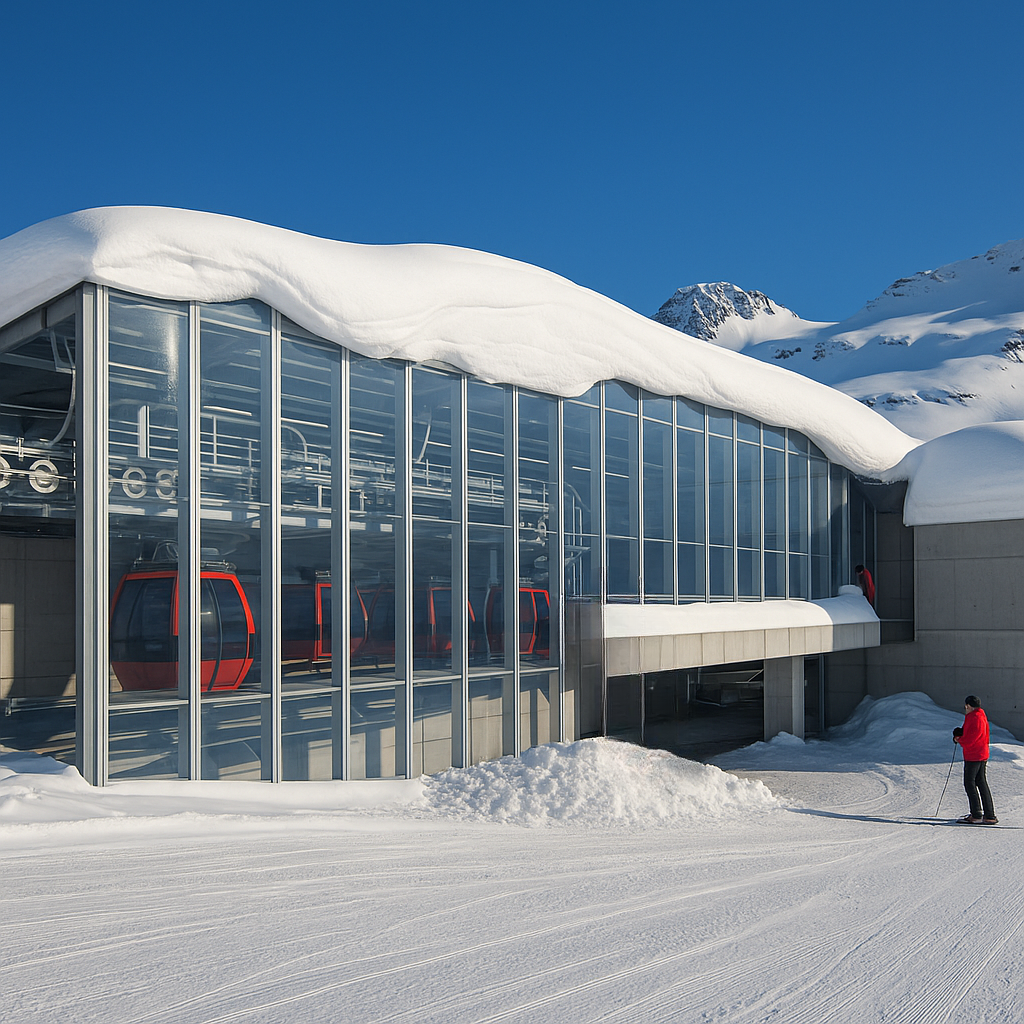
What is etfe construction? ETFE construction is a building method that uses lightweight ETFE (Ethylene Tetrafluoroethylene) foil cushions instead of conventional glazing. The system allows natural daylight to enter while reducing structural weight, making it a practical solution for transport hubs, stadiums, airports, and public buildings. At Grasjochbahn Station St. Gallenkirch, Lightspan supplied Texlon® ETFE systems to create a transparent roof that performs reliably in demanding Alpine conditions.
The project demonstrates how etfe construction combines structural efficiency, weather resistance, and architectural freedom without compromising passenger comfort.
ETFE Construction – Why Is It Used at Grasjochbahn Station?
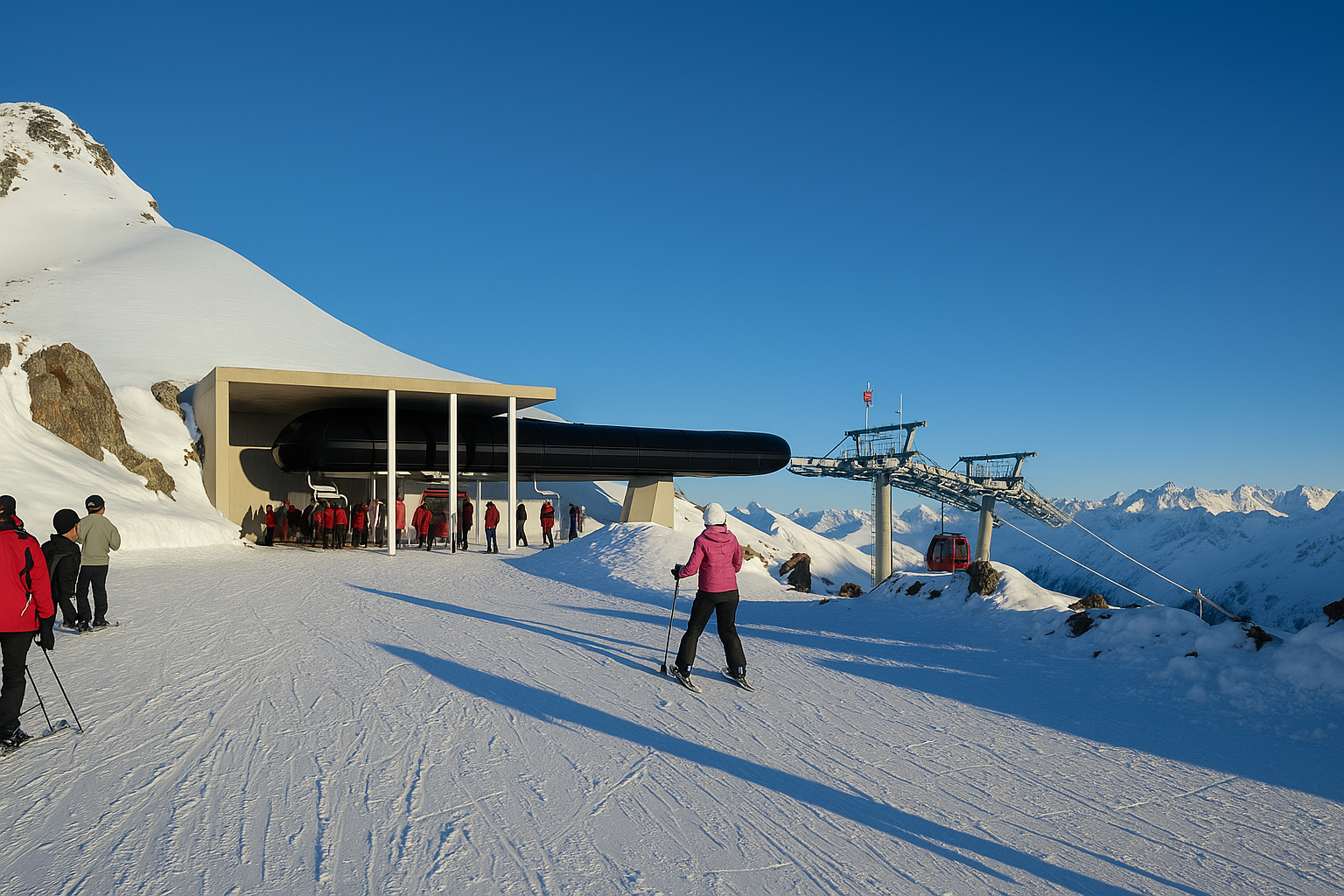
Located in the Austrian Alps, Grasjochbahn Station experiences heavy snowfall, strong winds, and significant temperature changes throughout the year. These conditions require a roofing system that is both lightweight and durable.
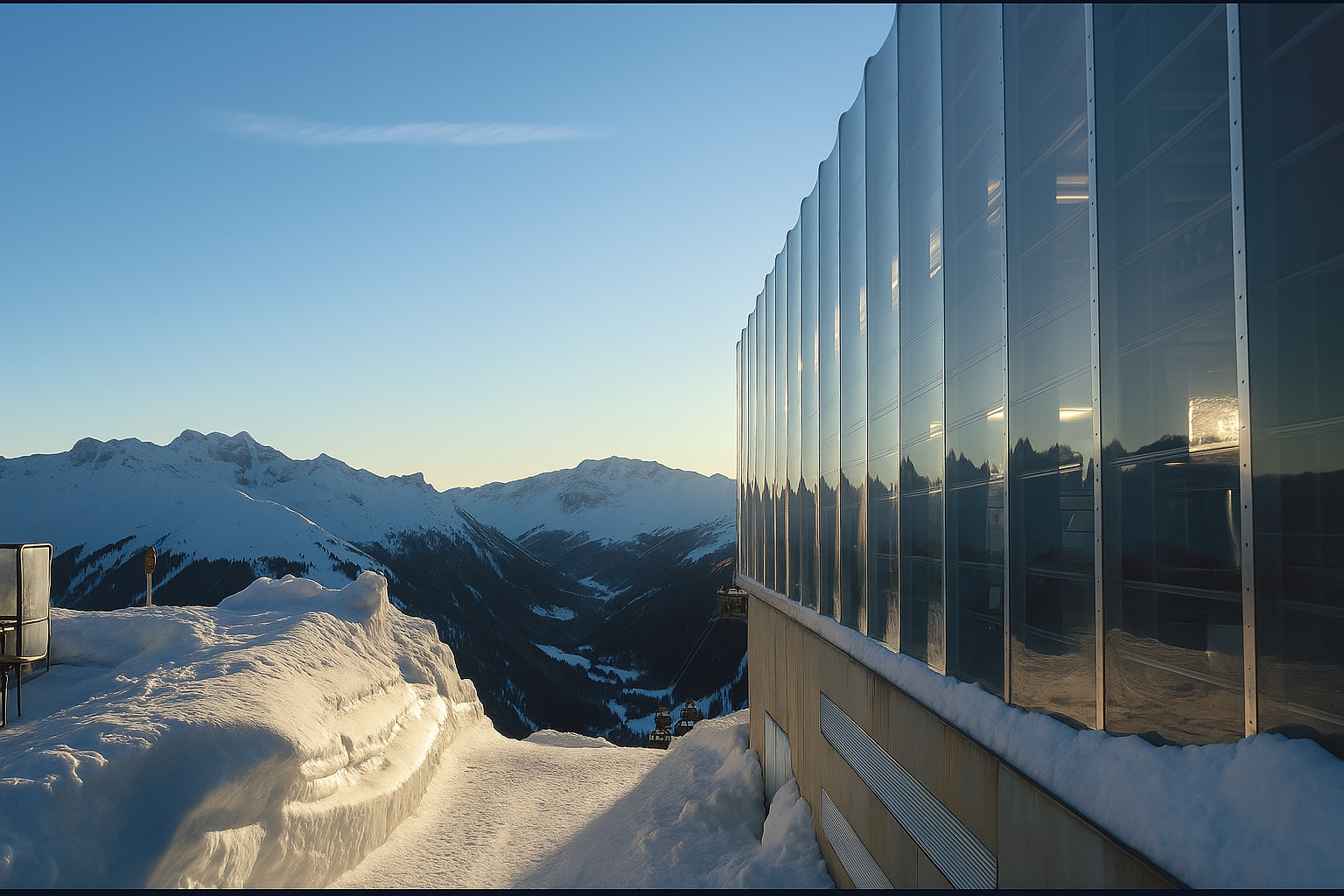
The multi-layer ETFE cushion roof allows daylight to enter the station while protecting passengers from snow, rain, wind, and UV radiation. Compared with traditional glass roofs, ETFE systems reduce the overall load on the supporting structure and simplify the creation of curved roof geometries.
For more information about our ETFE systems, visit our ETFE Solutions page or explore additional transport infrastructure projects.
Lightweight Membrane Structures
ETFE cushions weigh only a fraction of conventional glazing while providing excellent structural performance. Their low weight reduces steel requirements and supports efficient construction.
Transparent Roofing Systems
The transparent membrane creates bright public spaces, reducing the need for artificial lighting during daytime and improving the overall passenger experience.
How Does ETFE Construction Improve Alpine Transport Buildings?
Mountain environments place continuous demands on building envelopes. ETFE cushions maintain their performance despite snow loads, temperature fluctuations, and prolonged UV exposure.
Lightspan worked closely with architects, engineers, and contractors throughout the design, fabrication, and installation process to ensure accurate fitting and reliable long-term performance.
ETFE Cushion Technology
Each cushion consists of several ETFE foil layers maintained by low-pressure air. This creates thermal insulation while keeping the system exceptionally lightweight.
Weather-Resistant Building Envelopes
ETFE surfaces are resistant to corrosion, moisture, and UV degradation. Their smooth surface also helps snow and dirt slide away more easily than many conventional roofing materials.
Why Is ETFE Construction Suitable for Public Infrastructure?
Transport facilities require materials that combine durability with low maintenance. ETFE construction offers long service life while maintaining high light transmission.
At Grasjochbahn Station, the transparent roof creates an open and welcoming environment while supporting energy-efficient building operation through increased daylight availability.
ETFE Architecture for Transport Hubs
ETFE is widely used in railway stations, airports, sports venues, and civic buildings where large column-free spans and natural light are important.
Lightweight Façade Systems
Besides roofing, ETFE can also be used for façades, entrance canopies, atriums, and covered public spaces.
How Does Lightspan Deliver ETFE Construction Projects?
Successful ETFE construction depends on accurate engineering, digital modelling, fabrication, and installation. At Grasjochbahn Station, Lightspan coordinated each project stage to ensure the ETFE cladding system met structural and environmental requirements.
The completed roof provides long-term weather protection, excellent transparency, reduced structural loading, and an inviting space for visitors travelling through the Austrian Alps.
What maintenance does ETFE construction require?
ETFE cushions have self-cleaning properties due to their smooth surface, requiring relatively little maintenance compared with traditional glazing.
Is ETFE construction suitable for cold climates?
Yes. ETFE systems are regularly installed in Alpine regions because they perform well under snow, ice, wind, and changing temperatures.