

ETFE Single Layer: What Is ETFE Single Layer?
ETFE single layer is a façade or roof system made from one layer of ETFE (Ethylene Tetrafluoroethylene) foil stretched across a supporting frame. Unlike multi-layer ETFE cushions, an ETFE single layer system does not rely on air pressure for insulation. It is often selected for lightweight façades, canopies and architectural features where transparency, low weight and daylight are key priorities.
Although the MCH Herning project uses a multi-layer Texlon® ETFE cushion system, it demonstrates why ETFE has become a preferred material for large public buildings.
ETFE Single Layer: What Makes It Different from ETFE Cushions?
Single-layer ETFE is tensioned directly onto a steel or aluminium structure. Multi-layer systems consist of several ETFE foils inflated with low-pressure air to improve thermal performance.
For projects requiring insulation, solar control or large enclosed spaces, multi-layer cushions are often the preferred solution.
ETFE Foil Systems Compared
Both ETFE single layer and cushion systems offer:
- High light transmission
- Low structural weight
- UV resistance
- Long service life
- Reduced maintenance compared with traditional glazing
The right choice depends on the building’s functional requirements.
Transparent Building Envelopes
Architects frequently specify ETFE for stadiums, exhibition centres and atriums where daylight and visual openness are important.
How Does the Texlon® ETFE Façade Work at MCH Herning?
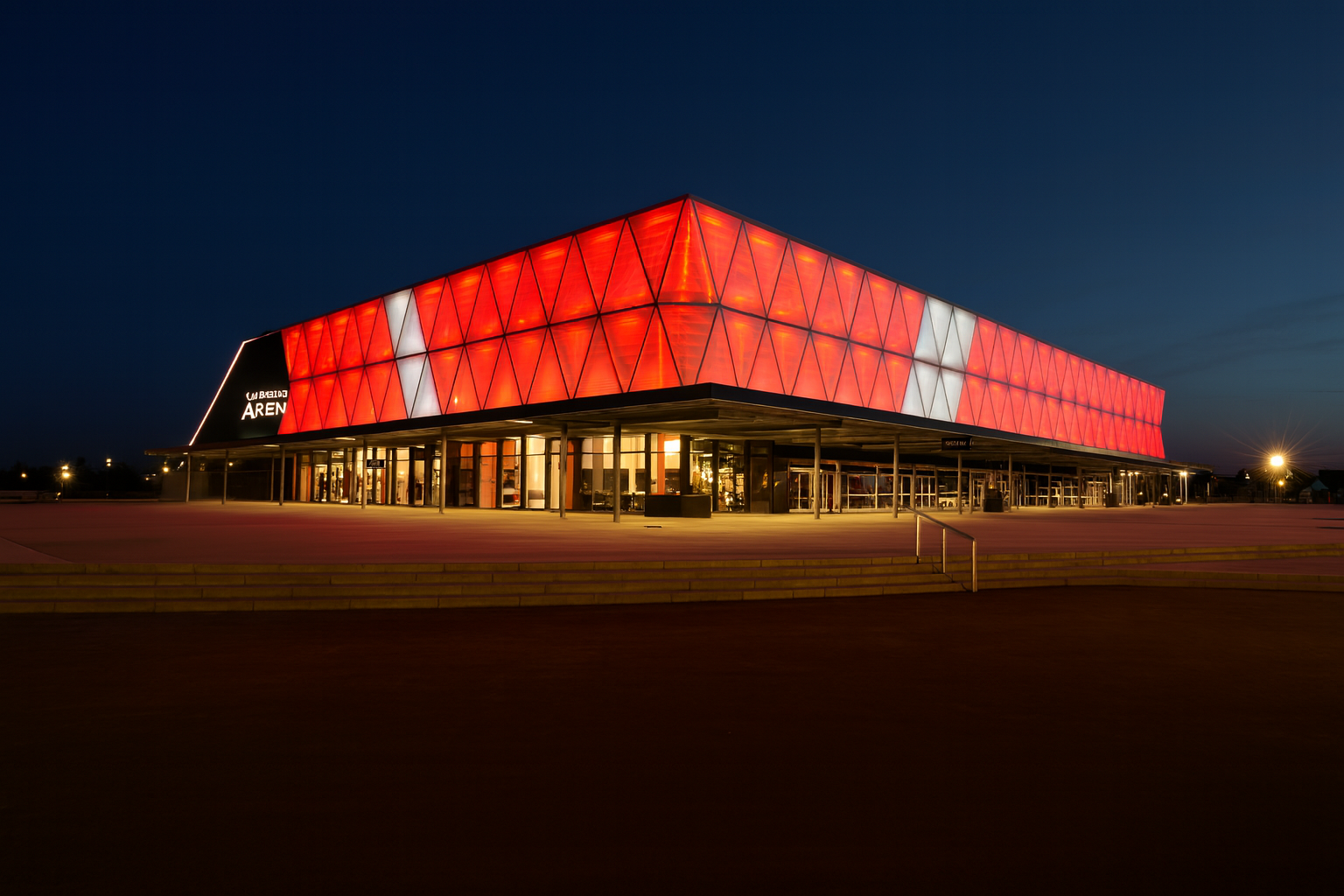
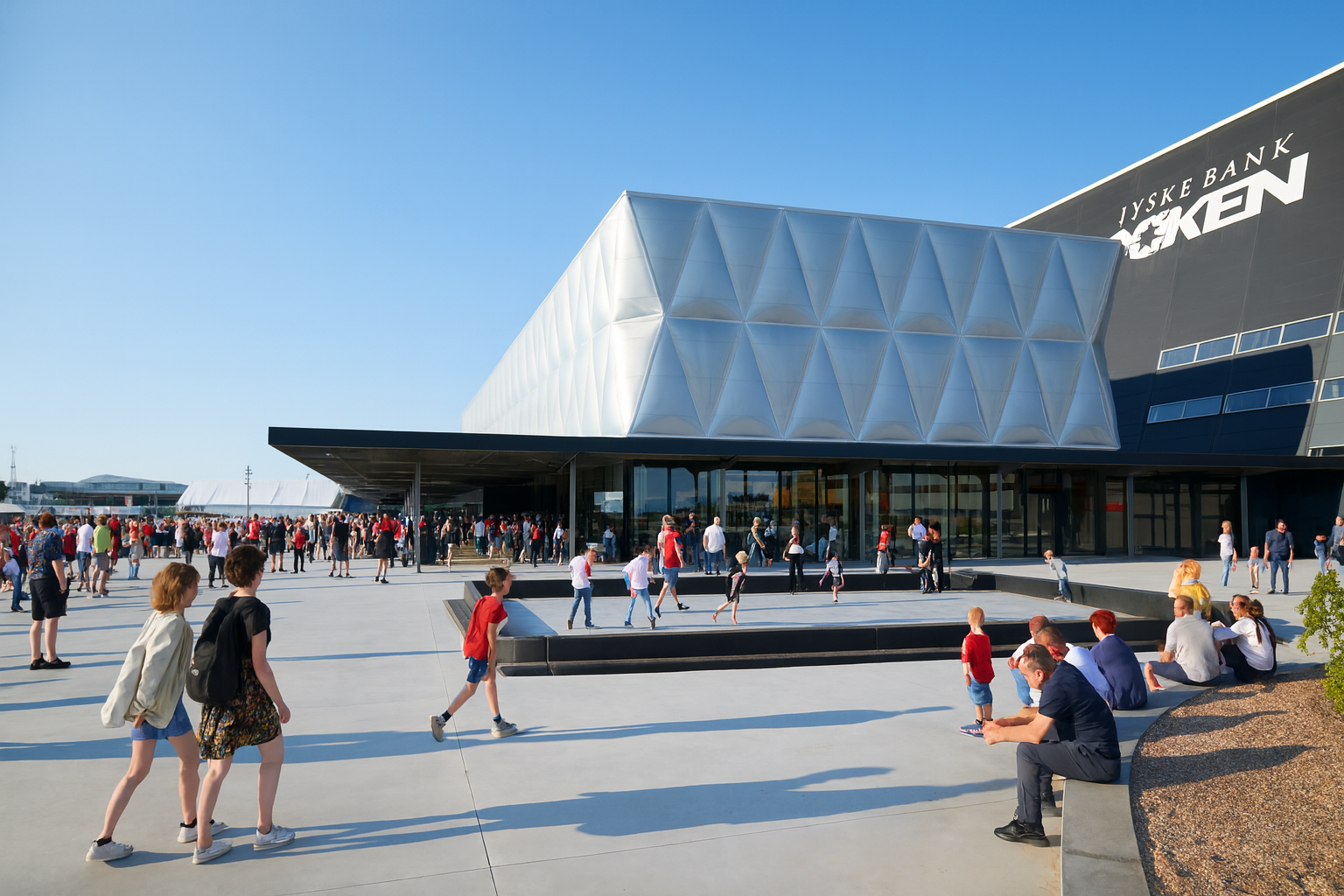
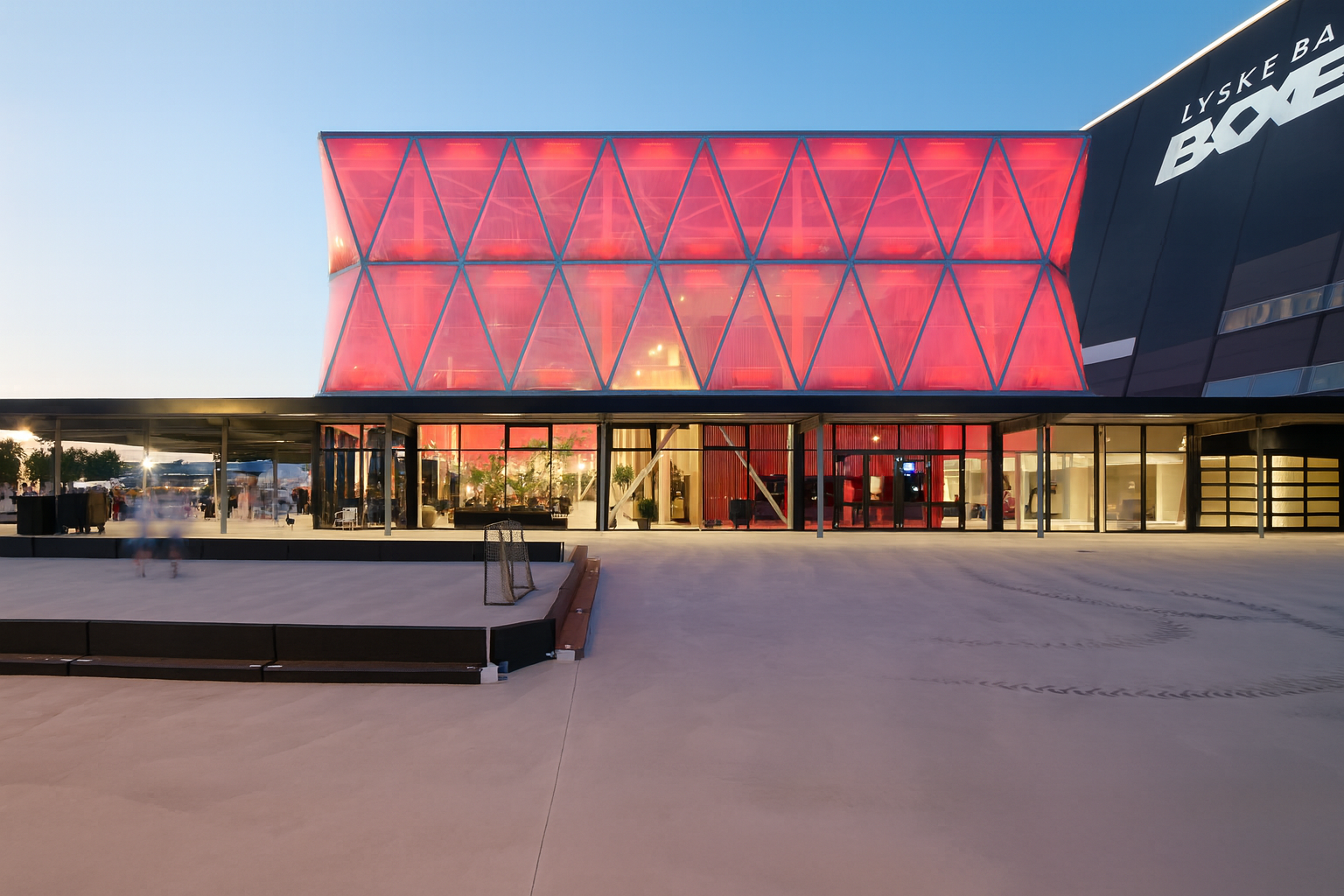
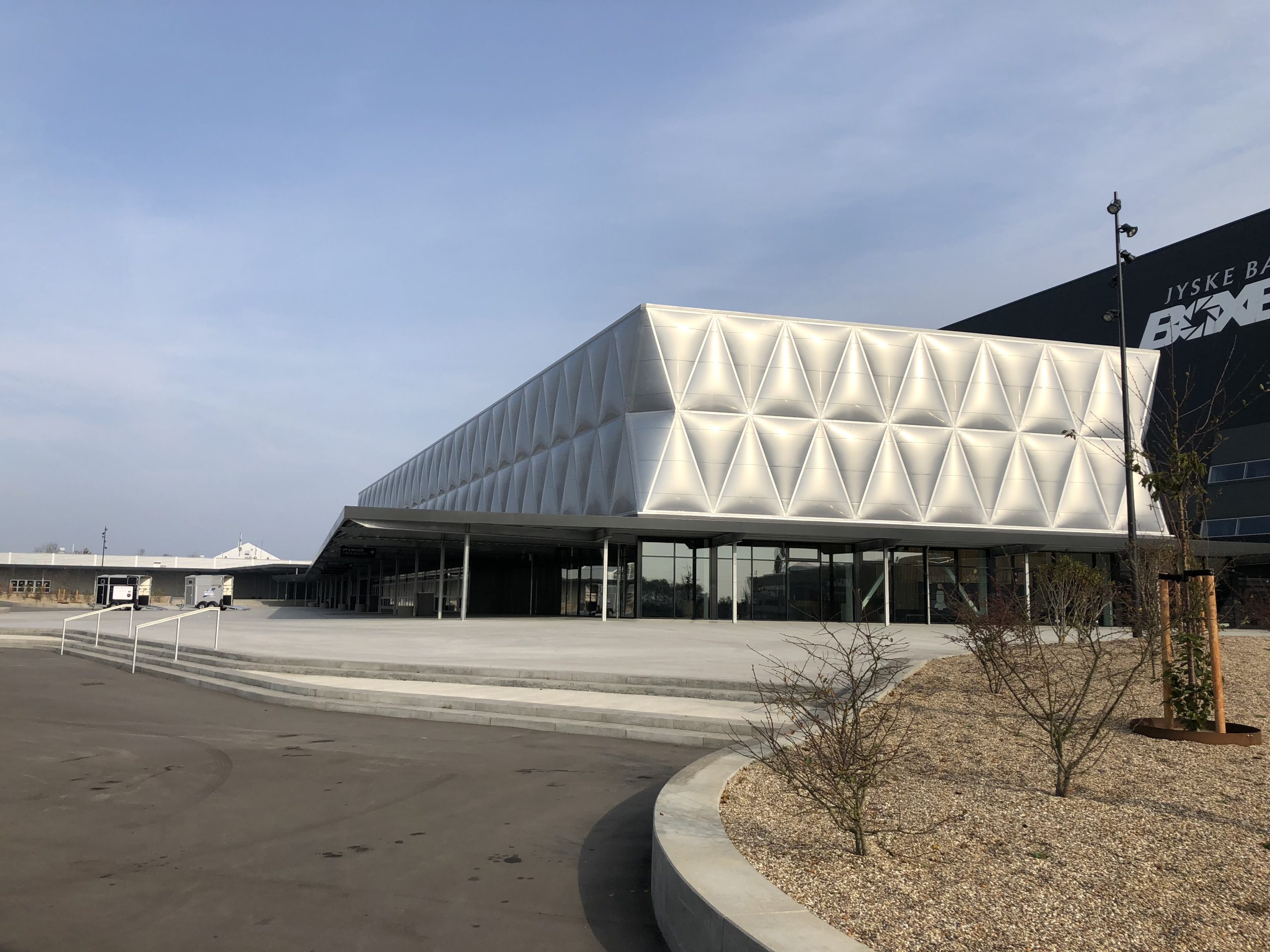
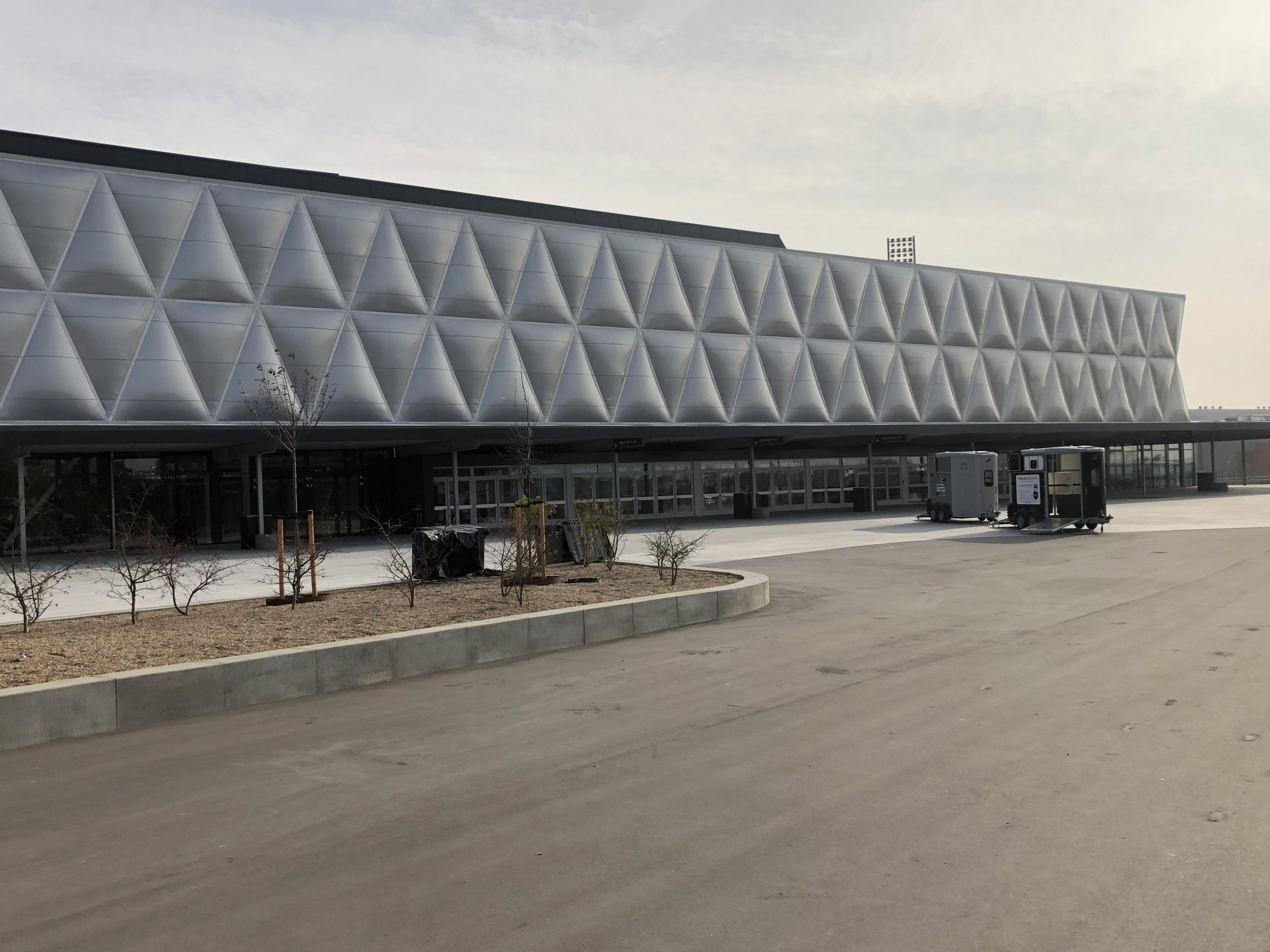
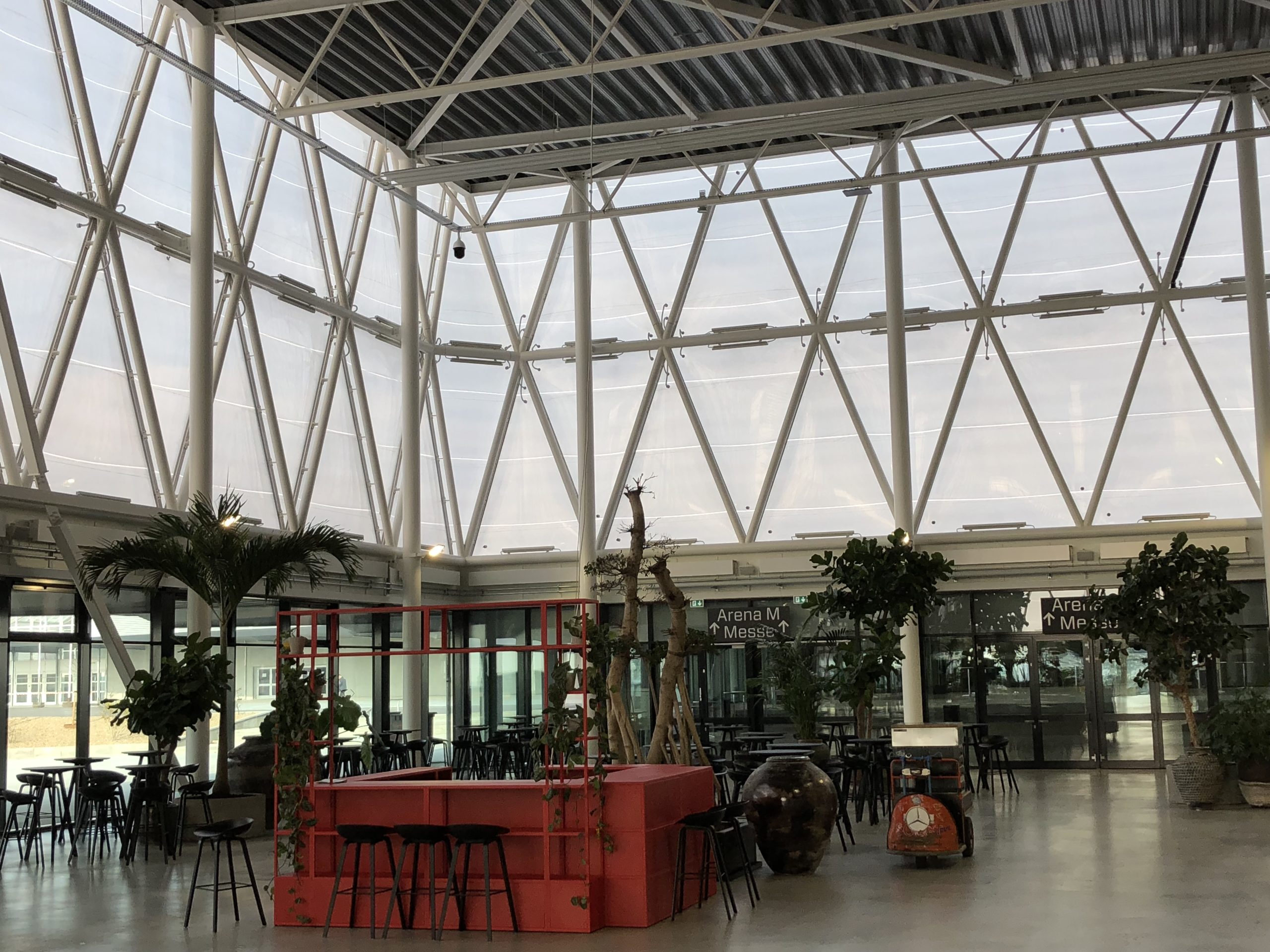
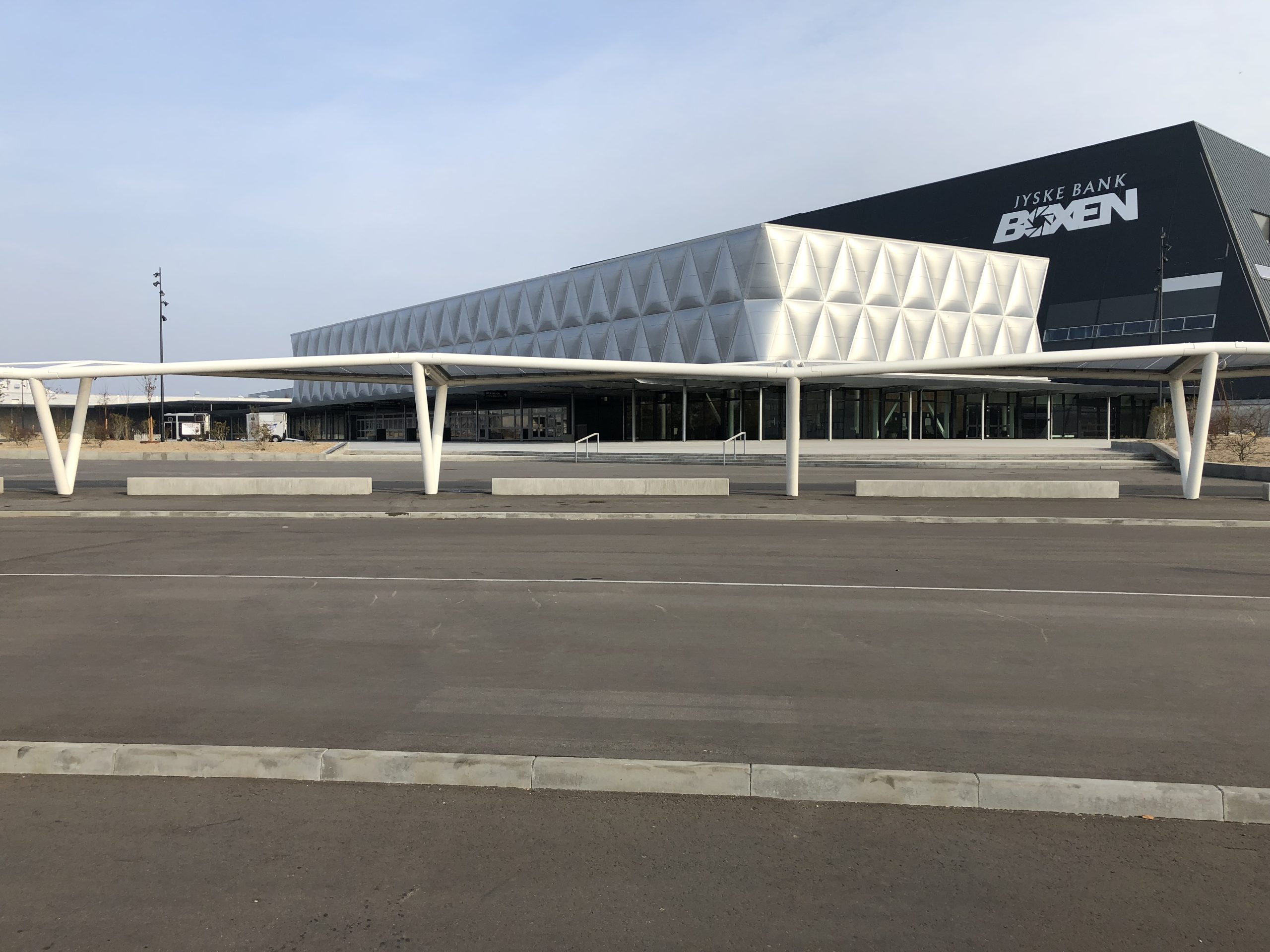
The arrival building at MCH Herning features more than 2,000 m² of Texlon® ETFE façade designed by Cubo Architects. Instead of a single-layer membrane, the project uses 274 triangular four-layer cushions supported by a matching steel framework.
The façade creates a bright entrance while reducing structural weight and enabling rapid installation, completed in just two and a half months.
ETFE Cushion Technology
The multi-layer cushion design improves insulation while maintaining the transparency associated with ETFE architecture.
What Acoustic Benefits Does ETFE Provide?
Besides visual transparency, ETFE can contribute to improved acoustic comfort. At MCH Herning, the exhibition hall achieves reduced sound reflection, creating a more pleasant environment for large crowds than many conventional glass façades.
Why Is Lighting Effective with ETFE Single Layer and Cushion Systems?
ETFE surfaces work exceptionally well with integrated LED lighting.
At MCH Herning, Martin Professional’s Exterior Linear QUAD lighting is incorporated into the steel trusses, allowing the façade to change colour for exhibitions, concerts and sporting events.
Illuminated ETFE Architecture
Because ETFE diffuses light evenly, illuminated façades become visible landmarks without requiring heavy façade materials.
ETFE for Public Buildings
Large venues, airports, sports arenas and exhibition centres increasingly use ETFE where daylight, reduced structural loads and flexible architectural forms are required.
Does ETFE Single Layer Suit Every Project?
No. ETFE single layer works well for open or lightly enclosed structures, while insulated buildings generally benefit from multi-layer ETFE cushion systems such as Texlon®.