
ETFE Pillow: What Is an ETFE Pillow at Khan Shatyr?
What is an ETFE pillow? An ETFE pillow is an inflated cushion made from multiple layers of ETFE (ethylene tetrafluoroethylene) foil. It combines low weight, high light transmission, thermal insulation, and weather resistance, making it a practical alternative to glass for large-span roofs and façades.
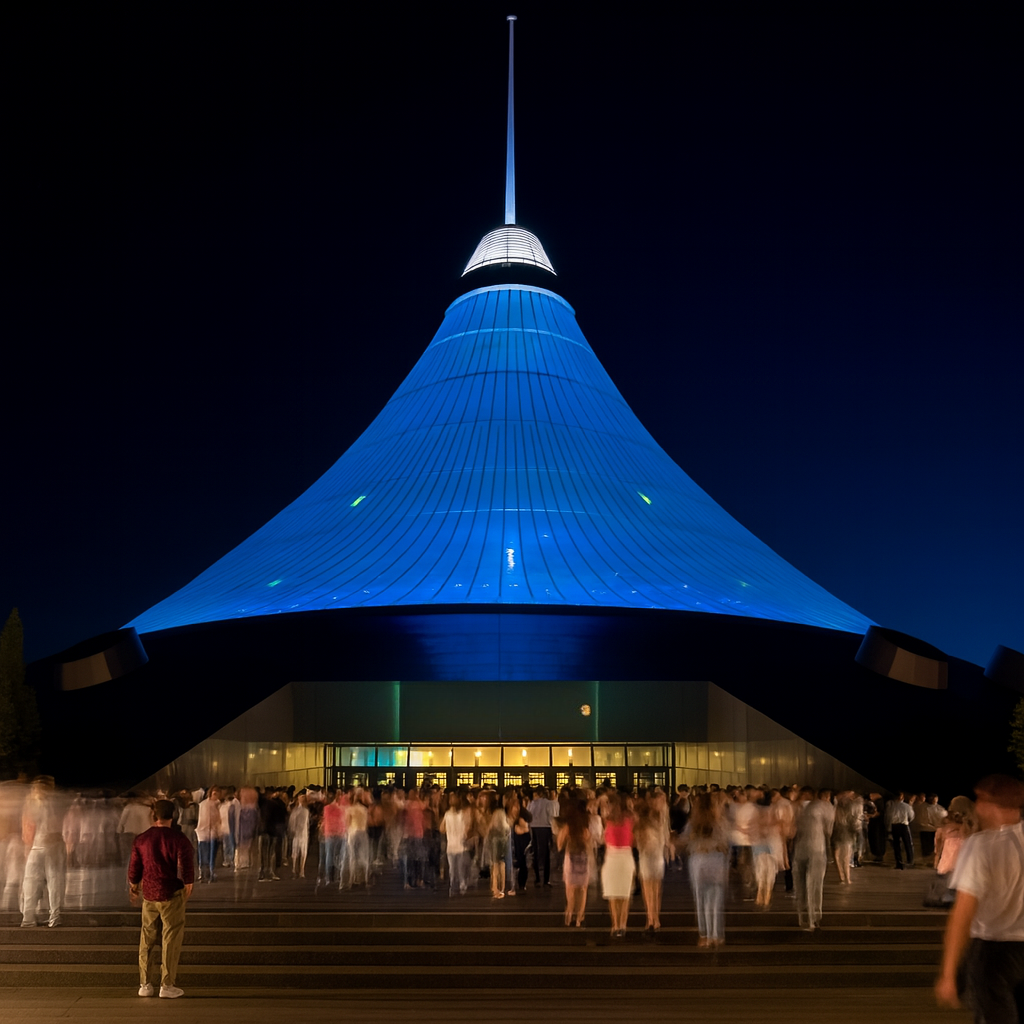
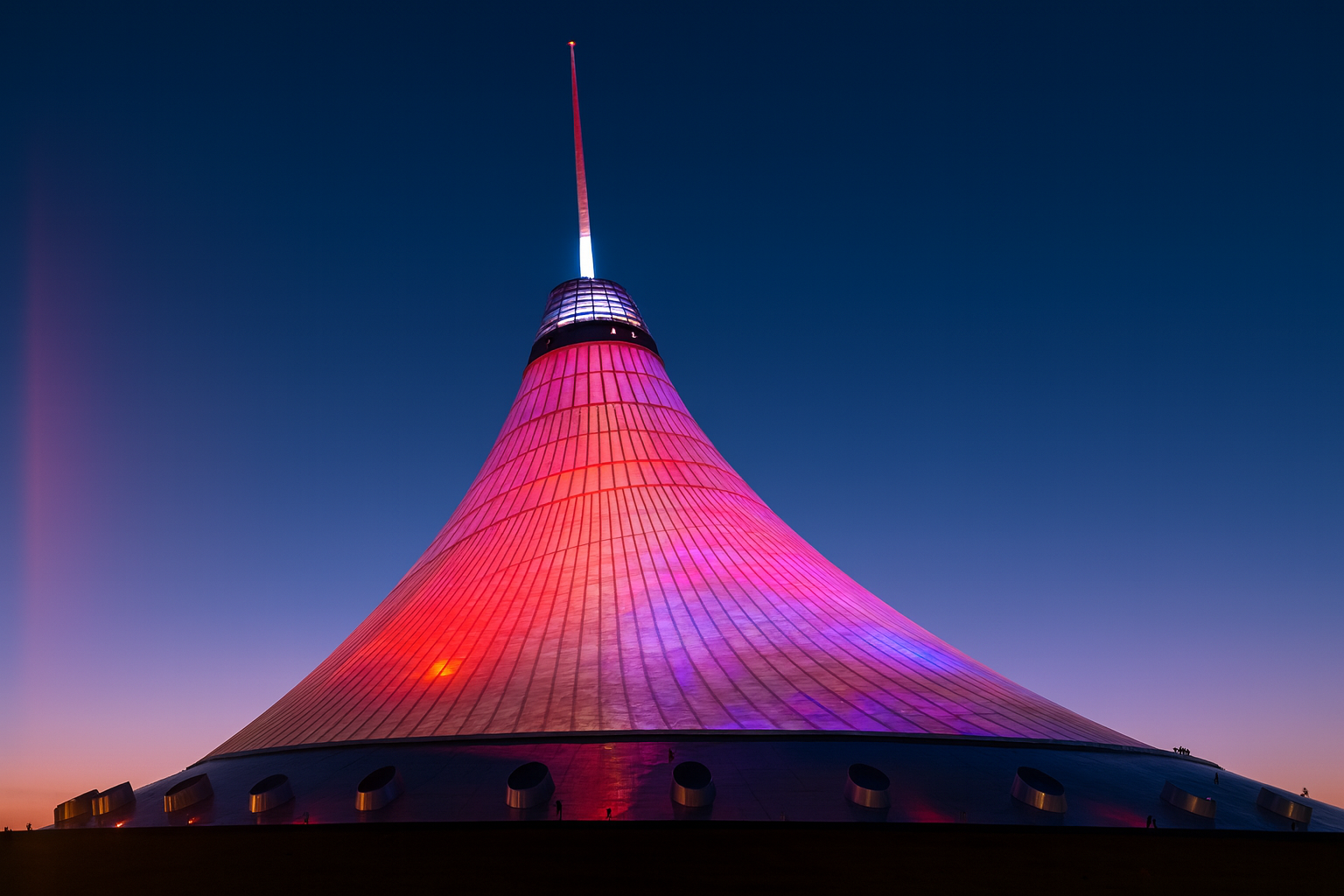
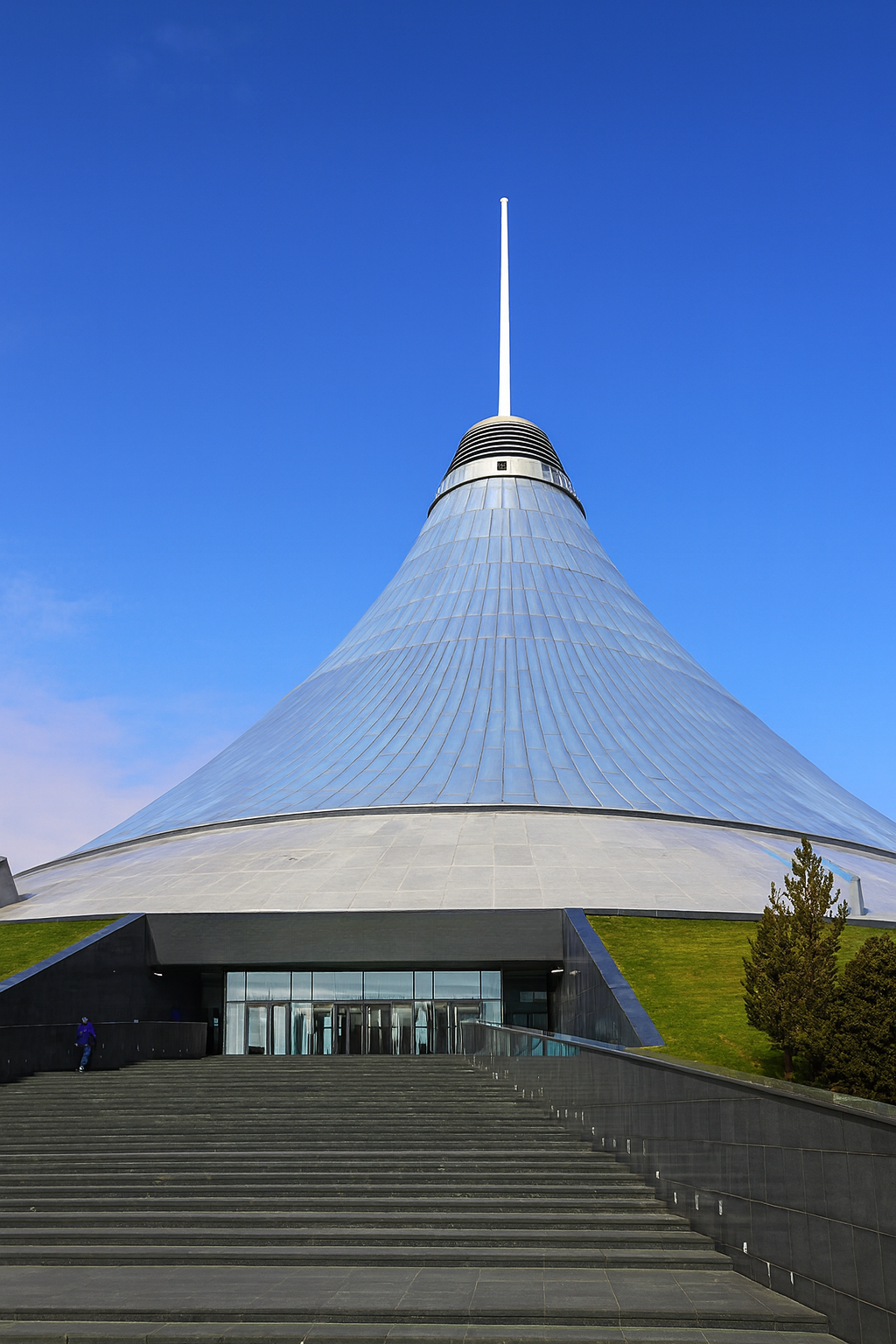
The Khan Shatyr complex in Astana, Kazakhstan, is one of the best-known examples of ETFE architecture. Lightspan supplied the ETFE cushion system that allows the leisure and swimming facility to maintain a comfortable indoor climate despite the city’s extreme seasonal temperatures.
ETFE Pillow: Why Was It Chosen for Khan Shatyr?
The building required a roof covering that could span large areas without adding excessive structural weight. An ETFE pillow provides this balance by using air pressure to maintain its shape while remaining significantly lighter than conventional glazing.
Natural daylight enters the building, reducing dependence on artificial lighting and creating bright indoor spaces throughout the year.
ETFE Cushion System
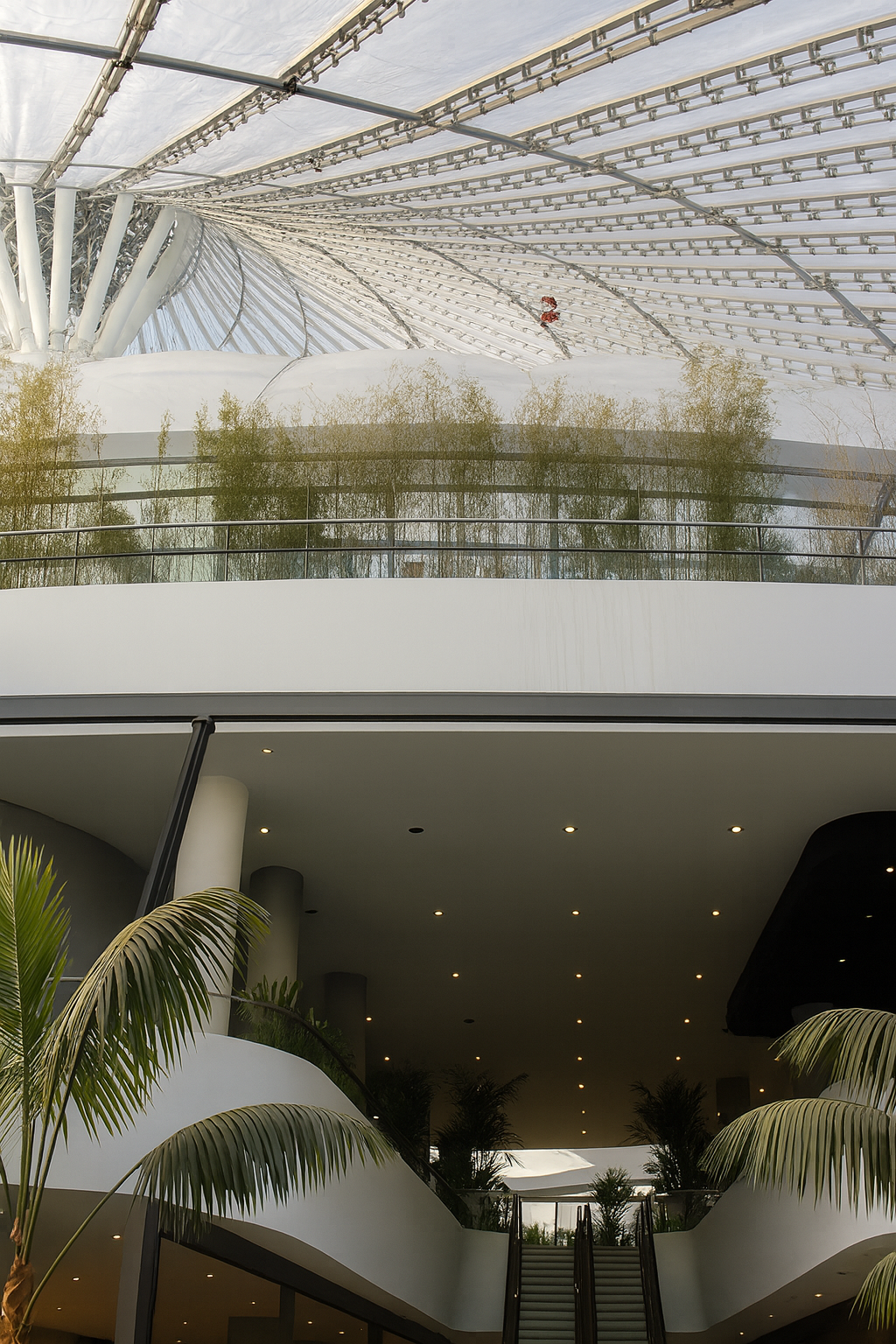
The roof consists of multiple inflated ETFE layers that improve insulation while maintaining transparency. The air-filled construction also helps distribute loads efficiently.
Inflated ETFE Roof Technology
Unlike rigid glass panels, ETFE cushions can adapt to temperature changes and resist wind and snow loads with minimal maintenance.
ETFE Pillow: How Does It Improve Comfort?
Inside the swimming and leisure complex, the ETFE pillow system helps regulate solar gain and indoor temperatures. Visitors experience a warm, tropical atmosphere even during Astana’s cold winters.
Thermal Insulation and Daylight
The cushion design reduces heat loss while allowing abundant natural light, creating a pleasant environment for swimming, recreation, and public events.
Lightweight Building Envelope
Because ETFE weighs only a fraction of glass, architects can design larger roof spans with reduced structural requirements.
ETFE Pillow: Why Is It Used in Modern Architecture?
Architects select ETFE pillows for stadiums, botanical gardens, airports, and leisure facilities because they combine transparency, flexibility, and long service life.
ETFE Façade and Roof Applications
Projects such as Khan Shatyr demonstrate how ETFE technology supports complex architectural forms while improving energy performance and visitor comfort.
ETFE Pillow: Where Can You Learn More?
Lightspan continues to apply ETFE cushion technology to international projects where lightweight construction and daylight performance are essential. Learn more about our ETFE solutions, architectural façades, and roof systems throughout our website.
What makes an ETFE pillow different from glass?
An ETFE pillow is lighter, uses air-filled cushions for insulation, and allows excellent daylight transmission while reducing structural loads.
Can an ETFE pillow withstand harsh weather?
Yes. ETFE cushions are designed to resist UV exposure, wind, snow, and temperature extremes.