


ETFE Panels for Modern Architectural Design
What is ETFE panels? ETFE panels are lightweight building systems made from ethylene tetrafluoroethylene, a durable fluoropolymer widely used for transparent roofs, façades, skylights, and large-span structures. Compared with conventional glass, ETFE panels reduce structural weight while allowing high levels of natural daylight, making them a practical solution for contemporary architecture.
Why are ETFE panels used in modern buildings?
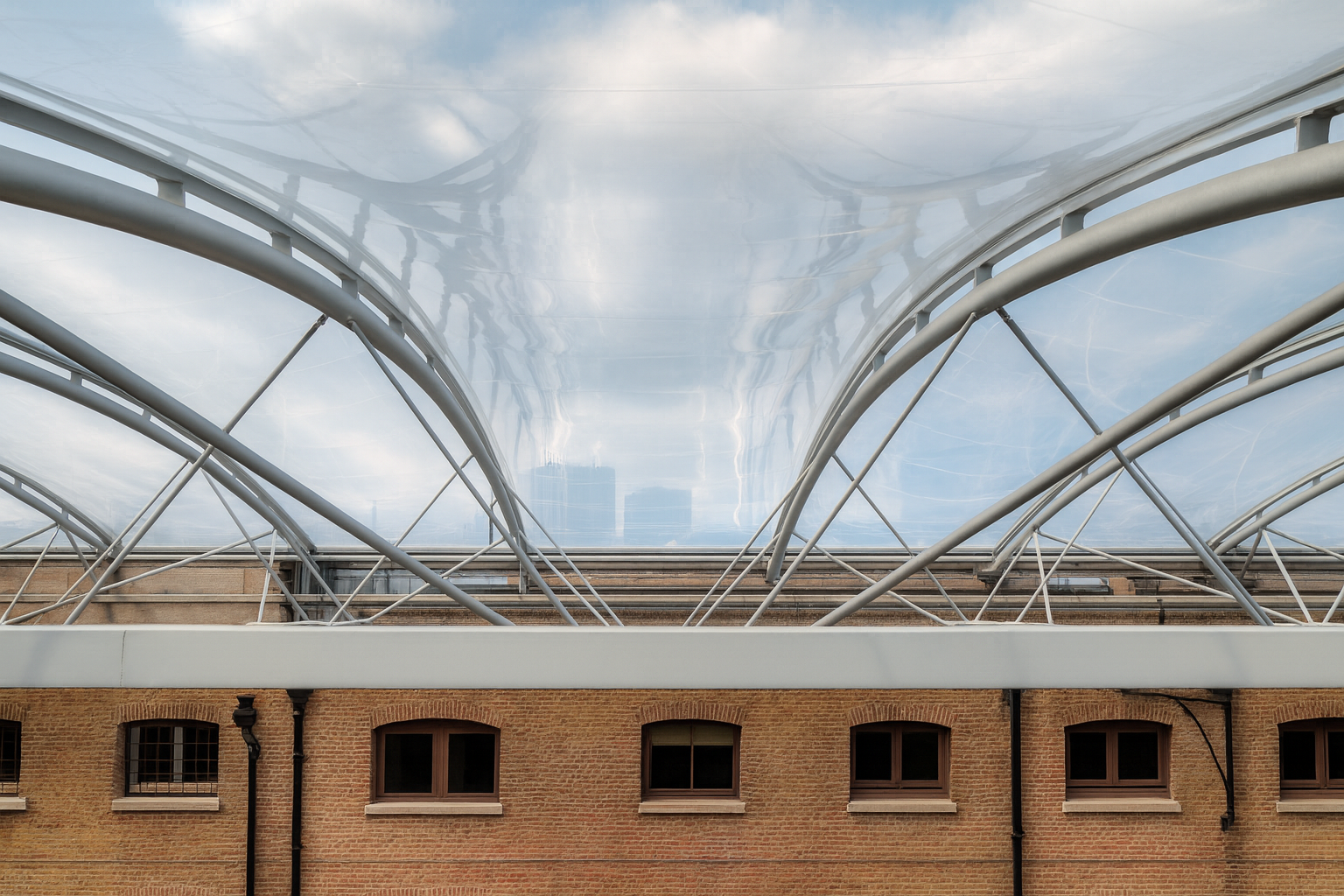
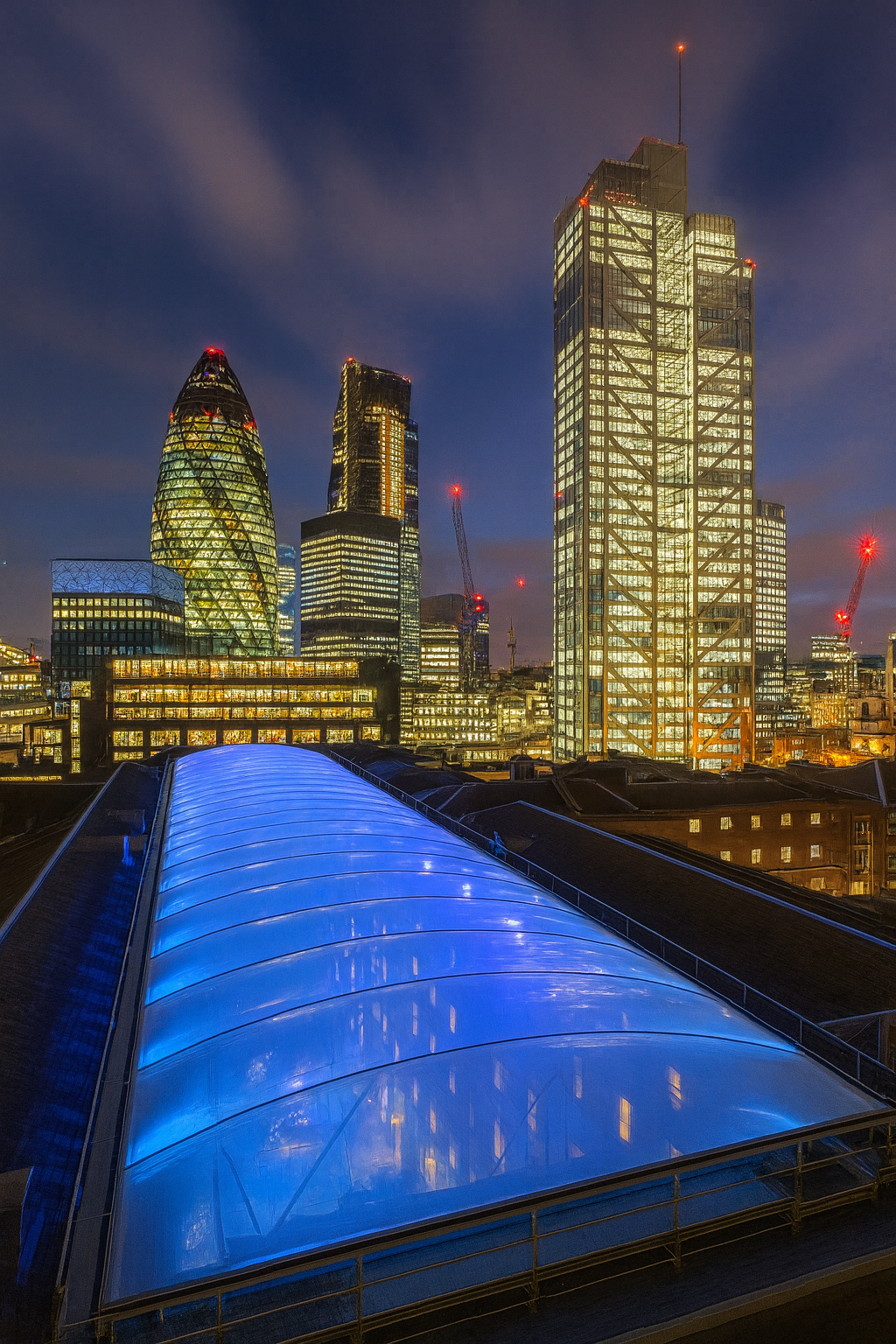
London Devonshire Place EC2 has become a reference point for forward-looking building design by combining lightweight construction with transparent building envelopes. The project demonstrates how ETFE technology can improve daylight, reduce structural loads, and create open architectural spaces without compromising performance.
The ETFE cushion system supplied by Lightspan forms an essential part of the building envelope. Multiple layers of ETFE foil are inflated with low-pressure air to create insulated cushions that are both lightweight and durable. This approach allows architects to design large clear spans that would require considerably heavier support structures if built with glass.
ETFE cushion systems and transparent façades
ETFE cushion systems are commonly used for stadium roofs, atriums, transport hubs, shopping centres, and commercial developments. Their flexibility enables curved and free-form designs while maintaining excellent light transmission.
ETFE roofing compared with glass
Glass remains a suitable solution for many buildings, but ETFE panels weigh only a fraction of traditional glazing. This reduces the amount of steel required for supporting structures and can simplify installation on large-span projects.
How do ETFE panels improve building performance?
Besides providing transparency, ETFE panels contribute to indoor comfort throughout the year. Printed patterns and multi-layer cushion systems help manage solar gain while maintaining daylight levels. The material is resistant to UV radiation, corrosion, and weathering, requiring relatively little maintenance over its service life.
Lightspan’s installation at London Devonshire Place EC2 demonstrates how ETFE systems combine structural efficiency with practical building performance.
Energy efficiency and daylight control
Natural daylight reduces the need for artificial lighting during daytime hours. Depending on the cushion design and printed frit patterns, ETFE systems can also limit overheating during warmer months.
Durability and maintenance
ETFE has a smooth surface that naturally sheds dirt during rainfall, reducing cleaning requirements compared with many traditional façade materials.
Where are ETFE panels commonly installed?
Today, ETFE panels are used across many sectors, including commercial offices, sports venues, airports, educational facilities, botanical gardens, and public buildings. Their combination of low weight and design flexibility makes them suitable for both new construction and refurbishment projects.
Lightweight roofing solutions
Architects frequently select ETFE roofing where large column-free spaces are required without adding unnecessary structural weight.
Building envelope materials
As part of a complete façade system, ETFE provides transparency while supporting energy-conscious building design.
Are ETFE panels suitable for sustainable construction?
Although ETFE is a synthetic material, its low weight reduces transport demands, while its durability and long service life contribute to lower lifecycle impacts. The ability to maximise daylight and reduce structural materials also supports more resource-efficient building design.
London Devonshire Place EC2 illustrates how ETFE technology can be integrated into urban architecture to balance aesthetics, functionality, and environmental considerations.
How long do ETFE panels last?
Properly designed ETFE panels can remain in service for several decades while retaining their transparency and mechanical performance.
Can ETFE panels replace glass?
For many roofs, atriums, and façades, ETFE panels offer a practical alternative to glass. Material selection depends on structural requirements, thermal performance, and architectural objectives.