
ETFE at Hayward Field: What Is ETFE and Why Is It Used?
ETFE (ethylene tetrafluoroethylene) is a lightweight fluoropolymer commonly used in stadium roofs, facades, and large-span architectural structures. Known for its transparency, durability, and low weight, ETFE allows architects to create visually striking buildings while reducing structural demands.
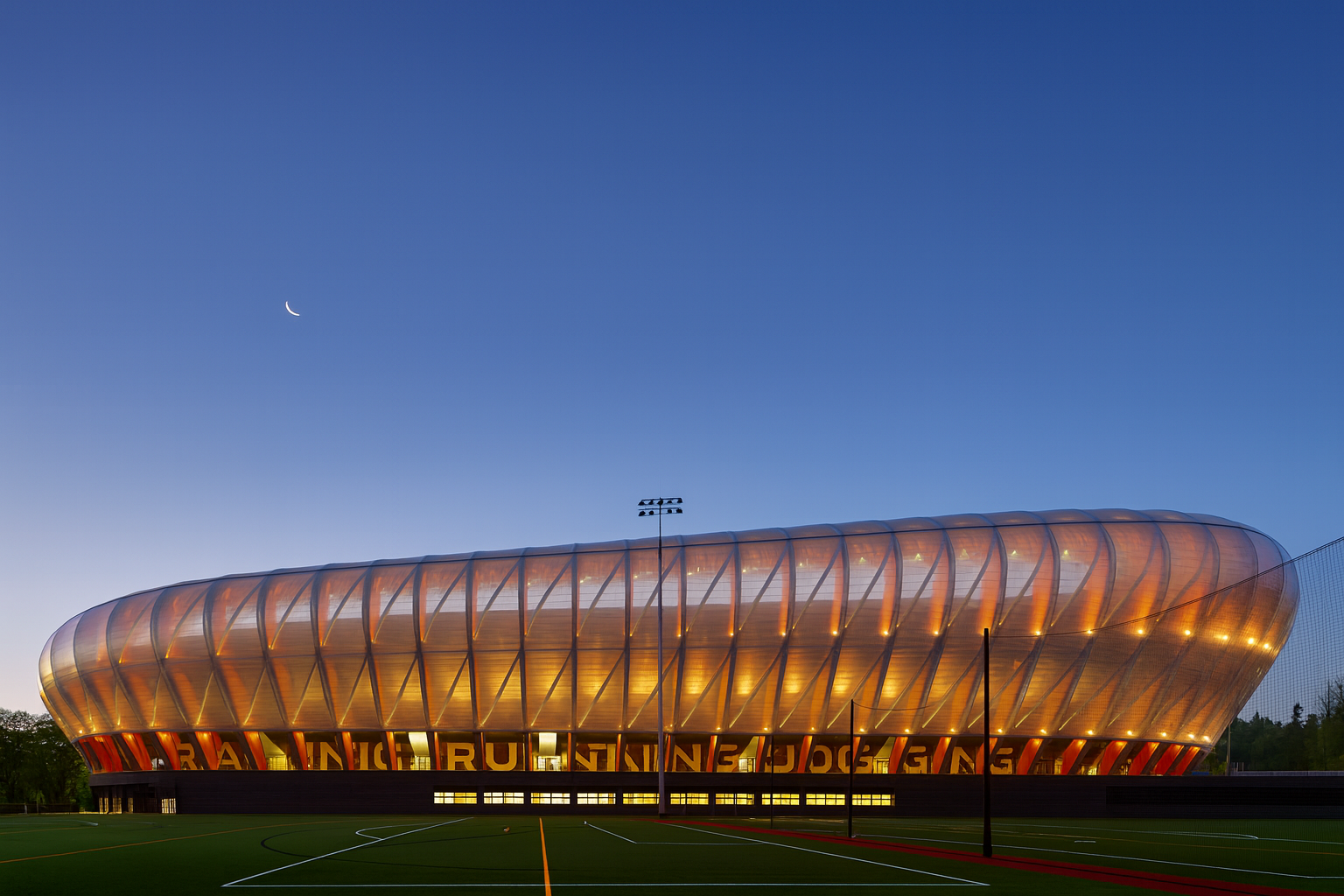
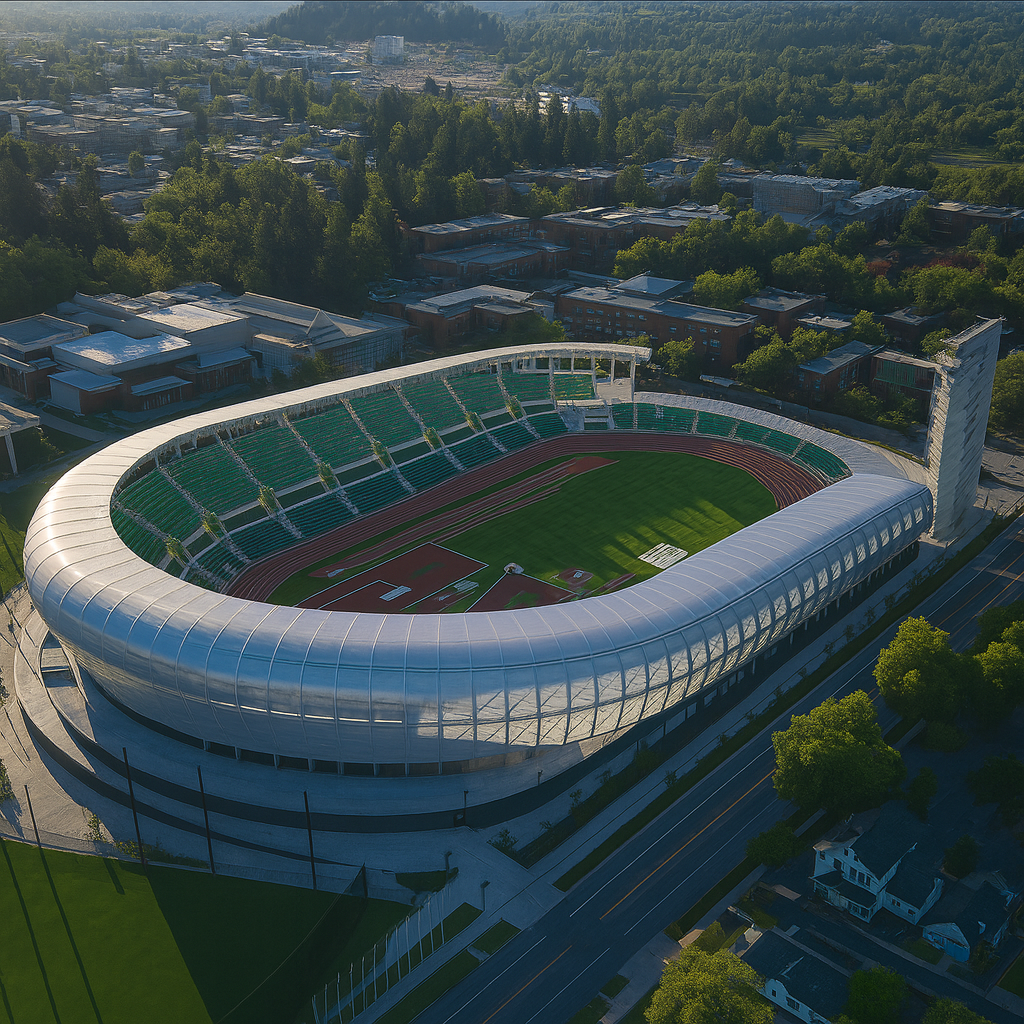
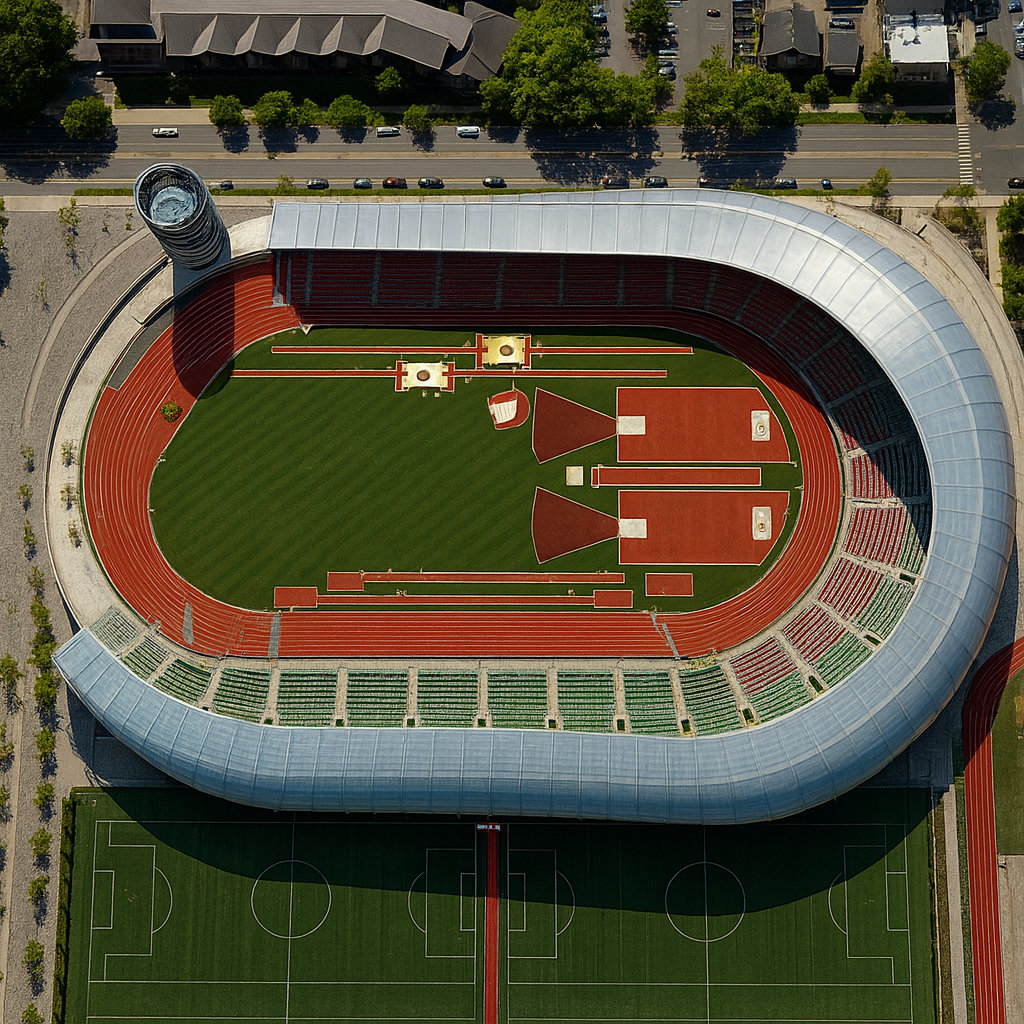
Hayward Field in Eugene, Oregon, demonstrates how ETFE can transform a world-class sports venue. The redevelopment of this iconic athletics stadium combines engineering precision, natural light, and long-term performance to create a venue designed for both athletes and spectators.
What Is ETFE and Why Was ETFE Selected for Hayward Field?
The Oregon Eugene Hayward Field project required a roofing solution capable of covering large areas while maintaining visibility, comfort, and structural efficiency.
Lightspan designed and delivered the ETFE roof system, enabling the stadium to achieve an open and bright atmosphere without the weight associated with traditional roofing materials.
ETFE Roofing Systems for Large Sports Venues
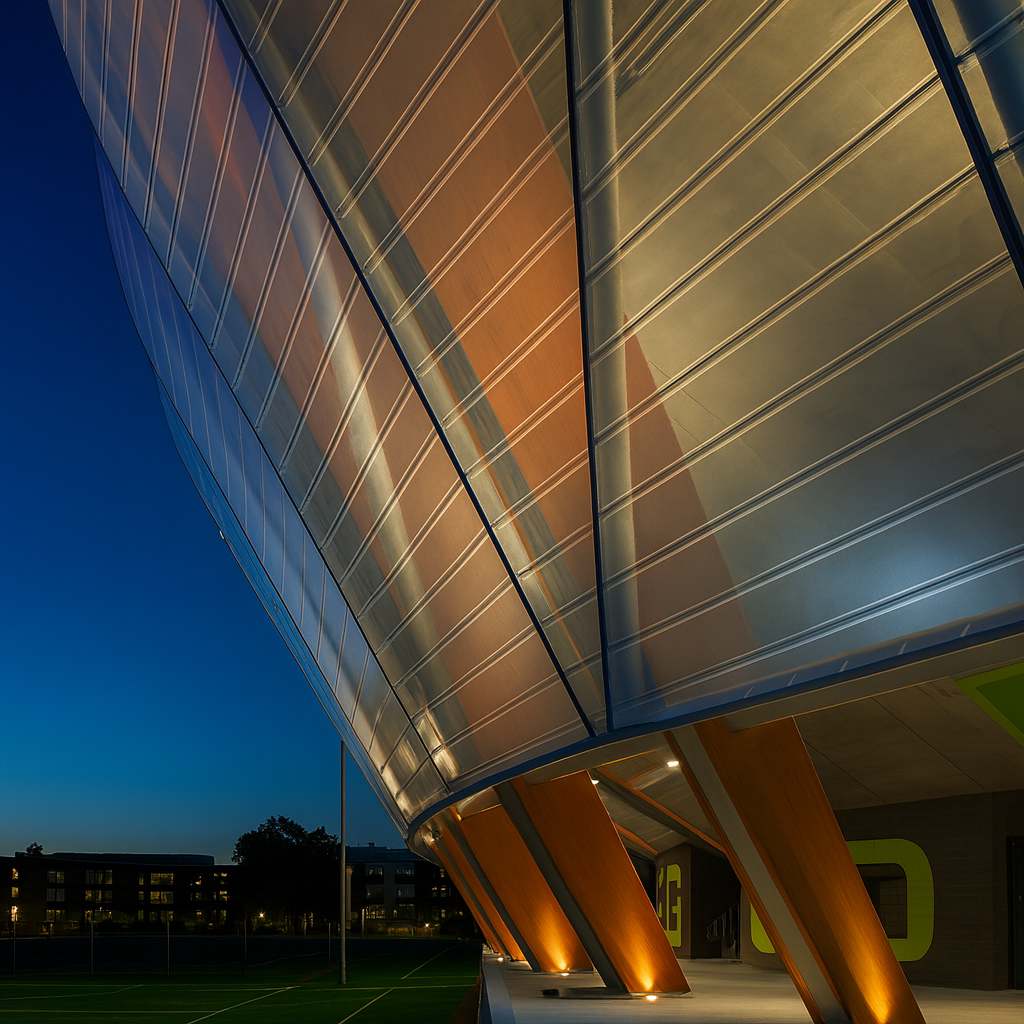
ETFE cushions consist of multiple layers of membrane inflated with low-pressure air. This construction creates a lightweight roof structure that can span large distances while remaining resistant to weather and environmental stress.
Transparent Building Materials and Natural Daylight
One of the main advantages of ETFE is its high light transmission. Natural daylight reaches the seating areas and track surface, reducing dependence on artificial lighting during daytime events.
How Does ETFE Improve Comfort and Energy Efficiency?
The ETFE system at Hayward Field contributes to spectator comfort and operational efficiency throughout the year.
Solar Control and Climate Regulation
ETFE cushions can be engineered to manage solar gain, helping regulate temperatures within covered spaces. This supports comfortable conditions during competitions and public events.
Lightweight Architectural Membranes and Reduced Energy Demand
Because ETFE is significantly lighter than glass, supporting structures often require less material. This can reduce construction loads while supporting energy-conscious building strategies.
Why Is ETFE Becoming Popular in Stadium Design?
Architects increasingly use ETFE in sports venues, airports, and public buildings because it combines flexibility, transparency, and longevity.
ETFE Compared with Glass Roofing
While glass remains common in architecture, ETFE offers lower weight, greater design flexibility, and easier installation for many large-span projects.
Membrane Architecture and Future Sports Facilities
Projects such as Hayward Field illustrate how membrane architecture can create memorable spectator experiences while supporting evolving building standards.
How Does the Hayward Field ETFE Project Set a Benchmark?
Hayward Field demonstrates how historical sporting venues can be updated using modern building materials without losing their identity. The ETFE roof is more than an architectural feature; it supports performance, comfort, and visual impact on an international stage.
For more information about ETFE systems and building envelopes, visit the internal resources on stadium roofing solutions and architectural facade systems. Additional technical information can be found through the ETFE Technical Association and the American Institute of Architects (AIA).
What Are the Main Benefits of ETFE?
Is ETFE Durable for Long-Term Use?
Yes. ETFE is resistant to UV radiation, weather exposure, and environmental aging, making it suitable for long-life building applications.
Can ETFE Reduce Building Weight?
Yes. ETFE structures are considerably lighter than comparable glass systems, helping reduce structural requirements.