
ETFE Roofing at Sandton City Johannesburg
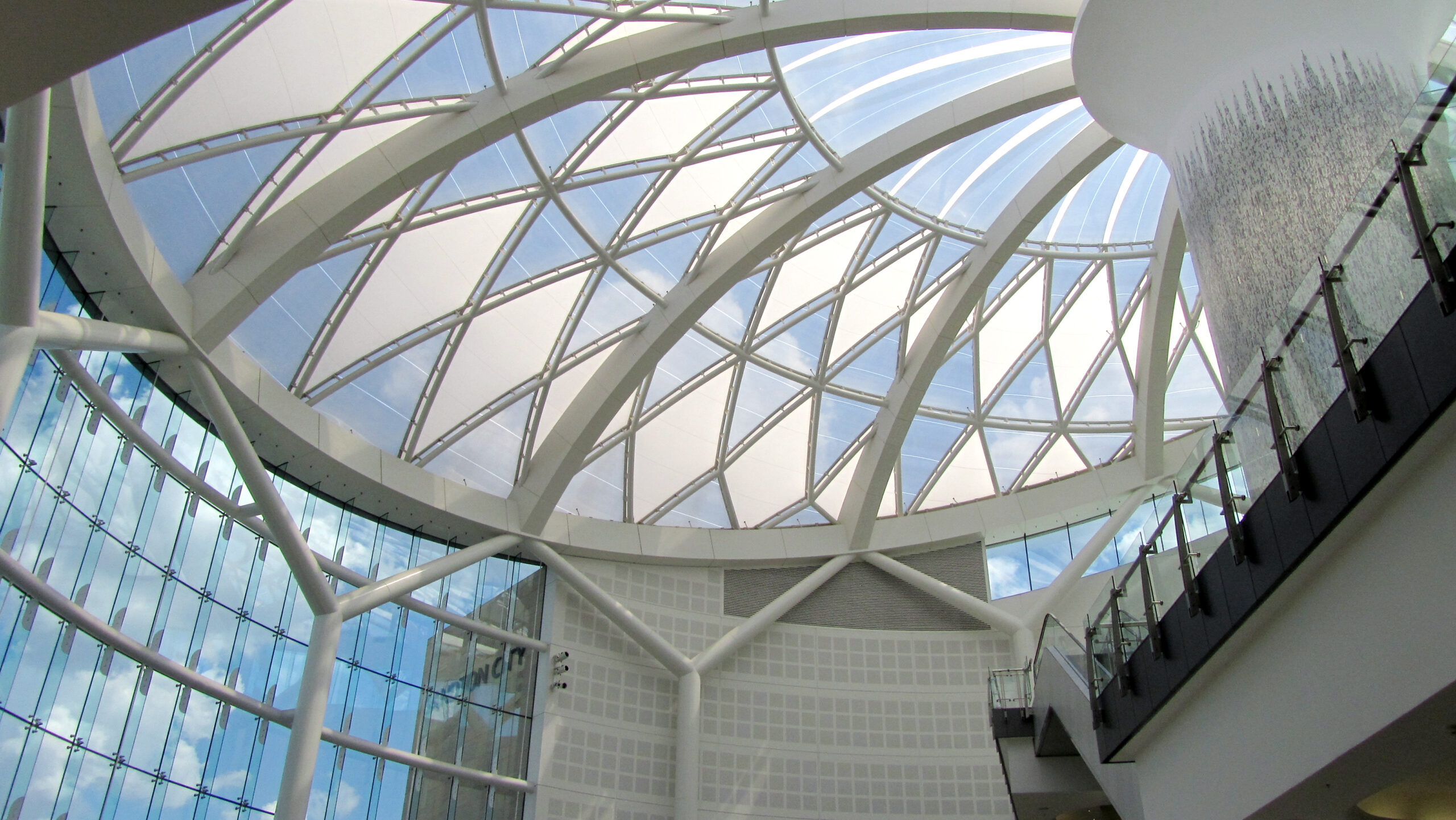
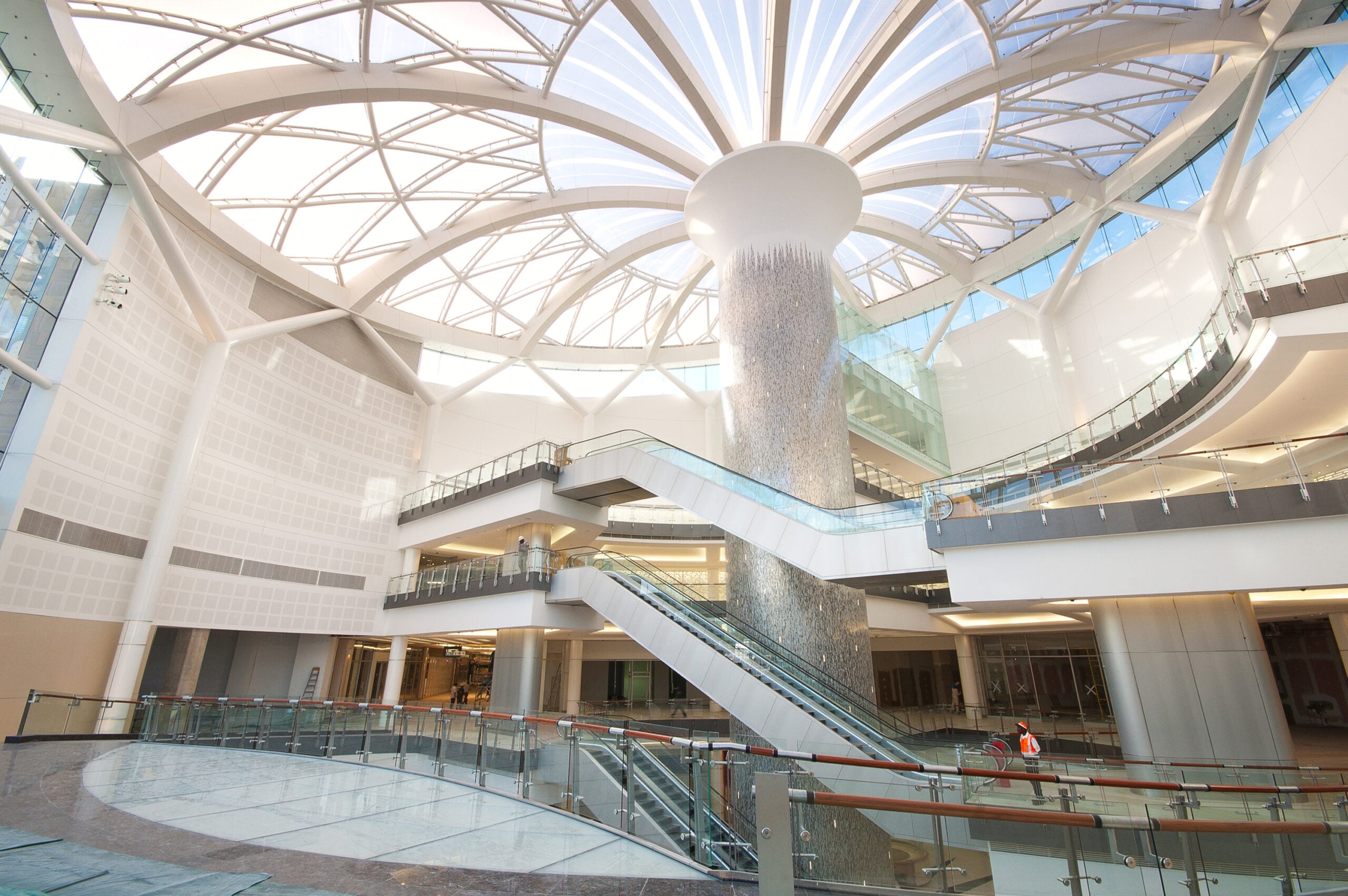
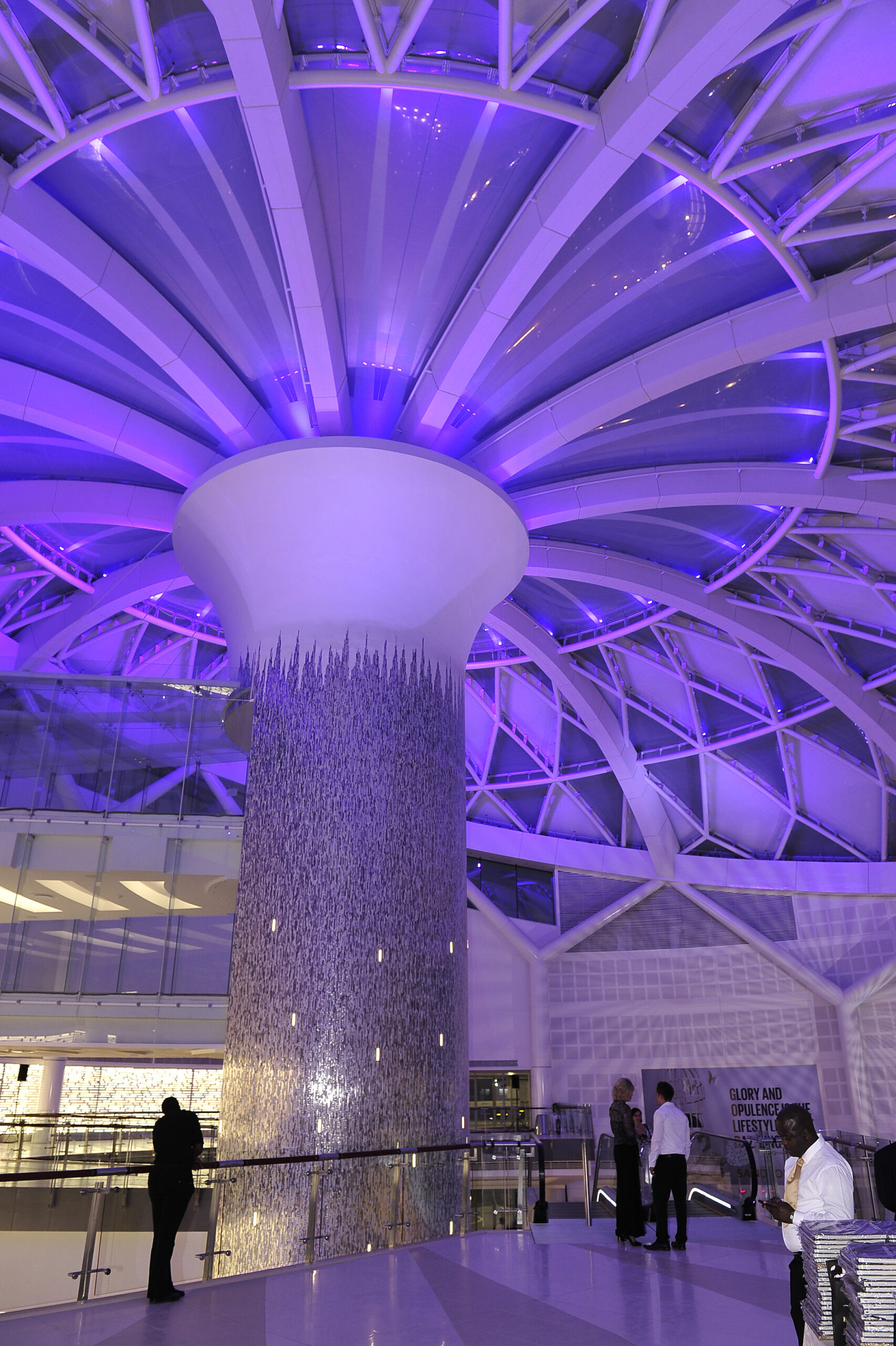
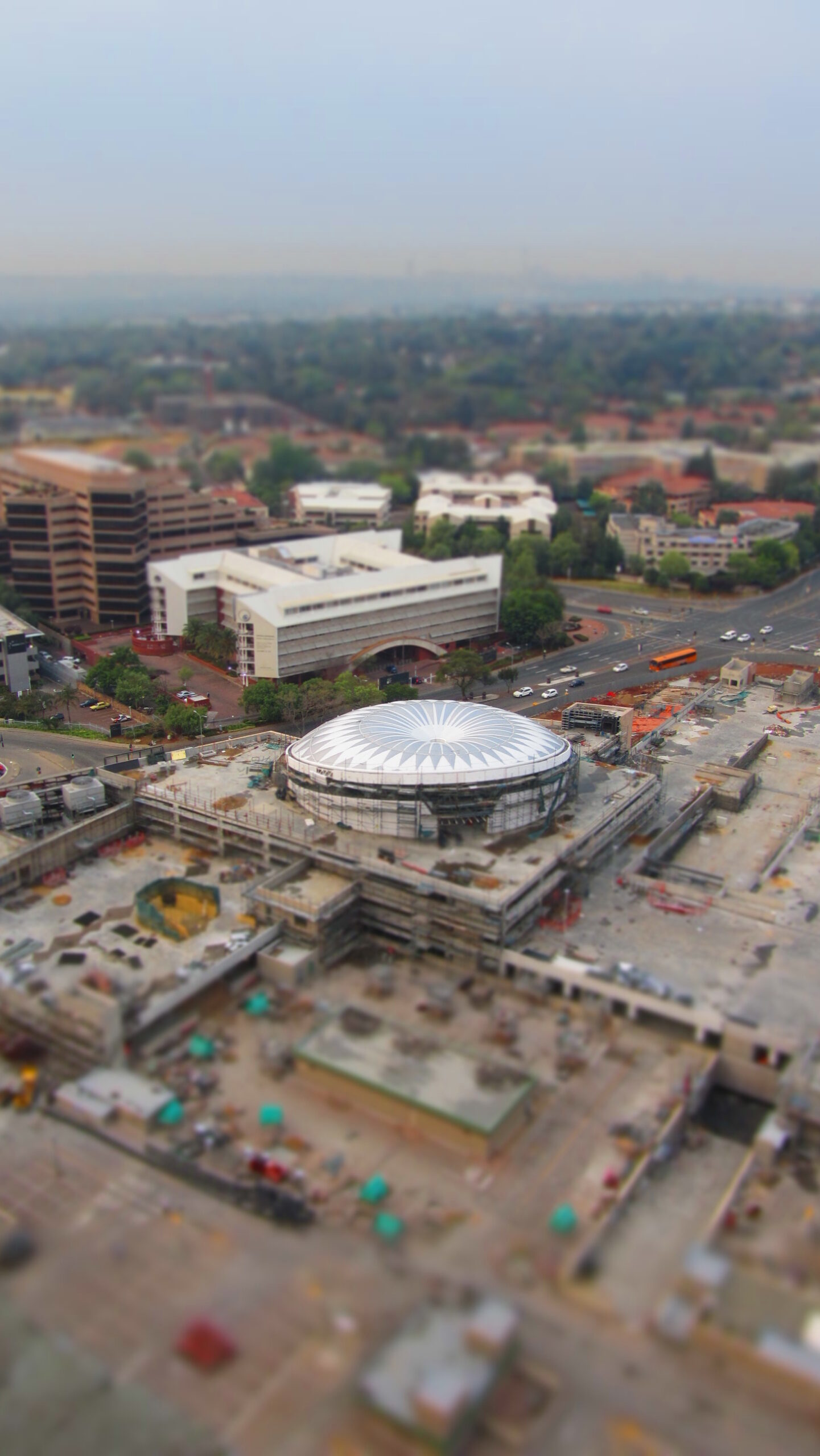
The Lightspan Sandton City project in Johannesburg, South Africa, demonstrates how etfe roofing can transform a large commercial development into a recognizable architectural landmark. For visitors, retailers, and property owners, the project showcases the practical and visual advantages of ETFE roof systems in high-traffic urban environments.
What is an etfe roofing? An ETFE roofing system is a lightweight roof structure made from ETFE (ethylene tetrafluoroethylene) cushions or membranes. It allows high levels of natural daylight to enter a building while reducing structural weight compared to conventional glass roofing.
ETFE Roofing: What Is an ETFE Roofing and Why Is It Used?
ETFE roofing has become a popular solution for shopping centres, stadiums, airports, and public buildings. Unlike traditional glazing systems, ETFE cushions are lightweight, weather-resistant, and capable of spanning large areas with minimal supporting structure.
At Sandton City, Lightspan used ETFE technology to create bright internal spaces while maintaining design flexibility and reducing overall roof loads.
ETFE Cushion Systems and Lightweight Roof Structures
ETFE cushions consist of multiple layers of ETFE film inflated with low-pressure air. This creates a strong yet lightweight roofing element that can cover large spans efficiently.
The reduced weight often means less steel is required in the supporting structure, helping architects achieve expansive roof designs without the limitations associated with heavy glass systems.
Transparent Architectural Roofing Solutions
One of the main reasons architects choose ETFE roofing is its transparency. ETFE can transmit a high percentage of natural daylight, creating open and inviting interiors while reducing dependence on artificial lighting during daytime hours.
ETFE Roofing: How Does ETFE Roofing Improve Visitor Comfort?
The Lightspan Sandton City project was designed to enhance the visitor experience through increased natural light and improved indoor comfort.
ETFE cushions contribute to temperature control by helping manage solar gain and insulation performance. This creates more comfortable public spaces throughout the year.
Daylighting and Energy-Efficient Building Envelopes
Natural daylight can significantly improve the atmosphere within retail environments. ETFE roofing allows sunlight to enter deep into interior spaces while maintaining weather protection.
As a result, building operators may reduce lighting demand and improve overall energy efficiency.
Climate-Controlled Commercial Spaces
Large retail centres require roofing systems that balance daylight, thermal performance, and durability. ETFE roofing offers this balance, making it suitable for commercial developments where visitor comfort is a priority.
ETFE Roofing: Why Was ETFE Roofing Chosen for Sandton City?
The Sandton City redevelopment required a roofing solution capable of supporting ambitious architectural goals while remaining practical for long-term operation.
Lightspan selected ETFE because it combines visual impact with functional performance. The finished roof creates a distinctive appearance while supporting the operational needs of one of Johannesburg’s leading shopping destinations.
ETFE Membrane Architecture in Urban Developments
Around the world, ETFE membrane structures are used in landmark projects where architects seek transparency, flexibility, and reduced structural loads.
The Sandton City installation demonstrates how ETFE can redefine urban retail architecture and contribute to a memorable visitor experience.
ETFE Roofing: Is ETFE Roofing Durable for Large Commercial Buildings?
ETFE roofing is known for its long service life and resistance to weather, UV exposure, and environmental stress.
For large commercial developments such as Sandton City, these characteristics help support long-term performance with relatively low maintenance requirements.
Long-Span Roofing Systems for Retail Centres
Large-span ETFE roofs can cover extensive areas while maintaining a lightweight structure. This makes them particularly attractive for shopping centres, transport hubs, and public gathering spaces.
How Long Does ETFE Roofing Last?
ETFE roofing systems are commonly designed for decades of service and are widely used in major international architectural projects.
Does ETFE Roofing Require Less Structural Support?
Yes. ETFE is significantly lighter than glass, allowing designers to reduce the weight and complexity of supporting frameworks in many applications.
Is ETFE Roofing Suitable for Shopping Centres?
Yes. ETFE roofing is frequently used in shopping centres because it combines daylight transmission, weather protection, and architectural flexibility.
Can ETFE Roofing Improve Building Energy Performance?
ETFE roofing can contribute to lower lighting demand and improved environmental performance when integrated into an overall building design strategy.
For additional information about ETFE applications, visit the company’s ETFE Solutions page and Project Portfolio section. Independent technical guidance can also be found through the ETFE information resources provided by the ETFE Association and the Building Research Establishment (BRE).