
Your trusted contact at Lightspan for innovative project solutions across the region.
ETFE Facade Detail: How Does an ETFE Facade Work?
An ETFE facade detail shows how ETFE foil, aluminium profiles, fixings and the supporting structure connect to form a complete building envelope. But what is an ETFE facade detail? It is the technical interface between the transparent ETFE membrane and the surrounding construction, including edges, connections, drainage, structural support and, where required, air-supported cushions.
ETFE Facade Detail: What Does the Construction Include?
ETFE membrane and foil facade – how are the layers connected?
An ETFE facade can use a single-layer foil or a multi-layer cushion system. In cushion applications, several ETFE foil layers are welded together and fixed around their perimeter with a keder connection. The keder sits within an aluminium profile, which transfers loads into the supporting steel, cable or other structural system.
ETFE cladding detail – what needs to be coordinated?
A facade detail must account for wind loads, geometry, tolerances, thermal performance, drainage and interfaces with adjacent building elements. The exact connection depends on the project and should be developed with the structural and facade design. ASTM guidance on evaluating exterior enclosure materials and systems provides a useful reference for building-envelope assessment. ASTM E1825-24
ETFE Facade Detail: Why Is Technical Planning Important?
Transparent ETFE facade systems – where are they used?
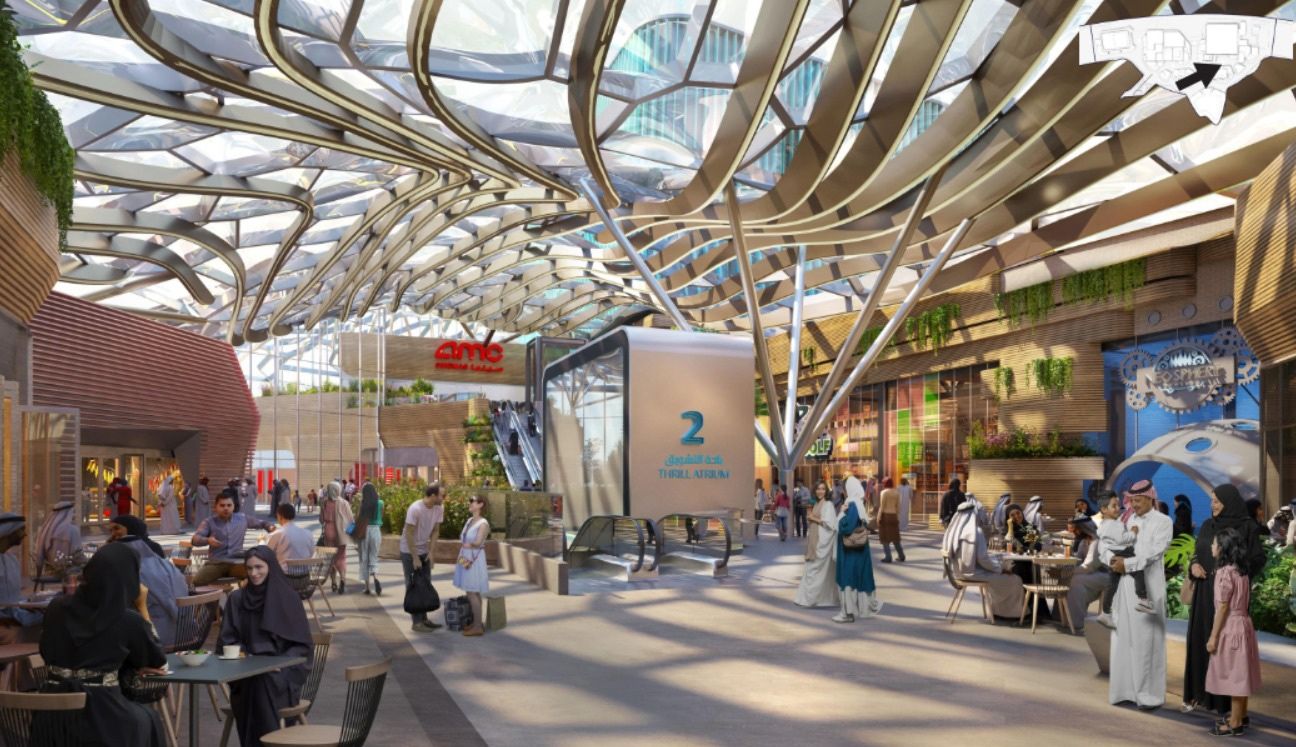
ETFE facades are used for stadiums, atriums, transport hubs, public buildings and commercial developments where low structural weight and daylight transmission are important. Compared with conventional glazing, ETFE can reduce dead load and allow complex geometries and large transparent areas.
Lightweight membrane facades – what does the detail achieve?
The detail connects the architectural design with the structural and building-envelope requirements. It also defines how the facade meets roofs, walls, corners and other materials. Lightspan explains the basic construction of ETFE systems and how foil cushions are fixed into aluminium framing. ETFE Systems – Lightspan
ETFE Facade Detail: What About Middle East Projects?
ETFE building envelopes – how do regional conditions affect design?
Projects in the Middle East can involve high temperatures, intense solar radiation, dust and large-span architectural requirements. These conditions influence foil selection, solar control, structural calculations and detailing. Lightspan supports architects, contractors and developers in the region through its Middle East ETFE solutions and project teams. Lightspan Middle East
ETFE facade engineering – who coordinates the project?
The Sales Expert Middle East remains a direct contact for architects, contractors and developers. From the first concept through engineering, fabrication, installation and final handover, the role is to coordinate technical, logistical and regional requirements and keep communication between project stakeholders clear.
ETFE Facade Detail: How Does Lightspan Support Projects?
ETFE facade design and installation – what happens from concept to completion?
Lightspan combines ETFE design, engineering, production and installation within one project structure. This helps coordinate facade geometry, structural interfaces, fabrication requirements and site installation. The company has completed more than 1,700 ETFE projects worldwide.
ETFE facade detail – where can technical questions be discussed?
For project-specific ETFE facade details, Lightspan provides regional contacts, including dedicated support for the Middle East. Contact Lightspan ETFE Experts