
Daylight Analysis Tottenham Hale: How Natural Light Shapes the Bus Station
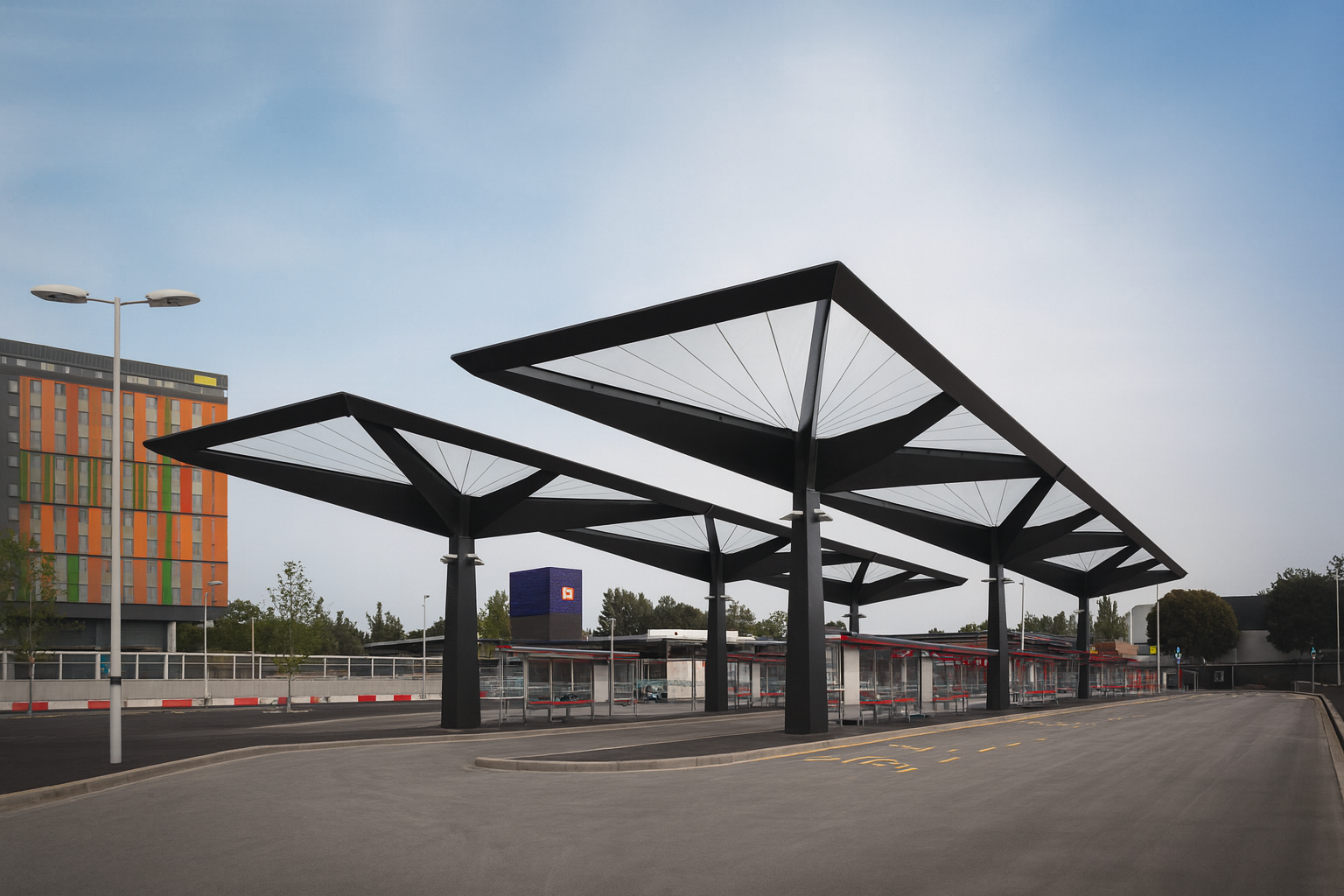
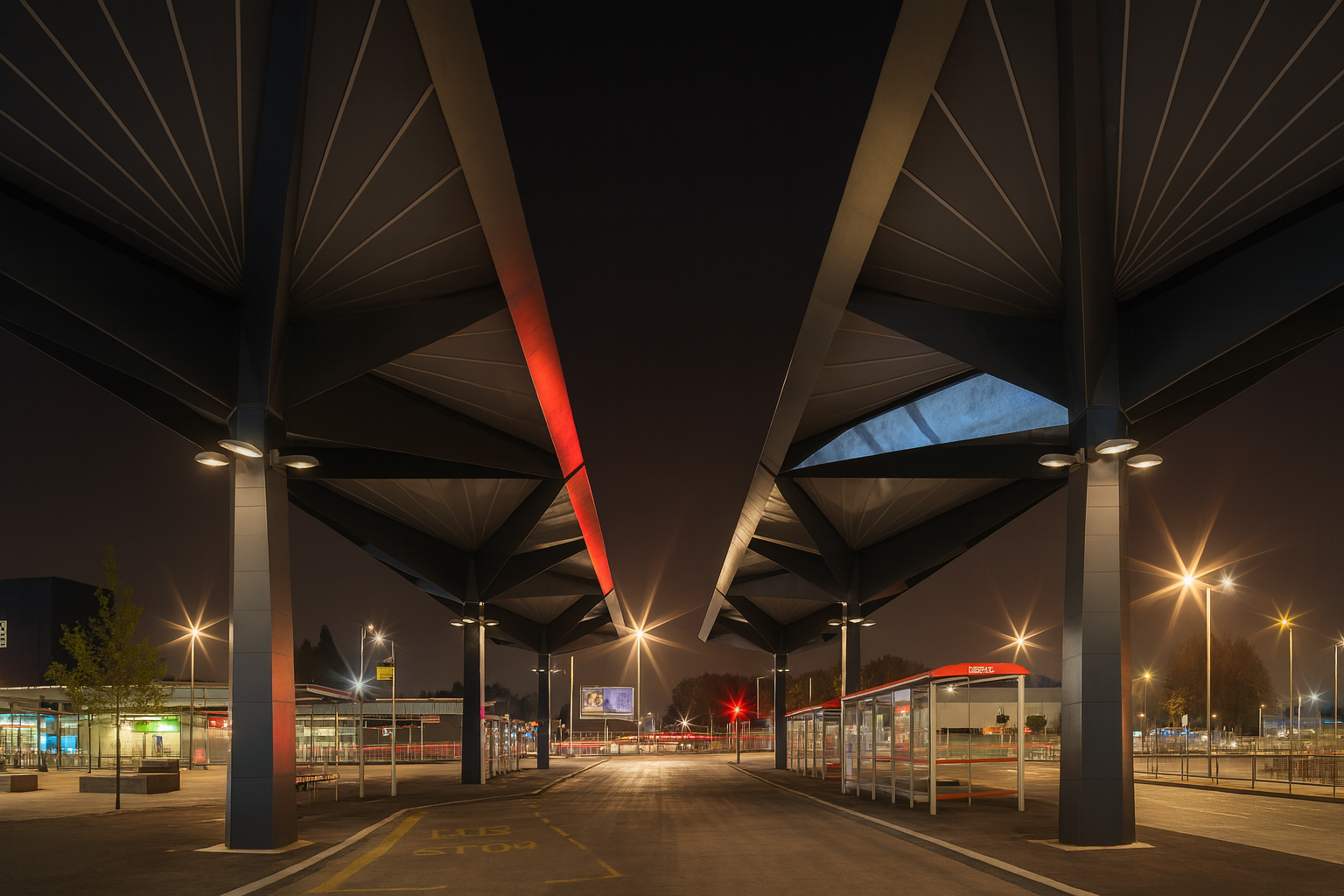
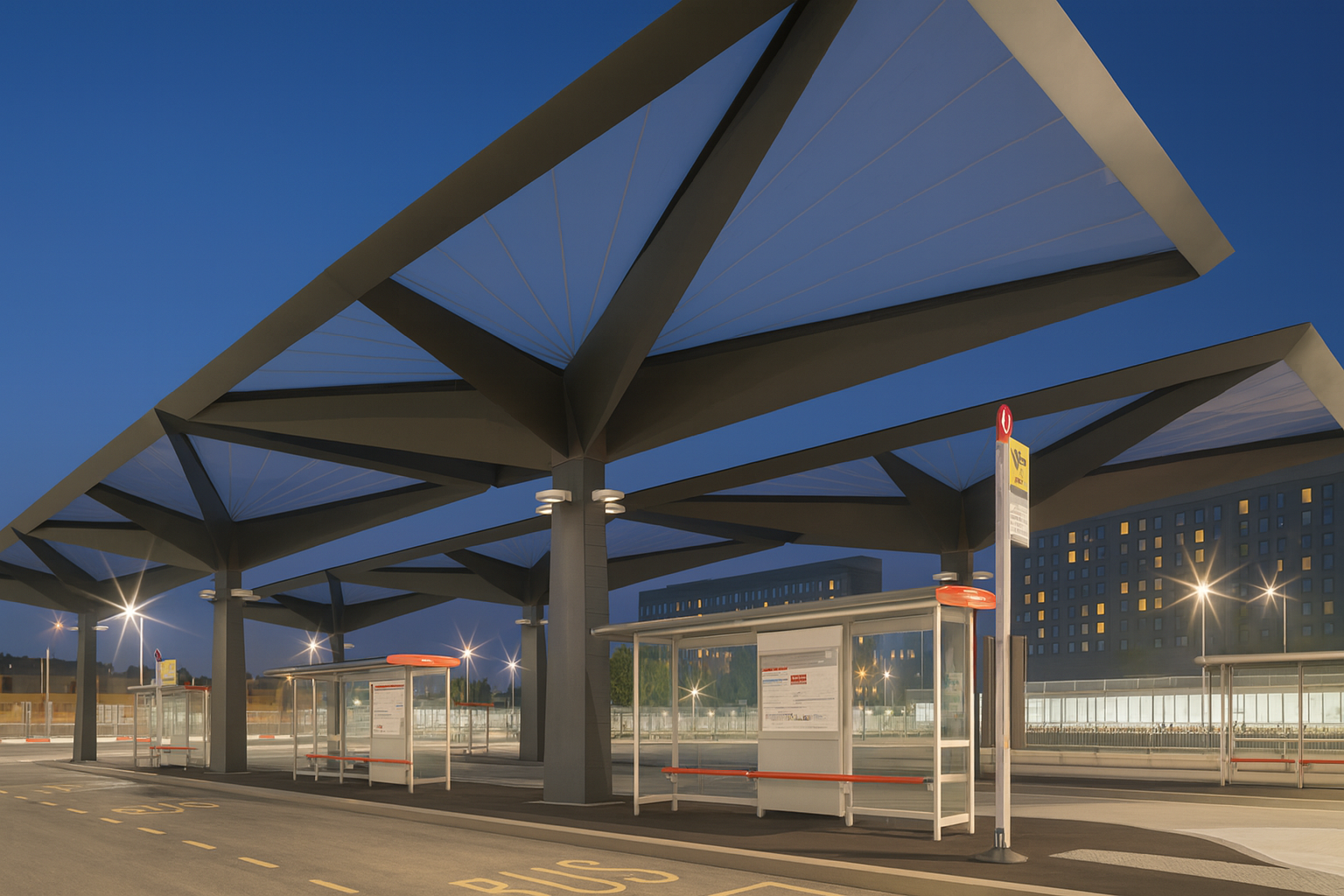
A daylight analysis Tottenham Hale examines how natural light enters and performs within the Tottenham Hale Bus Station environment. The assessment helps architects and engineers understand daylight distribution, passenger comfort, visibility, and energy performance. At Tottenham Hale, the analysis played an important role in supporting the design of the ETFE canopy system, ensuring bright public spaces while reducing reliance on artificial lighting.
The redevelopment of Tottenham Hale Bus Station demonstrates how transport infrastructure can improve everyday passenger experiences through thoughtful design and effective daylight planning.
Daylight Analysis Tottenham Hale: What Is It and Why Is It Important?
A daylight analysis measures the amount, quality, and distribution of natural light within a building or public space. Using digital simulations and environmental modelling, designers can predict how sunlight interacts with structures throughout the year.
For Tottenham Hale Bus Station, daylight studies helped evaluate:
- Daylight penetration beneath the canopy
- Passenger comfort throughout different seasons
- Solar heat gain and glare control
- Reduced dependence on artificial lighting
- Overall environmental performance
These insights supported design decisions that balance functionality, comfort, and operational efficiency.
ETFE Roof Design and Daylight Performance
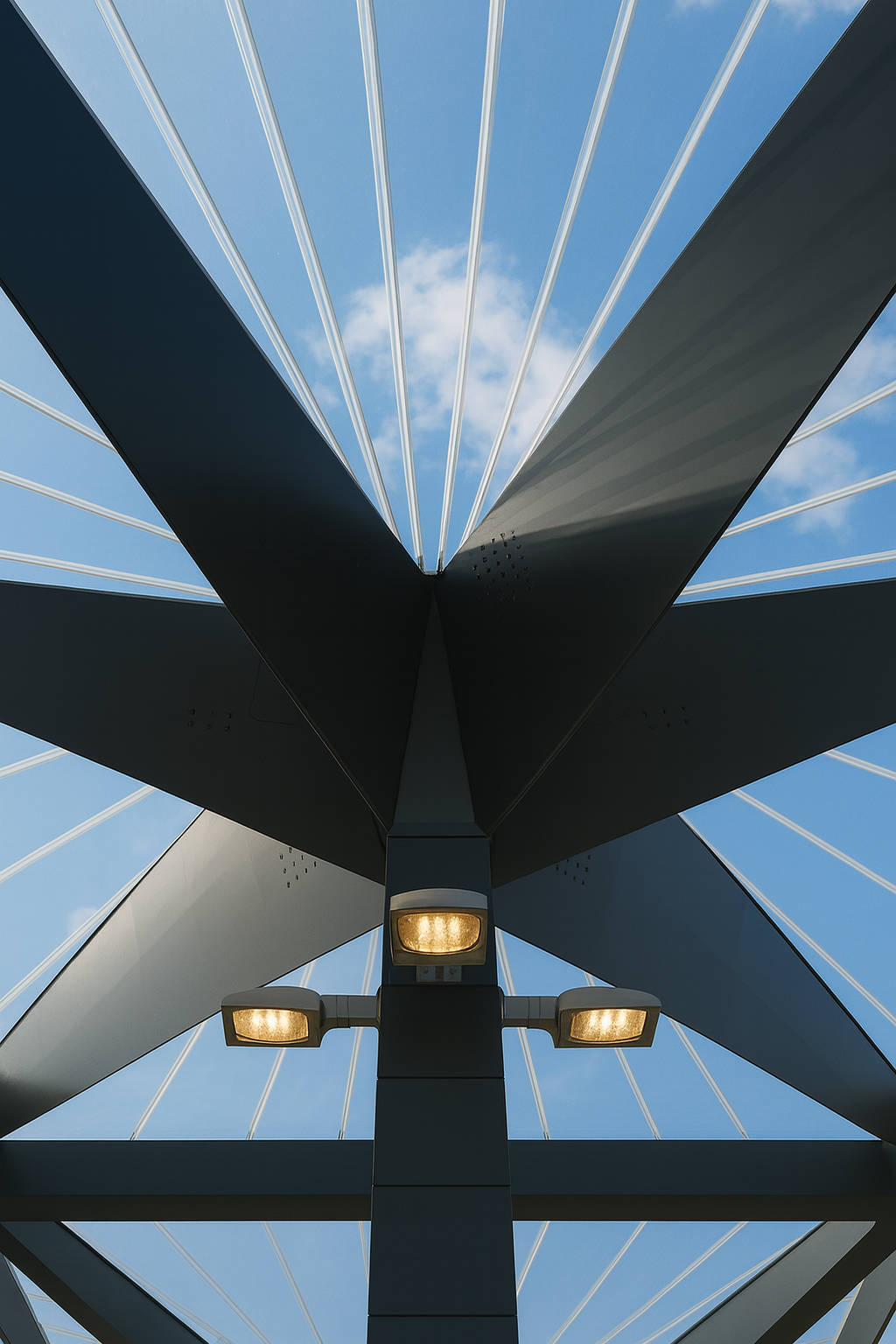
The station’s canopy uses an ETFE (ethylene tetrafluoroethylene) roofing system supplied by Lightspan. ETFE is known for its high light transmission, allowing significant levels of daylight to reach the space below.
Unlike conventional roofing materials, ETFE cushions create large transparent spans with minimal structural support. This increases daylight availability while maintaining weather protection for passengers.
Natural Light Assessment for Public Transport Facilities
Transport hubs often experience high passenger volumes throughout the day. Daylight analysis helps ensure that waiting areas, circulation routes, and boarding zones remain visible and comfortable.
At Tottenham Hale, the daylight strategy contributes to:
- Improved wayfinding
- Better visibility and safety
- Reduced energy consumption
- A more open and welcoming atmosphere
Daylight Analysis Tottenham Hale: How Does the ETFE Canopy Improve Passenger Comfort?
The ETFE canopy allows daylight to enter while helping regulate solar exposure. Engineers can adjust ETFE cushion specifications to control light transmission and thermal performance.
As a result, passengers benefit from bright surroundings without excessive heat build-up during warmer periods. This balance is particularly important in busy urban transport environments where comfort directly affects the user experience.
Solar Studies and Environmental Modelling
Daylight analysis is often combined with solar studies to understand seasonal sun paths and shading conditions. These assessments help determine whether additional shading or performance adjustments are required.
Building Performance and Energy Efficiency
Reducing artificial lighting demand can lower operational energy use. The daylight analysis at Tottenham Hale supports wider sustainability objectives by making greater use of available natural light.
Daylight Analysis Tottenham Hale: What Can Future Projects Learn?
The Tottenham Hale Bus Station project demonstrates how daylight-focused design can improve public infrastructure. By integrating ETFE technology with environmental analysis, the project provides a practical example of how transport facilities can become brighter, more efficient, and easier to use.
Future bus stations, railway interchanges, and urban mobility hubs can apply similar daylight assessment methods during planning and design stages.
ETFE Architecture and Urban Transport Design
The project highlights the growing use of ETFE structures in transport architecture. Their transparency, low weight, and daylight performance make them suitable for large public spaces where visibility and passenger comfort are important.
Daylight Analysis Tottenham Hale: Does Natural Light Reduce Energy Use?
Yes. A properly conducted daylight analysis Tottenham Hale demonstrates how natural daylight can reduce the need for artificial lighting during daytime operating hours, helping improve energy efficiency while maintaining comfortable conditions for passengers.
What factors are measured during a daylight analysis Tottenham Hale?
Typical measurements include daylight levels, daylight autonomy, glare risk, solar heat gain, shading performance, and occupant comfort.
How does the daylight analysis Tottenham Hale support safety?
Brighter environments improve visibility, assist navigation, and help passengers identify routes, signage, and waiting areas more easily.