ETFE Material at MediaTIC: A Real-World Example of Smart Facade Design
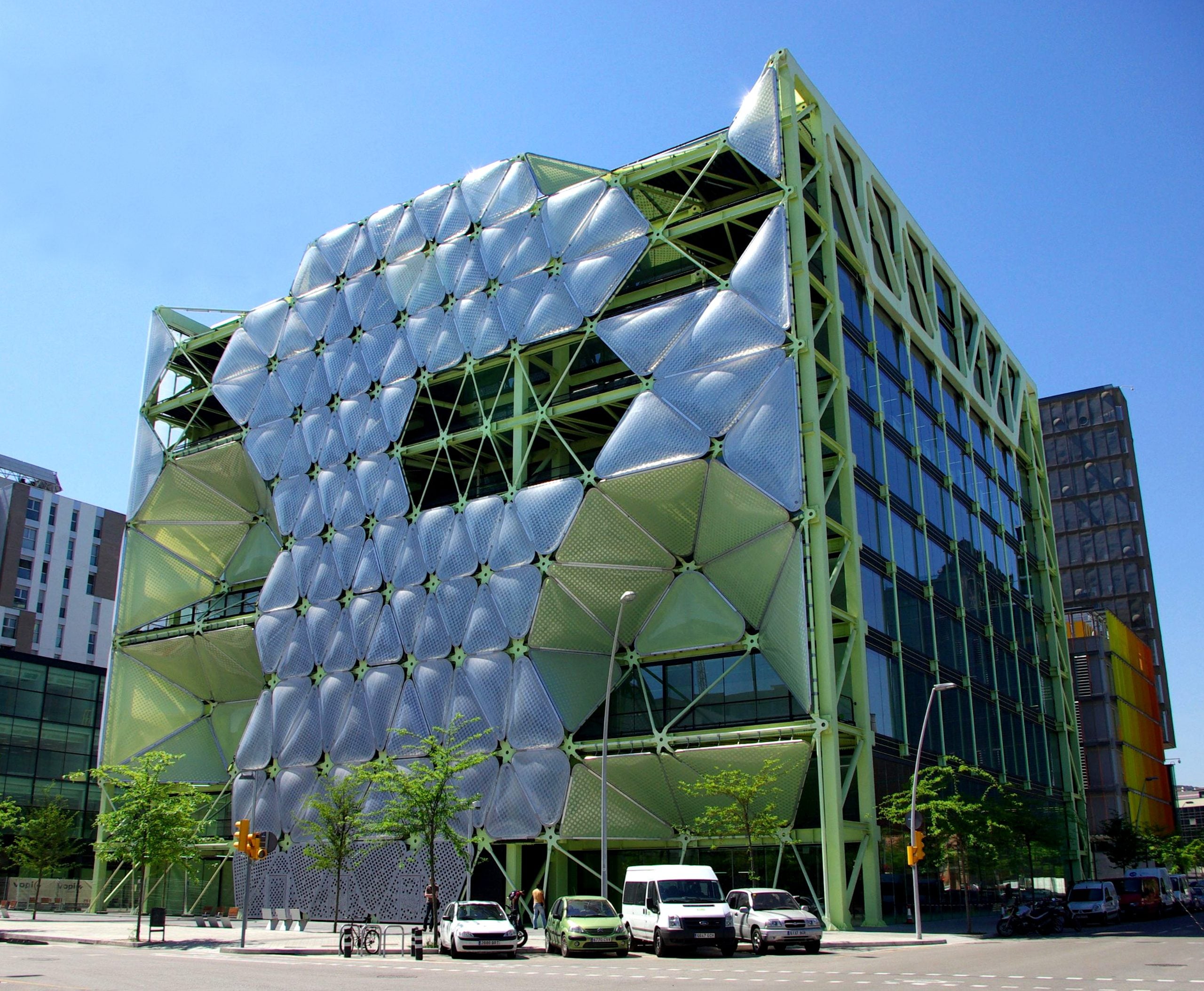
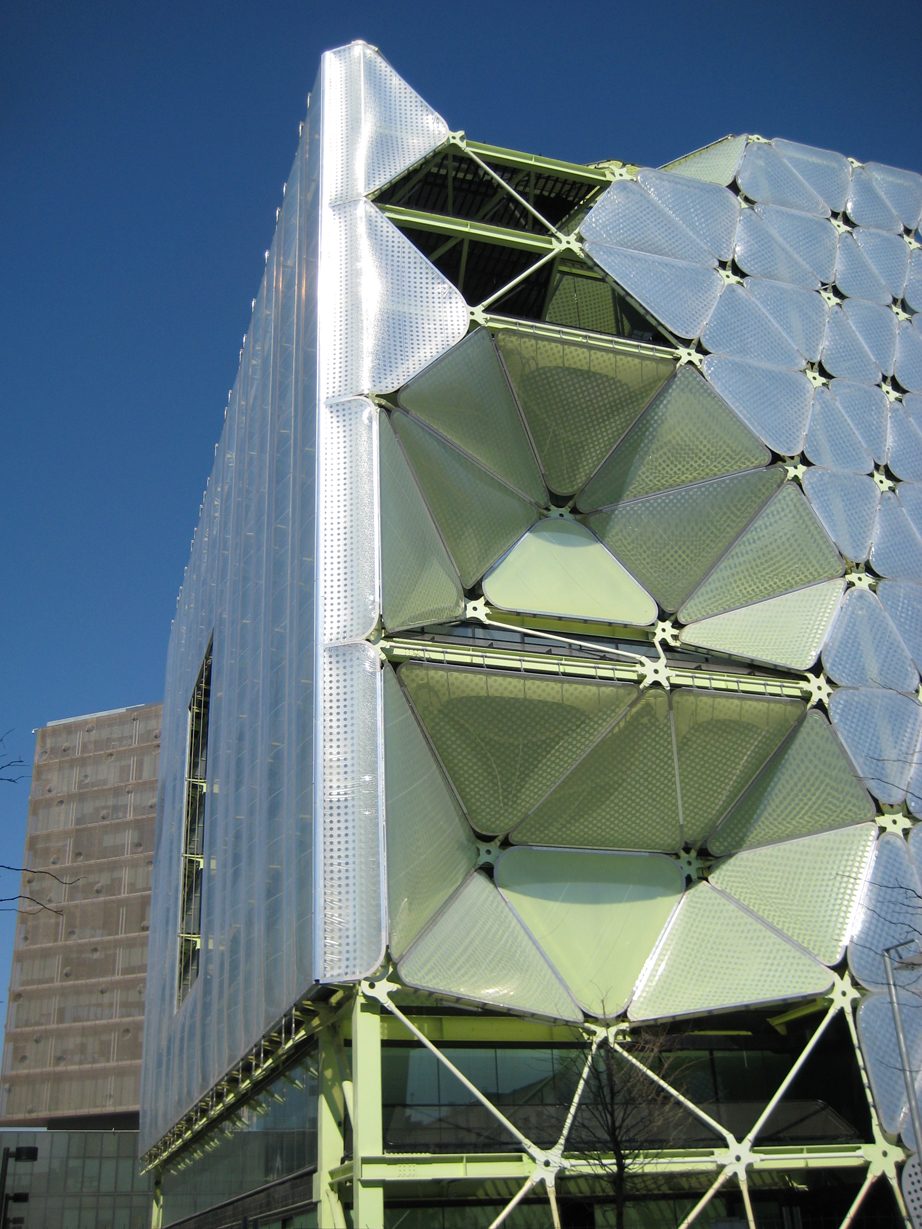
What is ETFE material? ETFE material (Ethylene Tetrafluoroethylene) is a lightweight fluoropolymer membrane widely used in modern architecture for roofs, façades, and cushion systems. It combines high light transmission, weather resistance, and low maintenance while weighing only a fraction of glass. The MediaTIC building in Barcelona demonstrates how ETFE material can improve daylight control, reduce solar heat gain, and create visually distinctive architecture.
Lightspan supplied the Texlon® ETFE system for the MediaTIC façade, allowing the project to balance transparency, occupant comfort, and energy performance in one integrated façade solution.
ETFE Material: Why Was It Chosen for the MediaTIC Facade?
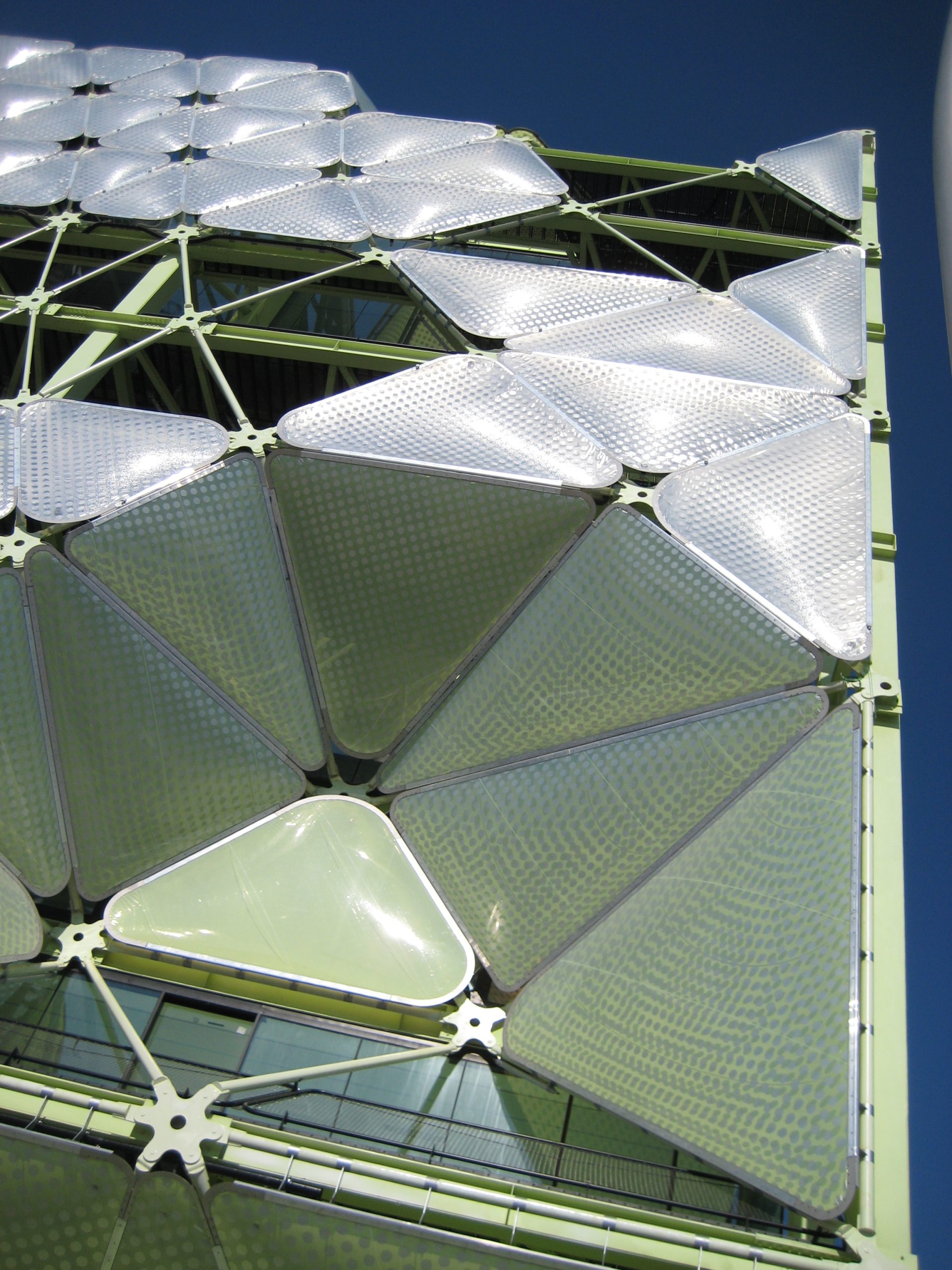
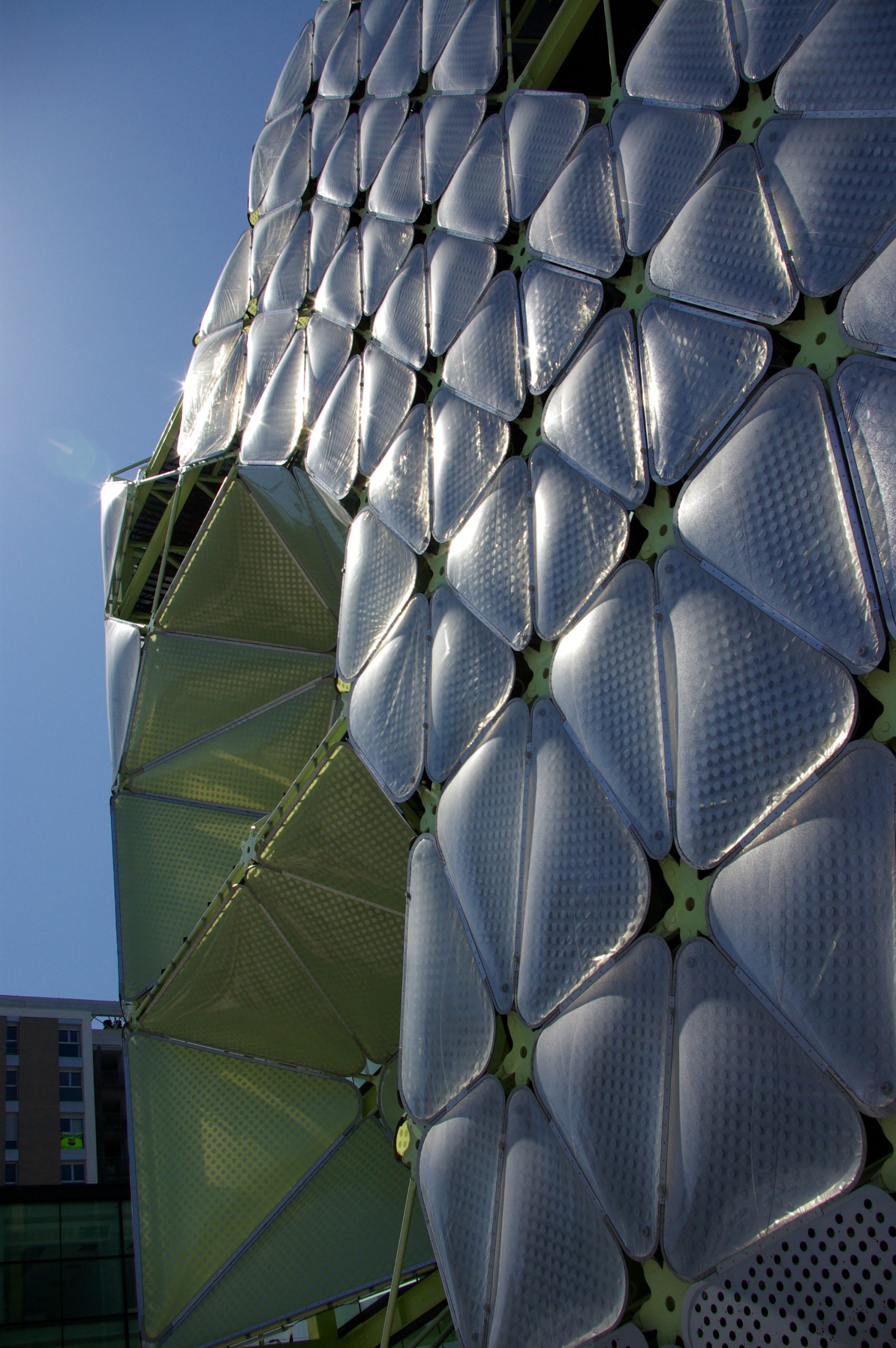
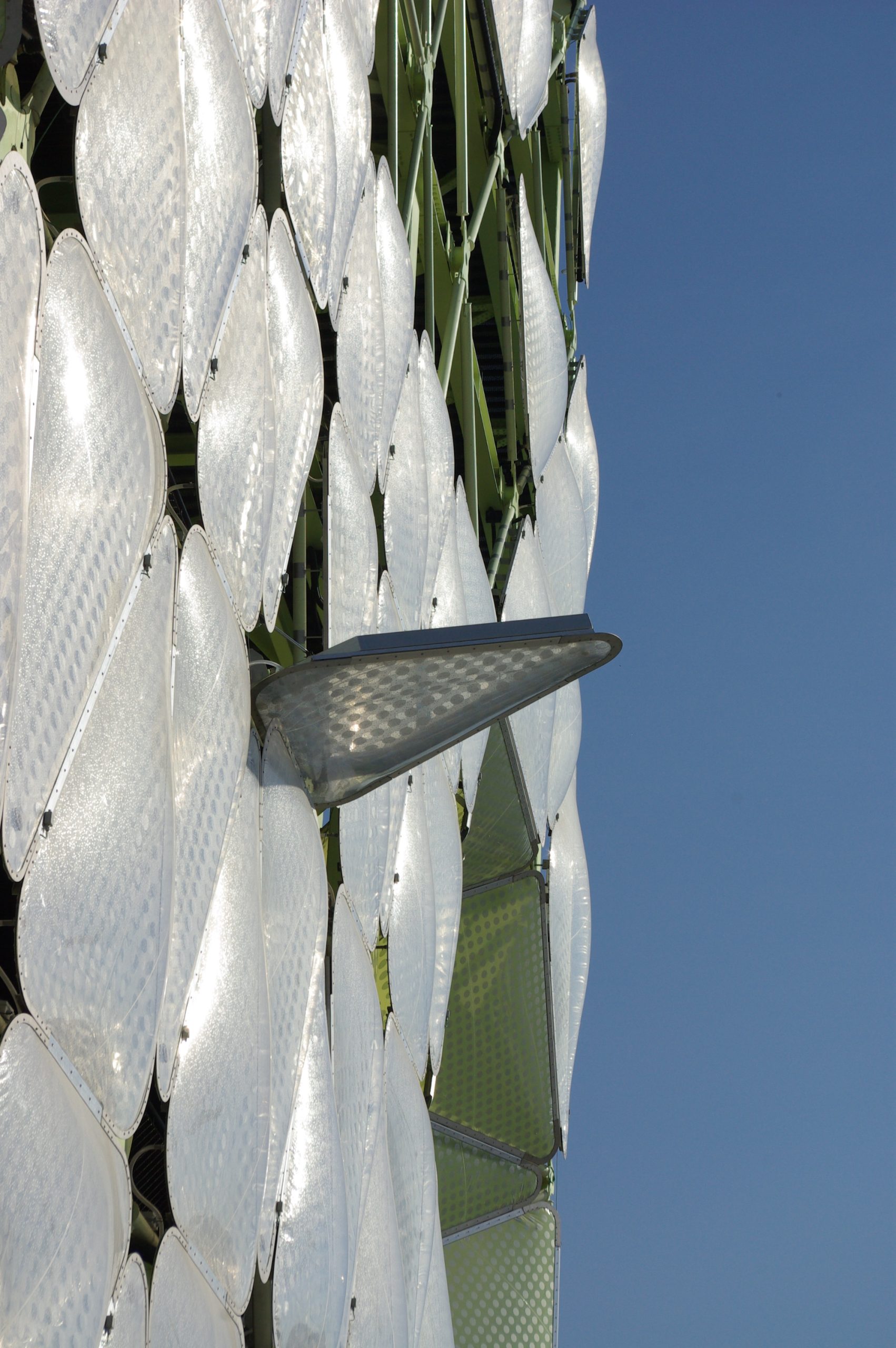
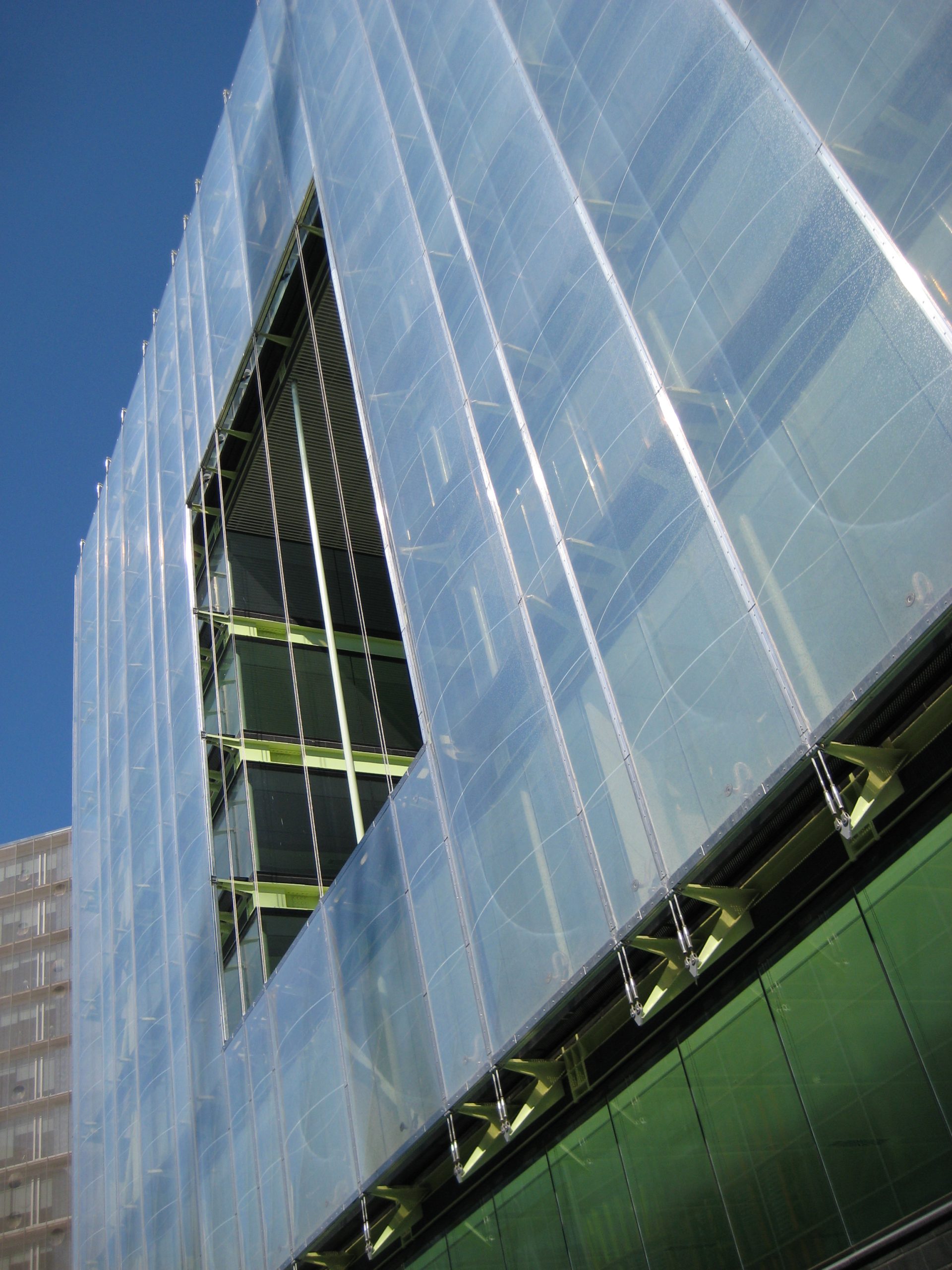
Unlike conventional glass façades, ETFE cushions reduce structural weight while maintaining excellent daylight transmission. At MediaTIC, multiple printed ETFE layers help control solar radiation throughout the day without blocking natural light.
The lightweight construction also reduces the amount of structural steel required, contributing to lower material consumption and easier installation. Read more about ETFE façade solutions on the Lightspan ETFE Systems page.
ETFE Membrane Properties
ETFE offers several practical advantages:
- Up to 95% light transmission
- Excellent UV resistance
- High weather durability
- Self-cleaning surface during rainfall
- Low structural weight compared to glass
- Long service life with minimal maintenance
ETFE Cushion Technology
The MediaTIC façade uses pneumatic ETFE cushions. Air pressure maintains their shape while creating thermal insulation. Printed foil patterns help regulate solar gain, reducing cooling loads inside the building.
How Does ETFE Material Improve Building Performance?
One of the main reasons architects specify ETFE material is its contribution to building efficiency.
The MediaTIC façade filters sunlight rather than blocking it completely. Occupants benefit from bright interiors while limiting excessive heat during warm periods. The result is a comfortable working environment with reduced dependence on artificial lighting and mechanical cooling.
Lightweight Building Envelope
Because ETFE weighs significantly less than glass, supporting structures can often be designed with less steel, simplifying construction and reducing overall building weight.
Daylight and Solar Control
Multiple ETFE layers with printed patterns allow designers to fine-tune daylight levels while minimizing glare and unwanted solar heat gain.
Is ETFE Material Sustainable?
Although ETFE is a synthetic material, its long lifespan, low weight, and reduced structural requirements help lower the environmental impact of many construction projects.
MediaTIC demonstrates how ETFE façades can contribute to lower operational energy use while providing architectural flexibility.
For technical information about ETFE, see the European ETFE Association and the Encyclopaedia Britannica overview of fluoropolymers.
Why Is MediaTIC a Reference Project for ETFE Material?
The MediaTIC project illustrates how ETFE material can combine architectural expression with measurable building performance. The façade delivers daylight, thermal comfort, visual identity, and long-term durability without relying on heavy glazing systems.
Lightspan’s Texlon® ETFE solution allows the building to respond to changing environmental conditions while maintaining a distinctive appearance throughout the day.
ETFE Architecture Around the World
ETFE is also used in stadiums, botanical gardens, airports, shopping centres, and public buildings where lightweight transparent envelopes are required.
What Makes ETFE Material Different from Glass?
ETFE is considerably lighter than glass, offers excellent transparency, withstands UV exposure, and allows designers to create large-span cushion façades that would be difficult with traditional glazing.
Can ETFE Material Last for Decades?
Yes. Properly designed ETFE systems commonly achieve service lives exceeding 30 years while requiring relatively little maintenance.