
ETFE Panel System at Naturkraft – A Nature Experience Built with ETFE
An ETFE panel system is a lightweight building envelope made from durable ETFE foil cushions that provide natural daylight, thermal insulation, and reduced structural loads. At Naturkraft, the ETFE panel system forms an essential part of the visitor centre, helping create bright interior spaces while supporting energy-efficient building performance.
Located on Jutland’s fjord coast, Naturkraft is an interactive nature adventure park where visitors explore the forces of wind, water, gravity, and sunlight through hands-on experiences. The project demonstrates how ETFE façade technology can combine architectural design with practical building performance.
What is an ETFE panel system and why was it chosen for Naturkraft?
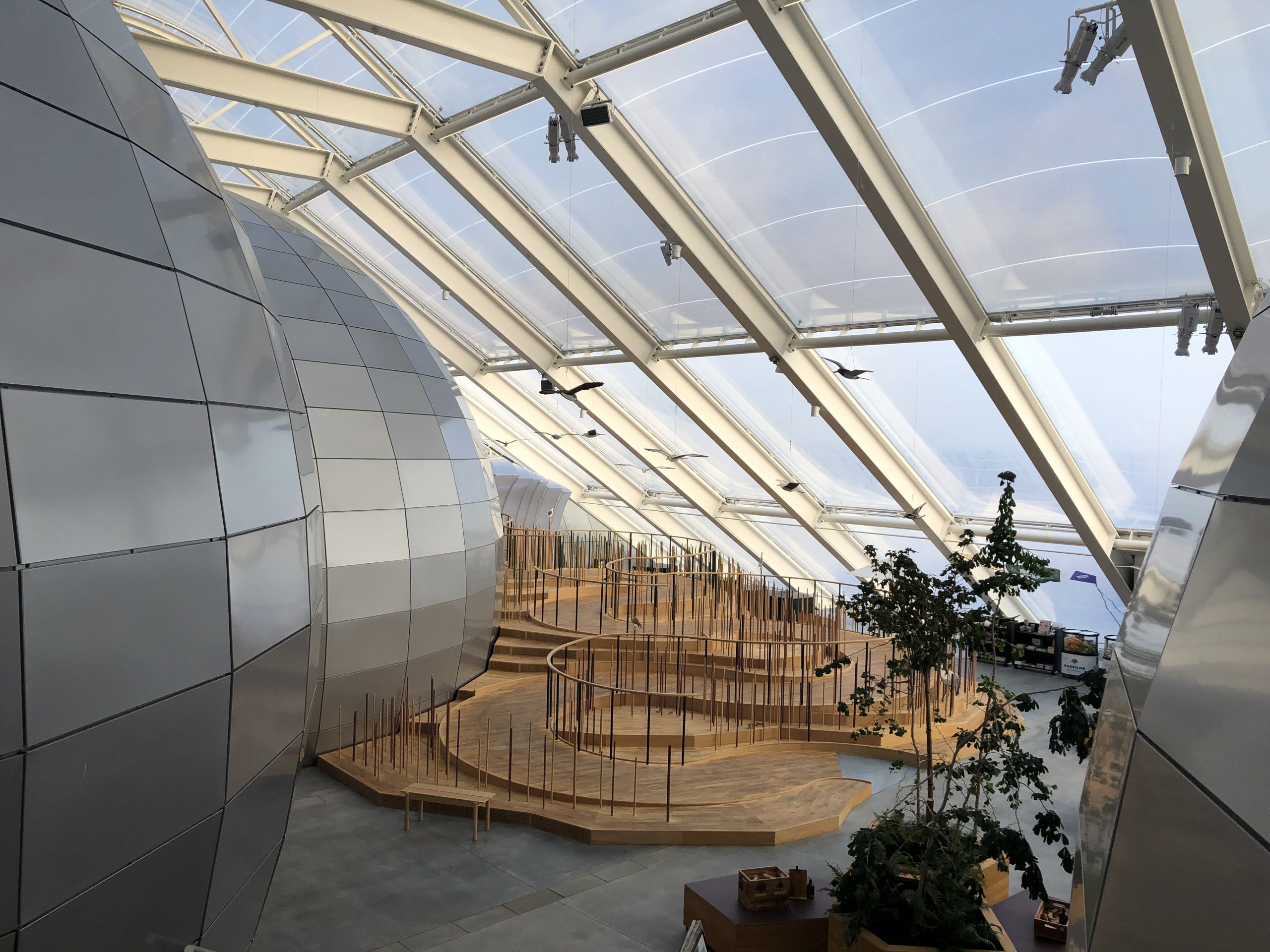
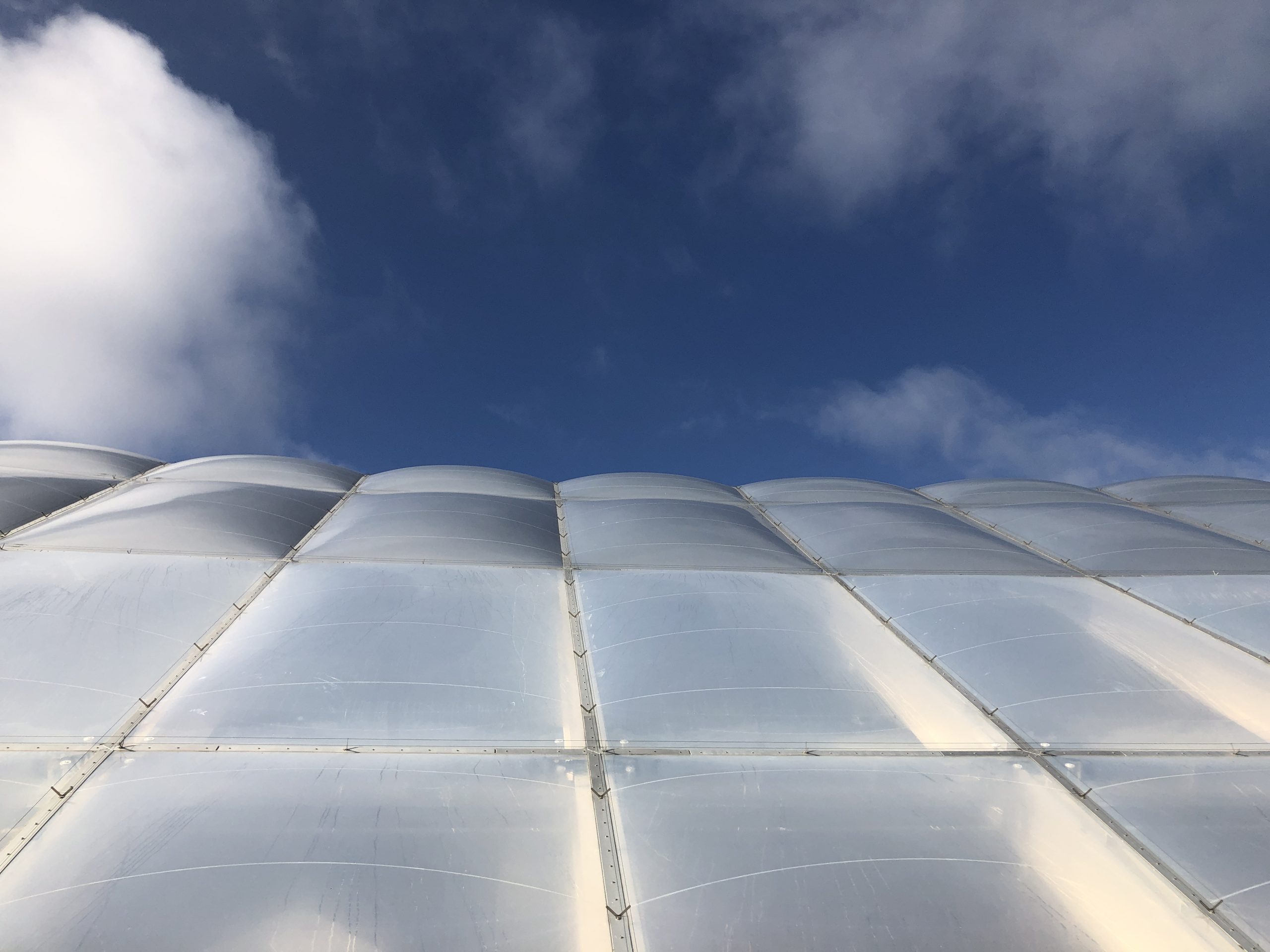
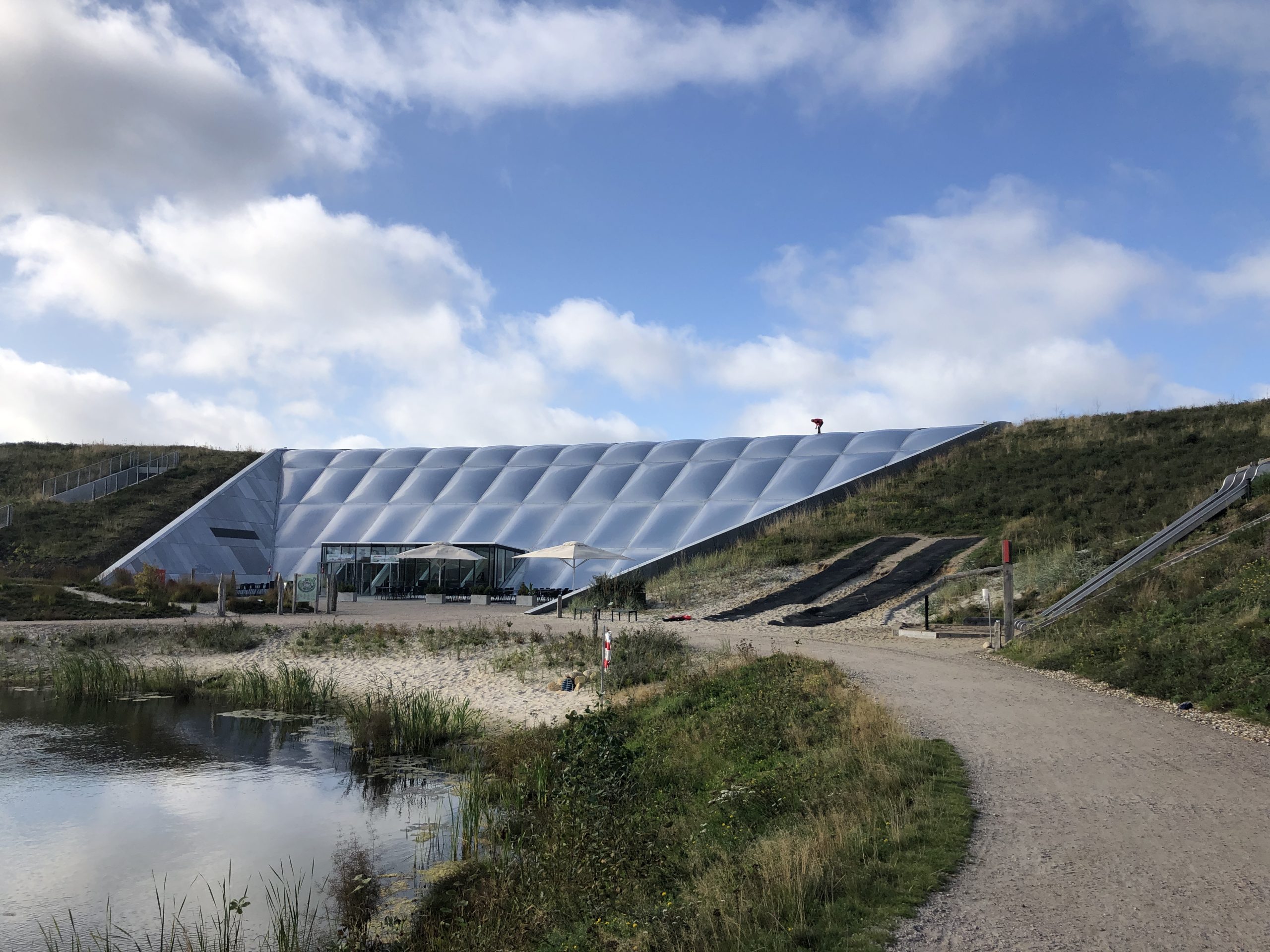
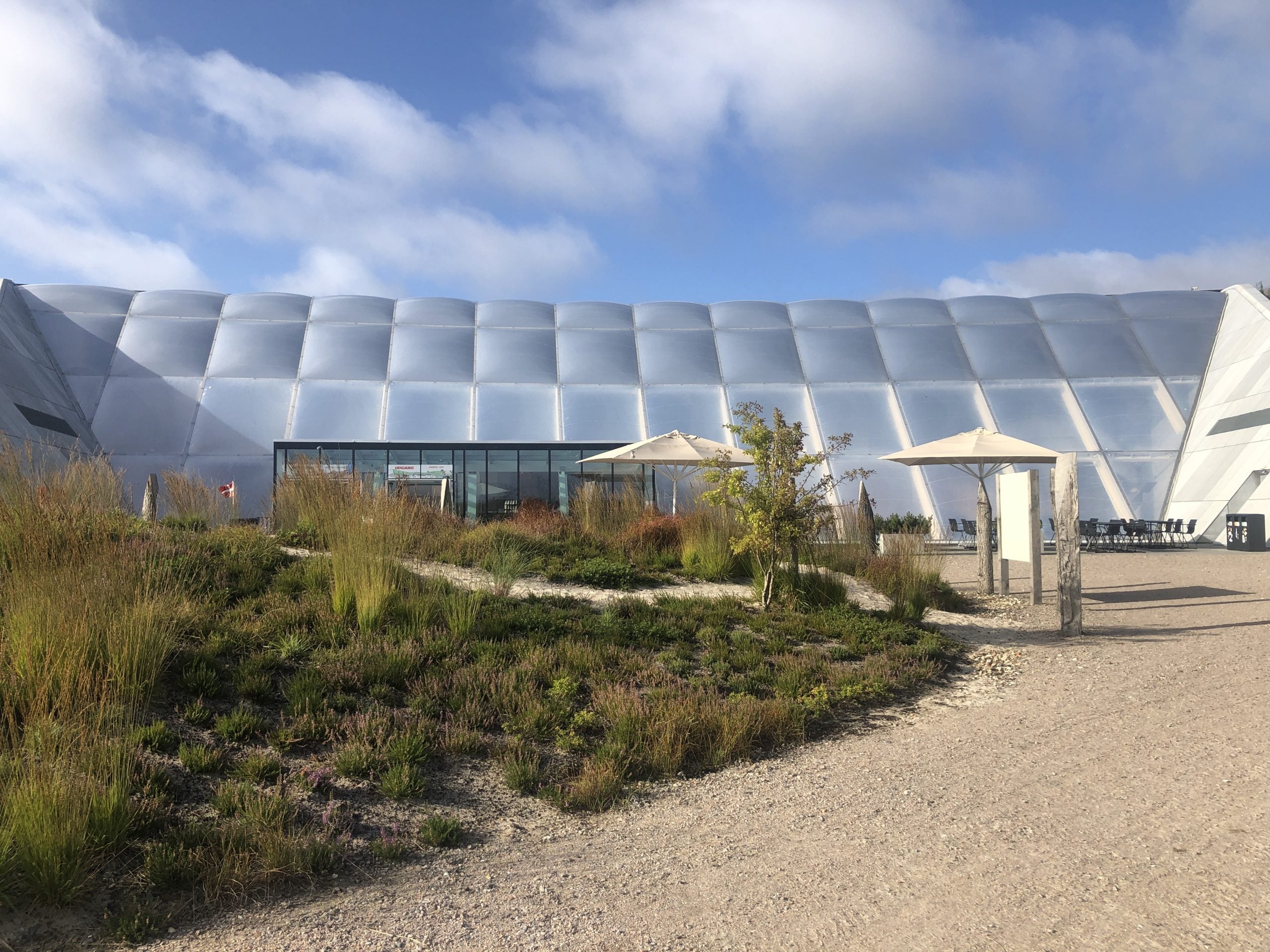
The visitor centre is enclosed with the Texlon® ETFE cushion system, using four-layer ETFE cushions to maximise daylight while reducing unwanted solar heat gain. A subtle silver frit pattern reflects part of the sun’s radiation without blocking views of the surrounding landscape.
Compared with conventional glass façades, an ETFE panel system offers lower weight, excellent light transmission, and reduced maintenance requirements, making it well suited for large-span public buildings.
ETFE cushion façade technology
The multi-layer cushion construction creates insulated air chambers while remaining extremely lightweight. This allows architects to design large transparent façades without significantly increasing the structural load.
Lightweight façade systems for public buildings
Buildings such as visitor centres, stadiums, botanical gardens, and exhibition halls often use ETFE because of its combination of transparency, durability, and design flexibility.
How does the ETFE panel system improve building performance?
Naturkraft’s façade helps regulate indoor temperatures by limiting excessive solar gain while allowing generous amounts of daylight to enter the building.
Solar control and daylight management
The printed outer foil reduces overheating during sunny periods while maintaining comfortable lighting conditions throughout the year.
Energy efficiency and occupant comfort
Lower cooling demand, increased daylight, and reduced structural weight contribute to efficient building operation and a pleasant visitor experience.
Why is the ETFE panel system suitable for nature attractions?
Its transparent appearance strengthens the visual connection between indoor spaces and the surrounding landscape, allowing visitors to remain connected with nature in every season.
Which ETFE panel system was installed at Naturkraft?
Lightspan supplied the Texlon® ETFE façade system, designed specifically for the architectural concept of the indoor experience centre. The façade complements the 630-metre ring-shaped dike while supporting long-term building performance and simple maintenance.
ETFE façade engineering
The project demonstrates how ETFE cushions can be integrated into complex architectural forms while maintaining structural efficiency.
Transparent building envelopes
ETFE allows large uninterrupted façade surfaces that admit daylight without the weight associated with traditional glazing.
How does the ETFE panel system compare with glass?
ETFE cushions typically weigh only a fraction of comparable glass systems, require lighter supporting structures, and provide excellent daylight transmission.
For more information about our ETFE façade systems, ETFE roofing solutions, and completed architectural projects, explore the related pages on our website.
Additional technical guidance can be found through the European Association for ETFE Structures (EAES) and the Texlon® ETFE technical documentation.