
ETFE Sustainability: What Is ETFE Sustanibility?
ETFE sustanibility is the assessment of how ETFE building envelope systems affect material use, energy performance, durability, maintenance, cost and end-of-life options. In practice, ETFE sustainability is not based on the material alone. The geometry, supporting structure, cushion design, daylight strategy and expected service life all influence the environmental performance of a building envelope.
At Lightspan, building envelope feasibility studies help architects, developers and planners evaluate these factors before construction. Our analysis covers technical feasibility, material selection, design adjustments, product comparisons, lifecycle costs and environmental considerations.
ETFE Sustainability: What Makes an ETFE Envelope Sustainable?
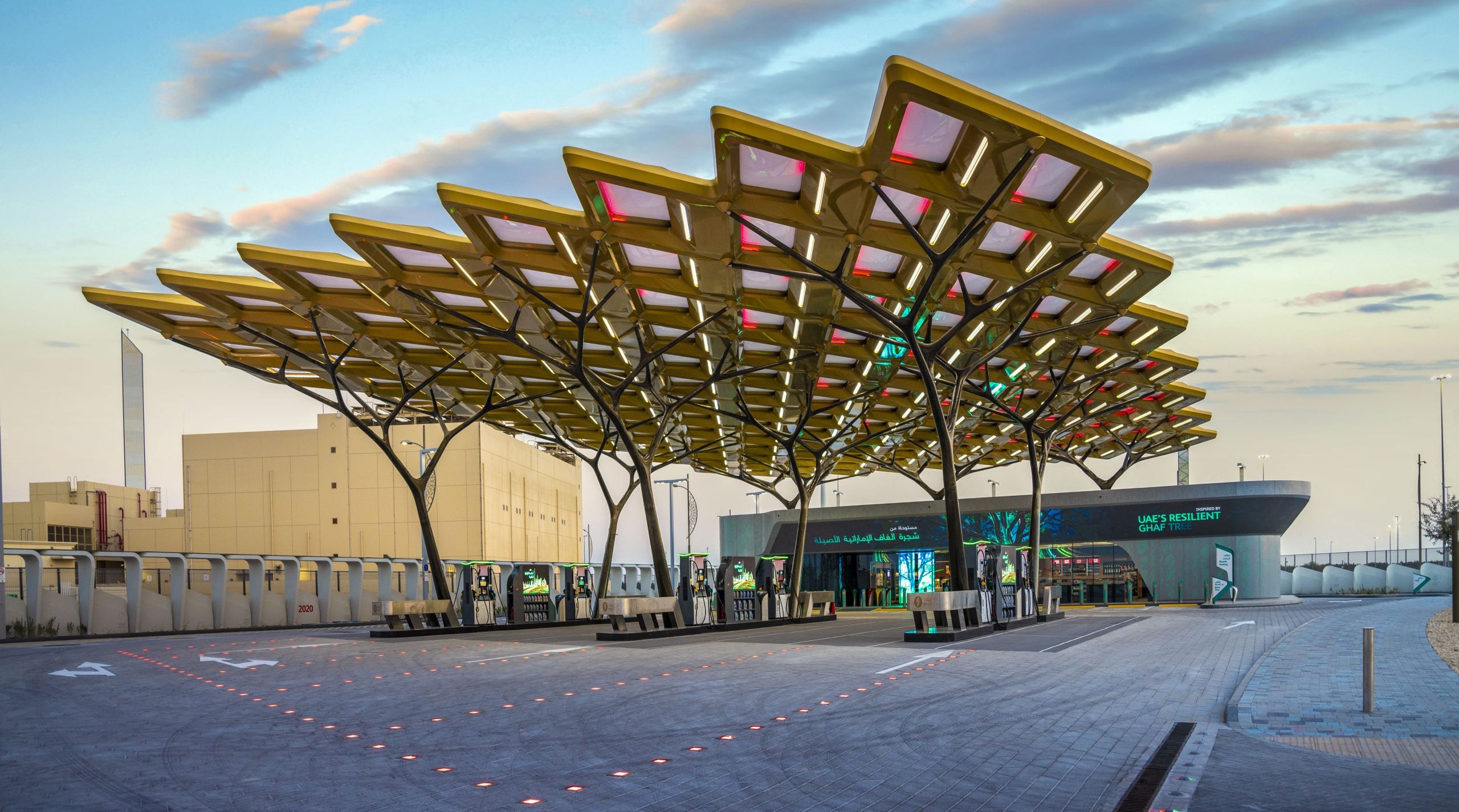
ETFE can contribute to resource-efficient building design because the foil system is significantly lighter than conventional glass. Lower structural loads can reduce the amount of supporting steel required, while high light transmission can support daylight strategies. Lightspan’s ETFE architecture solutions show how ETFE roofs and façades can be integrated with structural and building-envelope requirements.
ETFE Sustainability: Can ETFE Improve Energy Efficiency?
Daylight, Solar Control and Thermal Performance
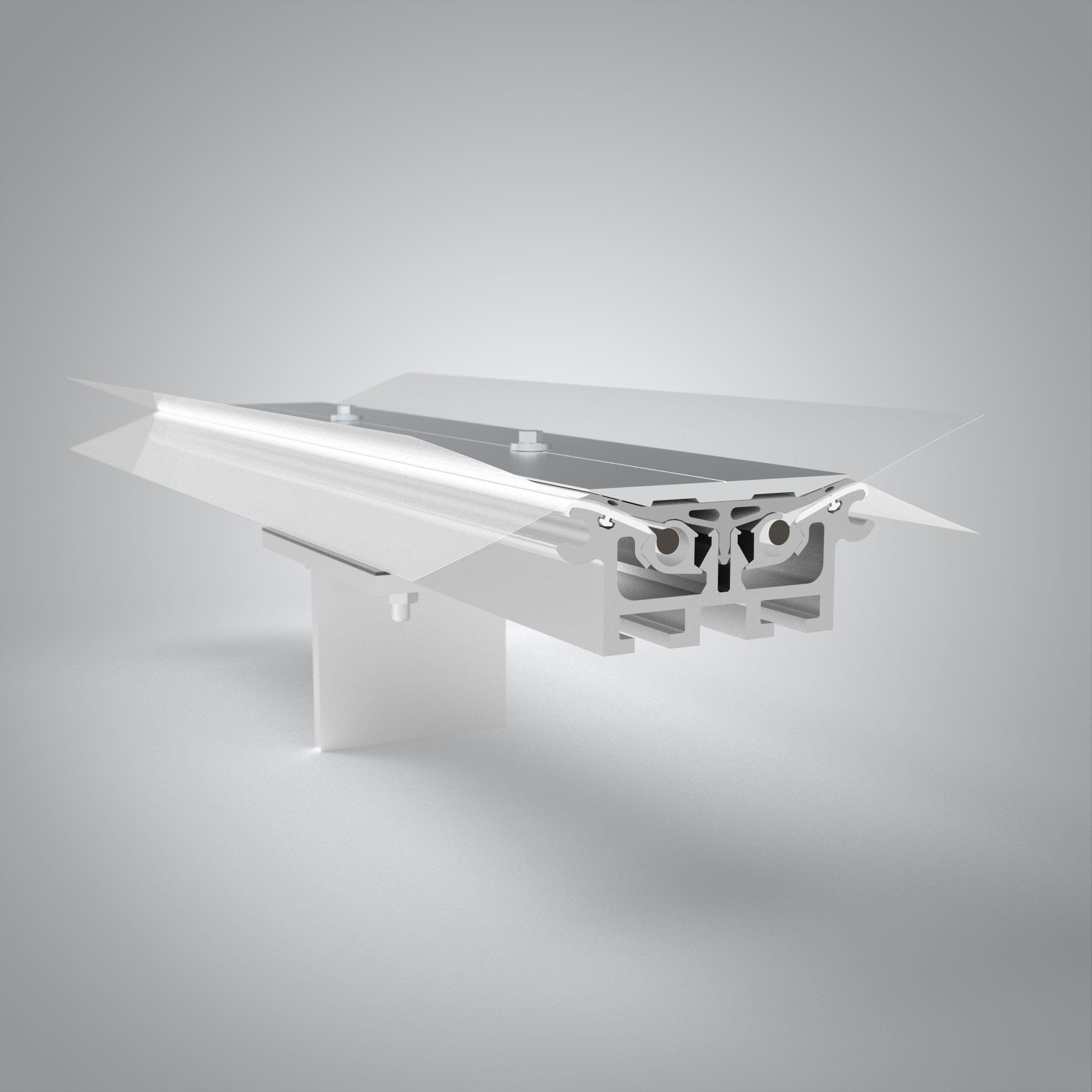
ETFE allows architects to introduce substantial daylight into atria, stadiums, transport buildings and other large spaces. Cushion configurations, printing and solar-control strategies can be evaluated to balance daylight with solar heat gain. Lightspan also provides ETFE system and design services covering geometry, cushion configuration and building-envelope integration.
Tailored Solutions: What Do You Need?
Does ETFE sustanibility include lifecycle performance?
Yes. Sustainability decisions should consider construction, operation, maintenance and end of life. The European Commission recommends whole-life approaches when assessing the environmental impact of buildings, rather than focusing on a single material characteristic. Read the EU guidance on lifecycle approaches.
ETFE Sustainability: How Is It Evaluated?
Feasibility, Materials and Product Comparison
Our feasibility studies examine complex geometries, structural conditions, suitable materials and thicknesses, construction requirements and product alternatives. Cost-benefit analysis also considers lifecycle costs, durability, maintenance and long-term performance. This provides a practical basis for comparing ETFE with other façade and roofing systems.
What does ETFE sustanibility mean at project level?
It means selecting an envelope based on measurable project requirements rather than assuming that one material is automatically sustainable. ETFE project examples demonstrate applications ranging from stadiums and airports to atria and public buildings.
ETFE Sustainability: What Should Be Considered Before Construction?
Geometry, Design and Long-Term Value
A detailed feasibility study can identify planning risks before fabrication begins. Lightspan reviews geometry, structural interfaces, material requirements, design adjustments and product selection to help align architectural intent with technical and economic constraints.
Lifecycle Cost and Environmental Assessment
Sustainability should also be considered alongside lifecycle cost, resource consumption and end-of-life scenarios. Where project requirements include environmental certification or documented product performance, relevant data such as Environmental Product Declarations can support the assessment. LEED and the EU’s Level(s) framework provide established approaches for evaluating building sustainability.
ETFE Sustainability in Practical Building Envelope Planning
The result is a building envelope assessed for technical feasibility, material efficiency, energy performance, durability, maintenance and lifecycle value. This approach helps architects, developers and planners make informed decisions before committing to a specific façade or roof system.
Cost-Benefit Analyses
We provide a comprehensive evaluation of lifecycle costs along with the long-term benefits of different material and design options. This ensures that your building envelope is not only cost-efficient during construction but also delivers lasting value, durability, and energy efficiency over its entire lifecycle.
Product Comparison
We conduct a detailed comparison of façade and building envelope products in terms of performance, durability, and cost. This approach enables you to make the optimal decision for your project, ensuring a balance of technical quality, long-term reliability, and economic efficiency.
Sustainability
We carefully consider the environmental impact and sustainability of the selected building envelope solutions. By evaluating materials, systems, and construction methods with regard to their ecological footprint, we ensure that your façade design supports long-term environmental responsibility, energy efficiency, and resource conservation.
Optimized for Design, Function & Economy
Through our optimization services, we ensure that your project not only impresses with its aesthetic and functional quality but is also economically viable. By combining design excellence, technical feasibility, and cost efficiency, we deliver building envelope solutions that perform both in the short term and over the long lifecycle of your project.