

From Vision to Concept
Every successful project begins with a strong concept. At Lightspan, we start by listening carefully to your ideas and project goals. Together, we analyze the requirements, identify challenges, and define opportunities. This early stage ensures that every solution is tailored to your needs and lays the foundation for efficient design and smooth project execution.

ETFE Details: From Vision to Concept
Every successful ETFE project begins with a clear concept. ETFE details define how the material, supporting structure, geometry, climate requirements and building interfaces work together. But what is ETFE details? In practical terms, ETFE details are the technical and design decisions that turn an initial architectural idea into a feasible building envelope. At Lightspan, we establish these details early by listening to project goals, analysing requirements and identifying technical challenges before design and construction begin.
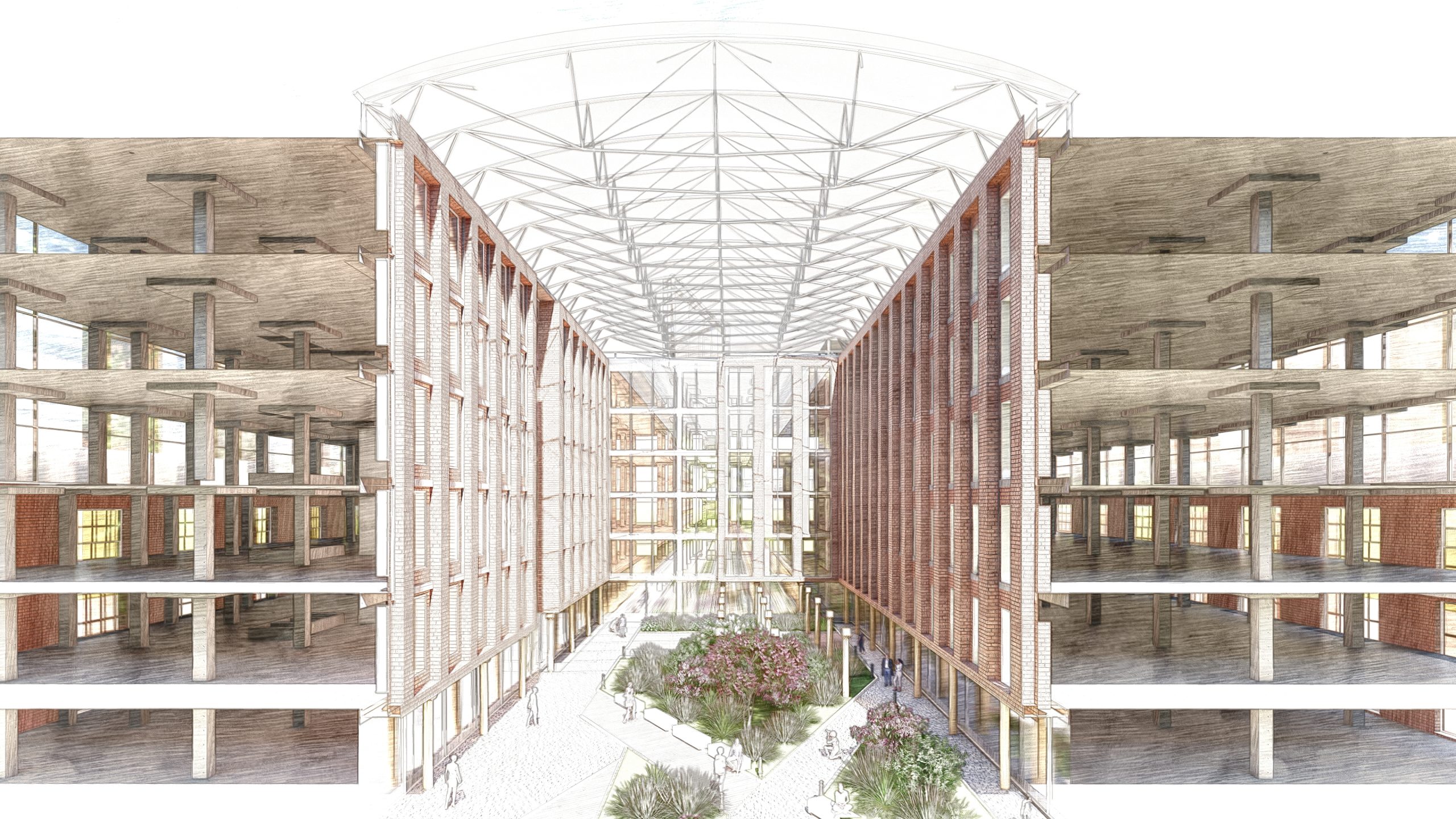
Smart Concepts for Lasting Results
ETFE Details: What Should Be Considered First?
Concept planning and ETFE design requirements
The concept phase transforms an initial idea into a clear and achievable plan. Structural spans, cushion or foil geometry, support systems, daylight, solar control, acoustics, climate and budget all influence the final solution. These decisions are considered together rather than treated as separate elements. Lightspan also evaluates interfaces between ETFE systems and structures, gutters, steelwork and adjacent building components. This early coordination helps reduce changes later in the project. Learn more about our ETFE architecture and building envelope services.
What ETFE details matter at concept stage?
Important details include the proposed ETFE system, support structure, panel or cushion arrangement, drainage, edge conditions, access, environmental loads and connections to surrounding construction. For fire safety, the complete system and its tested configuration must be assessed rather than relying only on the properties of the material itself, as explained in UK government fire-safety guidance.
ETFE Details: How Do They Shape the Design?
ETFE foil, cushions and structural interfaces
ETFE can be used as a single-layer foil system or as a multi-layer pneumatic cushion. The choice affects geometry, transparency, insulation, solar control and structural behaviour. The relationship between foil, aluminium profiles, keder connections and the primary structure is therefore central to the concept. Lightspan develops these relationships with architects, engineers and contractors from the beginning. Our ETFE Design service continues this process from concept development into detailed design.
Climate, acoustics and performance
ETFE details also depend on the building’s location and use. Wind, snow, solar radiation, temperature, ventilation and internal comfort can influence the design. Acoustics may also become important in airports, sports venues, atria and public buildings. Addressing these factors early creates a more reliable basis for engineering and cost planning.
ETFE Details: How Does Lightspan Develop a Concept?
From feasibility to coordinated building envelope
Lightspan Concept provides a structured route from the first idea to a technically realistic solution. The team evaluates feasibility, materials, geometry and interfaces while considering architectural intent and project constraints. This approach connects concept work with later engineering, fabrication and installation, helping maintain consistency throughout the project.
Collaboration between architects and engineers
Good ETFE details are developed through collaboration. Architects, structural engineers, façade consultants, contractors and other stakeholders need a shared understanding of geometry, performance and interfaces before construction begins. Lightspan’s concept service provides this early framework and supports informed decisions before the project moves forward.
ETFE Details: Why Are They Important?
What do ETFE details achieve?
Clear ETFE details establish a practical roadmap for design, engineering and construction. They help identify technical risks early, coordinate interfaces and align architectural ambition with structural, climatic and financial requirements. The result is a stronger foundation for the next project phase.
Where can ETFE details be applied?
ETFE detailing is relevant to stadium roofs, atria, skylights, façades, canopies, botanical gardens, transport buildings and other large-span envelopes. Lightspan’s ETFE projects demonstrate how these principles are applied to different building types and scales.
FAQ: ETFE Details
What is ETFE details?
ETFE details are the technical design decisions covering foil or cushion systems, structure, connections, geometry, environmental performance and building interfaces.
Why are ETFE details important?
They help establish feasibility, coordinate different disciplines and identify structural, climatic, acoustic and construction requirements early.
What are common ETFE systems?
Common approaches include single-layer ETFE foil and multi-layer pneumatic ETFE cushions, depending on the project’s geometry and performance requirements.
When should ETFE details be developed?
They should be considered during the concept stage and progressively developed through design and engineering before fabrication and installation.