
Fabrication Excellence
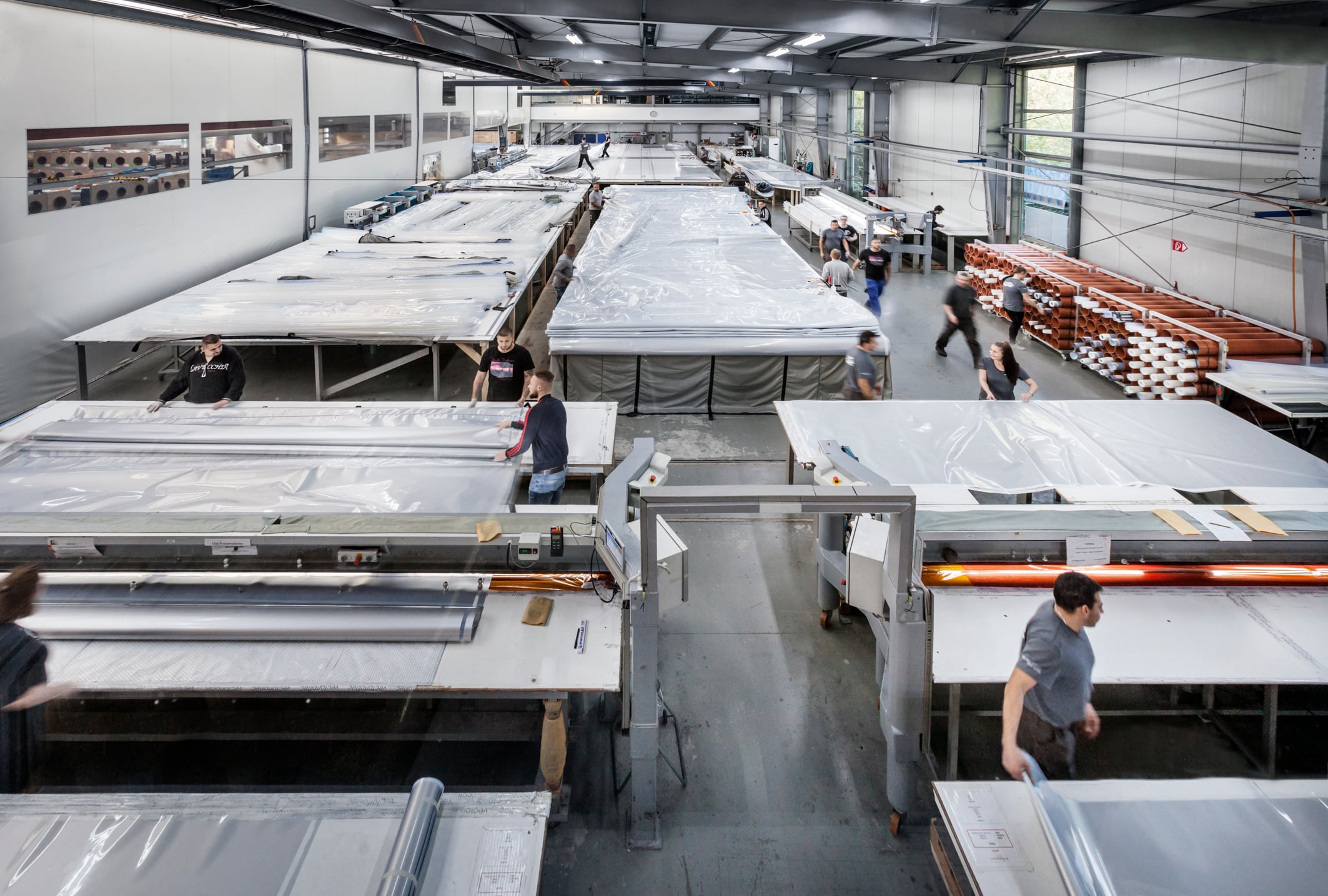
At Lightspan, fabrication is where precision meets execution. Our teams turn engineered designs into high-quality components that ensure performance and durability.
ETFE Penels: Fabrication from Concept to Completion
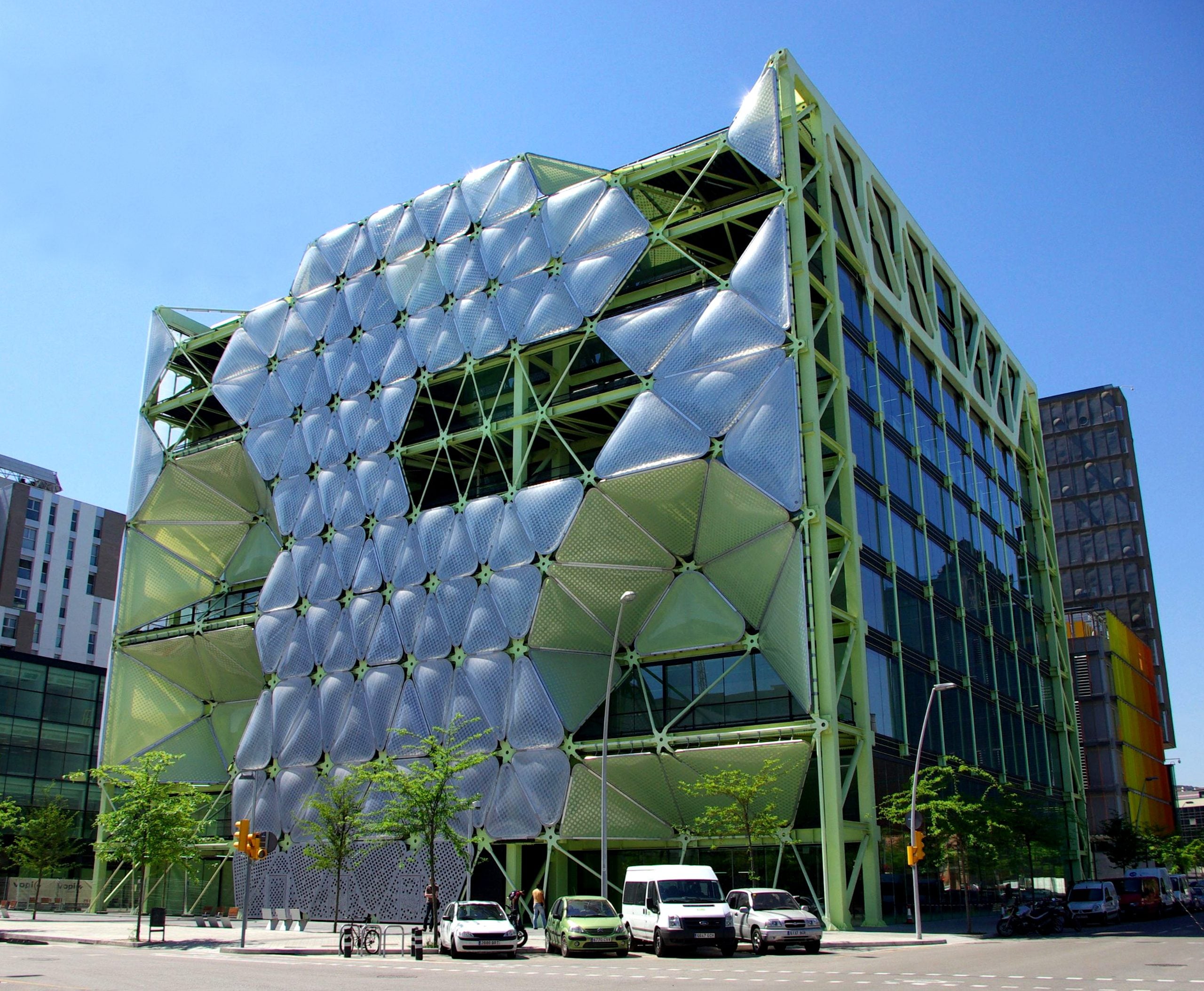
What are ETFE penels? More commonly written as ETFE panels, they are lightweight building envelope components made from ethylene tetrafluoroethylene (ETFE) foil. Depending on the project, ETFE panels can be produced as single-layer foil systems or integrated into multi-layer cushion systems for roofs, façades, skylights and canopies.
At Lightspan, fabrication is where precision meets execution. Our teams turn engineered designs into components that fit the requirements of the final ETFE structure. The process connects design, engineering and production, from the first material preparation through to finished components.
ETFE Penels: How Are ETFE Panels Fabricated?
ETFE foil panels and building envelope components
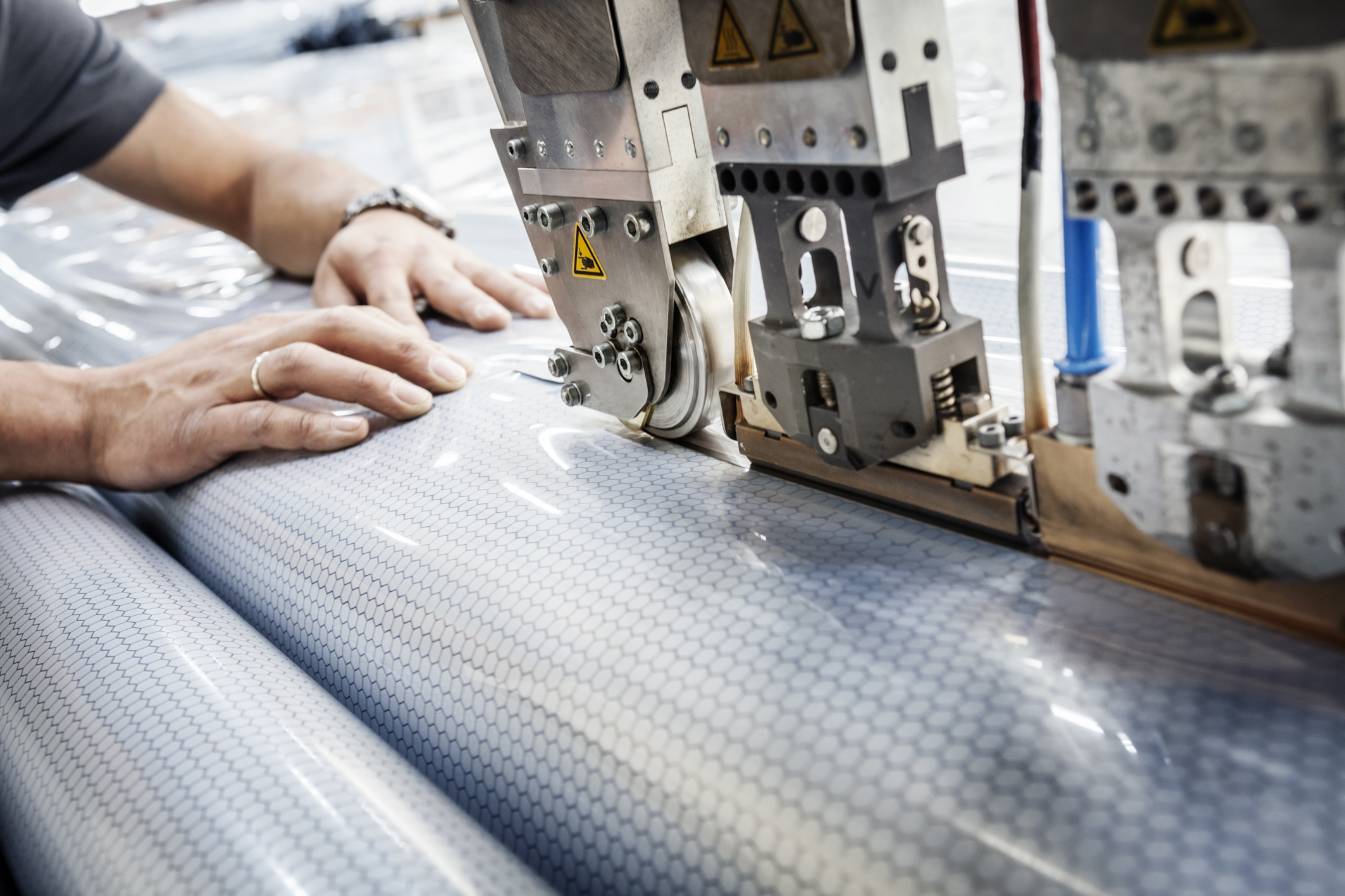
ETFE fabrication requires accurate cutting, welding and assembly. The geometry of each panel or cushion is developed from the engineered design so that the finished component can be installed correctly within its supporting structure.
With two production facilities, Lightspan manages fabrication under controlled manufacturing conditions. Every element is produced according to defined quality assurance procedures, supporting accuracy, consistency and reliable delivery.
Fabrication at Lightspan
ETFE foil systems and cushion fabrication
For multi-layer applications, ETFE foil can be welded into cushions and fitted with perimeter connections. These cushions are pneumatically supported and can form large transparent roof and façade areas. Lightspan explains the construction and function of these systems in its technical guide to what an ETFE system is.
ETFE Penels: Why Does Fabrication Matter?
ETFE panels, membranes and transparent façades
Fabrication is the link between an engineered concept and the physical building component. Lightspan specialists combine production equipment with practical experience to optimize manufacturing processes, reduce material waste and maintain consistent component quality.
This integration is particularly important for complex ETFE geometries. Fabricated elements must correspond with the surrounding structure, profiles, connections and installation sequence.
ETFE panel production from concept to reality
Every project starts with a concept, but it only becomes reality through fabrication. At Lightspan, dedicated teams manufacture each element with precision, ensuring that components fit seamlessly into the final structure. From raw materials to finished components, each stage is coordinated with the wider project requirements.
Our ETFE fabrication service covers applications including ETFE foil roofs, ETFE cushion systems, ETFE skylights and ETFE canopy structures.
ETFE Penels: Where Are They Used?
ETFE roofing, façades and large-span structures
ETFE panels and foil systems are used in stadiums, airports, atriums, commercial buildings and other large-span structures where low weight and daylight transmission are important. ETFE can also accommodate complex geometries that would be difficult to achieve with conventional glazing.
For an overview of ETFE in architecture, see Lightspan’s guide to ETFE roofs and façades.
ETFE Penels: What Makes the Material Suitable?
ETFE panels and ETFE foil properties
ETFE is a fluoropolymer known for its low weight, high light transmission, weather resistance and mechanical performance. Technical material data published by Chemours provides tested properties for ETFE fluoropolymer film.
What are ETFE Penels?
ETFE penels, correctly spelled ETFE panels, are building envelope components manufactured from ETFE foil for roofs, façades, skylights and other transparent structures.
Are ETFE panels the same as ETFE cushions?
Not always. An ETFE panel can refer to a single-layer foil element, while an ETFE cushion usually consists of two or more welded foil layers supported by low air pressure.
Where are ETFE panels used?
ETFE panels and cushion systems are commonly used for large-span roofs, façades, atriums, stadiums, transport hubs and canopies.
How are ETFE panels fabricated?
ETFE panels are fabricated through processes such as digital cutting, foil welding, edge detailing and assembly. The exact process depends on the geometry and system design.