
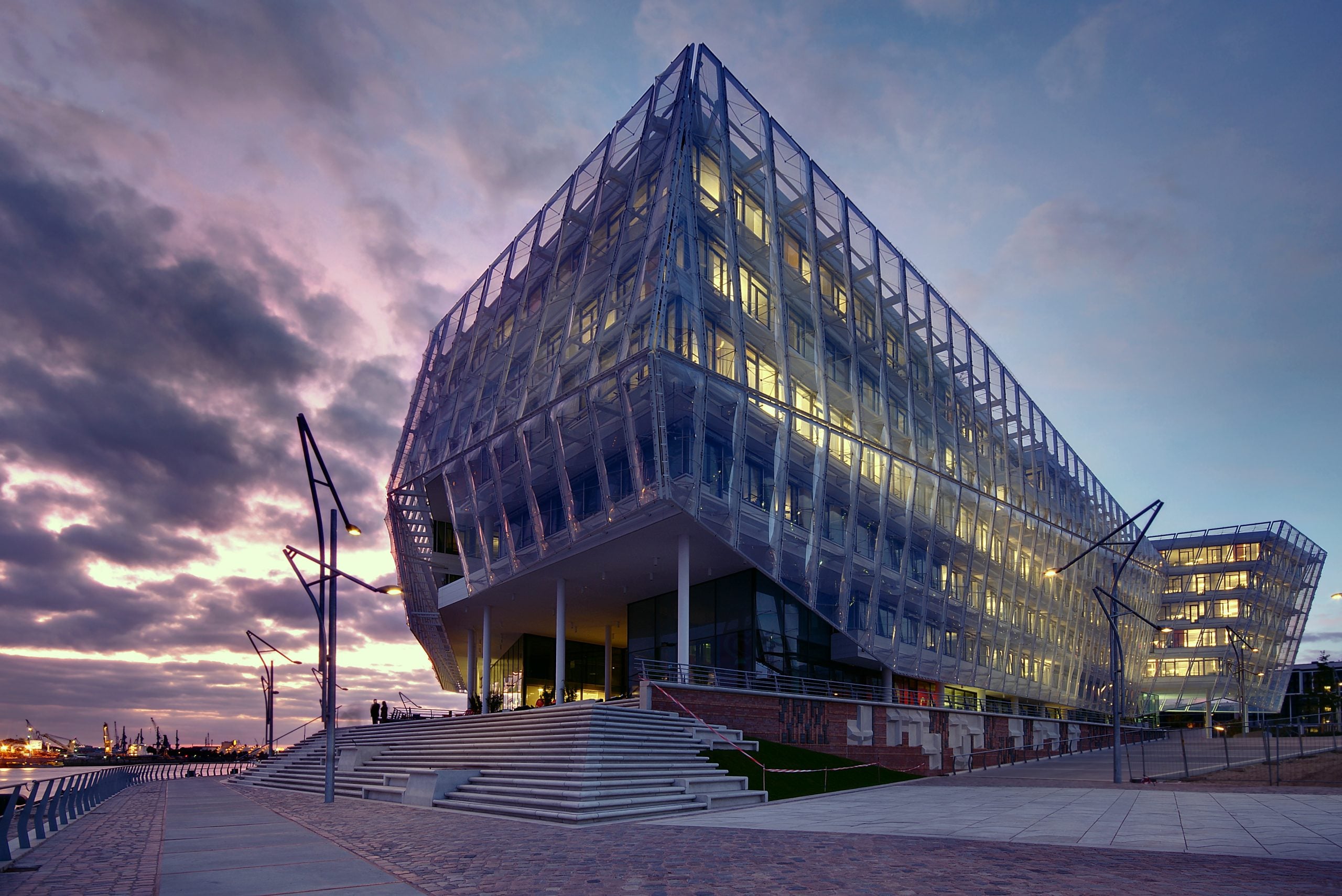
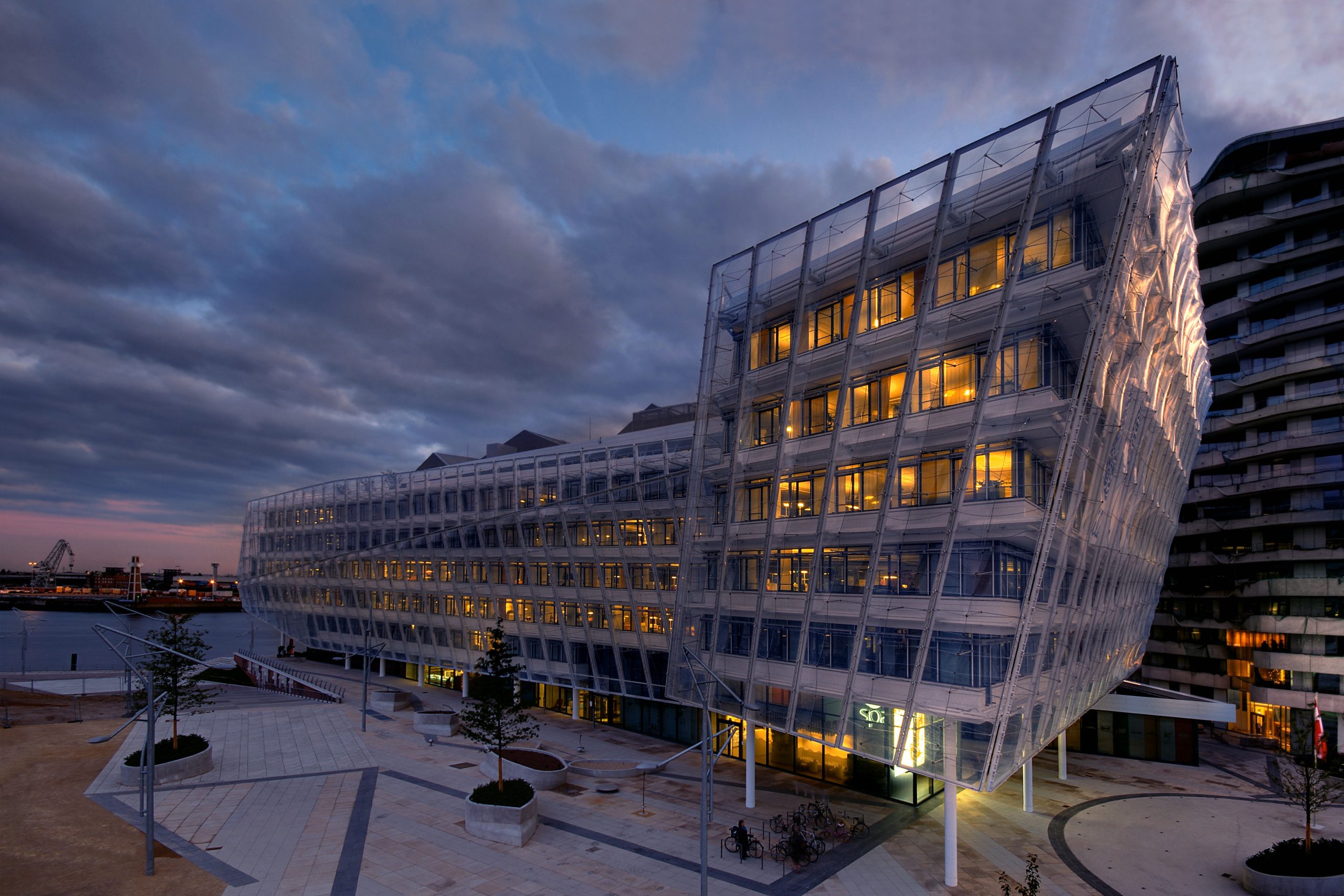
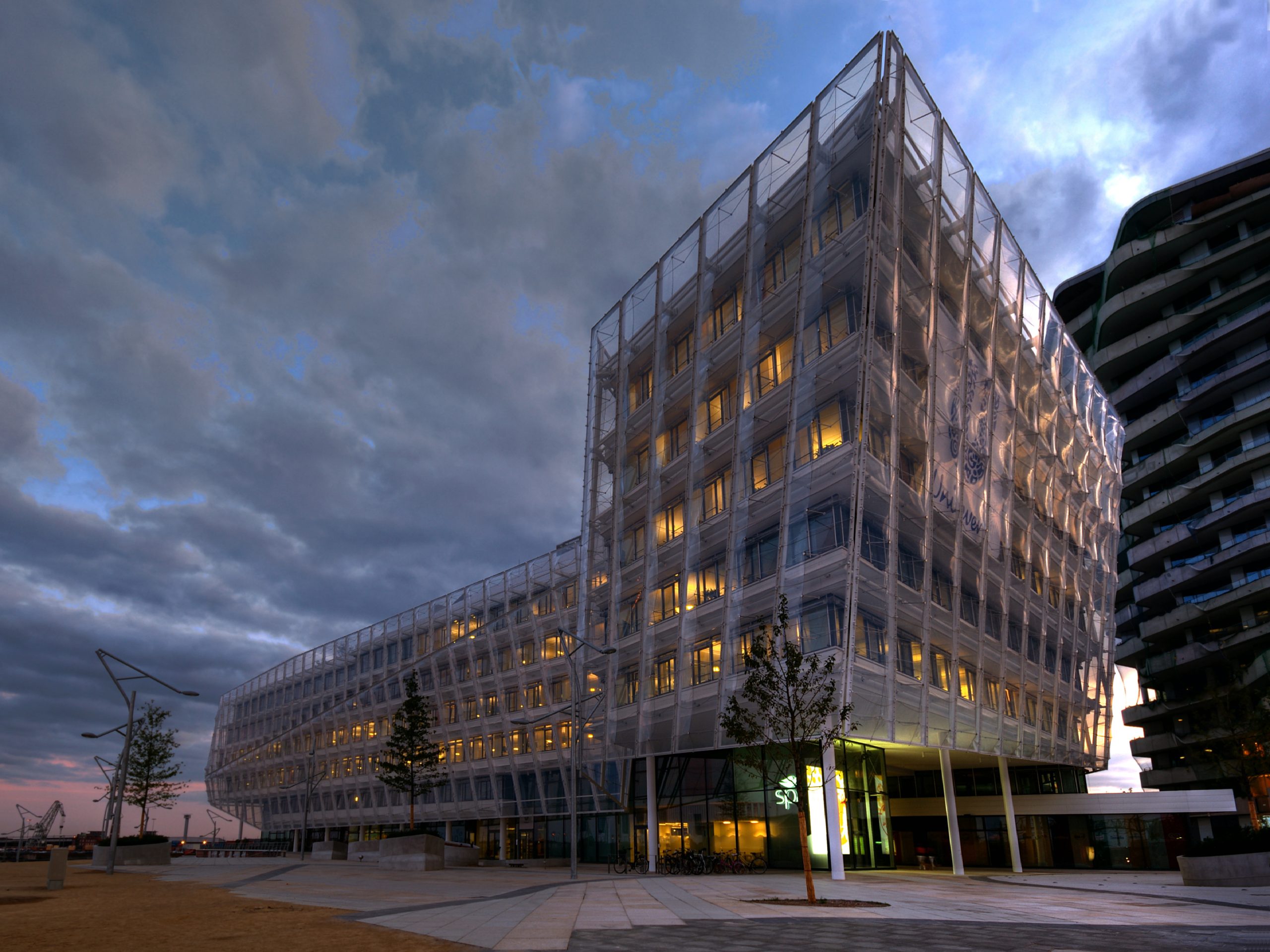
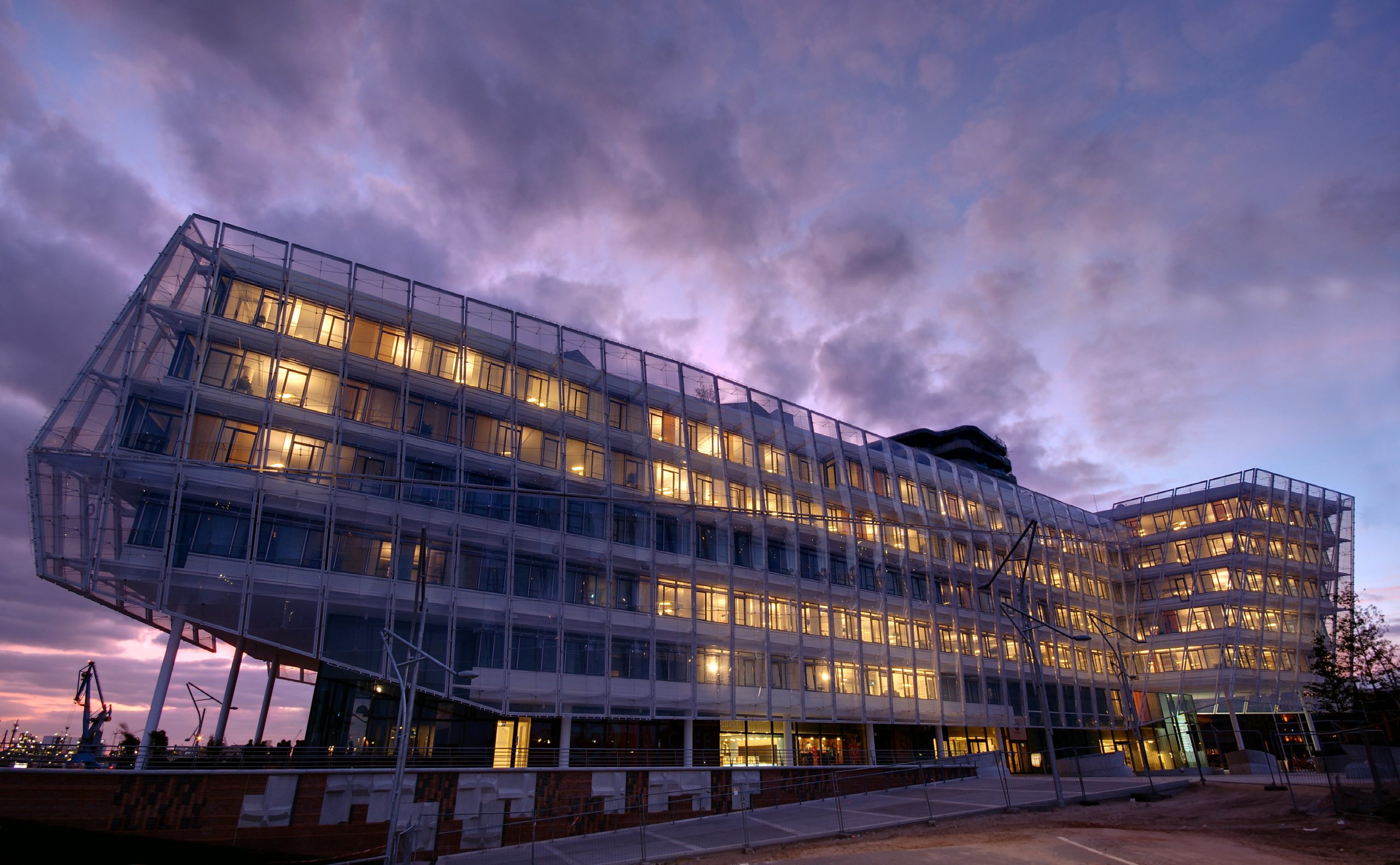
ETFE Membrane in the Unilever Hamburg Headquarters
ETFE Membrane for Sustainable Building Unilever Hamburg
What is etfe membrane? An etfe membrane is a lightweight fluoropolymer material used in modern building envelopes. It allows high levels of natural daylight, reduces structural weight, and supports energy-efficient façade design. The Unilever Hamburg headquarters demonstrates how an ETFE membrane can improve comfort, daylight performance, and architectural flexibility in a commercial office building.
Located in Hamburg, Germany, the Unilever headquarters features Lightspan’s Texlon® ETFE façade system, creating transparent building surfaces that balance solar control with interior comfort.
How Does an ETFE Membrane Improve Building Performance?
The etfe membrane used on the Unilever building consists of multi-layer ETFE cushions. These cushions provide insulation while allowing daylight to penetrate deep into the workspace.
Compared with conventional glass façades, ETFE systems reduce structural loads because the material is significantly lighter. Carefully printed membrane layers also help manage solar gain, limiting overheating while maintaining bright interior spaces.
ETFE Cushions and Lightweight Façade Systems
Multi-layer ETFE cushions create air-filled chambers that improve thermal performance without sacrificing transparency. This solution is widely used for offices, stadiums, botanical gardens, and public buildings where daylight and reduced energy demand are priorities.
Transparent Building Envelope Solutions
A transparent ETFE façade provides clear visual connections between indoor and outdoor spaces while reducing the need for artificial lighting during daytime hours.
Why Was an ETFE Membrane Selected for Unilever Hamburg?
The Unilever headquarters required a façade that combined daylight, energy efficiency, and architectural freedom.
The ETFE membrane system supports these objectives by creating comfortable working environments while reducing the amount of construction material required compared with traditional glazed façades.
Solar Control with ETFE Technology
Printed ETFE layers regulate solar radiation throughout the year, helping maintain stable indoor temperatures and improving occupant comfort.
Energy-Efficient Office Façades
Natural daylight reduces dependence on electric lighting, contributing to lower operational energy use and improved workplace quality.
Where Are ETFE Membrane Systems Commonly Used?
Beyond corporate headquarters, ETFE membrane structures are frequently installed in airports, sports arenas, exhibition centres, greenhouses, and public buildings where lightweight roofing and transparent façades are required.
Can an ETFE Membrane Replace Glass?
In many façade and roof applications, yes. ETFE offers lower weight, high light transmission, weather resistance, and design flexibility, although the appropriate material always depends on structural and performance requirements.
How Does Lightspan Deliver ETFE Membrane Solutions?
ETFE Membrane for Sustainable Building Unilever Hamburg
Lightspan designs and installs ETFE façade and roofing systems for commercial and public buildings worldwide. The Unilever Hamburg project demonstrates how ETFE technology can combine architectural expression with practical building performance.
Learn more about our ETFE façade systems, ETFE roofing solutions, and completed ETFE projects to explore additional applications.