
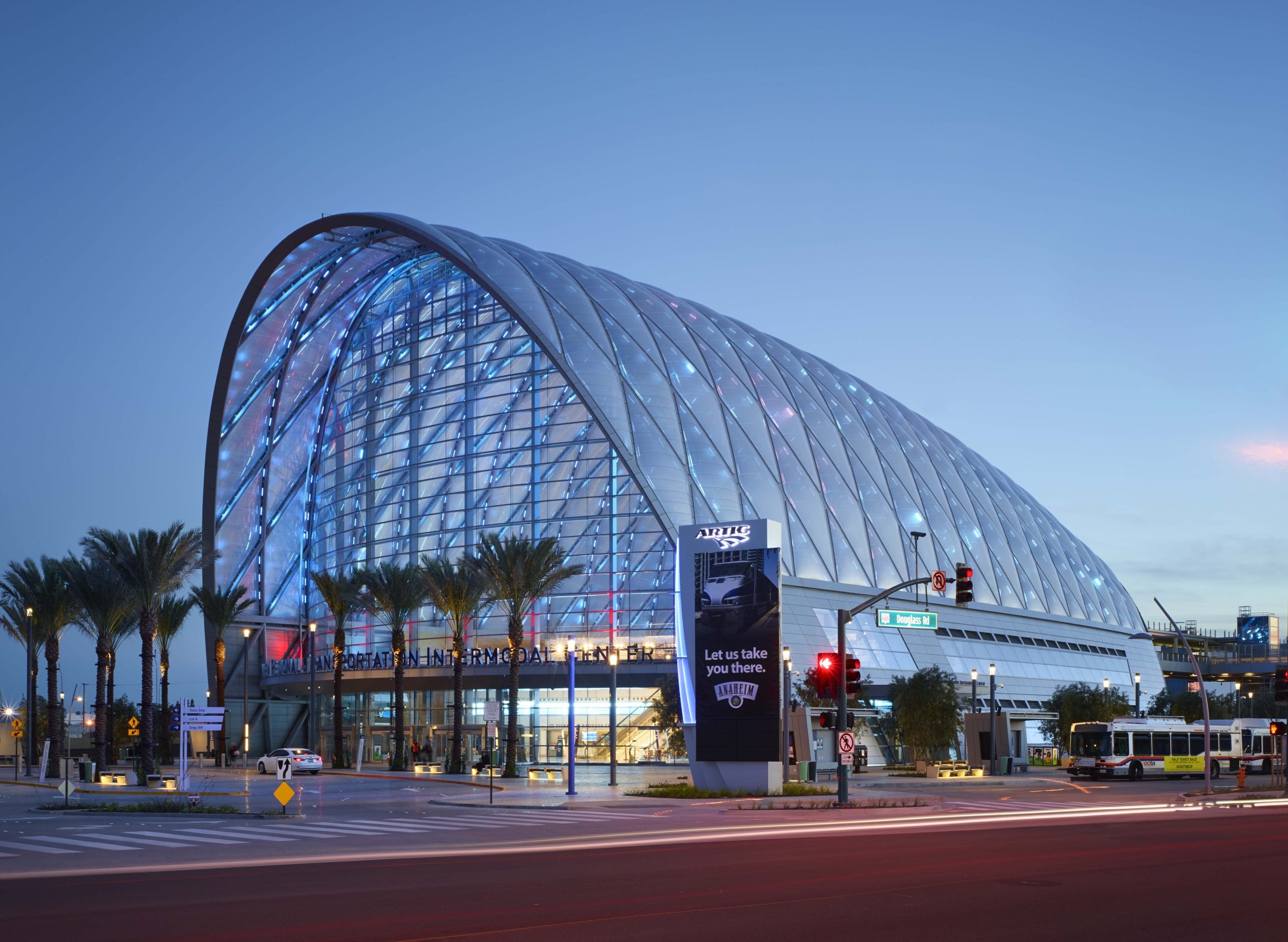
Artic Complex, Artic Roofing: ETFE Roof Detail, Engineering & BIM Coordination
Artic complex, artic roofing refers to the planning, engineering, and coordination of ETFE roofing systems used on architecturally demanding buildings. It covers structural connections, drainage, façade interfaces, BIM modeling, fabrication data, and installation planning. Accurate ETFE roof detailing helps reduce construction conflicts, supports efficient installation, and improves long-term roof performance.
Whether the project involves freeform geometry, lightweight roof structures, or large-span architectural designs, a coordinated ETFE roof detail ensures every component works together from design through fabrication.
What Is Artic Complex, Artic Roofing and Why Is It Important?
An artic complex, artic roofing solution defines how ETFE cushions or foil systems connect to structural steel, aluminum framing, drainage systems, façades, and adjacent building elements. It also includes movement joints, fixing details, tolerances, and maintenance access.
Well-planned detailing minimizes site adjustments and allows architects, engineers, and contractors to coordinate complex roof geometries before construction begins.
ETFE Roof Design and Digital Modeling
Every project starts with feasibility studies, geometry verification, and surface analysis. Initial scans help identify installation constraints and improve constructability before fabrication begins.
BIM Coordination and 3D Roof Planning
Detailed BIM models support clash detection, profile layouts, section planning, and coordination between structural engineers, façade consultants, and fabrication teams throughout the project lifecycle.
How Does Artic Complex, Artic Roofing Improve Structural Coordination?
Structural coordination is one of the most important stages of ETFE roof engineering.
Substructure Engineering and Connection Design
Substructure concepts are developed together with structural engineers and refined using verified survey data. Connection points, support profiles, and interface details are coordinated before production.
Movement Joints and Building Interfaces
Expansion joints, façade transitions, and roof edge conditions are designed to accommodate thermal movement while maintaining structural stability and weather resistance.
What Should Every Artic Complex, Artic Roofing Detail Include?
Every roof detail should clearly define:
- Structural connections
- Support systems
- Drainage paths
- Material interfaces
- Installation tolerances
- Maintenance access
How Does Artic Complex, Artic Roofing Handle Drainage and Roof Performance?
Proper drainage protects ETFE roofing systems from standing water and long-term maintenance issues.
Gutter Planning and Water Management
Gutters and drainage components are coordinated using verified scan data to maintain correct slopes and water flow across the roof surface.
Integration with Solar and Building Systems
Where photovoltaic systems are installed, roof geometry and support layouts are coordinated so both the roofing system and solar installation function without conflicts.
Why Is Drainage Critical for Artic Complex, Artic Roofing?
Effective drainage reduces ponding, protects structural components, and supports reliable roof performance throughout the building’s service life.
How Does Artic Complex, Artic Roofing Support Digital Fabrication?
Accurate digital information allows fabrication teams to manufacture roof components with fewer revisions during installation.
Production Data and Fabrication Models
Final production models include standing seam layouts, substructure geometry, fabrication drawings, and installation sequencing based on verified project data.
ETFE Roofing and Parametric Design
Parametric modeling makes it easier to adapt complex roof geometries while maintaining consistent fabrication information and coordination across multiple disciplines.
Can Artic Complex, Artic Roofing Reduce Construction Delays?
Yes. Coordinated BIM workflows, verified survey data, and accurate fabrication models help identify clashes before construction begins, reducing costly site modifications.
What Can Be Learned from the ARTIC Architecture Project?
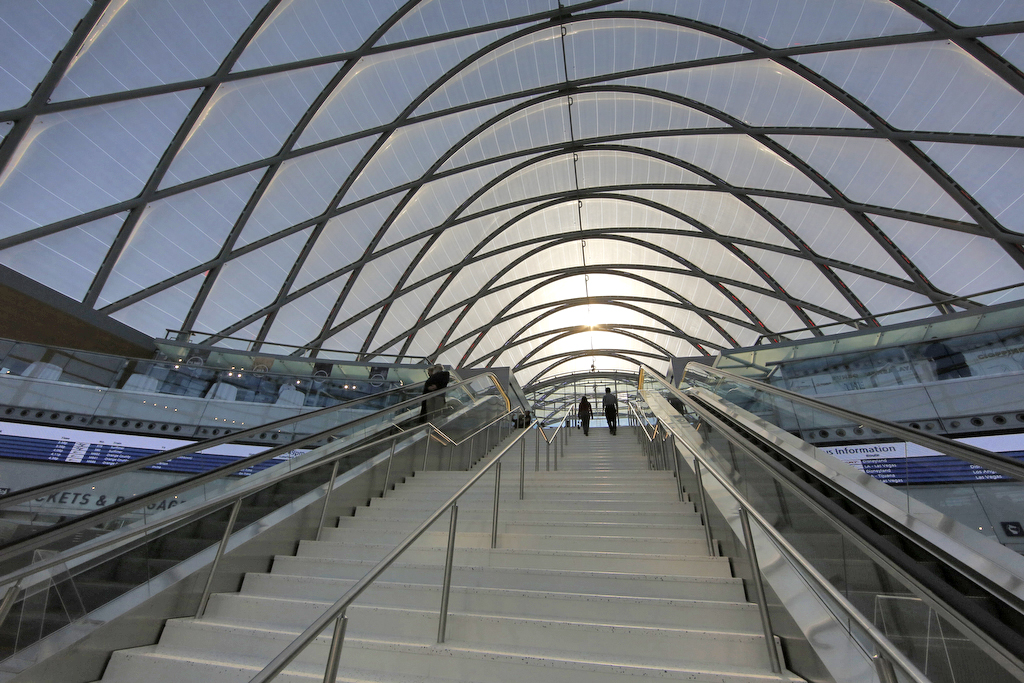
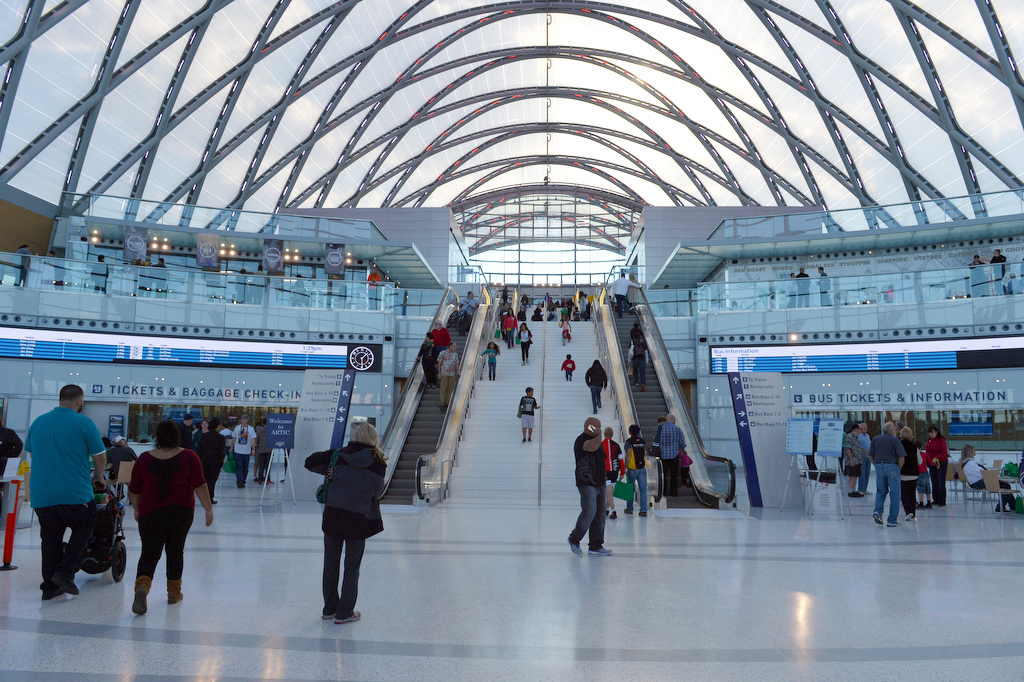
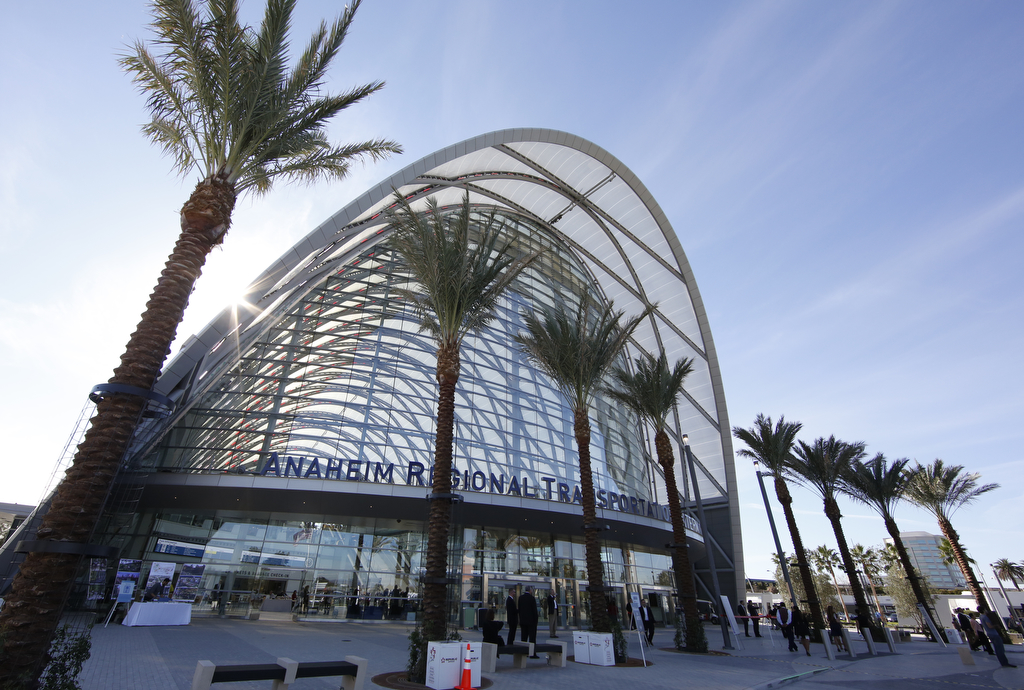
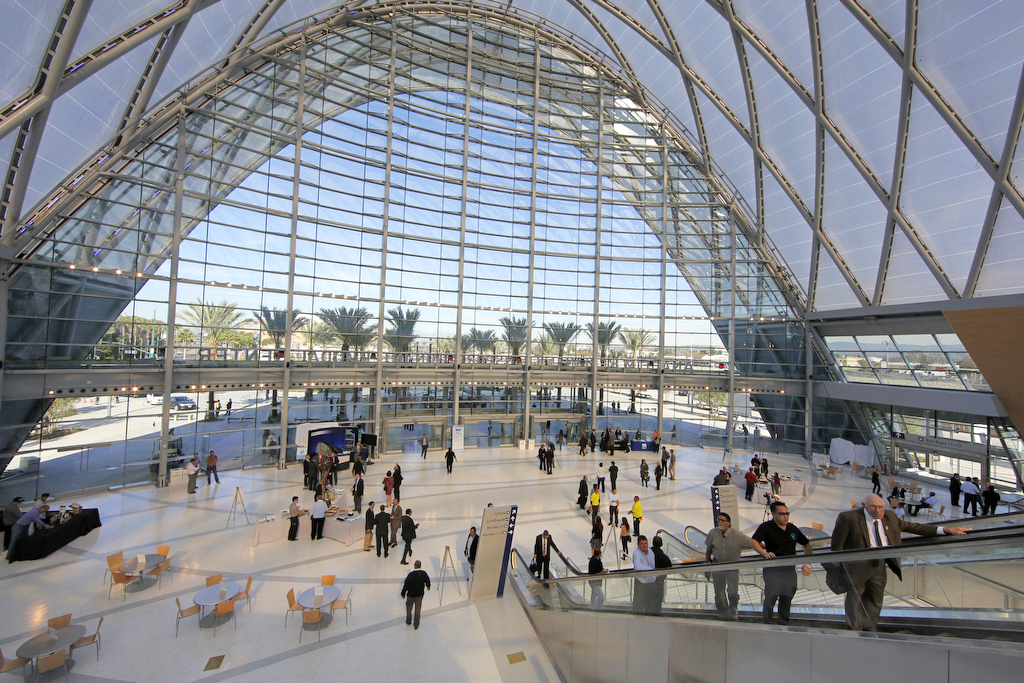
The ARTIC architecture project demonstrates how coordinated ETFE detailing, structural engineering, BIM integration, and digital fabrication support complex architectural forms. The project highlights the value of early coordination between architects, façade engineers, structural consultants, and installers throughout the design and construction process.
For additional project information, explore internal resources on BIM Modeling, Facade Engineering, and Roof Structure Design.
For technical guidance, refer to the ETFE Association (https://etfe.org) and the International Association for Shell and Spatial Structures (IASS) (https://iass-structures.org).