

New Gymnasium Bochum and the Benefits of an ETFE Membrane Roof
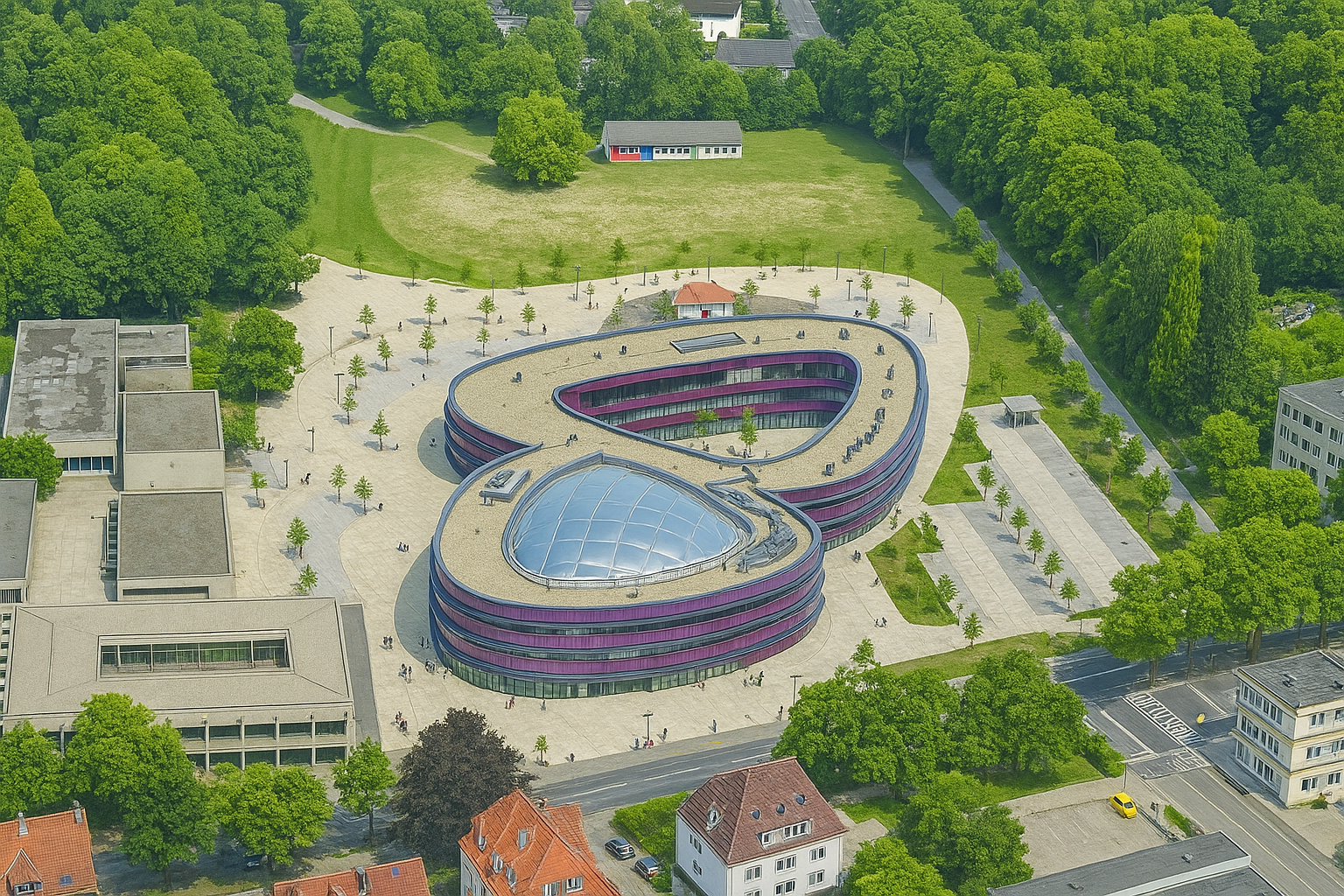
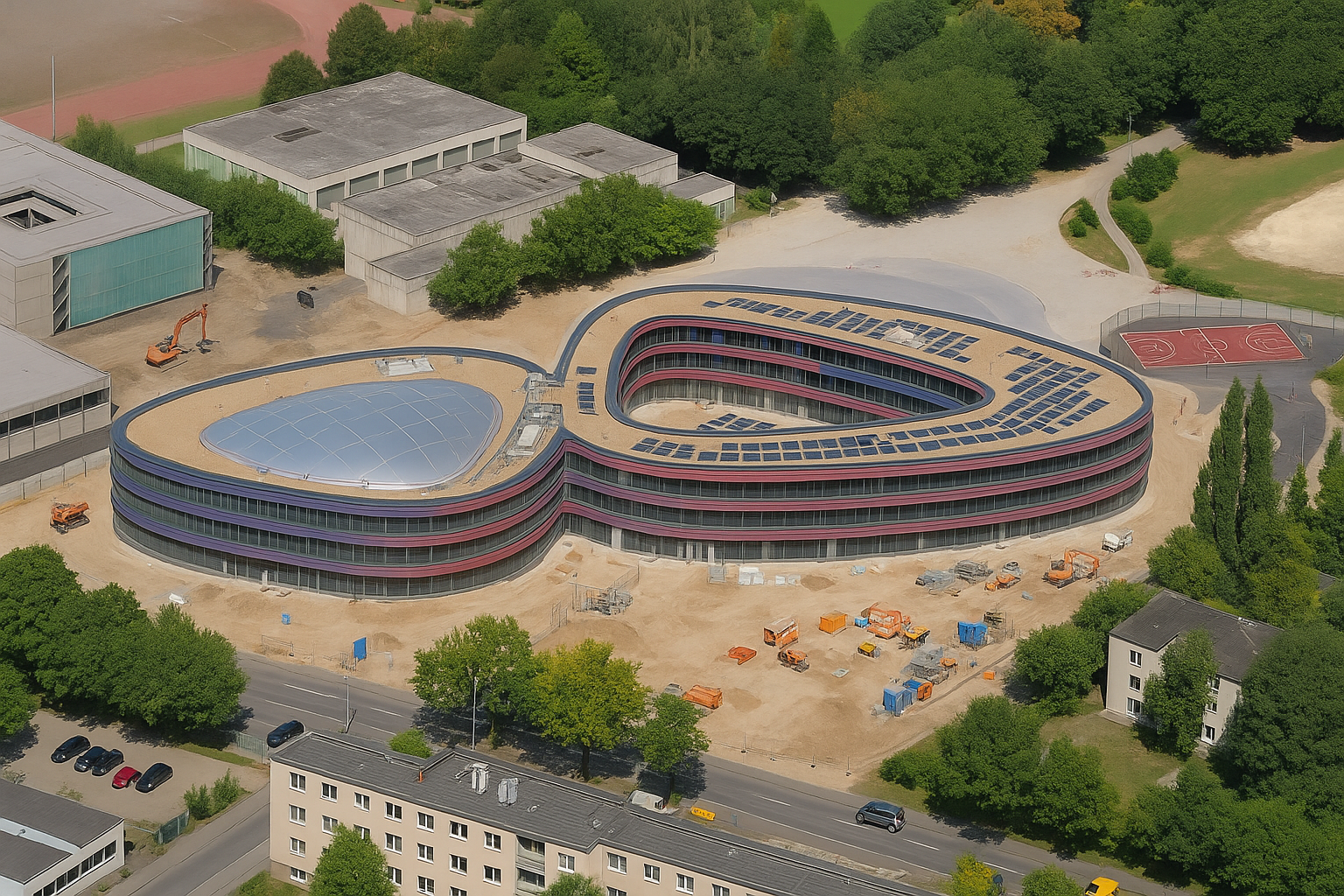
An ETFE membrane roof is a lightweight roofing system made from durable ETFE foil cushions that allow natural daylight to enter a building while reducing structural weight. At the New Gymnasium Bochum, the ETFE membrane roof plays an important role in creating bright learning spaces, improving energy performance, and supporting contemporary school architecture.
The project demonstrates how educational buildings can combine practical functionality, daylight access, and reduced energy consumption. Lightspan supplied and installed ETFE cushion systems that help create a comfortable environment for students, teachers, and visitors throughout the year.
How Does an ETFE Membrane Roof Improve School Buildings?
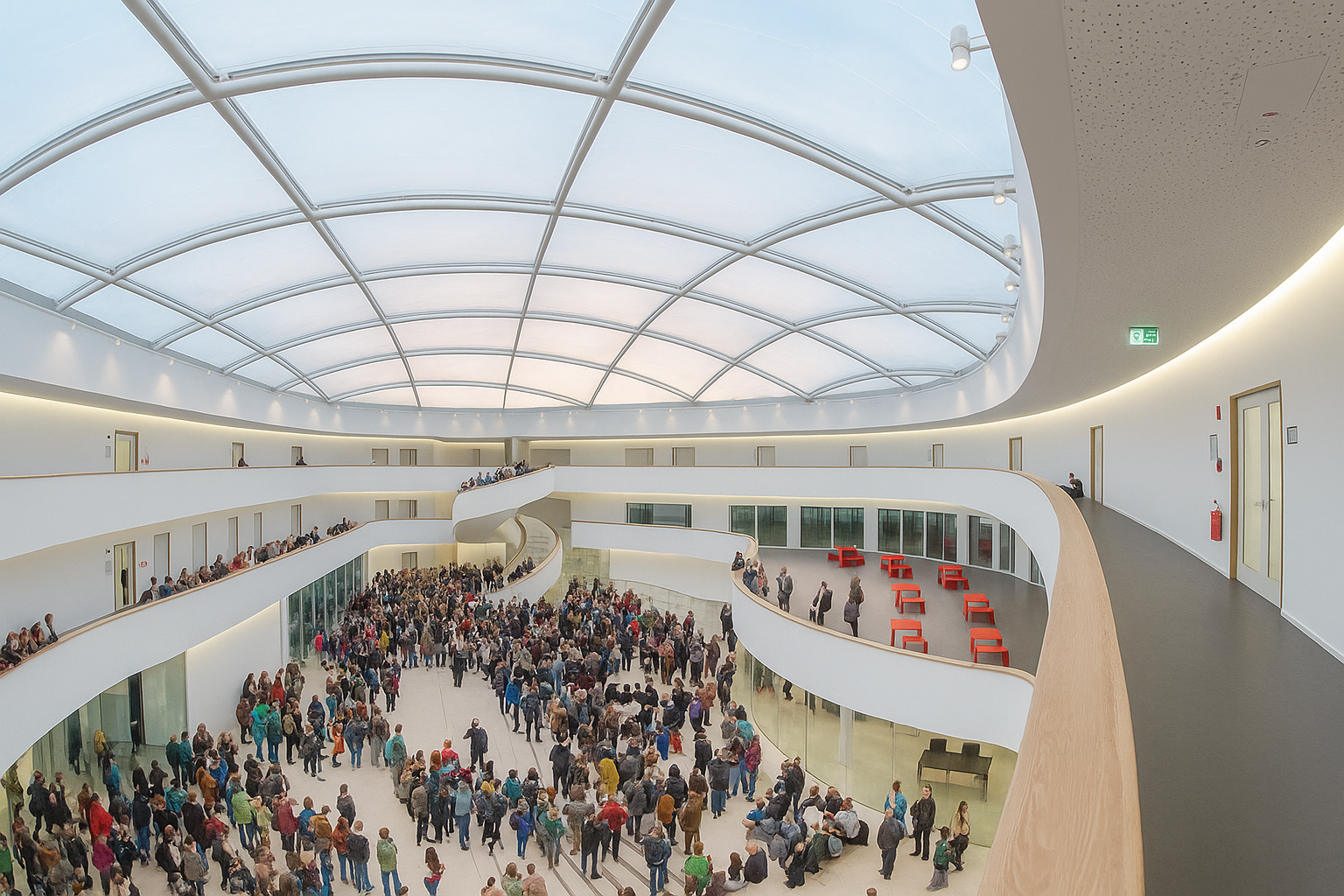
Schools require large, well-lit spaces that remain comfortable during changing weather conditions. The ETFE roof system used at New Gymnasium Bochum allows sunlight to reach classrooms, circulation areas, and communal spaces while reducing reliance on artificial lighting.
Compared with traditional glazing systems, ETFE cushions are significantly lighter, allowing architects to design larger roof spans with less supporting structure. This approach helps create open and welcoming educational environments.
ETFE Cushion Roof Systems and Natural Daylight
ETFE cushions transmit high levels of daylight, helping improve indoor brightness throughout the school day. Increased daylight can contribute to more pleasant learning spaces while lowering electricity consumption for lighting.
Lightweight Architectural Roofing Solutions
Because ETFE foil weighs only a fraction of conventional glass, architects can reduce structural loads and create visually open spaces that would be difficult to achieve with heavier materials.
Why Was an ETFE Membrane Roof Chosen for New Gymnasium Bochum?
The project team selected ETFE technology because it combines transparency, weather protection, and design flexibility. The roofing and façade systems work together to create a building envelope that supports comfort and efficient operation.
Transparent Roof Structures for Educational Facilities
Transparent ETFE roofing allows students and staff to benefit from daylight without sacrificing weather protection. This balance is particularly valuable in schools where indoor comfort directly affects daily use.
Sustainable Building Envelope Solutions
ETFE cushions help improve thermal performance while reducing the amount of construction material required compared with heavier roofing systems.
What Are the Main Advantages of an ETFE Membrane Roof?
An ETFE membrane roof offers several practical advantages:
- High daylight transmission
- Low structural weight
- Resistance to weather and UV exposure
- Flexible architectural design options
- Reduced maintenance requirements
- Long service life
ETFE Roofing Technology and Energy Efficiency
By increasing daylight penetration and supporting insulation performance, ETFE roofing systems can help reduce overall building energy demand.
Lightweight Roof Design for Large Spans
Educational buildings often require large open areas such as sports halls and assembly spaces. ETFE cushions make these expansive roof structures easier to achieve.
How Did Lightspan Deliver the ETFE Membrane Roof Project?
Successful ETFE construction requires coordination between architects, engineers, fabricators, and installation teams. Lightspan provided modeling, manufacturing, and installation services to ensure that the ETFE system met project requirements for durability, performance, and usability.
ETFE Façade and Roof Integration
The integration of ETFE elements across both roof and façade areas creates a consistent building envelope while maximizing daylight access throughout the facility.
What maintenance does an ETFE membrane roof require?
ETFE surfaces are naturally smooth and are often cleaned by rainfall. Regular inspections are typically sufficient to maintain long-term performance.
How long does an ETFE membrane roof last?
Many ETFE systems are designed to remain functional for several decades when properly maintained and inspected.
Is an ETFE Membrane Roof the Future of Educational Architecture?
The New Gymnasium Bochum project demonstrates how ETFE technology can support future-focused educational buildings. By combining daylight access, reduced structural weight, and energy-conscious design, the project serves as an example for schools and public buildings across Germany and internationally.
Why do architects choose an ETFE membrane roof for schools?
Architects often select ETFE because it allows large transparent roof areas while keeping structural loads low and improving daylight distribution.
Can an ETFE membrane roof replace traditional glass roofs?
In many large-span applications, ETFE can provide similar transparency with significantly less weight, making it a practical alternative to glass.