
ETFE Cushion System at Lightspan Jönköping Werket
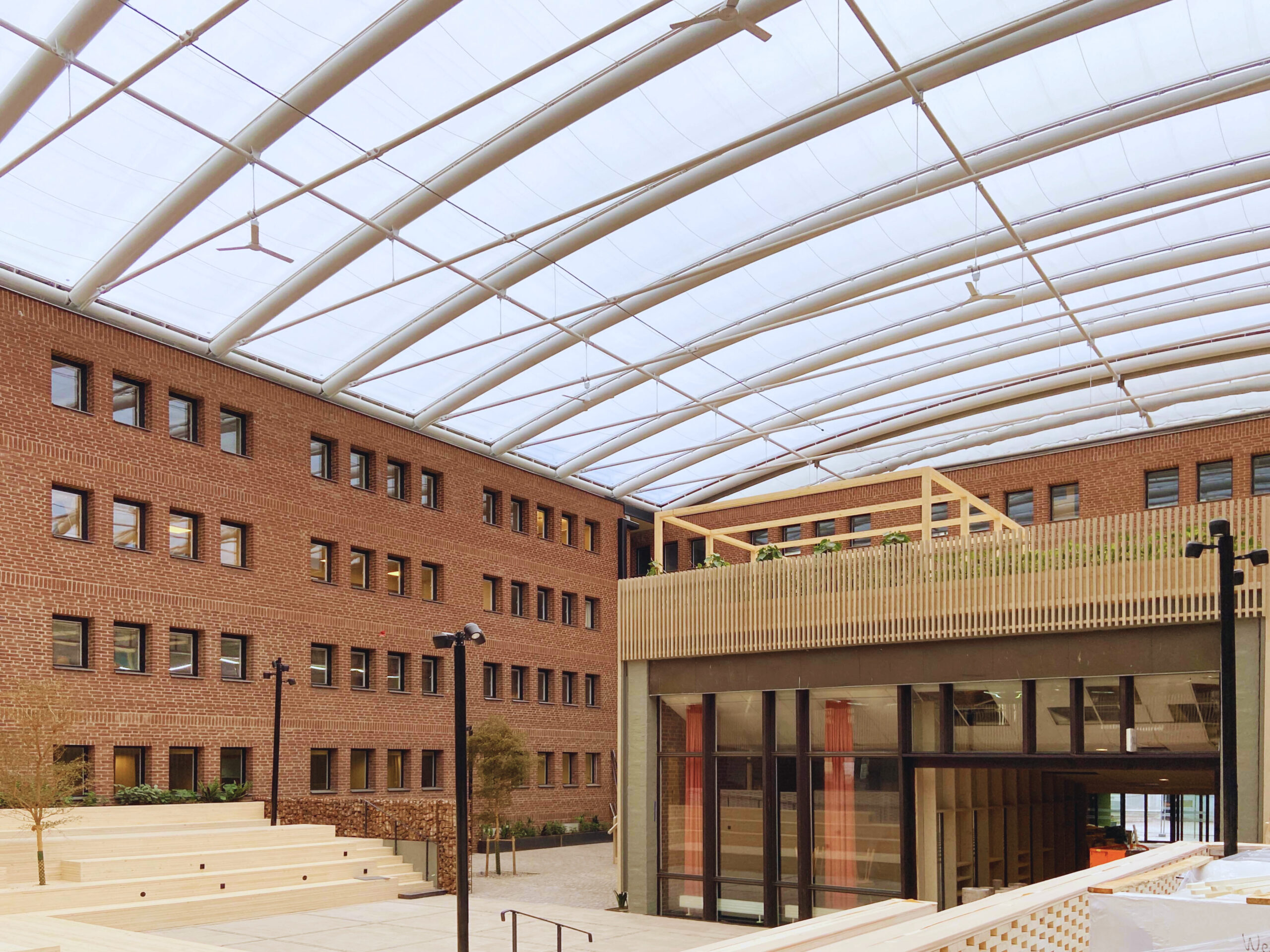
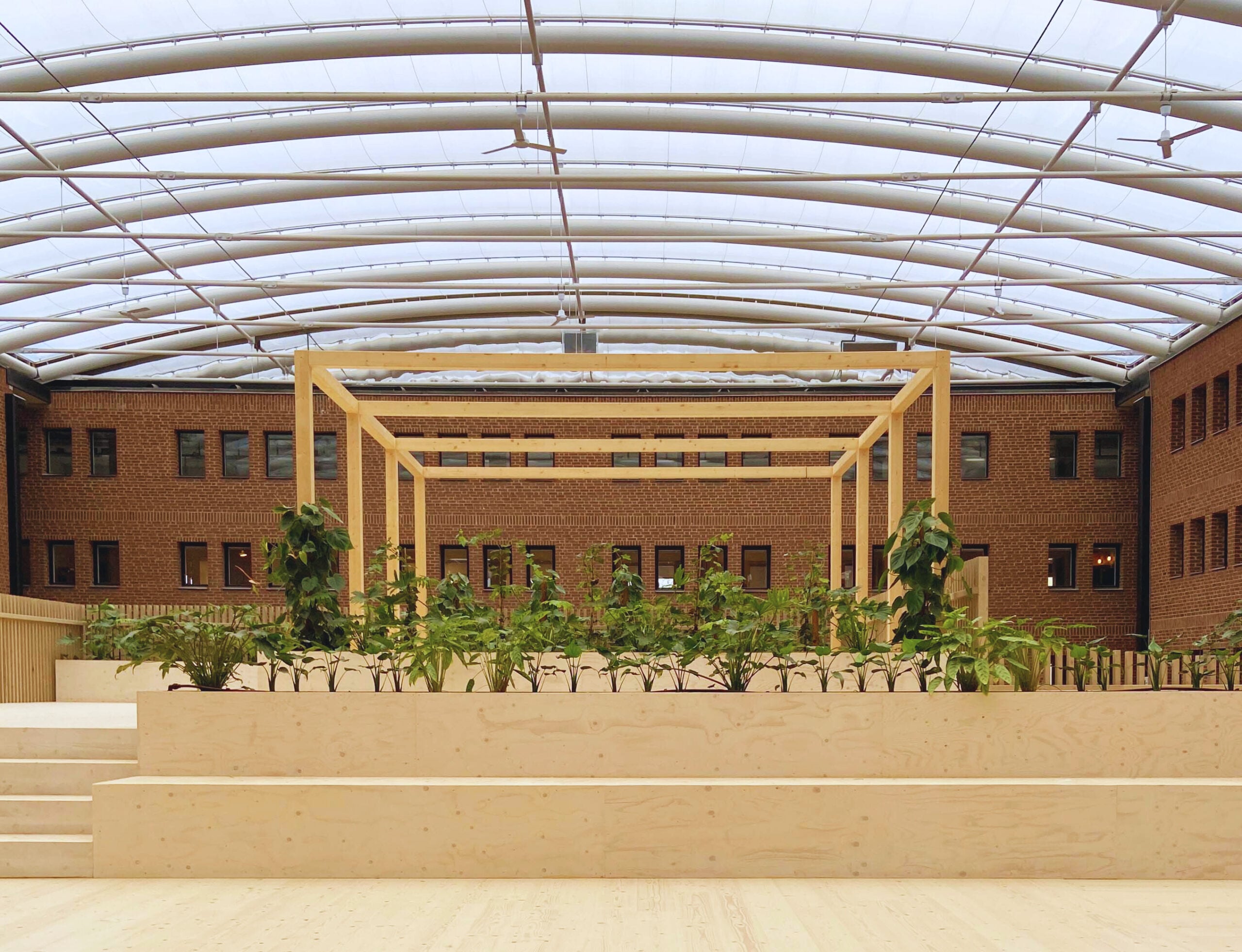
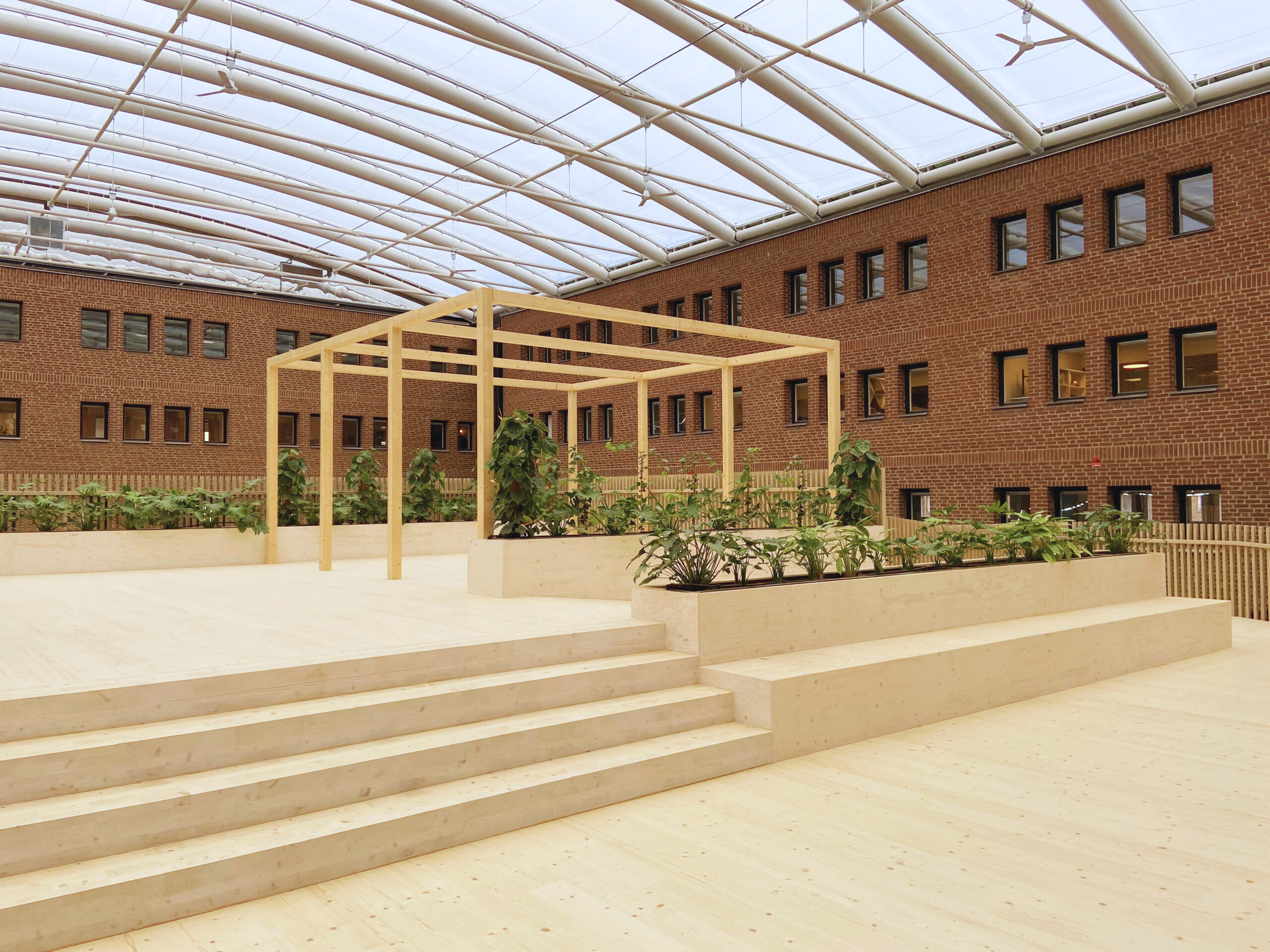
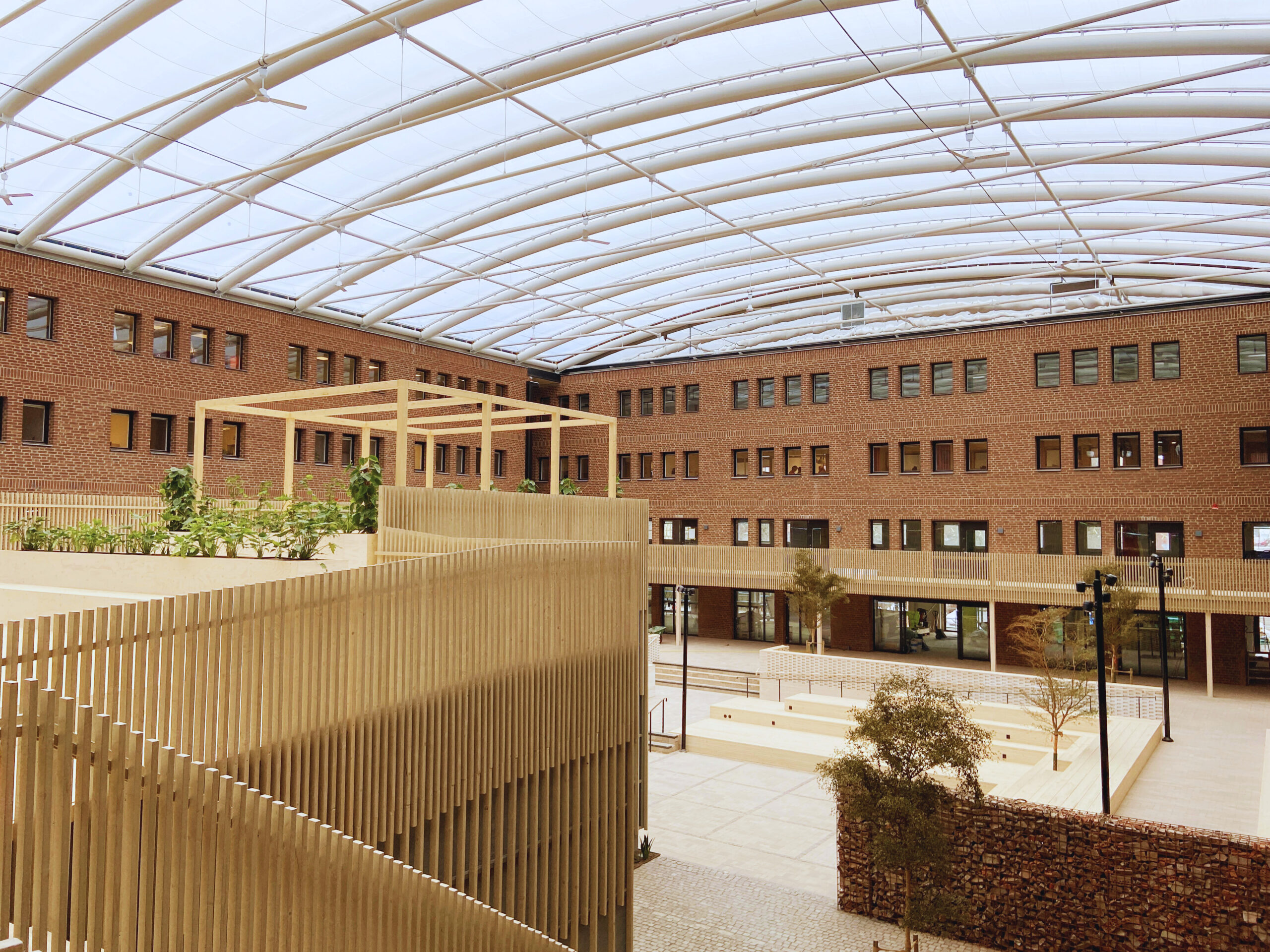
The Lightspan Jönköping Werket project showcases how an ETFE cushion system can transform public architecture while preserving openness, daylight, and design flexibility. Located in the center of Jönköping, Sweden, Werket combines historical character with contemporary construction methods to create a destination for events, culture, and community activities.
An ETFE cushion system consists of multiple layers of ETFE (ethylene tetrafluoroethylene) foil that are inflated with low-pressure air to form lightweight transparent cushions. These cushions replace traditional glass in many large-span structures and are widely used in stadiums, public buildings, atriums, and cultural venues.
What Is an ETFE Cushion System and Why Is It Used at Werket?
An ETFE cushion system is a building envelope solution made from durable ETFE membranes supported by an aluminum framework. The system allows large transparent roof and façade areas while reducing structural weight compared to conventional glazing.
For the Werket project, the technology helps create bright indoor spaces and supports the architectural vision of openness and accessibility.
ETFE Foil Architecture and Daylight Performance
ETFE cushions transmit a high percentage of natural daylight, helping reduce the need for artificial lighting during daytime hours. This creates a more comfortable environment for visitors and event attendees.
Pneumatic Cushion Technology in Public Buildings
The cushions are continuously supported by a controlled air supply system. This approach allows large spans with fewer structural elements, giving architects greater design freedom.
How Does the ETFE Cushion System Improve Building Performance?
The ETFE cushion system at Jönköping Werket contributes to energy efficiency and occupant comfort.
Lightweight Transparent Roofing Solutions
Because ETFE weighs significantly less than glass, supporting structures can often be reduced in size. This lowers structural loads while maintaining large transparent surfaces.
Thermal Control and Solar Management
Modern ETFE systems can include printed patterns and multiple foil layers that help manage solar gain and indoor temperatures throughout the year.
Why Is the ETFE Cushion System Suitable for Cultural and Public Spaces?
Public buildings require materials that balance functionality, visitor experience, and long-term operation.
The ETFE cushion system creates bright gathering spaces while maintaining a visually distinctive appearance. At Werket, this helps reinforce the site’s role as a landmark within Jönköping’s urban environment.
How Long Does an ETFE Cushion System Last?
ETFE membranes are known for their resistance to UV radiation, weather exposure, and environmental stress. Many installations are designed to perform for decades with routine maintenance.
How Does the ETFE Cushion System Support Future Urban Development?
The Lightspan Jönköping Werket project demonstrates how lightweight building technologies can contribute to future-focused urban architecture. By combining transparency, reduced structural requirements, and efficient daylight use, the project provides a practical example of modern public-space design.
ETFE Building Envelopes for Large-Scale Projects
Architects increasingly use ETFE building envelopes in transportation hubs, sports venues, exhibition centers, and cultural facilities where large unobstructed spaces are required.
Is an ETFE Cushion System Better Than Traditional Glass?
The answer depends on project requirements. ETFE systems offer lower weight, design flexibility, and large-span capabilities, while glass may be preferred where greater rigidity or acoustic performance is needed.
External references such as the ETFE information resources provided by the ETFE Association and the Building Research Establishment (BRE) offer further technical insights into membrane architecture and building performance.