
ETFE Roof Structure at Tórshavn College
An ETFE roof structure is a lightweight roofing system that uses inflated ETFE cushions to create transparent, durable, and energy-efficient building envelopes. At Tórshavn College, the Lightspan ETFE concept demonstrates how an ETFE roof structure can bring natural daylight into educational spaces while maintaining comfort throughout the year.
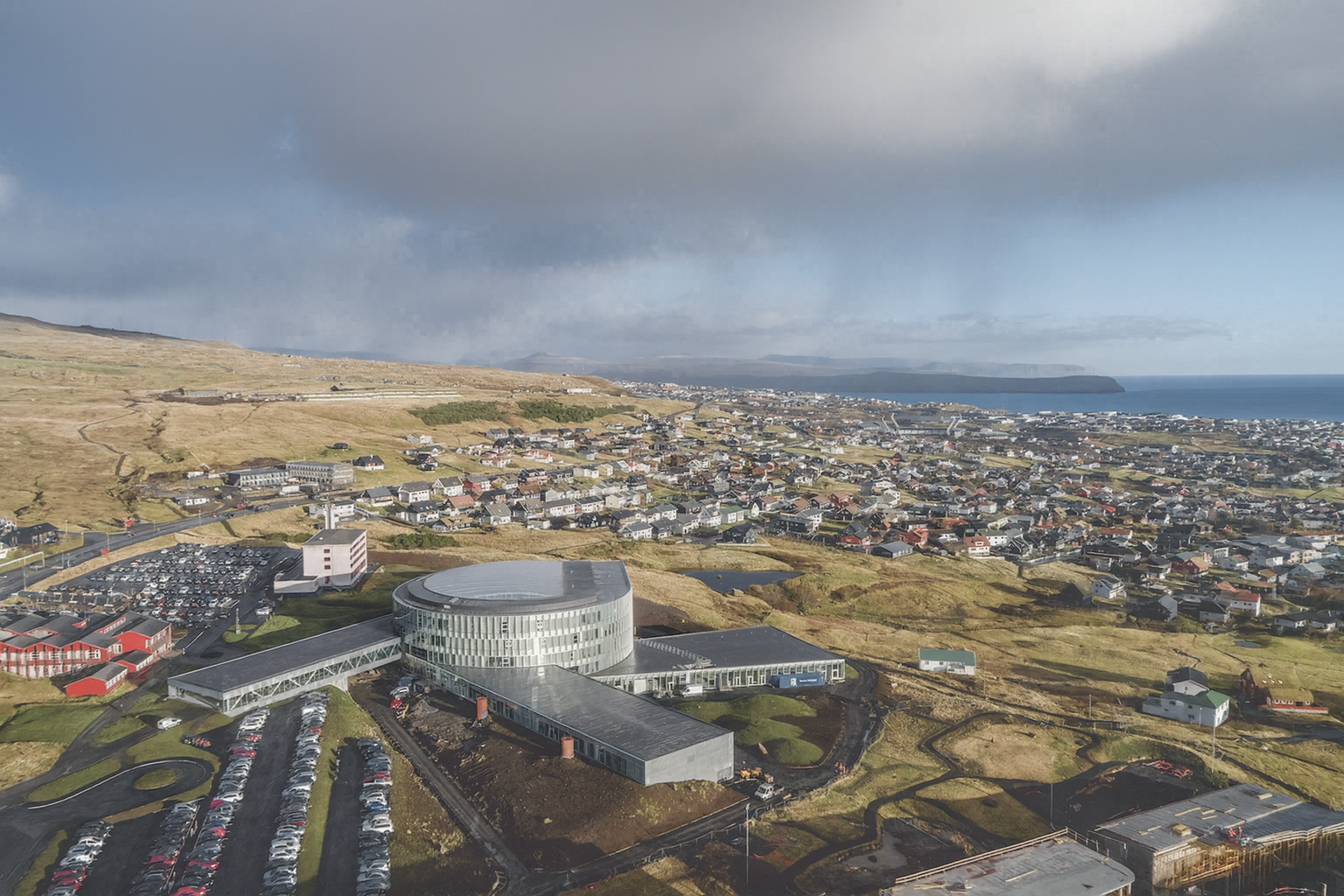
The project reflects Nordic architectural values: simplicity, openness, and a strong connection to the surrounding landscape. The transparent canopy creates bright learning environments where students and teachers benefit from daylight and visual contact with nature.
What Is an ETFE Roof Structure and How Does It Work?
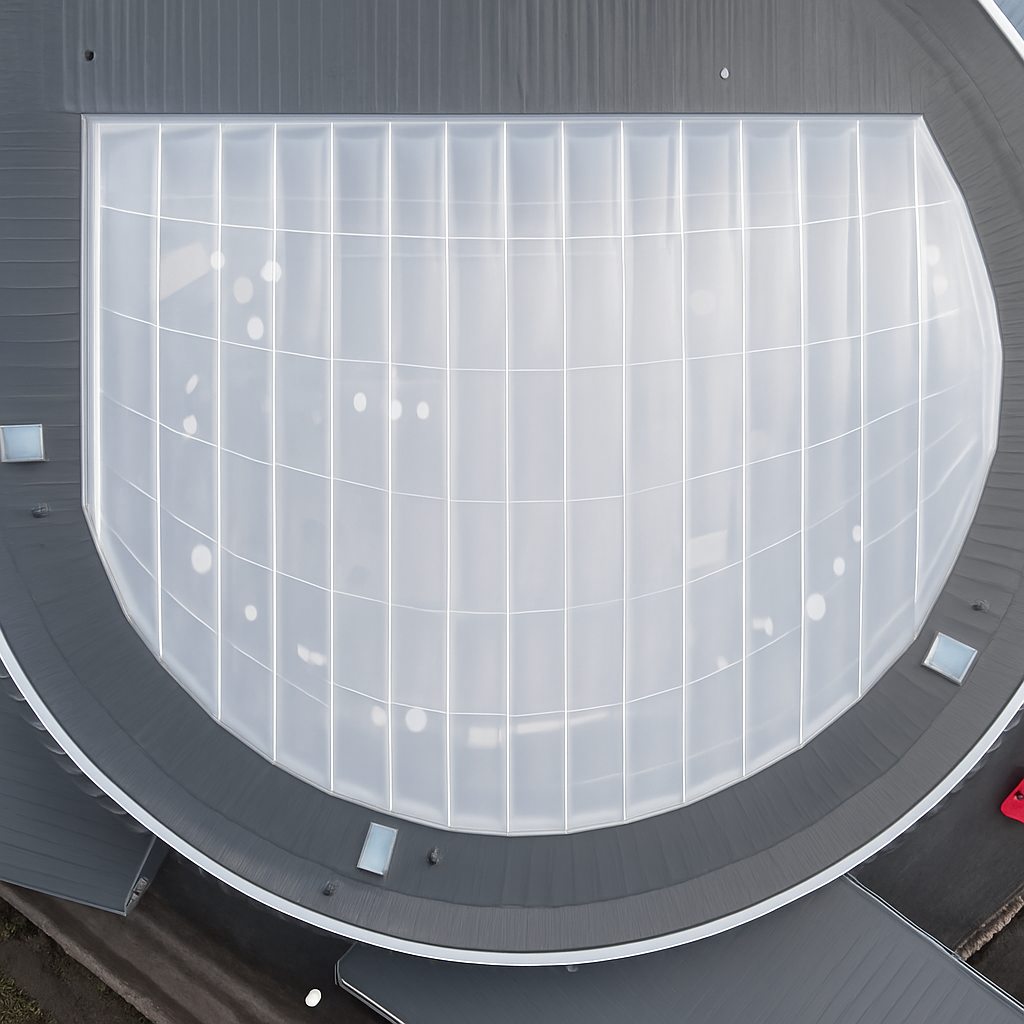
The Tórshavn College Lightspan system is based on multi-layer ETFE cushions that are inflated at low pressure. These cushions form a lightweight roof membrane supported by a carefully engineered steel structure.
Compared with traditional glass roofs, ETFE systems require significantly less structural support due to their low weight. This allows architects to design large-span roofs with fewer supporting elements while maintaining excellent light transmission.
ETFE Cushion Systems for Large Span Roofs
ETFE cushions consist of several layers of transparent foil welded together and continuously supported by a low-pressure air supply system. The result is a roof that combines strength, flexibility, and weather resistance.
Transparent Membrane Roofing Technology
Transparent membrane roofing systems allow natural daylight to enter deep into a building. This can reduce dependence on artificial lighting during daytime hours and improve indoor comfort.
Why Is an ETFE Roof Structure Used in Educational Buildings?
For educational environments such as Tórshavn College, daylight plays an important role in creating welcoming and productive spaces.
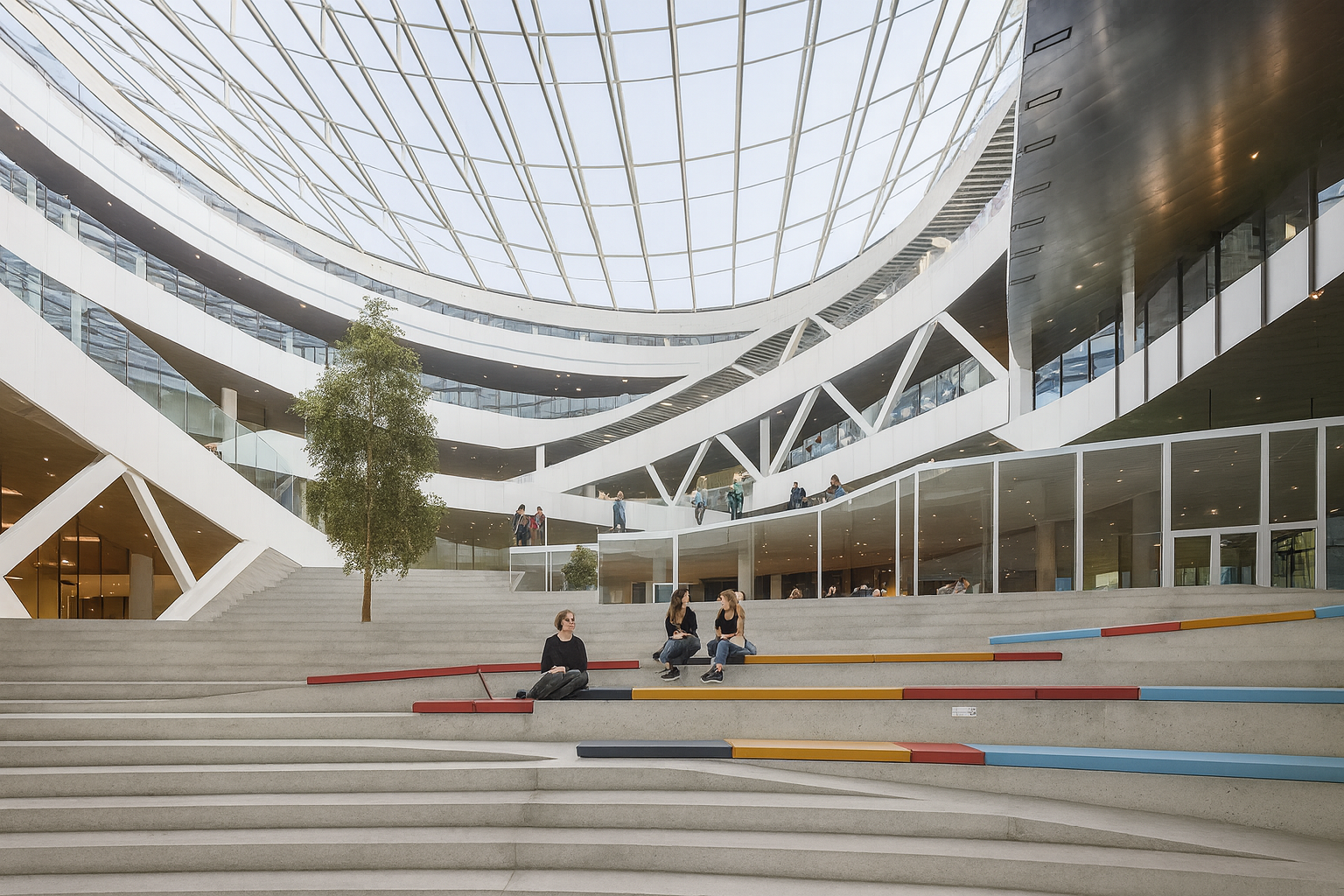
The Lightspan ETFE system creates open study areas and communal spaces beneath a translucent canopy where changing daylight conditions contribute to a dynamic learning atmosphere.
Daylighting and Architectural Canopies
Large ETFE canopies can cover extensive areas while maintaining visual openness. Students remain connected to the outdoor environment without exposure to wind or rain.
Lightweight Roofing Solutions for Modern Architecture
Because ETFE weighs only a fraction of conventional glazing materials, engineers can reduce steel consumption and simplify structural design without compromising performance.
How Does an ETFE Roof Structure Improve Energy Efficiency?
The Tórshavn College design combines daylight utilization with thermal performance. Multi-layer ETFE cushions provide insulation while allowing high levels of natural light transmission.
The material also features UV resistance and a self-cleaning surface, reducing maintenance requirements over time.
Sustainable Building Envelope Systems
Lower material consumption and reduced structural weight can contribute to lower embodied carbon compared with heavier roofing alternatives.
Recyclable ETFE Materials in Construction
ETFE foil can be recycled at the end of its service life, making it an increasingly popular choice for environmentally conscious building projects.
What Makes This ETFE Roof Structure Unique?
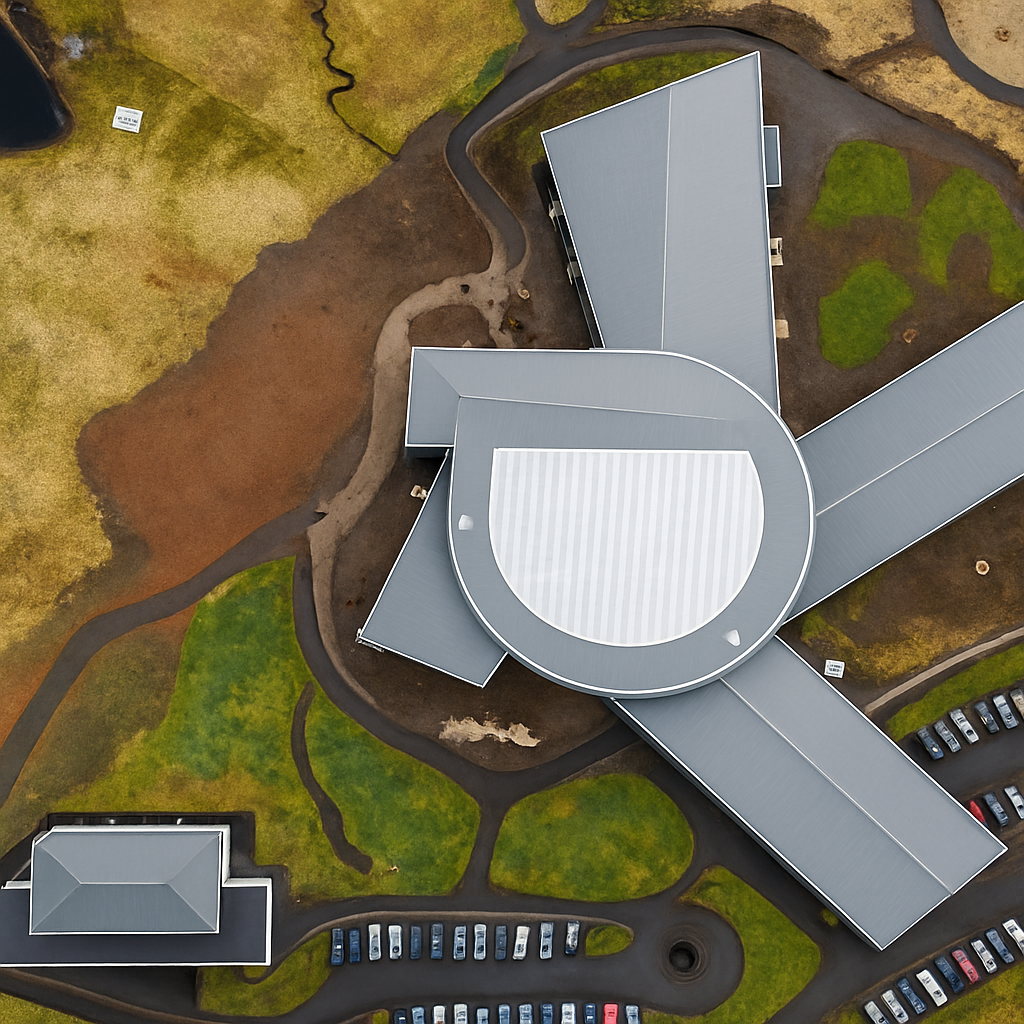
The project draws inspiration from established ETFE engineering approaches, including systems developed by Vector Foiltec. Different cushion geometries are integrated into the flowing roof design to create a distinctive architectural identity.
A similar approach was used in projects featuring Texlon® ETFE canopies, where cushions of varying shapes and sizes were engineered to follow complex roof forms. Combined with custom-designed steel support structures, these roofs demonstrate the design freedom possible with ETFE technology.
ETFE Roof Structure Design Flexibility
Architects can create curved, organic, and free-form geometries that would be difficult or costly to achieve using conventional roofing materials.
Can an ETFE Roof Structure Be Used for Large Public Buildings?
Yes. ETFE roof structures are commonly used for schools, shopping centres, sports venues, airports, and public gathering spaces because they combine low weight, transparency, and long-span capabilities.
How Long Does an ETFE Roof Structure Last?
Well-designed ETFE systems can provide decades of service while maintaining transparency, weather resistance, and structural performance.