
What is ETFE?
Texlon ETFE system
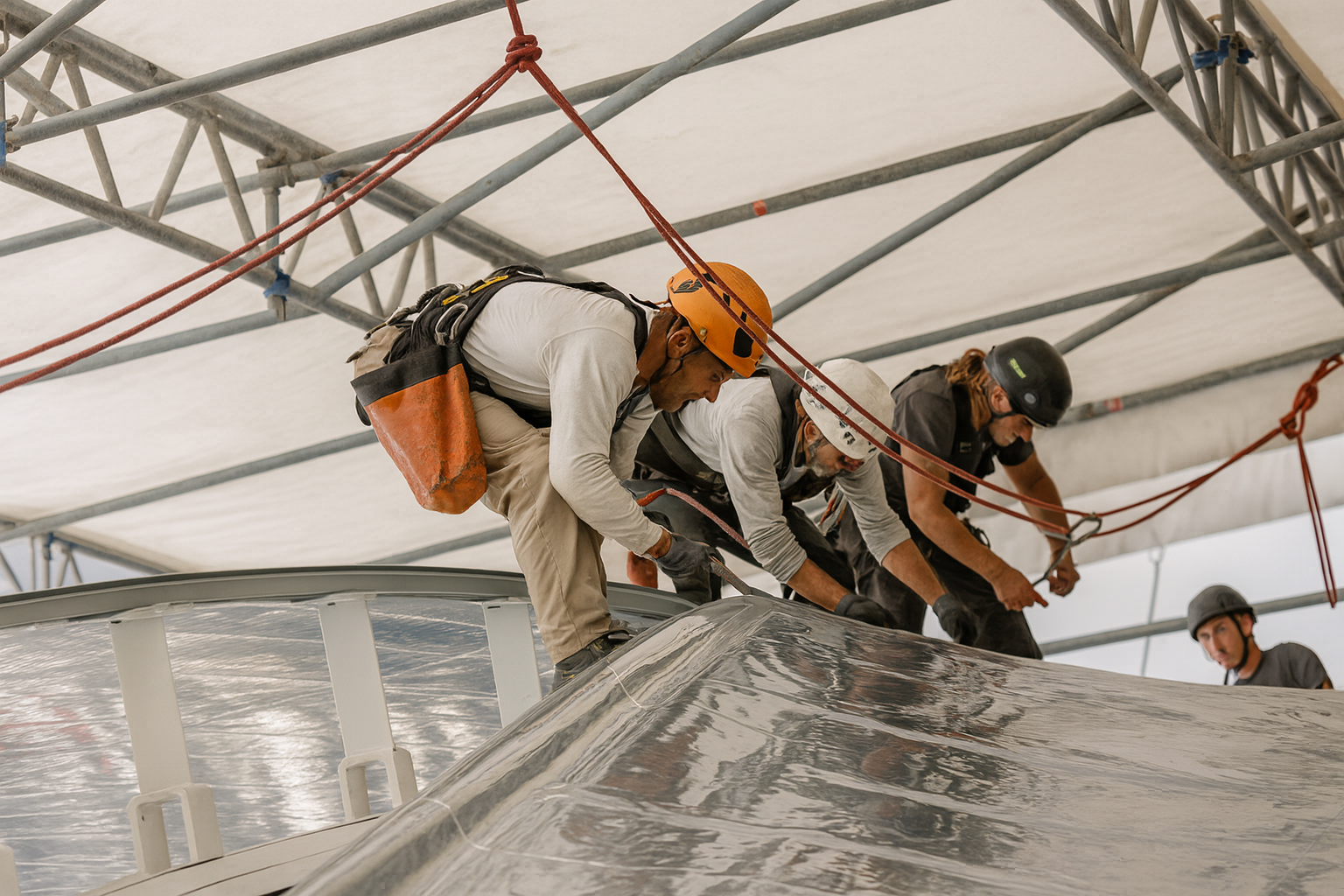
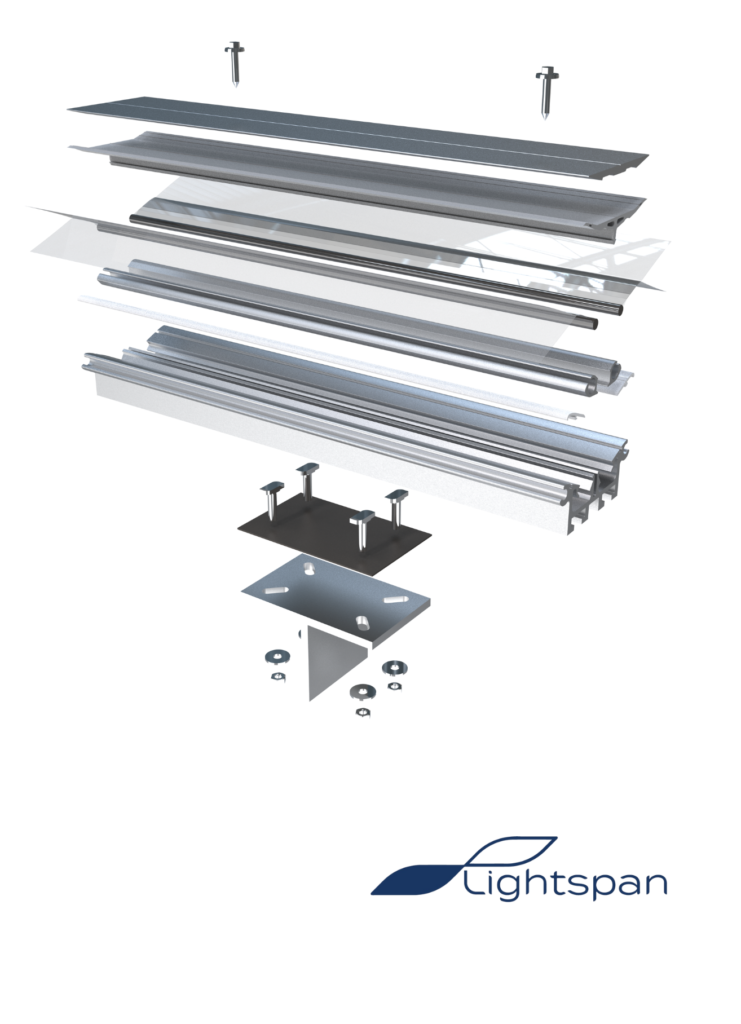
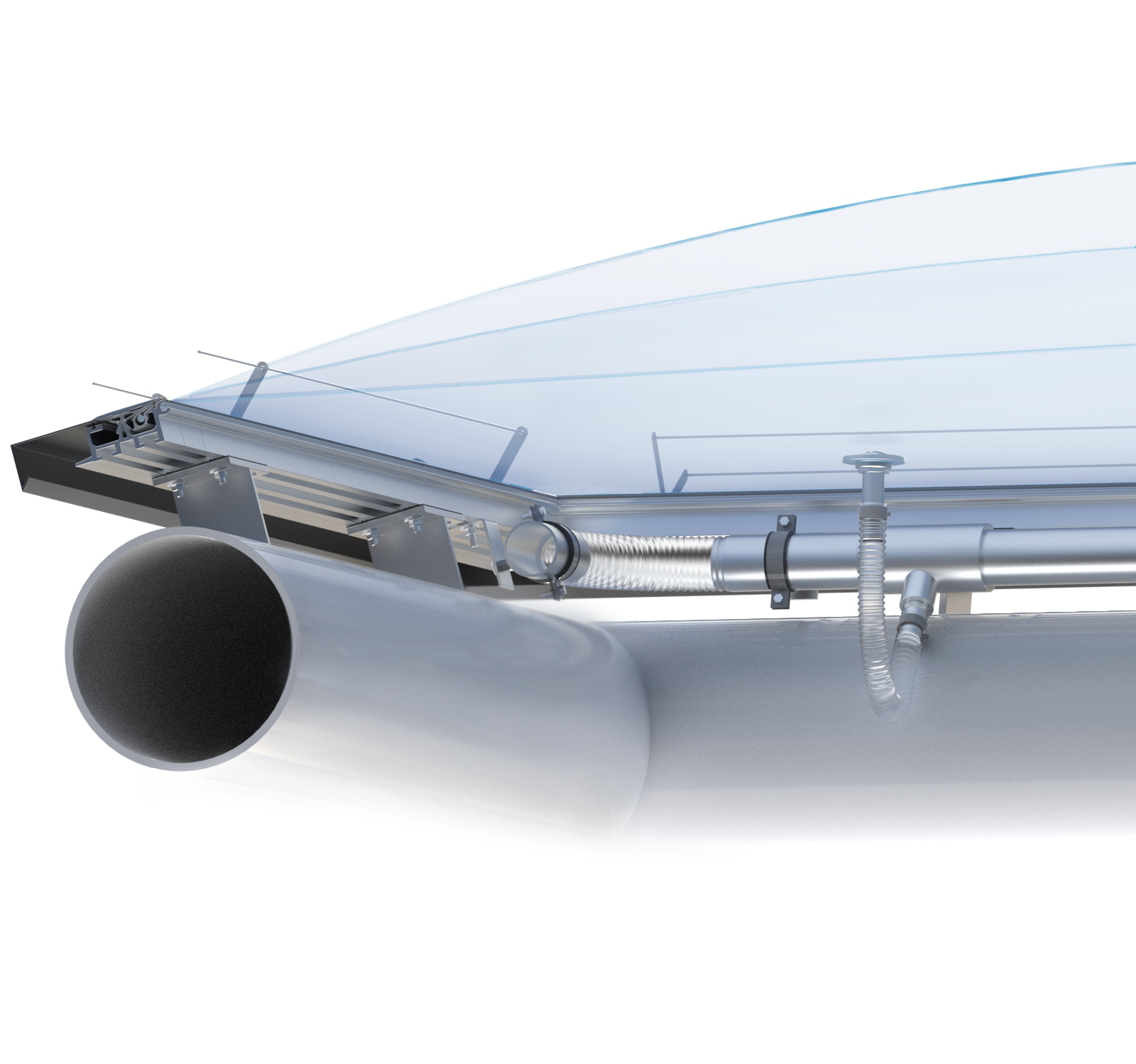
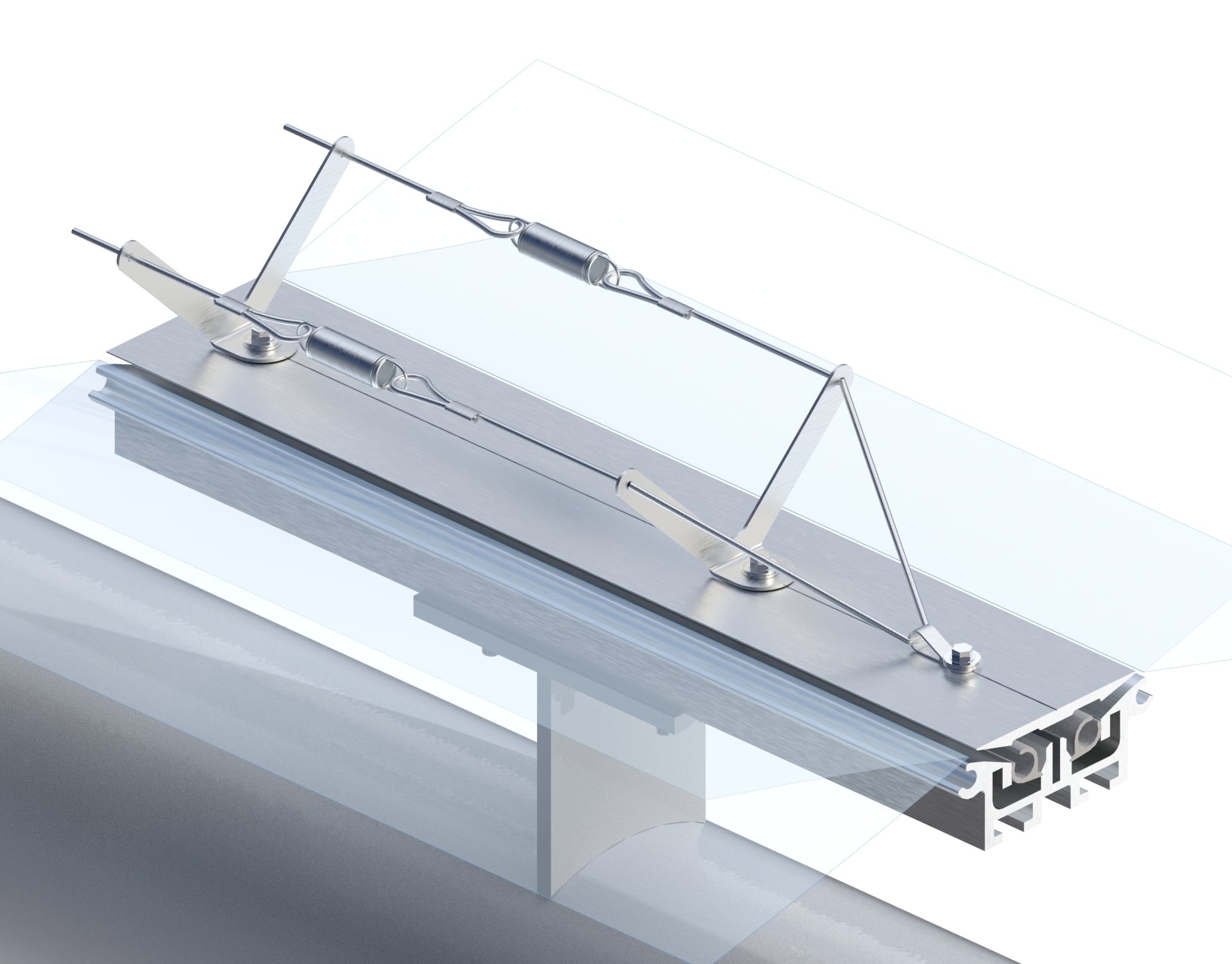
A Texlon ETFE system is a lightweight building envelope made from pressure-inflated ETFE foil cushions fixed into aluminium frames. The system is used for roofs and façades where natural daylight, thermal insulation, and low structural weight are important.
ETFE stands for Ethylene Tetrafluoroethylene, a fluorine-based polymer developed for demanding architectural applications. Compared to conventional glass systems, an ETFE system can cover large spans with significantly lower dead load while still providing weather protection and structural stability.
ETFE cushion system for roofs and façades
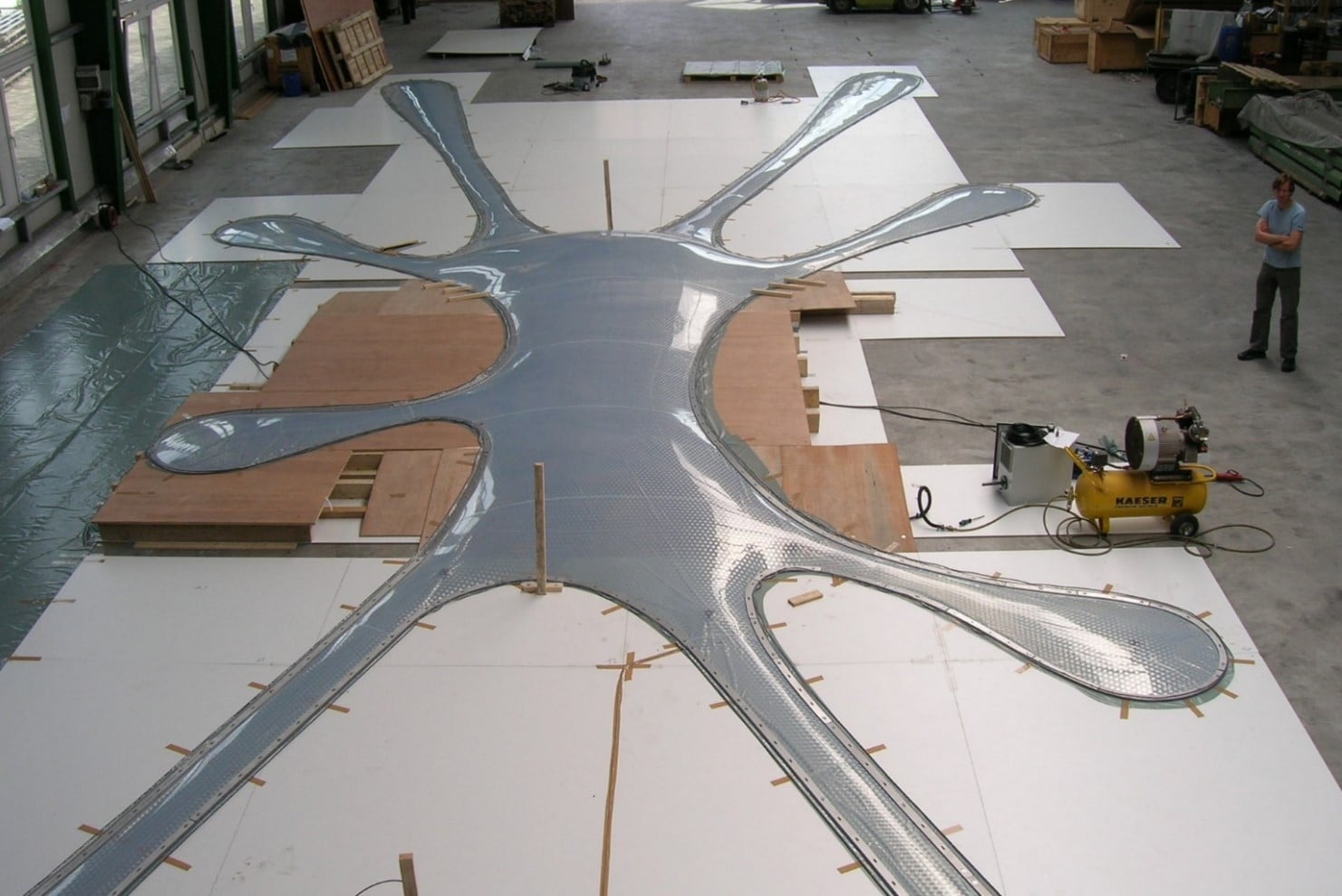
Each ETFE cushion is designed according to the project requirements. The number of foil layers, foil thickness, and internal air pressure are calculated individually to achieve the required thermal, structural, and optical performance.
In larger spans or high-load areas, stainless-steel reinforcement cables can also be integrated into the cushion design.
How ETFE foil cushions remain structurally stable
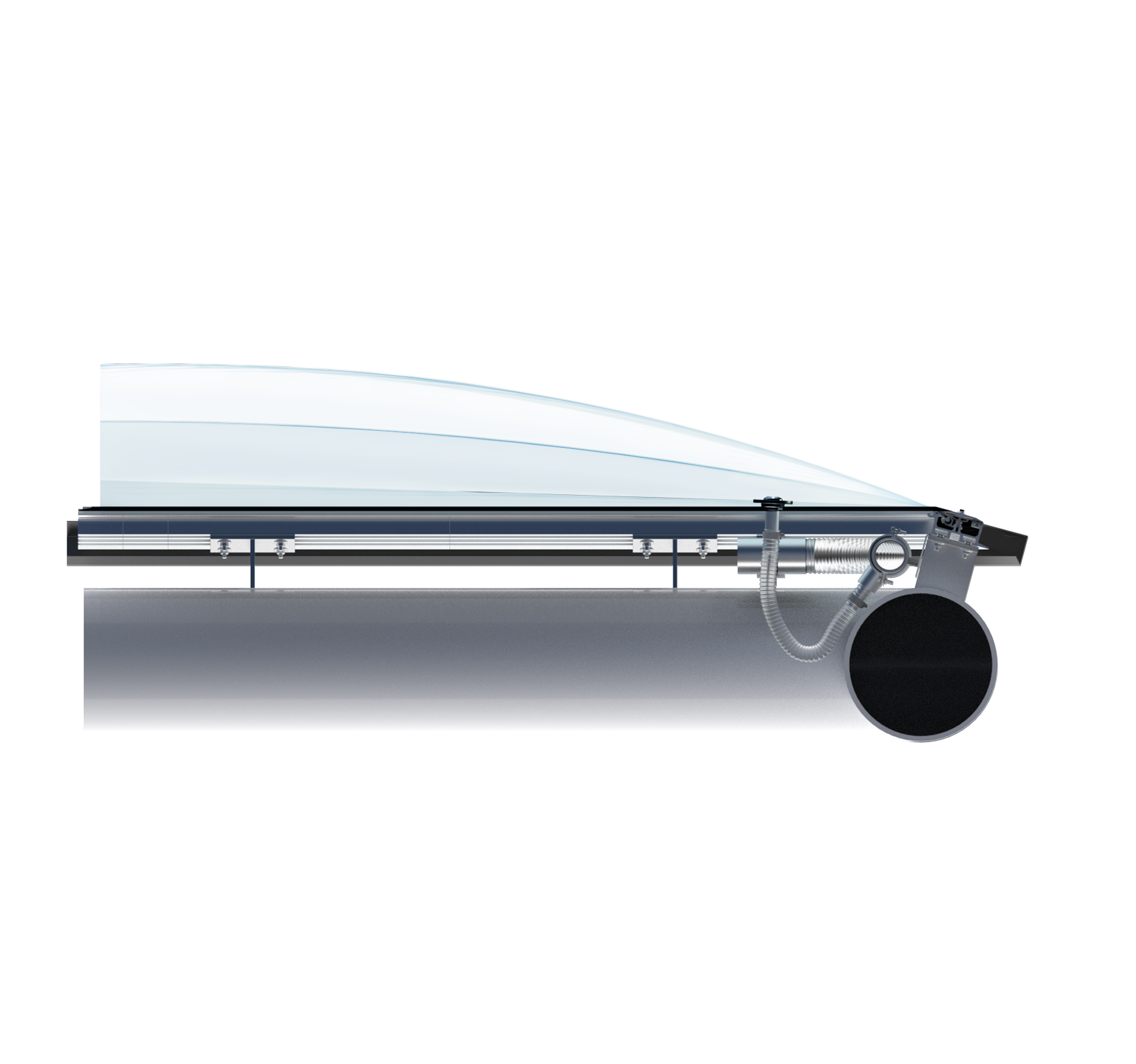
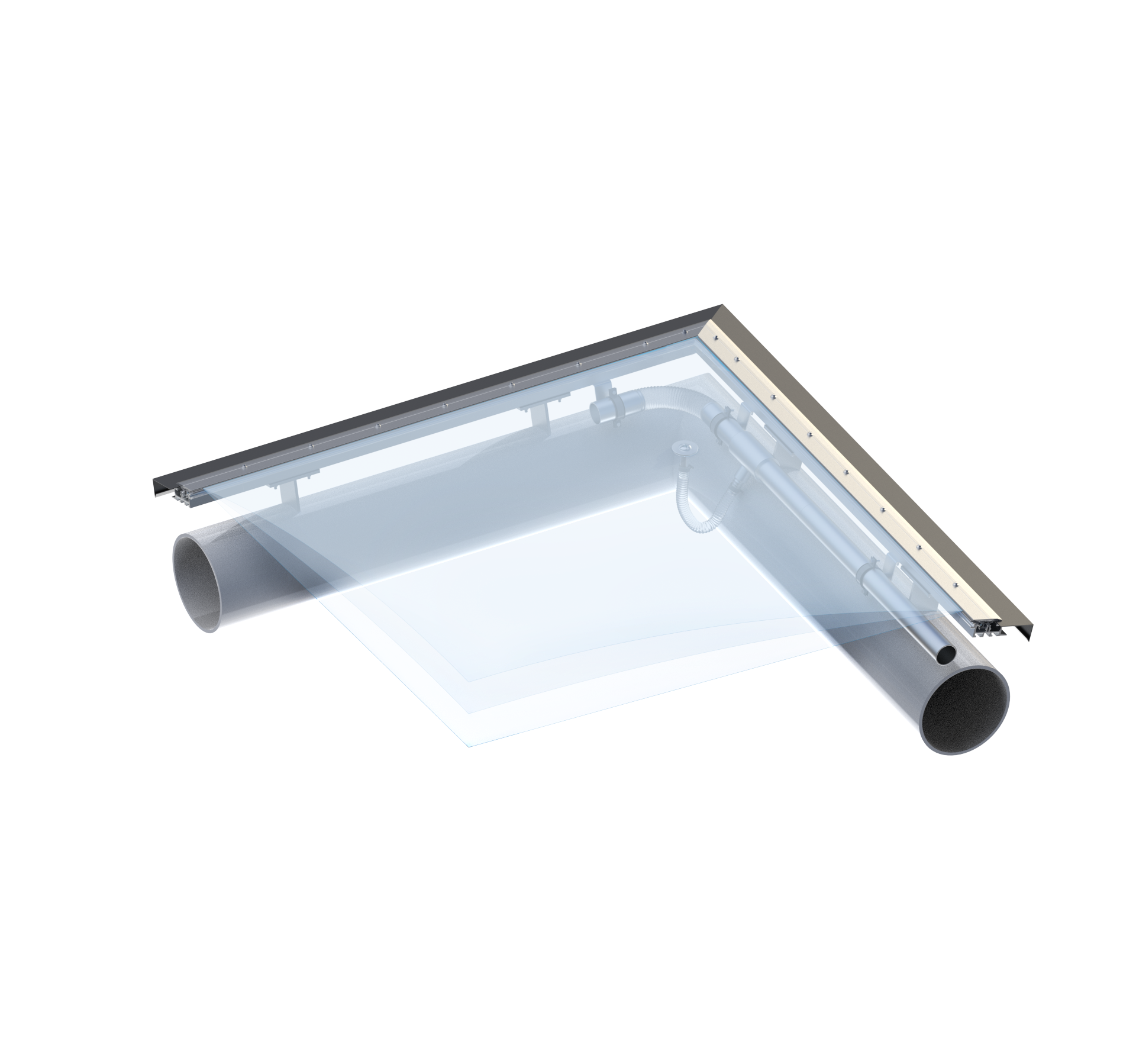
The cushions are inflated by dedicated air supply units. Non-return valves maintain pressure during temporary power interruptions, allowing the ETFE system to remain stable for several hours depending on weather conditions and roof size.
The aluminium extrusion system also includes integrated secondary drainage to safely remove water from the roof construction.
Why is the ETFE system used in modern architecture?
Architects use ETFE systems for stadiums, airports, atriums, retail centres, and cultural buildings because the material combines flexibility with low structural weight.
Lightweight roofing alternatives to glass systems
An ETFE system weighs only a fraction of a comparable glass roof. The reduced weight lowers loads on the primary structure and can simplify installation logistics on complex projects.
Transparent façade systems with ETFE foil
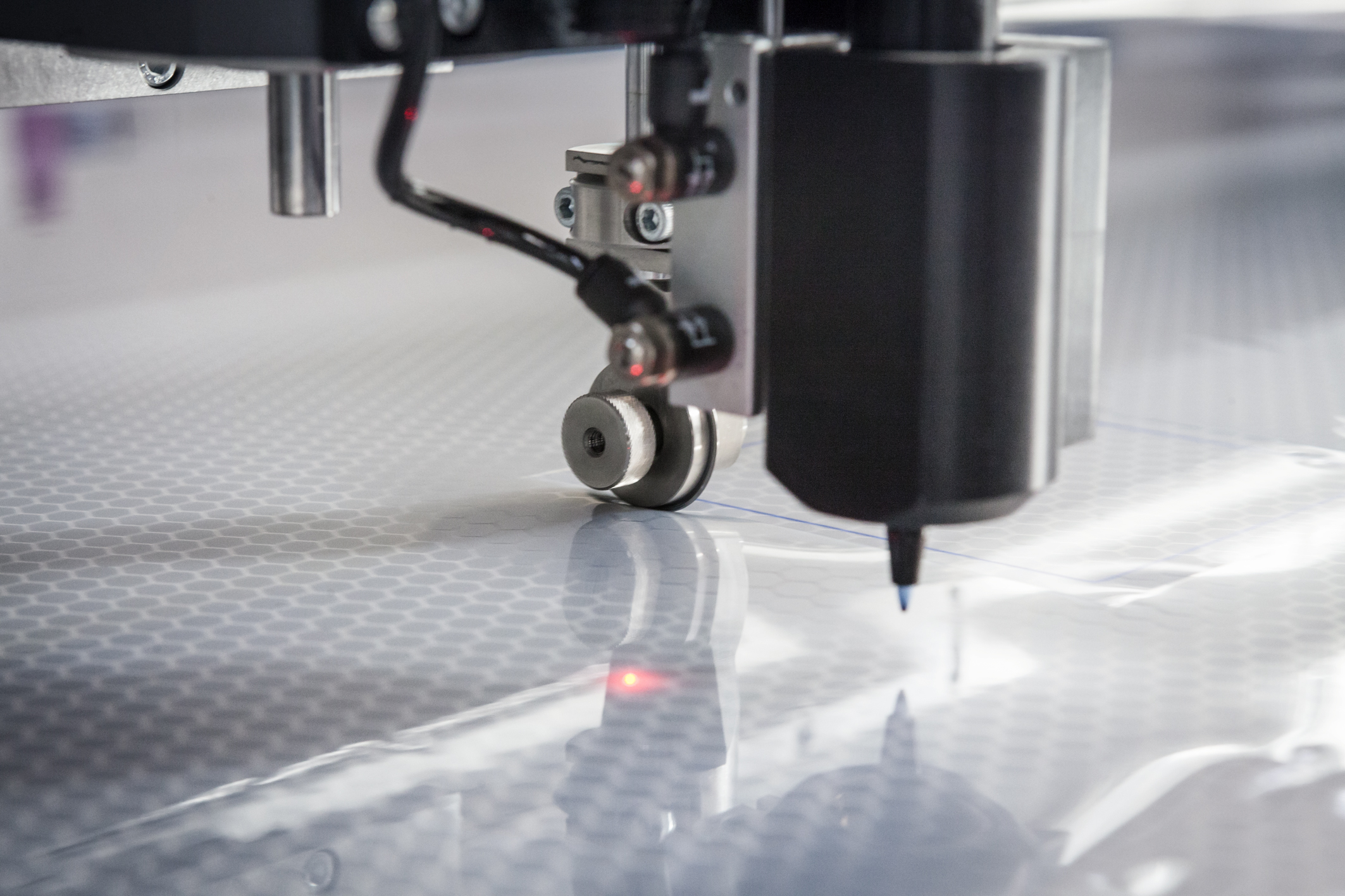
ETFE foil can be printed with different frit patterns to control solar gain, glare, and light transmission. This allows architects to balance daylight entry with thermal comfort inside the building.
Because ETFE cushions are lightweight, large transparent façades and long-span roof structures can often be achieved with less supporting steel compared to glass constructions.
How durable is a Texlon ETFE system?
ETFE foil is designed for long-term outdoor use and performs reliably under UV exposure, wind, snow, and changing temperatures.
ETFE membrane lifespan and maintenance requirements
ETFE foil typically requires limited maintenance because dirt does not easily adhere to the surface. Rainwater often helps clean the cushions naturally.
If a cushion is damaged, individual cushions can be replaced without removing adjacent panels.
Fire resistance and weather performance in ETFE systems
The Texlon ETFE system is designed to resist severe weather conditions and maintain stable performance over time. The cushions are sealed to adjacent construction elements to create a weather-tight building envelope.
What safety features are included in an ETFE system?
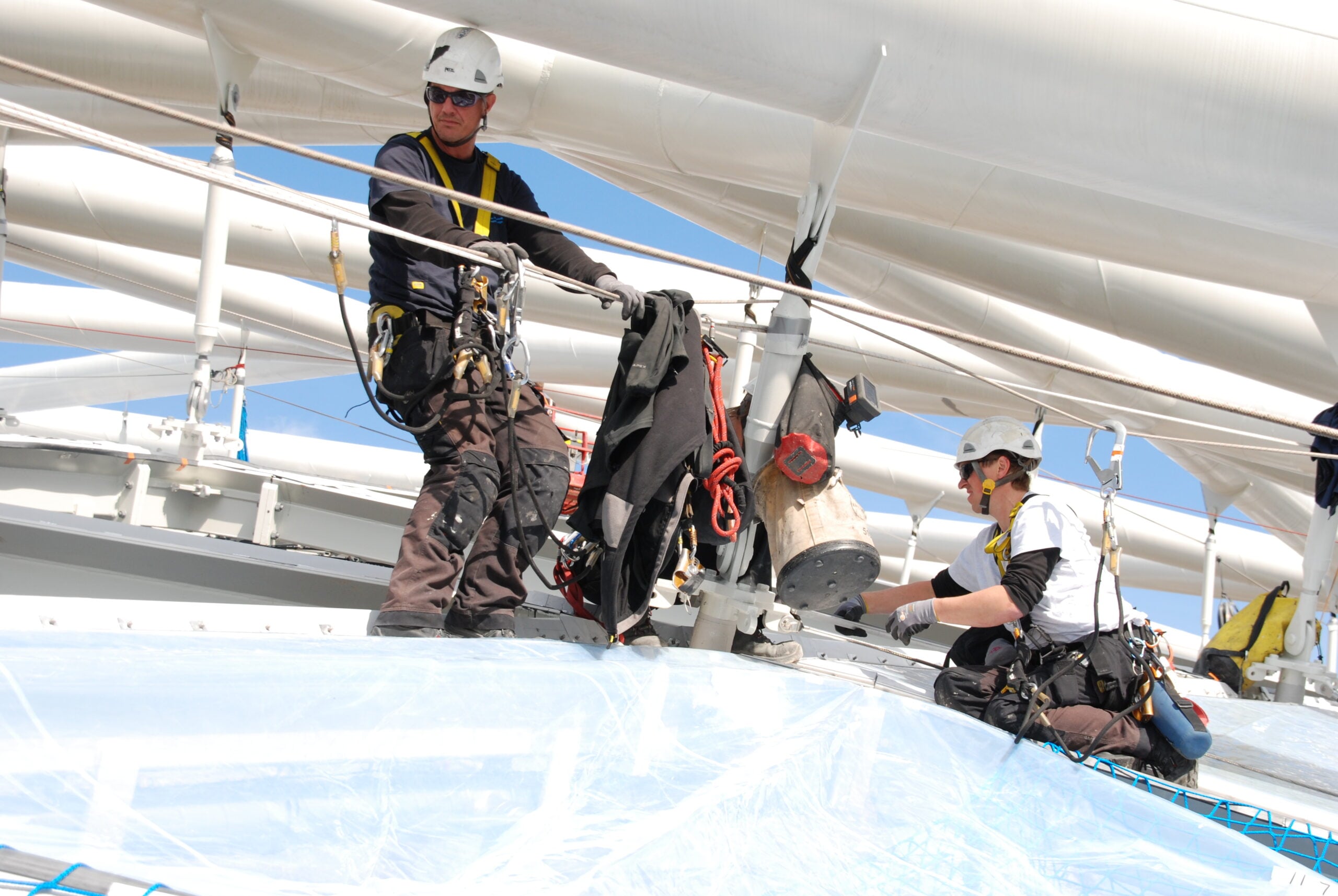
Optional additions include bird wires, rain suppressors, and man-safe anchor systems depending on project requirements and maintenance access needs.
ETFE roofing for daylight and thermal insulation
Multi-layer ETFE cushions create insulated air chambers that help reduce heat transfer while still allowing high levels of natural light into the building.
This combination is particularly useful in public buildings where daylight quality and energy performance both matter.
ETFE façade technology for large-span buildings
The flexibility of ETFE foil allows curved geometries and free-form roof structures that would be difficult or expensive to realize with rigid glazing systems.
ETFE system planning and engineering support
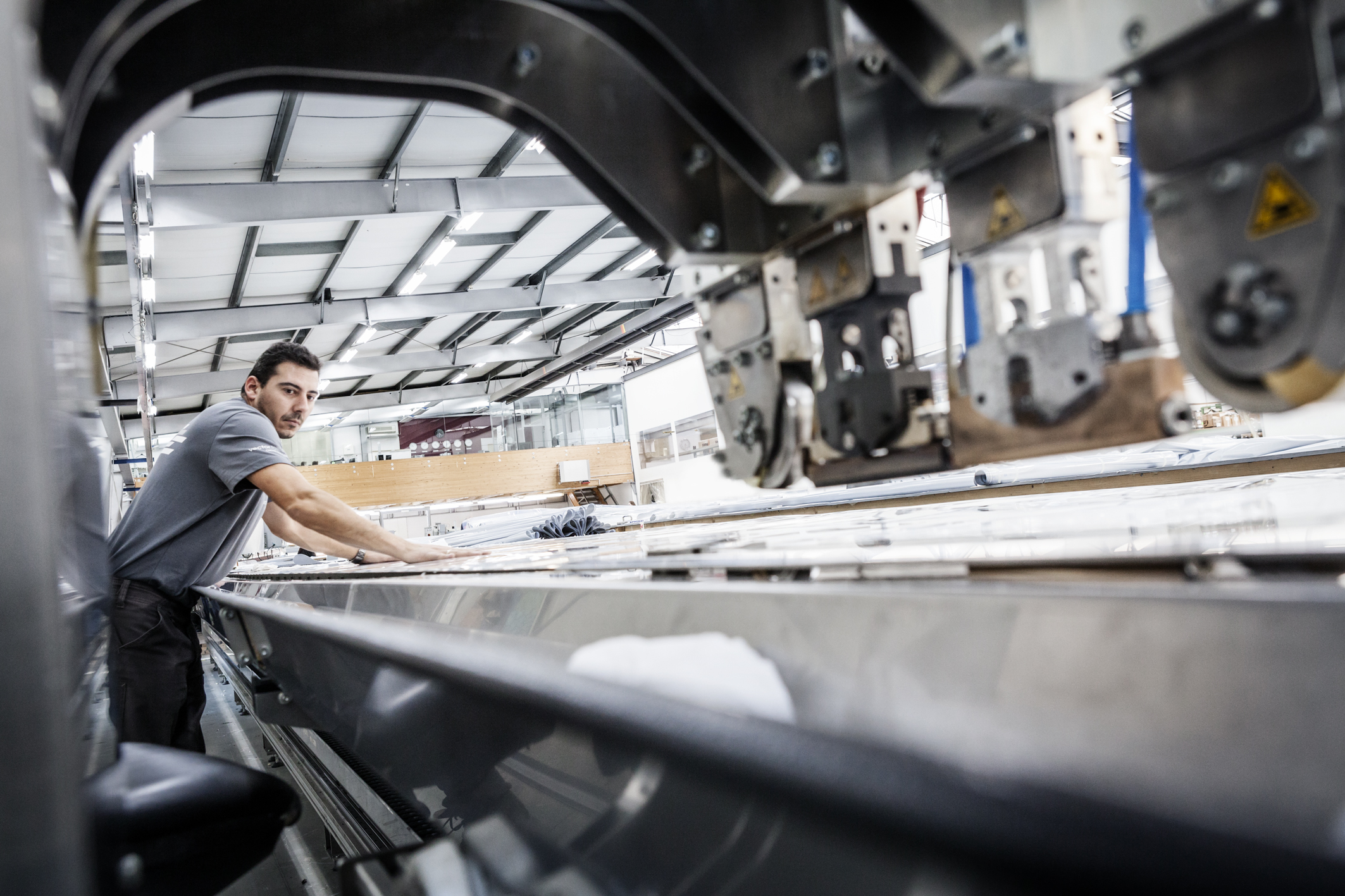
Lightspan supports projects from concept development through fabrication and installation. Cushion geometry, inflation pressure, drainage integration, and foil printing are all engineered to match the technical requirements of the building.
For additional technical information about ETFE materials and façade performance, see the references from the technical support section or the project portfolio.
What are the advantages of a Texlon ETFE system?
The main advantages of an ETFE system include:
- Low structural weight
- Large-span roof capability
- High daylight transmission
- Good thermal performance
- Reduced supporting steel requirements
- Recyclable ETFE foil material
- Flexible architectural design options
Why do architects choose ETFE systems over glass?
For many large roof structures, ETFE systems allow wider spans and more complex geometries with lower overall structural loads than traditional glazed systems.