Middle East

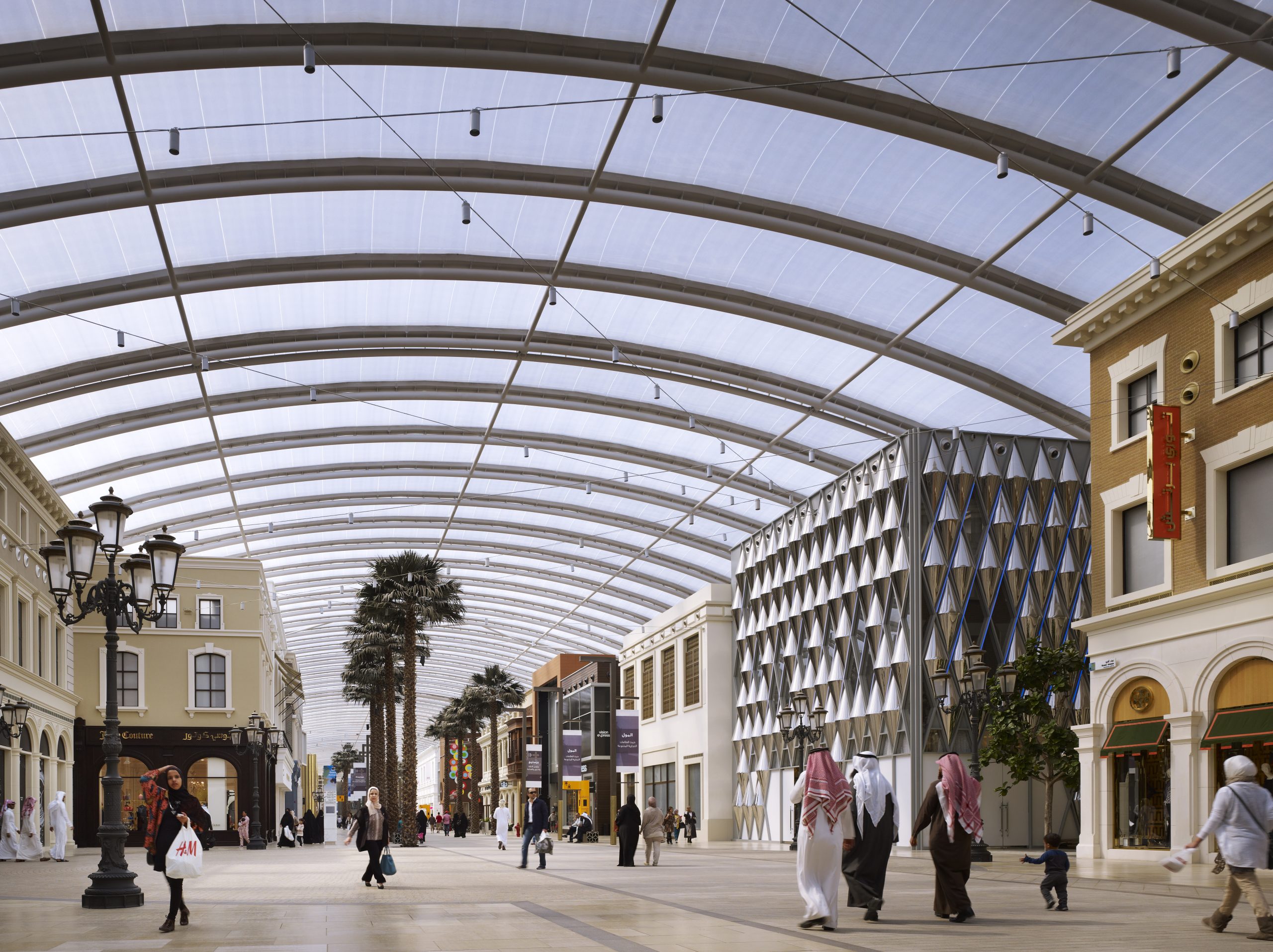
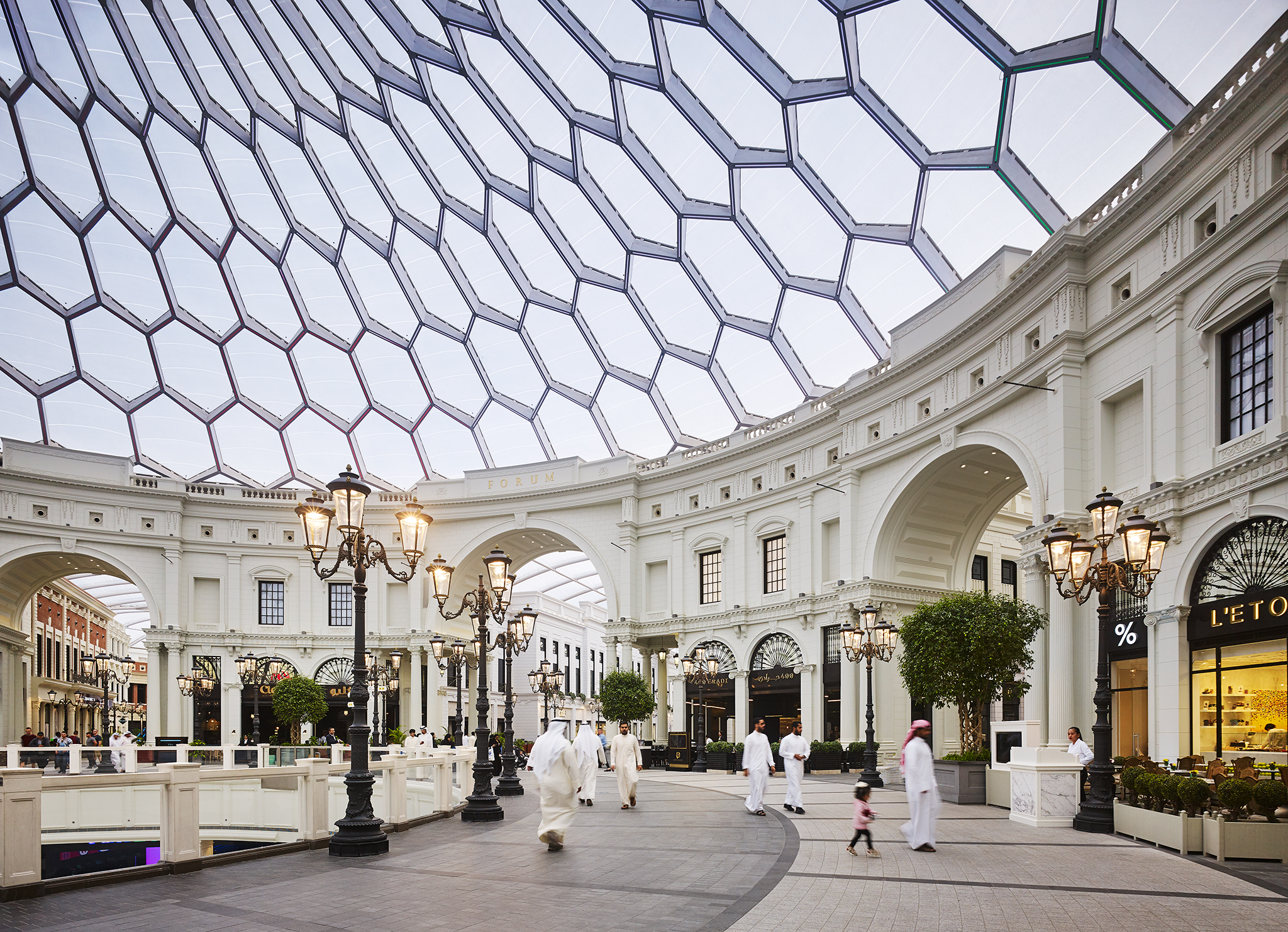
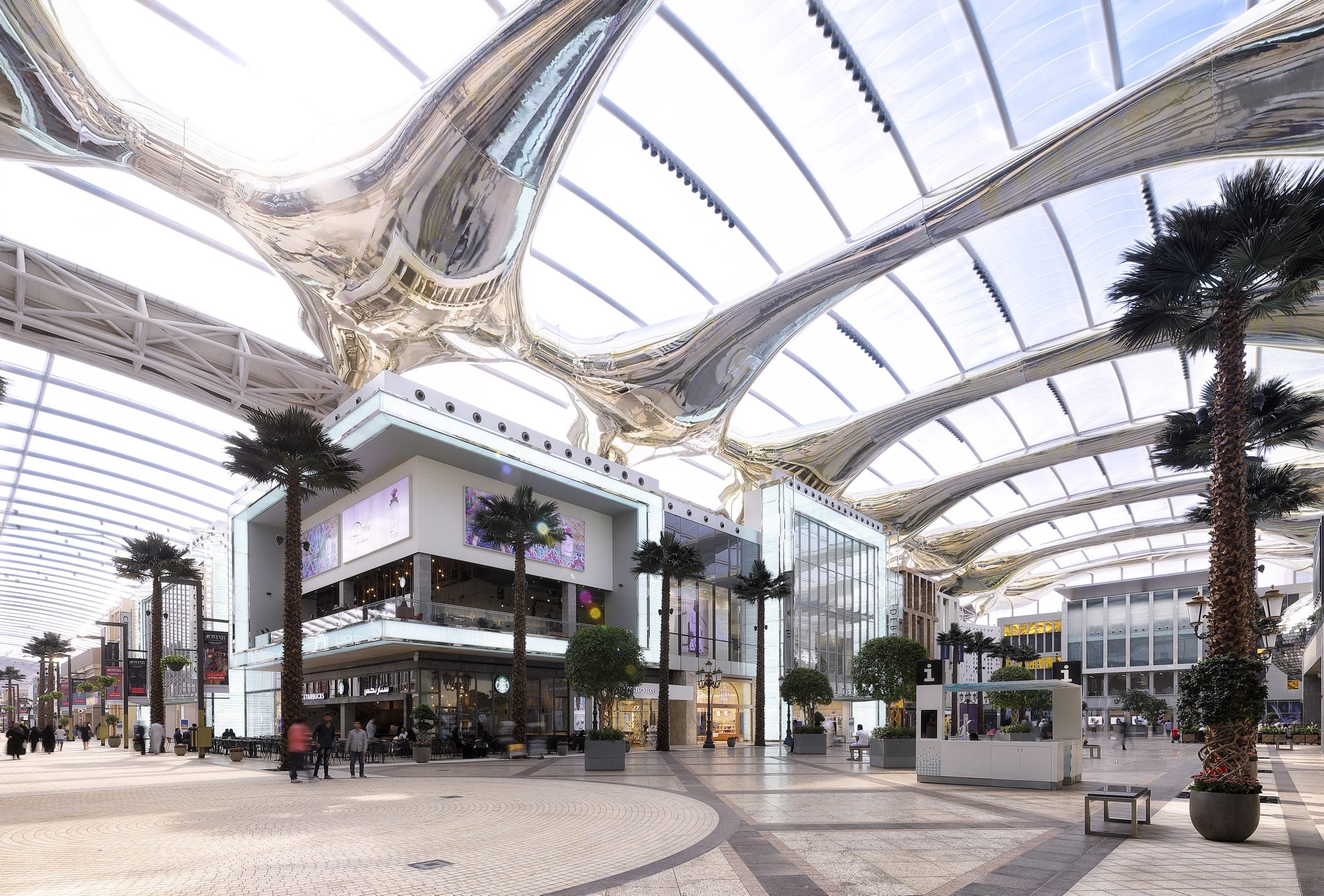
Lightspan ETFE Solutions Middle East | Iconic Projects have transformed the region’s skylines, setting new standards for lightweight, sustainable architecture. As the global leader in ETFE technology, Lightspan has delivered some of the most iconic projects in Saudi Arabia, the UAE, and across the Middle East. From shopping malls and hotel atria to botanical gardens, stadiums, and world-famous Expo venues, our work demonstrates the power of ETFE in creating bold, climate-responsive structures.

Our Lightspan Iconic Projects are engineered for one of the most demanding climates in the world. Using advanced ETFE thermal envelopes, we design vast, air-conditioned spaces filled with natural daylight while maintaining optimal energy efficiency. These façades and roofs reduce dependence on artificial lighting and cooling, providing comfort and sustainability for occupants year-round.

With a dedicated presence in Saudi Arabia and the UAE, Lightspan combines local expertise with global experience. Having completed more than 1,700 ETFE projects worldwide, we guarantee reliable delivery backed by decades of innovation. This ensures that every Middle East project benefits from both regional knowledge and international know-how.

Clients across the Middle East choose Lightspan for:

  • Climate-responsive design tailored to extreme heat

  • Lightweight, sustainable envelopes that reduce structural loads

  • Flexibility to achieve unique geometries and architectural landmarks

  • Proven reliability supported by the world’s most comprehensive ETFE research data

Through collaboration with architects, developers, and governments, Lightspan continues to push boundaries in modern building envelopes. Our integrated approach ensures not only technical excellence but also long-term value.

By uniting design innovation, engineering precision, and sustainable solutions, we help shape the cultural, commercial, and entertainment hubs of tomorrow. With Lightspan ETFE Solutions Middle East | Iconic Projects, you can achieve façades and roofs that inspire visually, perform technically, and last for generations.

Lightspan ETFE Middle East – Advanced ETFE Roof and Facade Solutions for the Gulf Region
Lightspan ETFE, a brand of VF Lightspan GmbH headquartered in Bremen, Germany, continues to expand its global presence with major architectural projects across the Middle East. The region has become one of the fastest growing markets for innovative ETFE roof systems, ETFE facade structures, skylight technology, and lightweight architectural membranes. With its combination of advanced engineering expertise and international project experience, Lightspan ETFE delivers high-performance roof and facade systems designed specifically for the demanding climate conditions of the Middle East.
Modern architecture in countries such as the United Arab Emirates, Saudi Arabia, Qatar, Kuwait, and Bahrain increasingly relies on ETFE membrane technology. Architects and developers choose ETFE as a superior alternative to traditional glass roofs, heavy steel structures, and conventional plastic skylights. Lightspan ETFE systems offer lightweight construction, high solar performance, long-term durability, and exceptional design flexibility for large architectural spans.
ETFE Technology for Extreme Climate Conditions
The Middle East presents unique environmental challenges for building design. High temperatures, intense solar radiation, sand exposure, and large-scale architectural ambitions require advanced materials capable of delivering long-term reliability.
ETFE membrane systems are particularly well suited for these conditions. The material is highly resistant to ultraviolet radiation, temperature fluctuations, and environmental pollution. Its non-stick surface prevents dust accumulation and allows natural cleaning through rainfall, reducing long-term maintenance requirements for large roof structures.
Lightspan ETFE systems are engineered to perform reliably in these environments while maintaining transparency, structural efficiency, and architectural elegance.
Large-Scale Architectural Applications in the Middle East
Across the Middle East, ETFE roof systems are used in some of the most ambitious architectural projects in the world. These include stadium roofs, large atriums, transportation terminals, exhibition centers, luxury hotels, and shopping complexes.
ETFE technology enables architects to design large transparent roofs and facades that allow natural daylight into interior spaces while maintaining structural safety and thermal performance. The lightweight nature of ETFE membranes allows for significantly larger spans than traditional glass roofs while reducing steel consumption.
Typical applications of Lightspan ETFE systems in the Middle East include:
• stadium roofs and sports complexes
• airport terminals and transportation hubs
• luxury hotel atriums and skylight systems
• exhibition centers and cultural buildings
• shopping malls and commercial complexes
• architectural facade structures
These projects demonstrate how ETFE technology can transform large public spaces into visually impressive and energy-efficient architectural environments.
ETFE Skylights and Transparent Roof Architecture
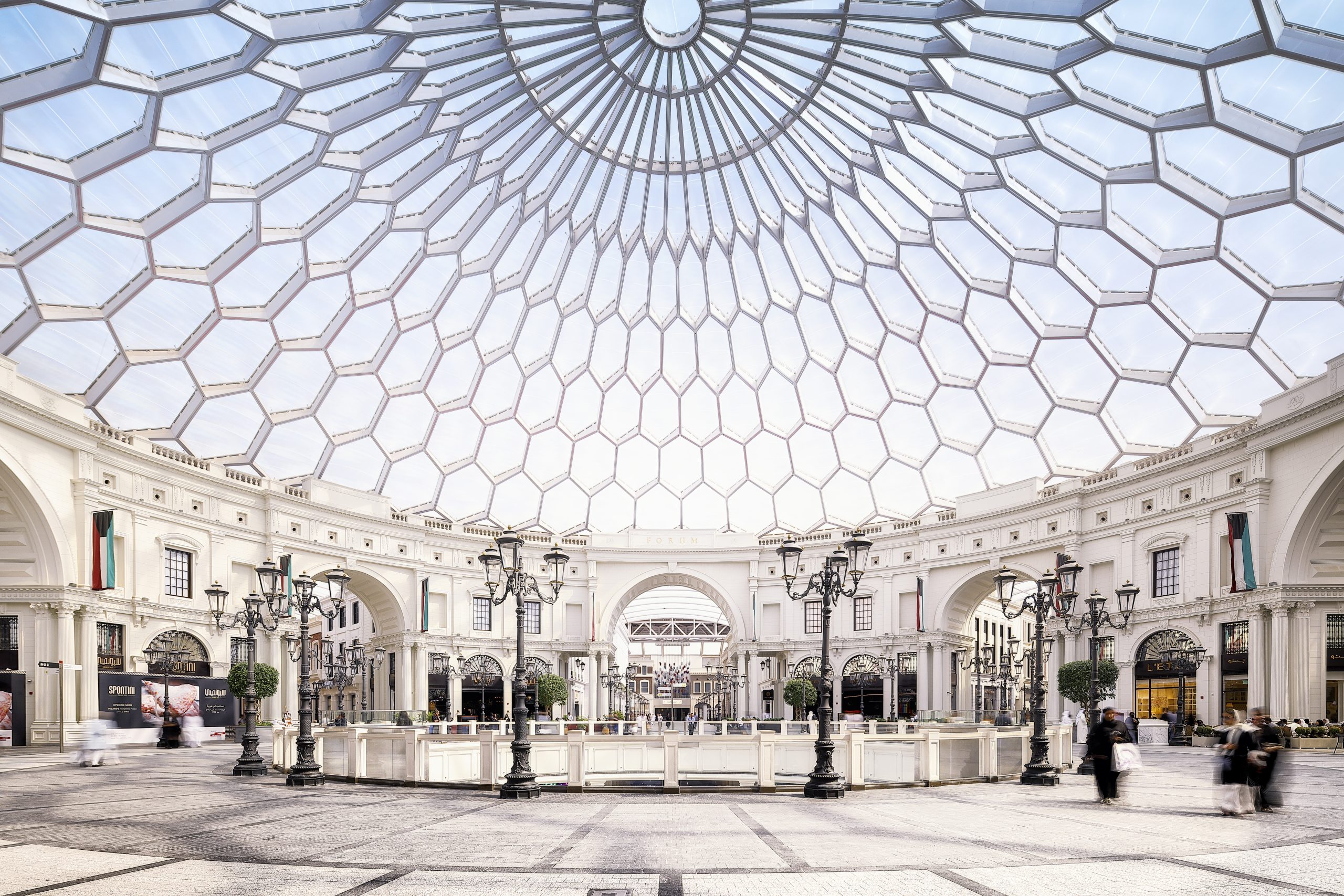
One of the most distinctive features of ETFE architecture in the Middle East is the creation of large skylight systems and transparent roof structures. These roofs allow natural daylight to illuminate interior spaces while maintaining climate control and structural safety.
Lightspan ETFE engineers design skylight systems that can be customized for round roof forms, curved membrane surfaces, and large-span atriums. These structures require significantly less steel than traditional glass roofs, making them both structurally efficient and architecturally flexible.
The transparency of ETFE membranes allows architects to create open, bright interior environments while maintaining energy efficiency through controlled solar transmission.
Sustainable Architecture and Energy Efficiency
Sustainability has become a key priority for many architectural developments in the Middle East. ETFE membrane systems contribute to sustainable building design by reducing structural material consumption and increasing natural daylight usage.
Because ETFE membranes are extremely lightweight compared to glass, they require less steel for structural support. This reduces the environmental footprint of construction projects while enabling more flexible architectural designs.
In addition, ETFE membranes have excellent durability and can maintain performance for decades with minimal maintenance requirements.
Roof Modernization and Architectural Renovation
In addition to new construction projects, ETFE technology is increasingly used to modernize existing buildings across the Middle East. Many older structures originally built with glass roofs or polycarbonate skylights are now being upgraded with ETFE membranes.
This modernization allows building owners to improve safety, energy performance, and architectural appearance while reducing maintenance costs. Lightweight ETFE structures also make it possible to redesign large interior spaces without major structural modifications.
Engineering Expertise from Europe to the Middle East
Lightspan ETFE combines engineering expertise developed in Bremen, Germany with international construction experience to support projects across the Middle East. The company works closely with architects, developers, and engineering consultants to design roof and facade systems tailored to the region’s architectural ambitions and environmental conditions.
Through global collaboration and technical innovation, Lightspan ETFE continues to expand its presence in the Middle Eastern construction market.
Future Growth of ETFE Architecture in the Middle East
The Middle East remains one of the most dynamic construction markets in the world. Large infrastructure developments, cultural institutions, and sports facilities continue to drive demand for advanced architectural materials and innovative structural solutions.
ETFE membrane systems are expected to play an increasingly important role in these developments. Their lightweight structure, durability, transparency, and design flexibility make them an ideal solution for modern architecture in the region.
Lightspan ETFE remains committed to supporting architects, engineers, and developers across the Middle East with advanced ETFE roof systems, facade structures, skylight technology, and lightweight architectural membrane solutions.
For more information about global ETFE technology, architectural membrane systems, and international construction projects, visit lightspanetfe.com or contact the Lightspan ETFE team in Bremen, Germany.
ETFE Roofing Systems – Global Expertise by Lightspan Lightspan is a leading specialist in advanced ETFE roofing systems, delivering high-performance architectural solutions across Europe, the United States, the United Kingdom, and the Middle East. Our expertise covers the full spectrum of ETFE foil roofs, ETFE cushion systems, ETFE skylights, and ETFE canopy structures, designed for modern, sustainable, and lightweight construction. As a technology-driven partner with deep industry knowledge, Lightspan provides innovative alternatives and collaborations within the global ETFE market, including solutions comparable to companies such as Vector Foiltec and advanced Texlon ETFE cushion systems.What is an ETFE Roof System? An ETFE roof system is a lightweight, high-transparency roofing solution made from ethylene tetrafluoroethylene (ETFE) foil. These systems are commonly used in stadiums, airports, shopping centers, and large-span architectural projects. Lightspan develops and delivers: ETFE cushion systems, ETFE panel systems, ETFE foil roofing solutions, ETFE cable roof structures.  Why Choose ETFE Roofing? ETFE roofing offers significant advantages over traditional materials like glass: High light transmission (up to 95%), Lightweight structure reduces steel requirements, Excellent durability and weather resistance, Energy-efficient and sustainable, Ideal for complex architectural geometries. This makes ETFE roofs and ETFE foil roofs the preferred solution for innovative building envelopes worldwide.Where Are ETFE Roofs Used? Lightspan supports ETFE projects globally, with strong focus regions: Europe (including Germany & UK), In Europe and the UK, ETFE roofing is widely used in: Stadiums, Transportation hubs, Commercial buildings. 
ETFE roofing Europe, ETFE roof system UK, ETFE skylight Germany. United States (USA) In the United States, ETFE systems are increasingly used in: Sports arenas, Entertainment venues, Urban redevelopment projects, Keywords targeted: ETFE roof USA, ETFE canopy USA, ETFE cushion system America Middle East (High Priority Region) The Middle East is a key growth market for ETFE due to climate advantages: Heat-resistant ETFE foil, Solar control through multi-layer cushions, Ideal for large-scale canopy and roofing systems. Applications include: Airports, Luxury developments, Public spaces ETFE roofing Middle East, ETFE skylight Dubai, ETFE canopy UAE, ETFE roof system Saudi Arabia What ETFE Solutions Does Lightspan Offer? Lightspan provides a full range of ETFE systems: ETFE roof systems, ETFE skylights, ETFE canopy structures, ETFE foil roofs, ETFE cushion systems, ETFE panel systems, ETFE cable roof solutions.We also support digital planning and engineering through Lightspan Digital, enabling efficient project execution worldwide.Is Lightspans ETFE foil an Alternative to Glass?Lightspan operates within the same high-performance ETFE sector as Vector Foiltec, offering comparable expertise in ETFE Texlon systems, ETFE cushion technology, and advanced foil structures.With a focus on innovation, flexibility, and global project delivery, Lightspan is positioned as a strong partner for modern ETFE architecture. Frequently Asked Questions (FAQ) What is ETFE foil? ETFE foil is a transparent, durable plastic material used in modern roofing and façade systems. It is lightweight, self-cleaning, and highly مقاust (typo avoided).What is an ETFE cushion system? An ETFE cushion system consists of multiple layers of ETFE foil inflated with air, providing insulation, structural stability, and solar control.What is the difference between ETFE and glass roofing? ETFE is significantly lighter, more flexible, and more cost-efficient than glass, making it ideal for large-span and complex structures.Where can ETFE roofing be used? ETFE roofing can be used globally, especially in regions like Europe, the USA, the UK, and the Middle East, for stadiums, skylights, canopies, and large architectural projects. How long do ETFE roofs last?ETFE roofing systems typically have a lifespan of 25–35 years or more, depending on design and environmental conditions.Global ETFE Expertise With projects and expertise spanning Europe, the United States, the United Kingdom, and the Middle East, Lightspan is a trusted partner for advanced ETFE roofing systems, ETFE foil roofs, and ETFE architectural solutions. Lightspan, Texlon® ETFE system, ETFE roof, ETFE foil, ETFE material, ETFE cushions, ETFE foil roof, ETFE architecture, ETFE buildings, building skin, cladding, Texlon® roof, ETFE façade, ETFE cladding, Ethylene tetrafluoroethylene, cladding suppliers, ETFE cladding system, most trusted brand, inventor of the system, global market leader, partner, solutions, contractors, membrane, transparent cushion, transparent roof, structure, ETFE roofing, specialists, engineering, supplier, worldwide, project, projects, sustainability, sustainable, insulation, acoustic, acoustic comfort, acoustic comfort in buildings, multipurpose, architecture, building, building envelope, general contractors, architects, investors, flexible, efficient, fast, general contracting, construction management, design-build, design service, installation, fabrication, ETFE service, ETFE Design, ETFE Maintenance, ETFE Service Why choose VF Lightspan?
Expert for small and large-scale projects, design and engineering competence in ETFE and structures, in-depth understanding of the interface between cladding and structure, deep understanding of construction processes and schedules, support in acoustic, climate and lighting design, largest ETFE fabrication capacity for large-scale projects, worldwide presence, we deliver a whole range of sizes, structures and possibilities, ongoing Research and Development, newest technology, biggest ETFE turnover in the world, Market leader in ETFE applications, two largest fabrication plants in the world What is ETFE?
anti-adhesive surface, UV-resistant, recycle, no discoloration, without discoloration, does not become brittle, no change in molecular structure, in most cases: a multi-layered, pneumatically supported cushion construction, cushion chambers are filled with air, air blow station, air supply unit, constant air pressure, the cushions can carry external loads such as wind and snow, ETFE heat insulation, acoustic properties, chemical structure, ETFE weight, ETFE melting point, ETFE abrasion point, ETFE density, large spans possible, lightweight, exceptional light transmission, UV-transparent, UV spectrum, printing possible, g-value, all patterns and colors possible, tensile strength, ETFE is weather resistant, hardly ages, lifespan, energy efficient compared to glass, cost-effective: due to the low weight of ETFE costs can be saved in the building’s structure, recyclable material, self-cleansing under natural acts of rain, benefits of ETFE, Why ETFE? The Texlon® System
Texlon roof system, Use of ETFE, ETFE roof construction, architecture, cushion thickness, cushion size, cushion span, The Texlon® system consists mainly of two components: ETFE foil and aluminum profiles. The ETFE foil can be used as a single-layer or multi-layer system. If it is used as a multi-layer (two to five layers) system, it is welded to so-called cushions and filled with air. A keder is welded around the perimeter of the cushions. Both the single-layer ETFE system and the ETFE cushions are mounted in the aluminum profiles, with the help of the keder. The aluminum profiles themselves are attached to the building structure. The structure can, for example, be made of steel, wood or even cable.
Suitable for LEED, BREAM and DGNB certifications, suitable for every climate and environment, design flexibility for iconic architecture, efficient and light-weight structures with maximum free span, transparent cladding solutions,