Middle East
ETFE Roof Installation in the Middle East: Iconic Projects
ETFE Roof Installation: What Is an ETFE Roof?
An ETFE roof installation is a lightweight building-envelope system using ETFE foil, typically as air-filled cushions or single-layer membranes. But what is a ETFE roof installation in practice? It combines structural design, foil fabrication, aluminium framing, air-pressure systems where required, drainage, and precise site installation. Lightspan delivers these systems for demanding projects across Saudi Arabia, the UAE, and the wider Middle East.
ETFE Roof Installation: What Is an ETFE Roof?
ETFE roofing and lightweight membrane systems
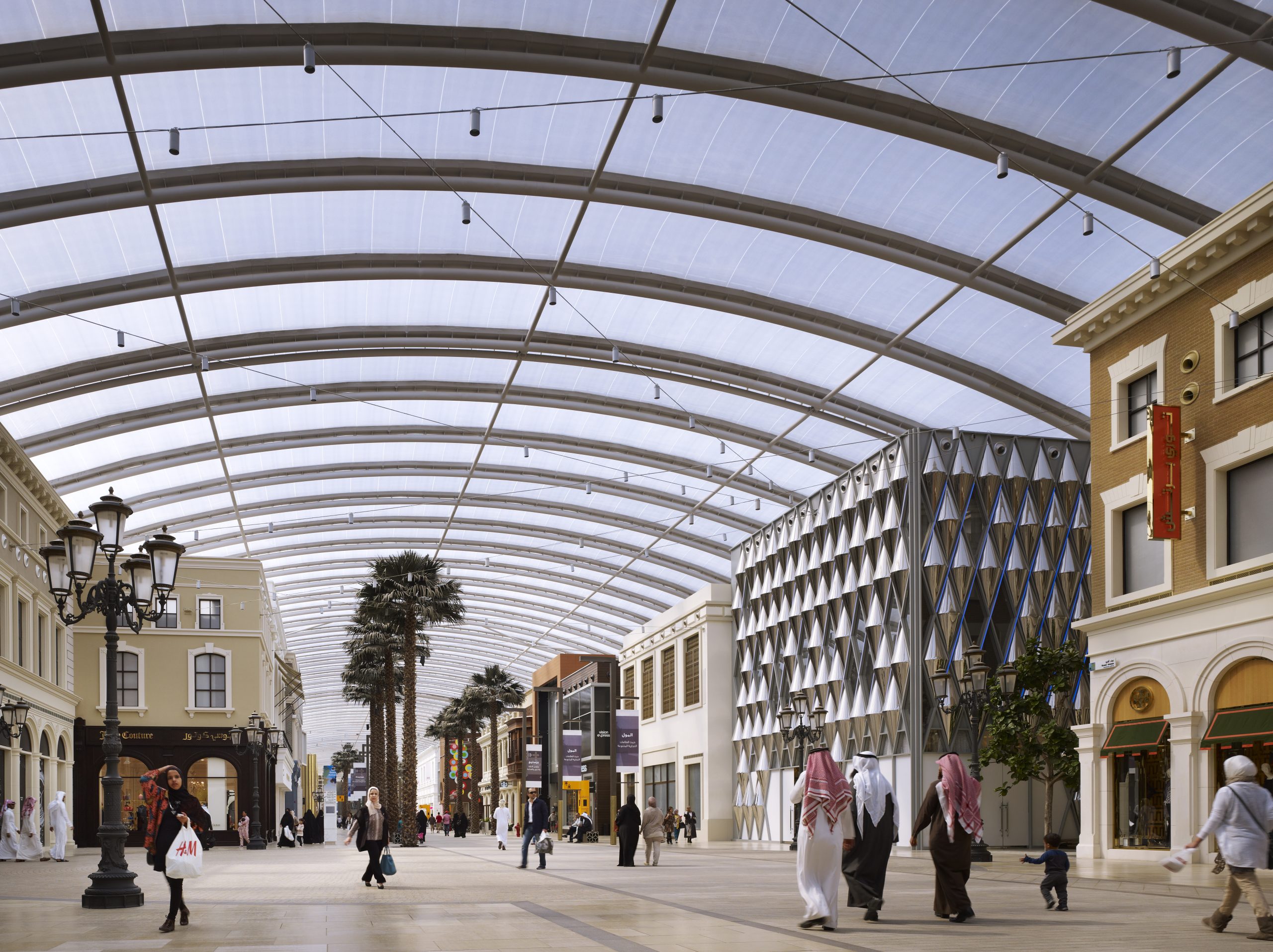
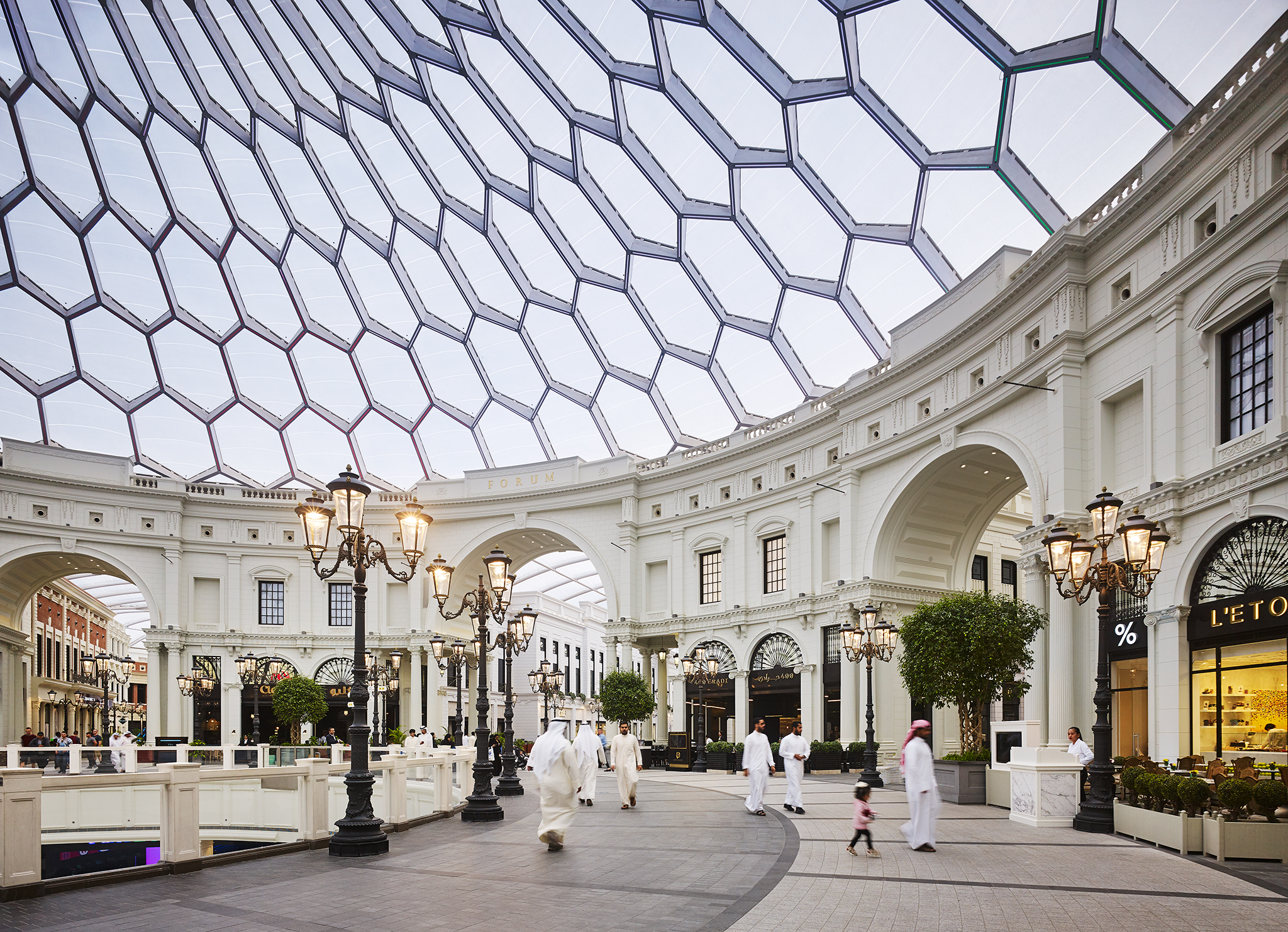
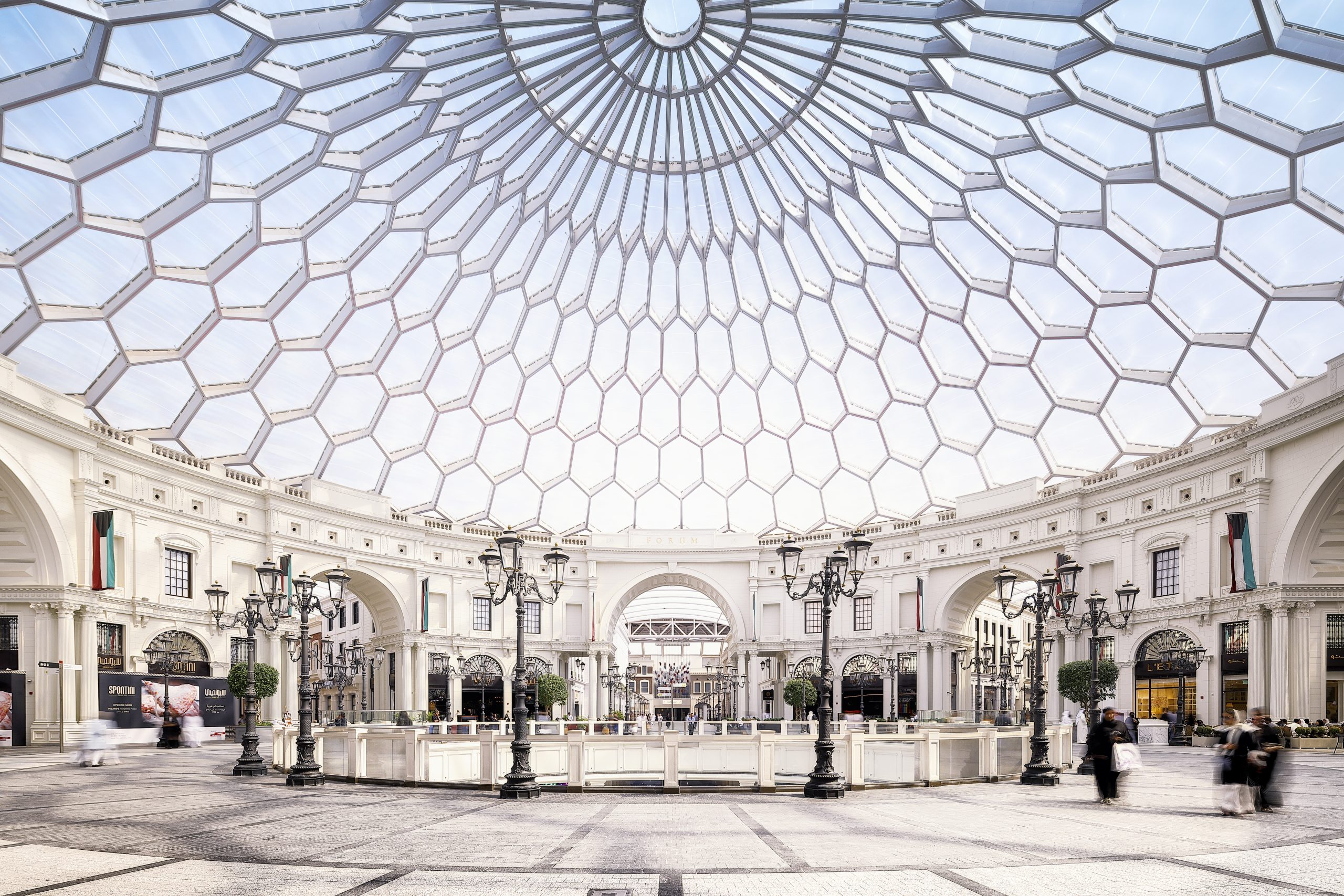
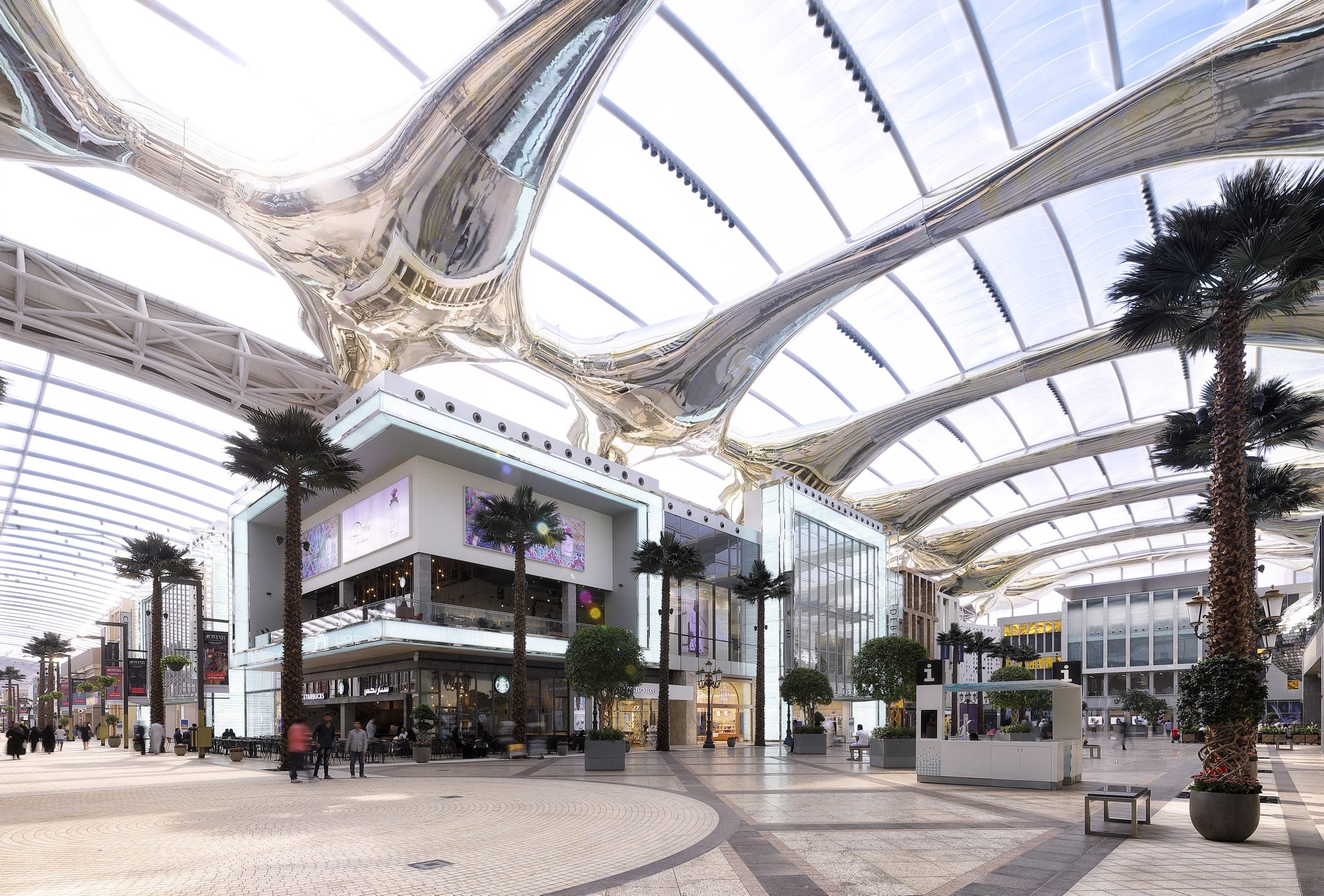
ETFE replaces heavier glazing in applications where low structural weight, daylight transmission, and flexible geometry are important. ETFE roofs are used for shopping malls, hotel atria, botanical gardens, stadiums, public buildings, and large-span architectural structures. Lightspan’s ETFE roof systems explains how cushion and membrane systems work.
ETFE cushion roofs for demanding climates
In the Middle East, roof design must account for intense solar exposure, heat, wind, and large conditioned spaces. ETFE thermal envelopes can create naturally daylit interiors while reducing reliance on artificial lighting. Solar-control strategies, foil layers, and printed patterns can also influence daylight and solar gain.
ETFE Roof Installation: How Does the Process Work?
ETFE foil roofing and structural coordination
Successful installation starts with geometry, structural analysis, connection details, drainage, and coordination with the main building structure. Lightspan supports projects from concept and engineering through fabrication and site installation. Its ETFE roof detailing and BIM approach covers connections, substructures, drainage, and fabrication data.
Pneumatic ETFE roofs and site installation
For cushion systems, multiple ETFE layers are welded into panels and continuously supported by controlled air pressure. Installation requires accurate fabrication, perimeter fixing, interface coordination, and commissioning of the inflation system.
ETFE Roof Installation: Why Choose It for the Middle East?
Lightweight ETFE roofing for large spans
ETFE can significantly reduce roof dead loads compared with conventional glazing, allowing efficient structural solutions and large transparent spans. Its flexibility also supports complex architectural geometries.
ETFE facades and climate-responsive envelopes
Lightspan’s Middle East portfolio includes shopping centres, hotel atria, botanical gardens, stadiums, and Expo venues. With more than 1,700 completed ETFE projects worldwide, Lightspan combines international experience with regional teams in Saudi Arabia and the UAE. Explore Lightspan’s Middle East projects.
ETFE Roof Installation: What Should Clients Consider?
ETFE roof installation and long-term performance
Design should consider solar control, thermal performance, wind loads, drainage, access, maintenance, replacement strategy, and integration with MEP systems. For structural context, the International Association for Shell and Spatial Structures (IASS) provides resources covering lightweight membrane and spatial structures.
ETFE roof installation for iconic architecture
Lightspan works with architects, developers, contractors, and governments to integrate ETFE roofs and façades into complex buildings. Its global ETFE expertise covers design, engineering, fabrication, installation, and aftercare.
FAQ: ETFE Roof Installation
What is an ETFE roof installation?
It is the engineered installation of ETFE foil roofing, including support structures, frames, connections, cushions or membranes, and associated systems.
Where is ETFE roofing used?
Common applications include stadiums, atria, shopping centres, airports, botanical gardens, and large-span public buildings.
Is ETFE suitable for the Middle East?
Yes. Its low weight, daylight transmission, and ability to incorporate solar-control strategies make ETFE suitable for many large architectural projects in hot climates.
How does ETFE compare with glass?
ETFE is substantially lighter and can accommodate large, flexible roof geometries. However, the right solution depends on thermal, acoustic, structural, and project-specific requirements.