

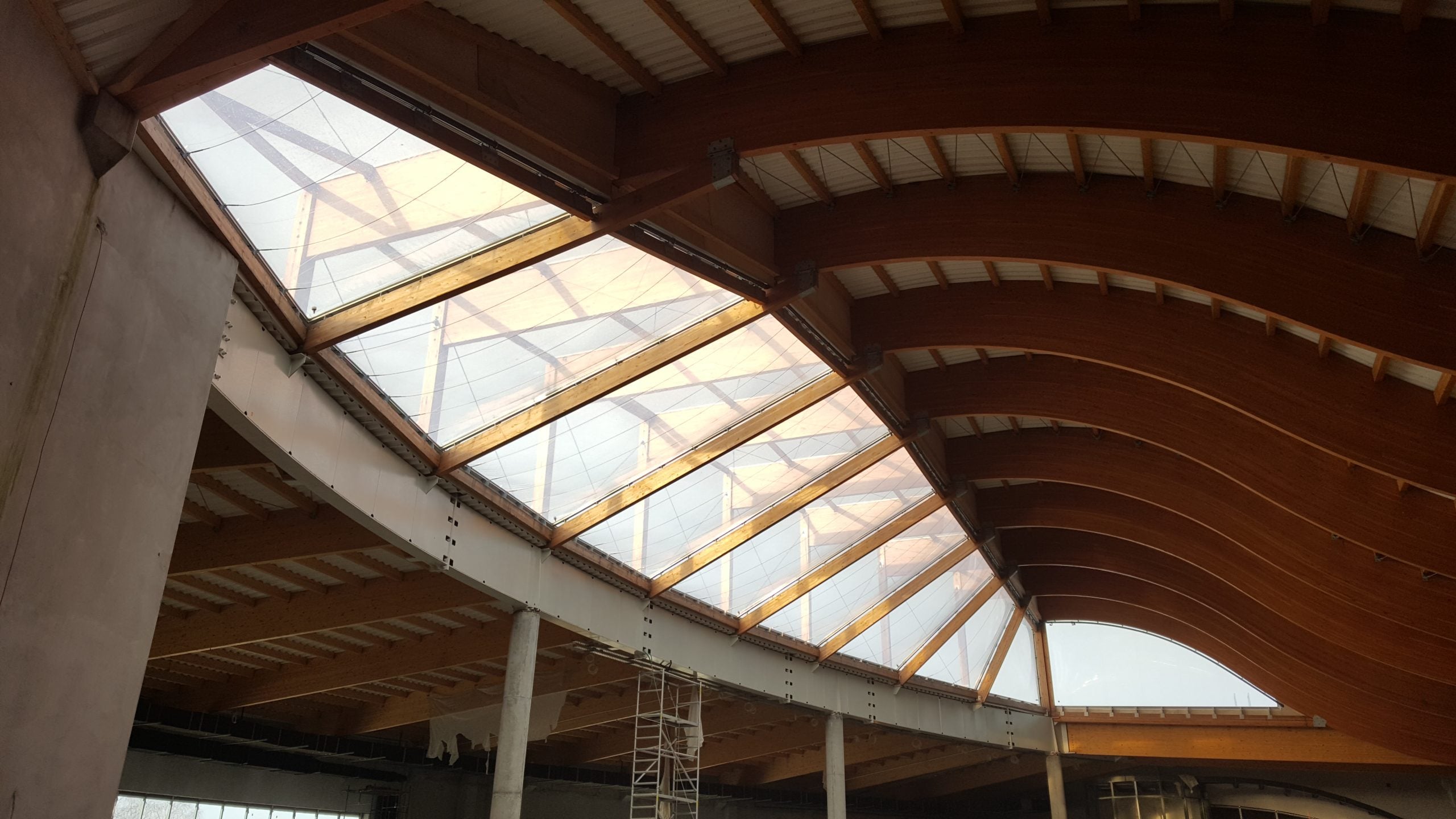


ETFE Cladding System at Aqua Park Tychy
What is an ETFE cladding system? ETFE Cladding System for Aqua Park Tychy | Design & Performance
An ETFE cladding system is a lightweight building envelope made from durable ETFE (Ethylene Tetrafluoroethylene) foil cushions or single-layer membranes. It is widely used for roofs and façades because it allows high levels of natural daylight, reduces structural weight, and supports energy-efficient building design. Aqua Park Tychy in Poland demonstrates how an ETFE cladding system can combine architectural freedom with practical building performance.
How does the ETFE cladding system improve Aqua Park Tychy?
The Aqua Park Tychy project was designed to create bright, comfortable indoor spaces while reducing energy demand. Lightspan’s Texlon® ETFE cushion system allows daylight to enter deep into the building, reducing the need for artificial lighting during the day. At the same time, multiple ETFE layers help manage solar gain and improve thermal insulation, creating a pleasant environment for visitors throughout the year.
The lightweight nature of the ETFE cladding system also reduces the load on the supporting structure, making larger spans and more complex architectural forms possible without excessive structural requirements. More information about ETFE material properties is available from the <a href=”https://www.eftec.org” target=”_blank” rel=”noopener”>ETFE Technical Committee (EFTC)</a> and the <a href=”https://www.archdaily.com” target=”_blank” rel=”noopener”>ArchDaily</a> architecture platform.
ETFE Façade Systems and Building Envelopes
An ETFE façade system differs from traditional glass façades by combining low weight with high light transmission. Multi-layer ETFE cushions can include printed patterns that help control sunlight while maintaining transparency. This balance improves indoor comfort without sacrificing daylight or visual openness.
Lightweight Building Skins with ETFE
Because ETFE weighs only a fraction of conventional glazing, architects can design curved roofs, free-form façades, and large transparent surfaces that would otherwise require much heavier support structures. This flexibility makes ETFE a practical choice for sports facilities, aquatic centres, airports, botanical gardens, and public buildings.
Why is an ETFE cladding system used for aquatic buildings?
Swimming pools and water parks require materials that perform well in humid environments. ETFE resists moisture, corrosion, and UV exposure while requiring minimal maintenance. Its smooth surface also helps prevent dirt accumulation, reducing cleaning requirements over the building’s lifetime.
ETFE Cushion Technology for Natural Daylight
The multi-layer cushion design improves insulation while allowing abundant daylight into the building. Visitors benefit from naturally bright interiors that create an open and welcoming atmosphere without excessive heat build-up.
Transparent Roofing Systems for Leisure Facilities
Transparent ETFE roofing contributes to a stronger connection between indoor and outdoor spaces. Combined with energy-conscious building design, it supports lower operating costs and improved visitor comfort.
Can an ETFE cladding system improve energy efficiency?
Yes. An ETFE cladding system helps reduce electricity demand by maximising daylight while supporting thermal performance through multi-layer cushion technology. Lower structural weight also reduces material use in the primary building frame. These combined advantages make ETFE a common solution for contemporary public architecture.
ETFE Building Envelope Performance
The building envelope protects against weather while allowing designers to control light transmission, insulation, and solar performance. ETFE systems achieve this without the weight associated with conventional glazing.
Architectural Membrane Systems
Architectural membrane systems based on ETFE provide designers with greater freedom to create distinctive forms while maintaining practical building performance across a wide range of climates.
How does the ETFE cladding system support future architecture?
Aqua Park Tychy illustrates how an ETFE cladding system can successfully combine architectural expression with everyday functionality. The project demonstrates how lightweight façades, controlled daylight, and efficient building envelopes work together to create comfortable public spaces that remain adaptable for future requirements.
If you would like to learn more about similar projects, visit our ETFE Roofing Systems, ETFE Façade Solutions, Sports Architecture Projects, or Project Portfolio pages.