
ETFE Foil Cushions: Afrykarium’s Texlon® ETFE Roof System
ETFE foil cushions: What are they?
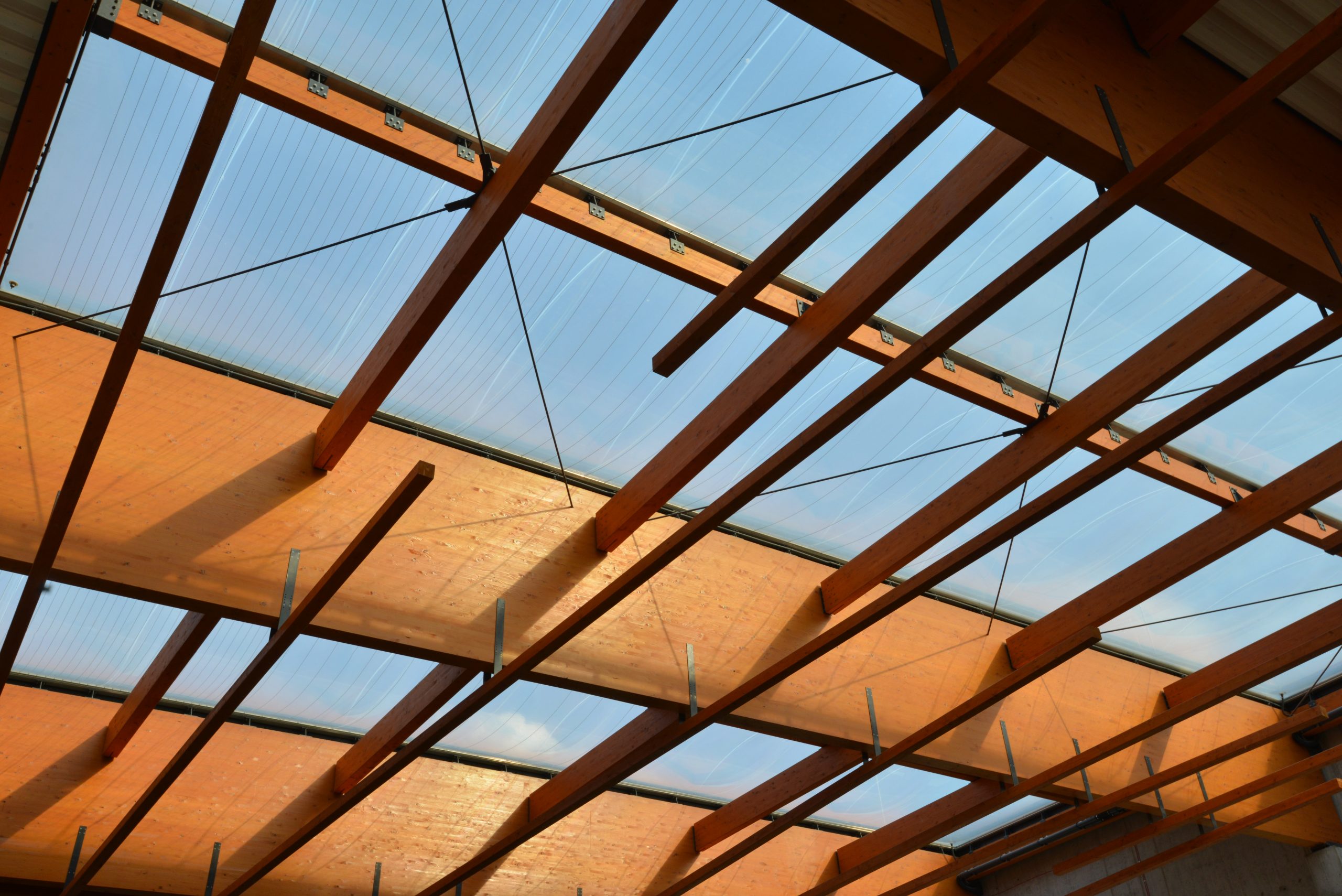
ETFE foil cushions are lightweight building elements made from layers of ETFE foil that are sealed at the edges and stabilized with low-pressure air. The system creates a lightweight, transparent building envelope that can provide daylight, thermal performance and large unobstructed spans. At the Afrykarium in Wrocław, a 4,000 m² Texlon® ETFE cushion roof forms a key part of the oceanarium architecture.
ETFE cushions and transparent building envelopes
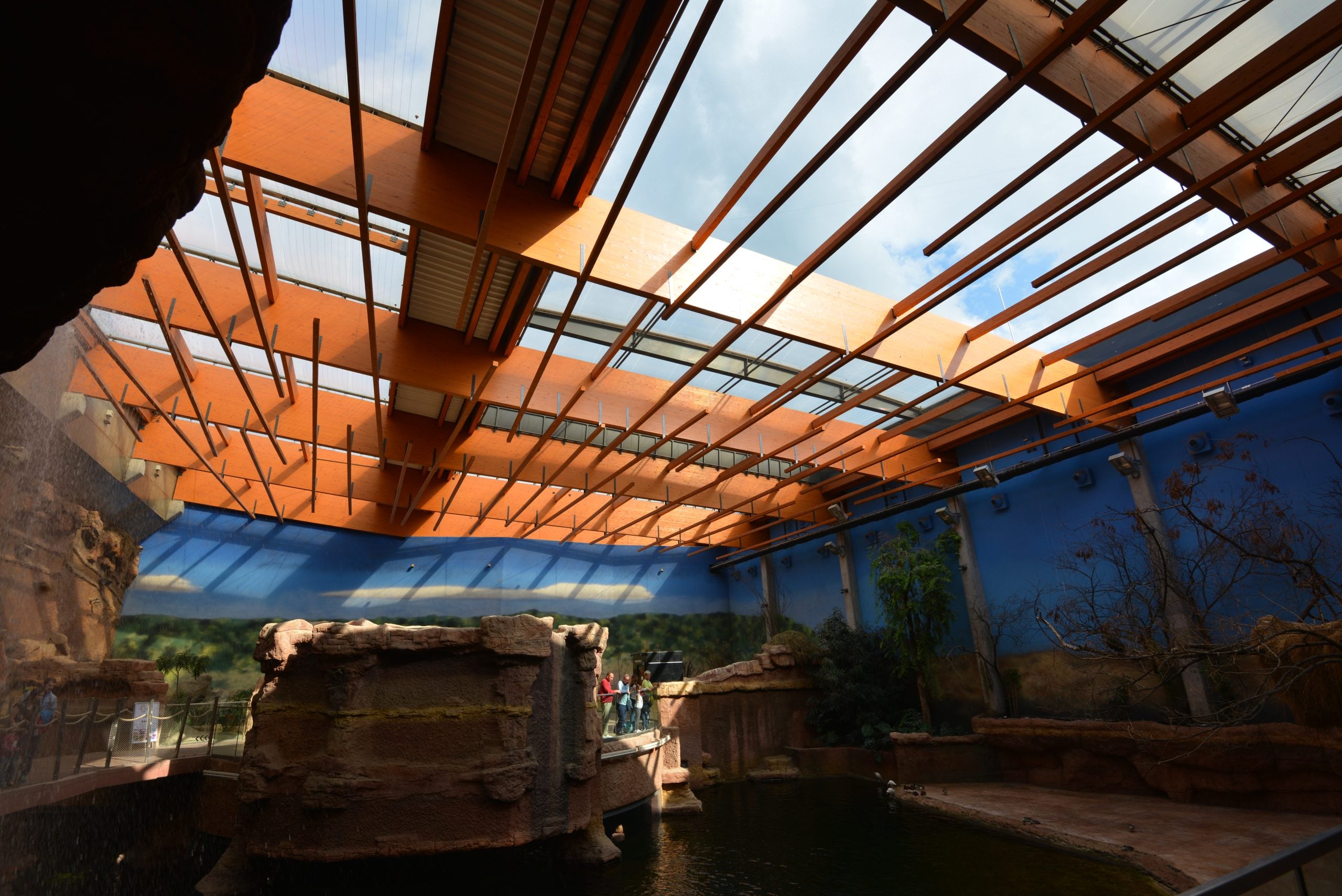
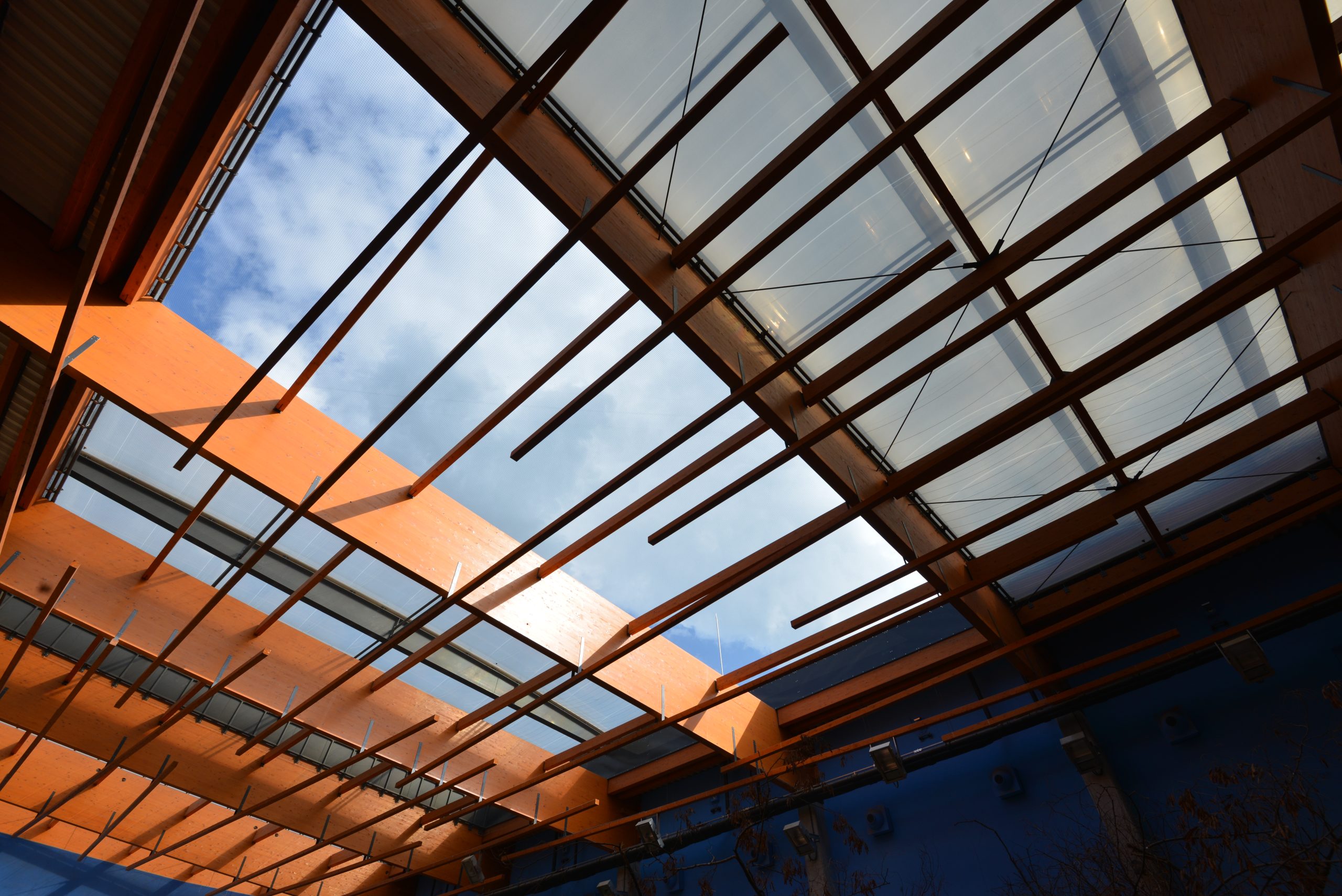
The UV-transparent ETFE cladding allows natural sunlight to enter the building, supporting the indoor environment and the growth of more than 1,000 plant species. The roof also includes a movable section that enables controlled ventilation and air circulation, helping create suitable conditions for visitors, plants and animals.
What are ETFE foil cushions used for?
ETFE foil cushions are used for roofs and façades where low weight, transparency and large spans are important. Their pneumatic construction allows the cushions to remain stable while using significantly less structural material than many conventional glazed systems.
ETFE foil cushions: How do they support the Afrykarium?
ETFE roof cushions for zoo and botanical environments
The Wrocław Afrykarium is dedicated to African ecosystems and houses species including fish, hippos, African fur seals and manatees. Its transparent roof helps connect the interior environment with natural daylight while allowing the building envelope to respond to ventilation and climate requirements.
The Afrykarium is a three-storey building measuring approximately 160 metres long and 54 metres wide, with the roof rising more than 43 metres. The roof uses long spans without additional support columns, giving visitors unobstructed views across the oceanarium.
ETFE foil cushions: Why are they suitable for large-span roofs?
Pneumatic ETFE cushions and structural efficiency
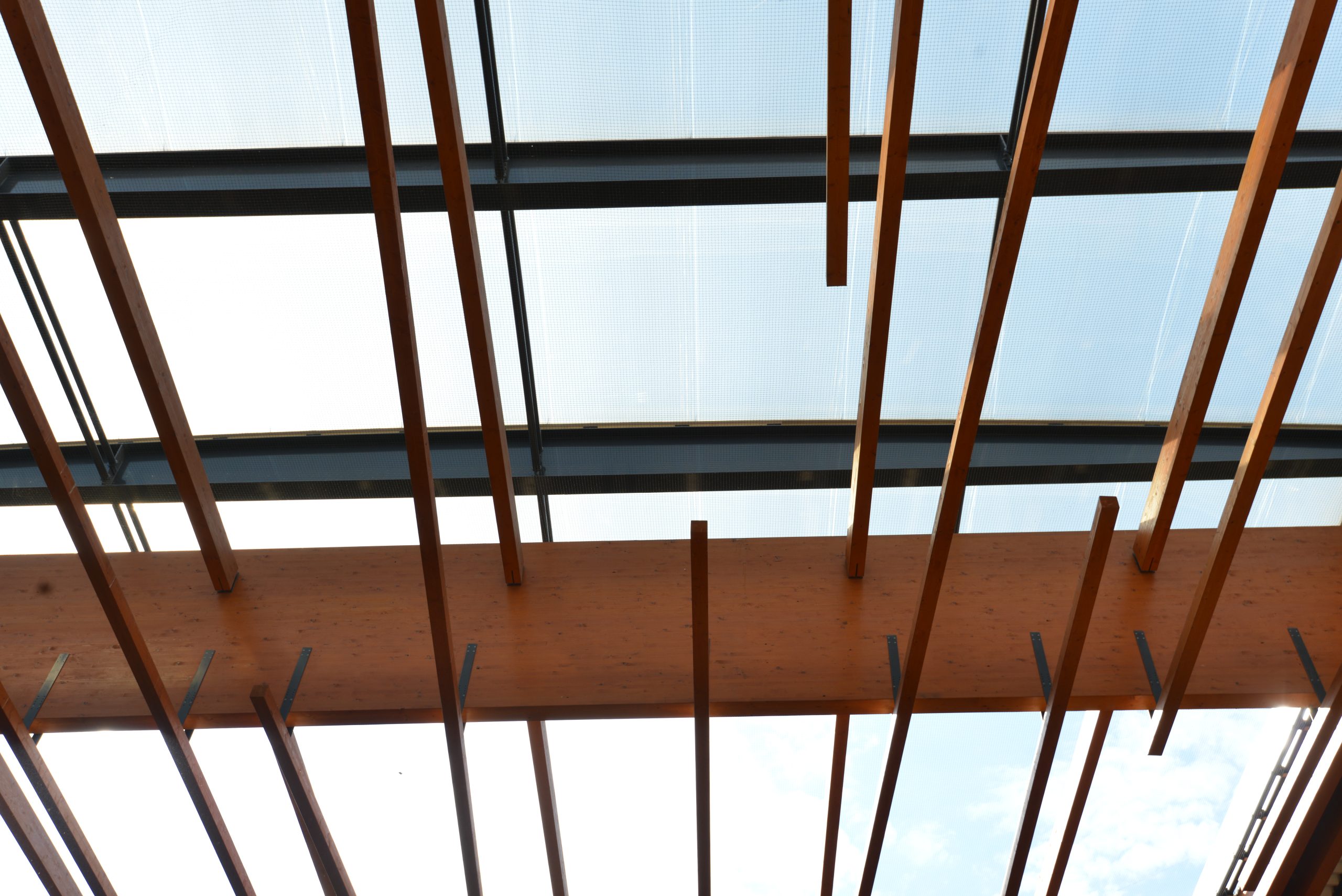
The roof combines ETFE cushions with a timber structure made from glulam beams. This approach keeps the roof visually light while providing the structural framework required for the large-span design.
Vector Foiltec’s technical documentation explains how Texlon® ETFE systems can use multiple foil layers, with the cushions stabilized by low-pressure air. The number and arrangement of layers can be selected according to structural and building-physics requirements.
ETFE foil cushions: How were they installed?
ETFE foil roof installation and project coordination
The Lightspan team designed and installed the Texlon® ETFE roof system in cooperation with general contractor PB Inter-System SA and the Montask installation team. Close coordination of technical requirements and installation schedules was important for delivering the roof system and integrating it with the wider building structure.
ETFE foil cushions for natural daylight and ventilation
The Afrykarium project demonstrates how ETFE cushions can combine daylight transmission, large spans and controlled ventilation within a single roof system. It remains a practical example of ETFE architecture applied to a complex environment for plants, animals and visitors.