



ETFE Meaning: Understanding ETFE in Burgers’ Zoo Architecture
What is ETFE meaning? ETFE stands for Ethylene Tetrafluoroethylene, a lightweight fluoropolymer used as a transparent building membrane. The ETFE meaning goes beyond the material itself—it represents an advanced solution for creating bright, durable, and energy-efficient buildings while allowing plants and wildlife to thrive under natural daylight.
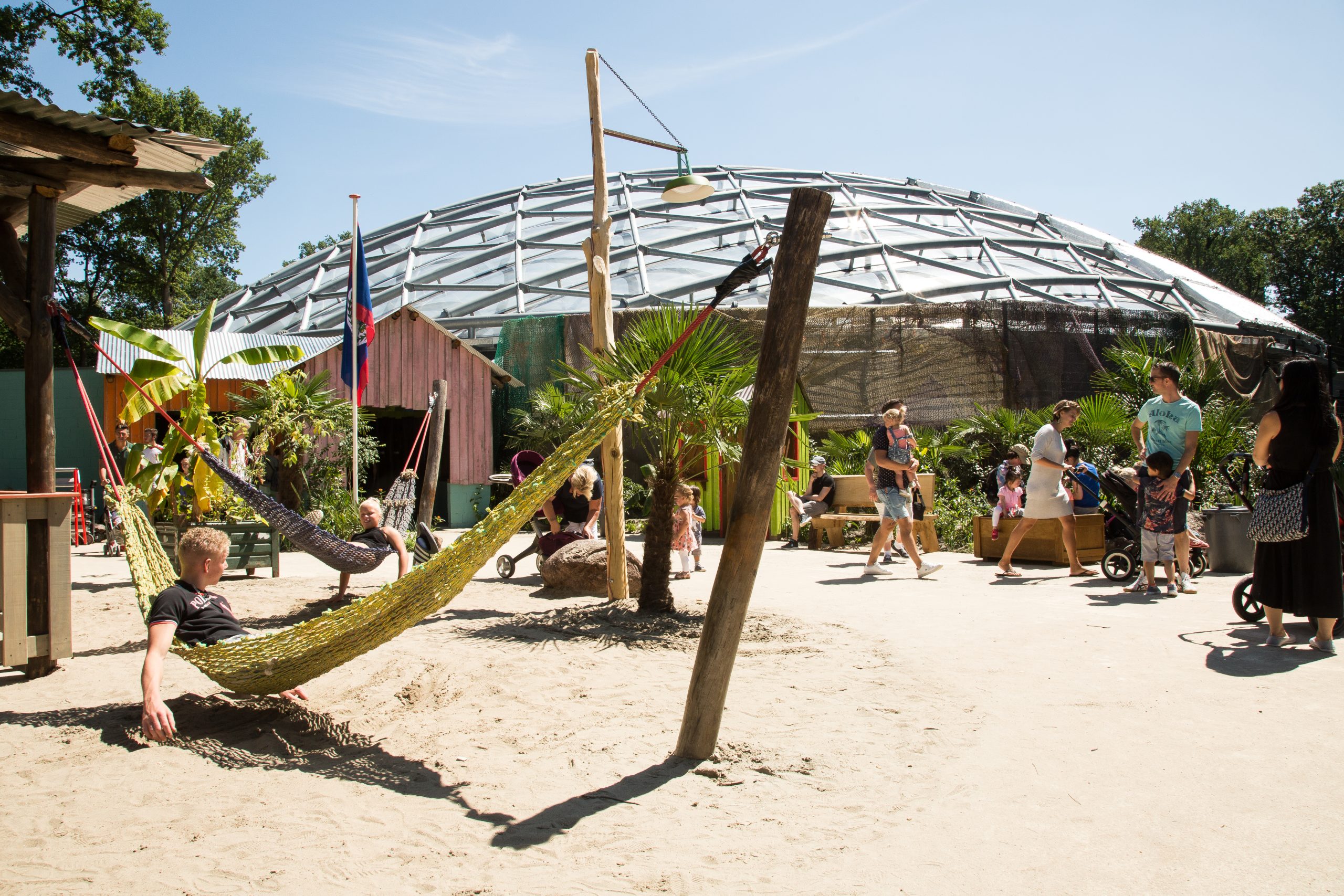
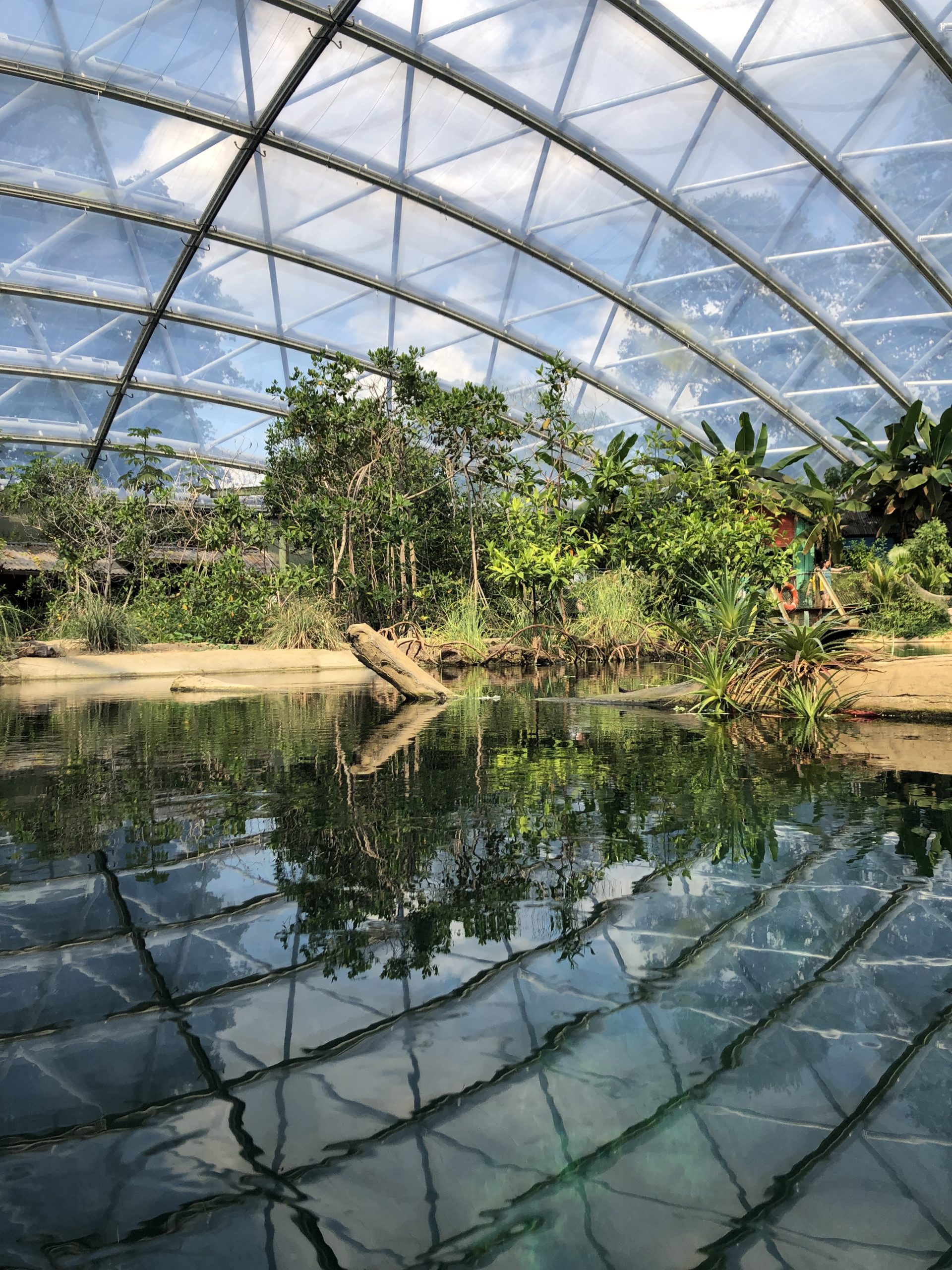
The New Mangrove Hall at Royal Burgers’ Zoo in Arnhem, Netherlands, is a clear example of how Texlon® ETFE transforms architectural design. Covering the world’s largest indoor mangrove, the project combines natural light, climate control, and structural efficiency to recreate tropical conditions indoors.
ETFE Meaning: Why Is ETFE Used in Zoo Architecture?
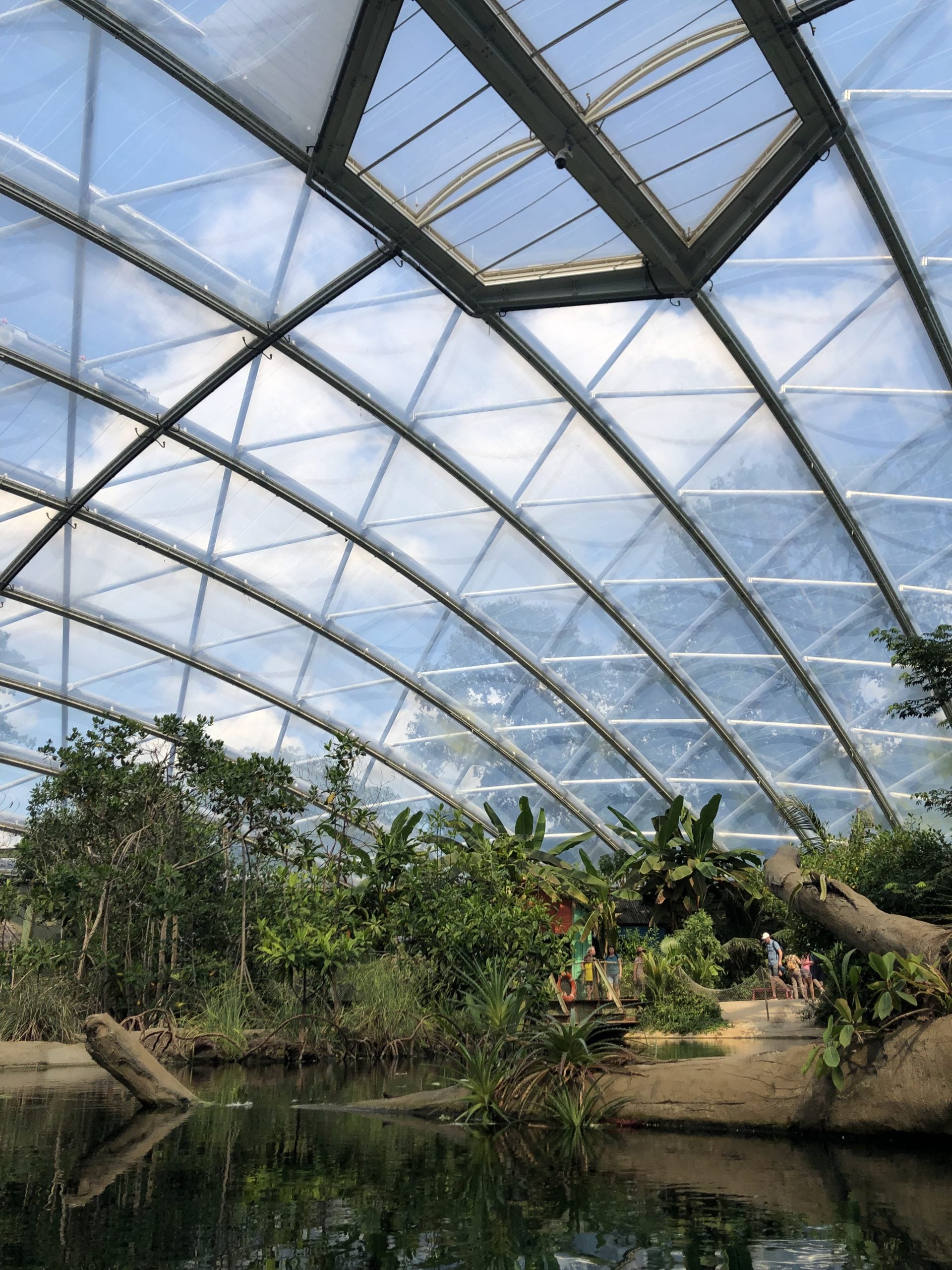
Zoo environments require materials that support both visitors and living ecosystems. Texlon® ETFE cushions allow more than 90% of visible daylight and around 80% of UV-A radiation to pass through, creating conditions that help tropical plants grow while supporting insects, birds, reptiles, and other wildlife.
Unlike conventional glass, ETFE is lightweight, flexible, and requires less structural steel. These characteristics reduce the overall building weight while enabling large, open-span roofs with minimal visual obstruction.
ETFE Material Explained
ETFE is widely used for:
- Botanical gardens
- Zoos
- Stadium roofs
- Greenhouses
- Public atriums
Its resistance to UV radiation, weather, and corrosion makes it suitable for buildings designed to last for decades.
Texlon® ETFE Creates Natural Indoor Environments
Royal Burgers’ Zoo first introduced Texlon® ETFE in its original Mangrove Hall in 1983. Since then, the material has also been installed in the zoo’s famous Rainforest, demonstrating its long-term performance in demanding climates.
Visitors experience an environment where butterflies fly freely, birds move naturally, and tropical vegetation receives the sunlight required for healthy growth—all beneath a transparent ETFE roof.
ETFE Meaning: How Does the Mangrove Dome Work?
The 3,000 m² Mangrove Dome uses a three-layer pneumatic Texlon® ETFE cushion system consisting of 40 transparent roof cushions, some spanning nearly 29 metres.
Moveable ETFE ventilation panels regulate airflow and indoor temperature while preventing birds and insects from escaping. The result is a controlled ecosystem that closely resembles a natural mangrove habitat.
ETFE Cushions and Energy Efficiency
Because ETFE cushions provide excellent daylight transmission, artificial lighting requirements are significantly reduced during daytime hours. Their lightweight construction also lowers structural loads compared with traditional glazing systems, contributing to more resource-efficient building design.
ETFE Meaning: What Are the Main Benefits?
Why do architects choose ETFE meaning in modern construction?
Key advantages include:
- Exceptional daylight transmission
- Lightweight structural design
- High weather resistance
- Excellent UV permeability
- Reduced steel requirements
- Flexible architectural forms
- Long service life with minimal maintenance
These characteristics have made ETFE a preferred roofing material for projects that combine architecture with living ecosystems.
What is ETFE meaning for sustainable building design?
ETFE supports natural daylight, helps lower energy consumption, reduces structural weight, and creates environments where plants and animals can flourish with minimal artificial intervention.
For more information about ETFE material properties, see the ETFE overview by Wikipedia (https://en.wikipedia.org/wiki/Ethylene_tetrafluoroethylene) and the American Chemistry Council (https://www.americanchemistry.com/). Technical information about Texlon® systems can also be found on the Vector Foiltec website (https://www.vector-foiltec.com/).
To explore similar projects, visit Our Projects, Botanical Gardens, and Zoo Architecture Solutions.