
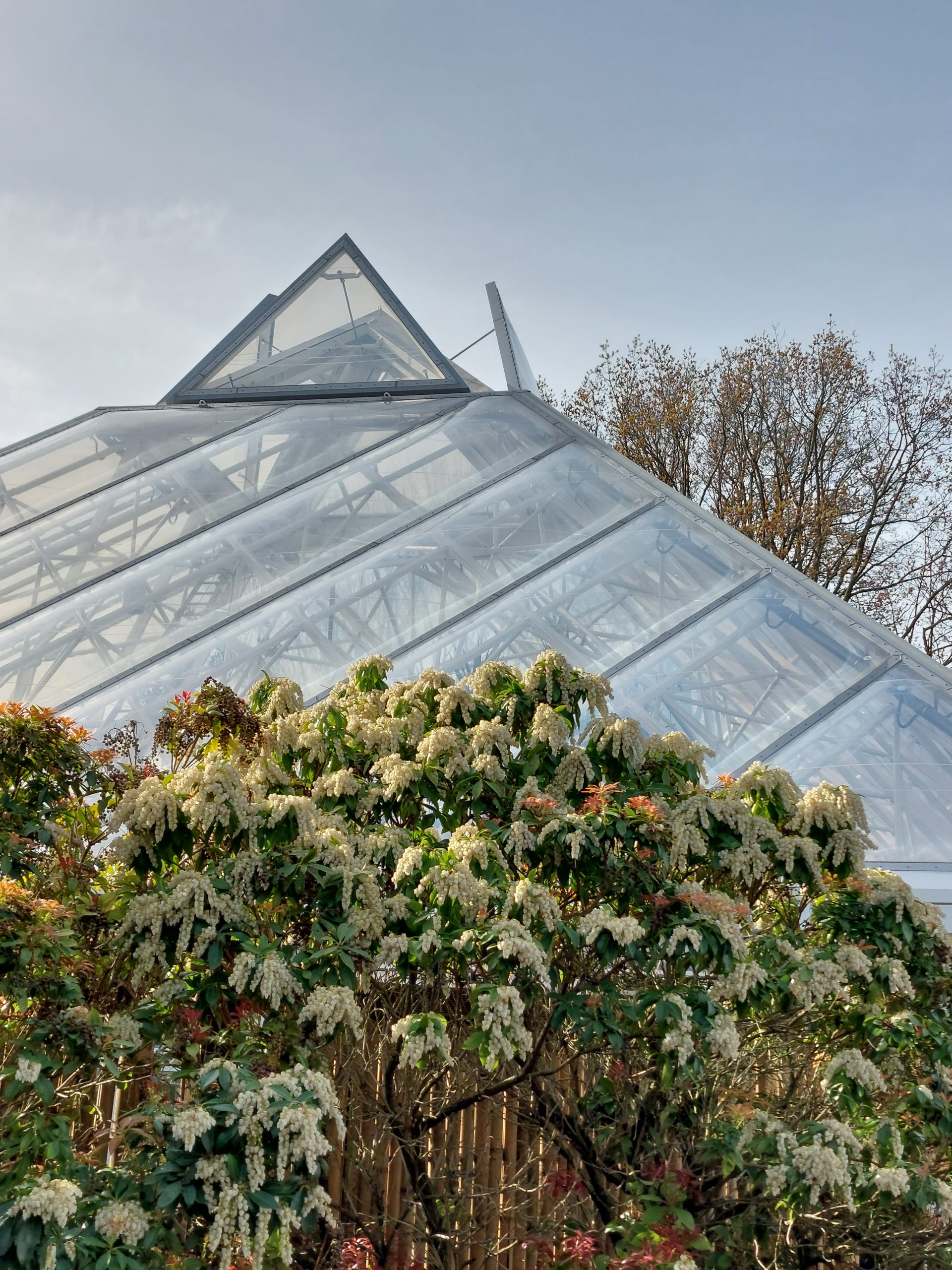
ETFE Translucent Roof for Botanical Restoration at Grugapark
What is an ETFE translucent roof? An ETFE translucent roof is a lightweight roofing system made from ethylene tetrafluoroethylene (ETFE) foil that allows exceptional daylight and UV transmission while reducing structural weight. It is widely used for botanical gardens, stadiums, atriums, and public buildings where natural light and energy performance are essential. The Grugapark Botanical Restoration Project in Essen demonstrates how an ETFE translucent roof can preserve historic architecture while improving environmental performance.
Why is an ETFE translucent roof ideal for botanical gardens?
Botanical collections require consistent daylight, including ultraviolet light, to support healthy plant growth. Unlike conventional glazing, ETFE foil transmits nearly the full spectrum of visible light and a significant amount of UV radiation. This creates conditions that closely resemble natural outdoor environments while reducing the overall weight placed on existing structures.
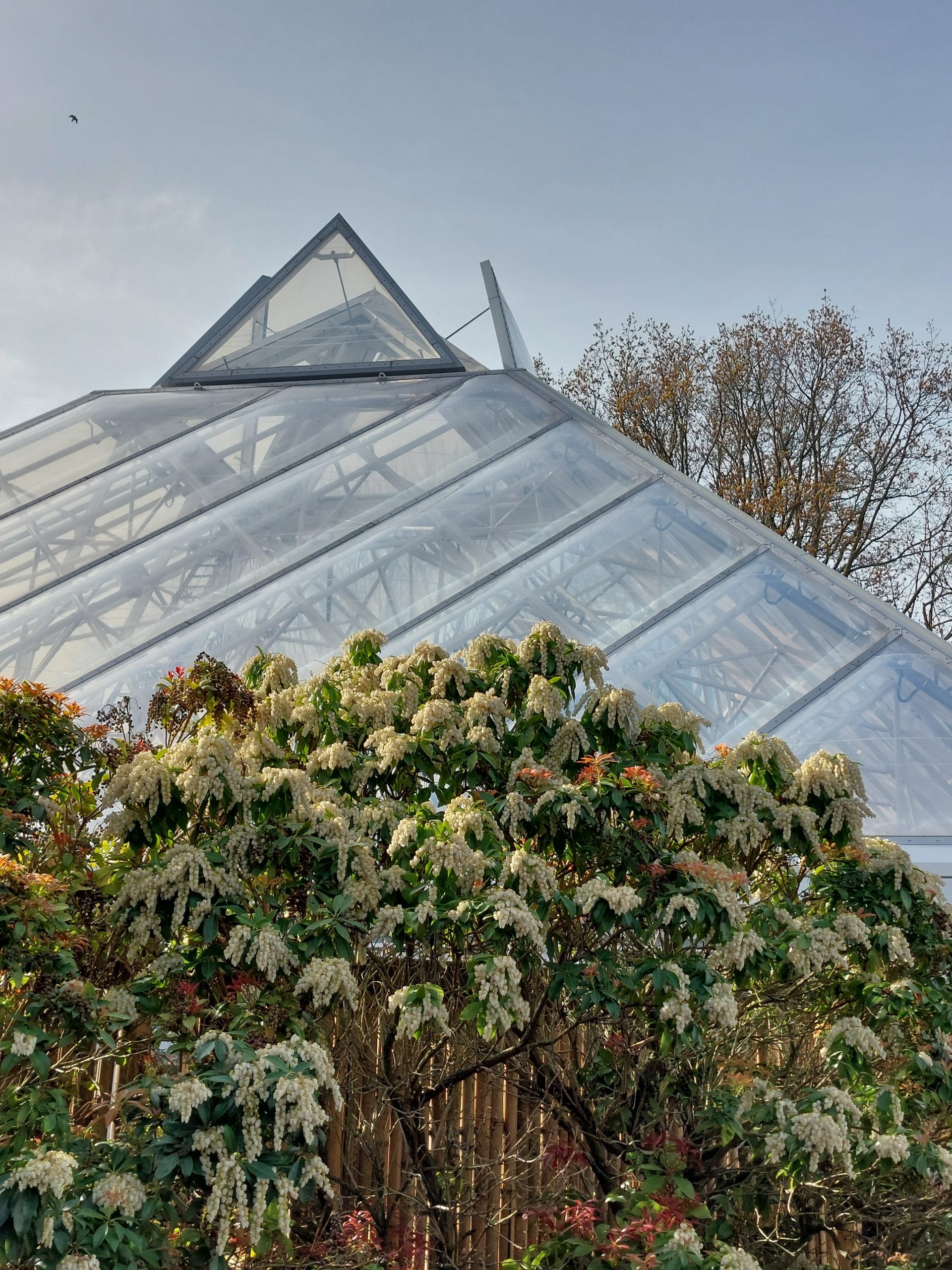
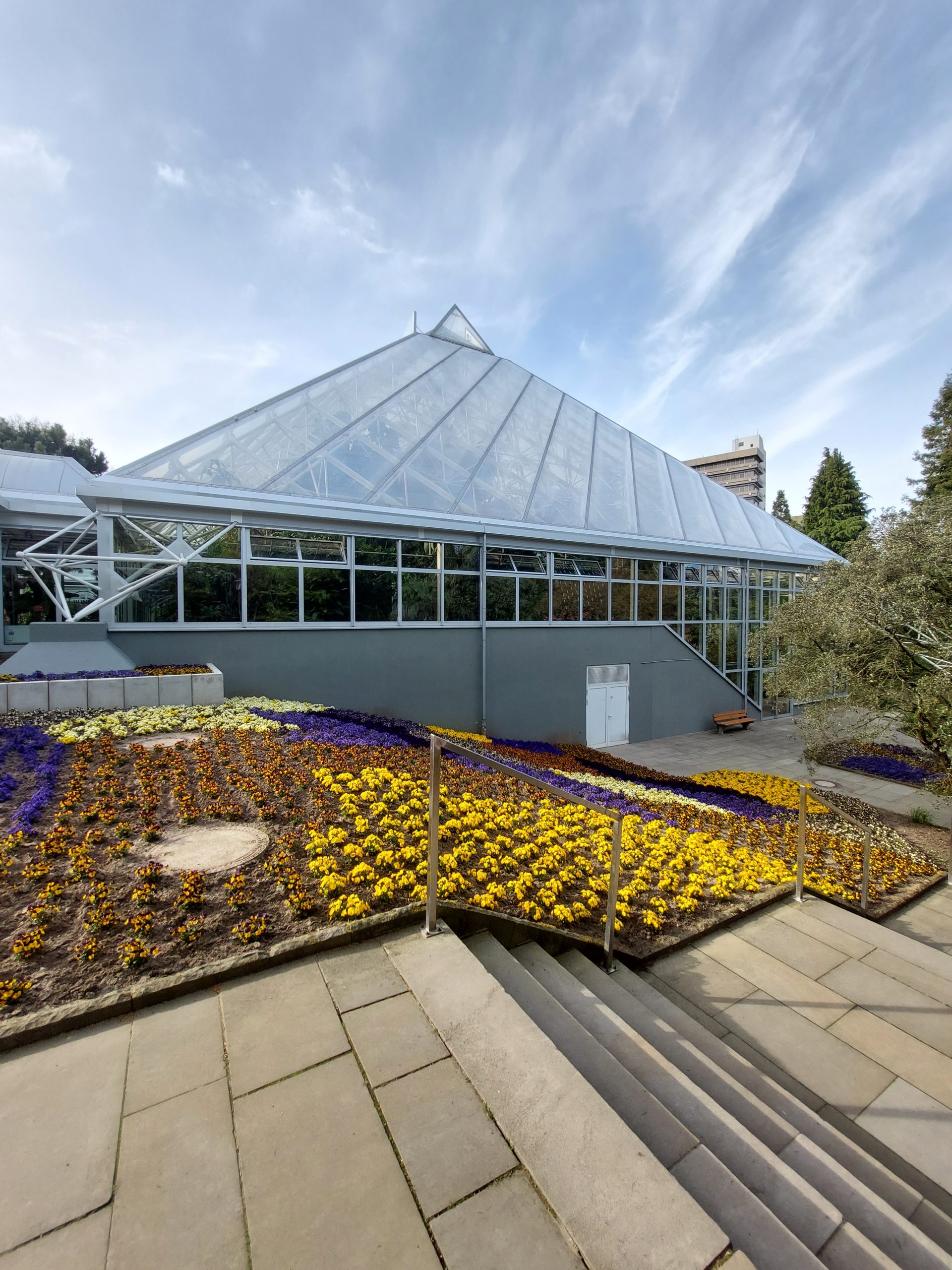
The restoration of the historic botanical show houses at Grugapark replaced the ageing acrylic glazing with a Texlon® ETFE translucent roof. The project improved transparency, indoor climate control, and long-term building performance without altering the protected steel framework.
ETFE foil roofing for maximum daylight
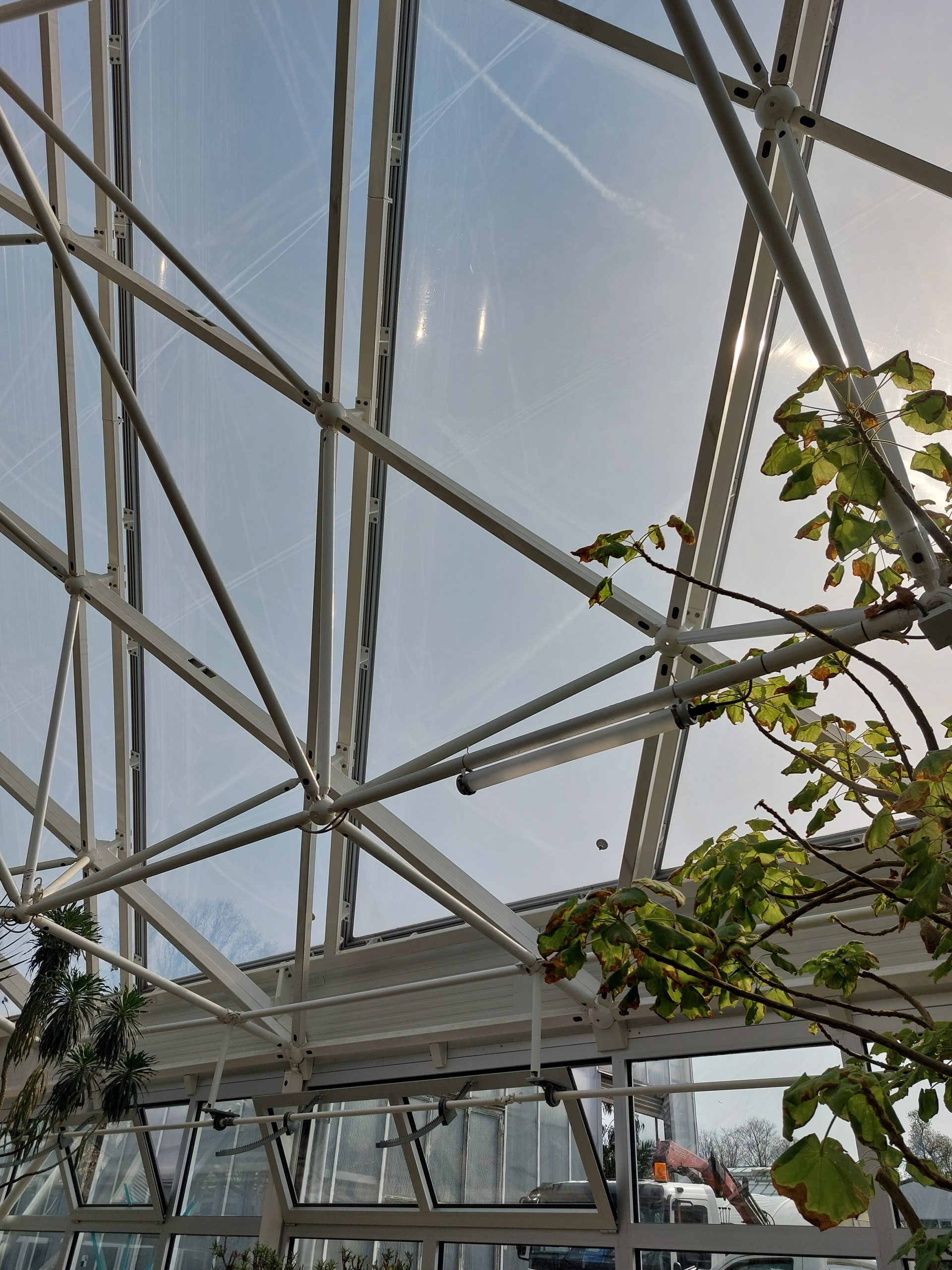
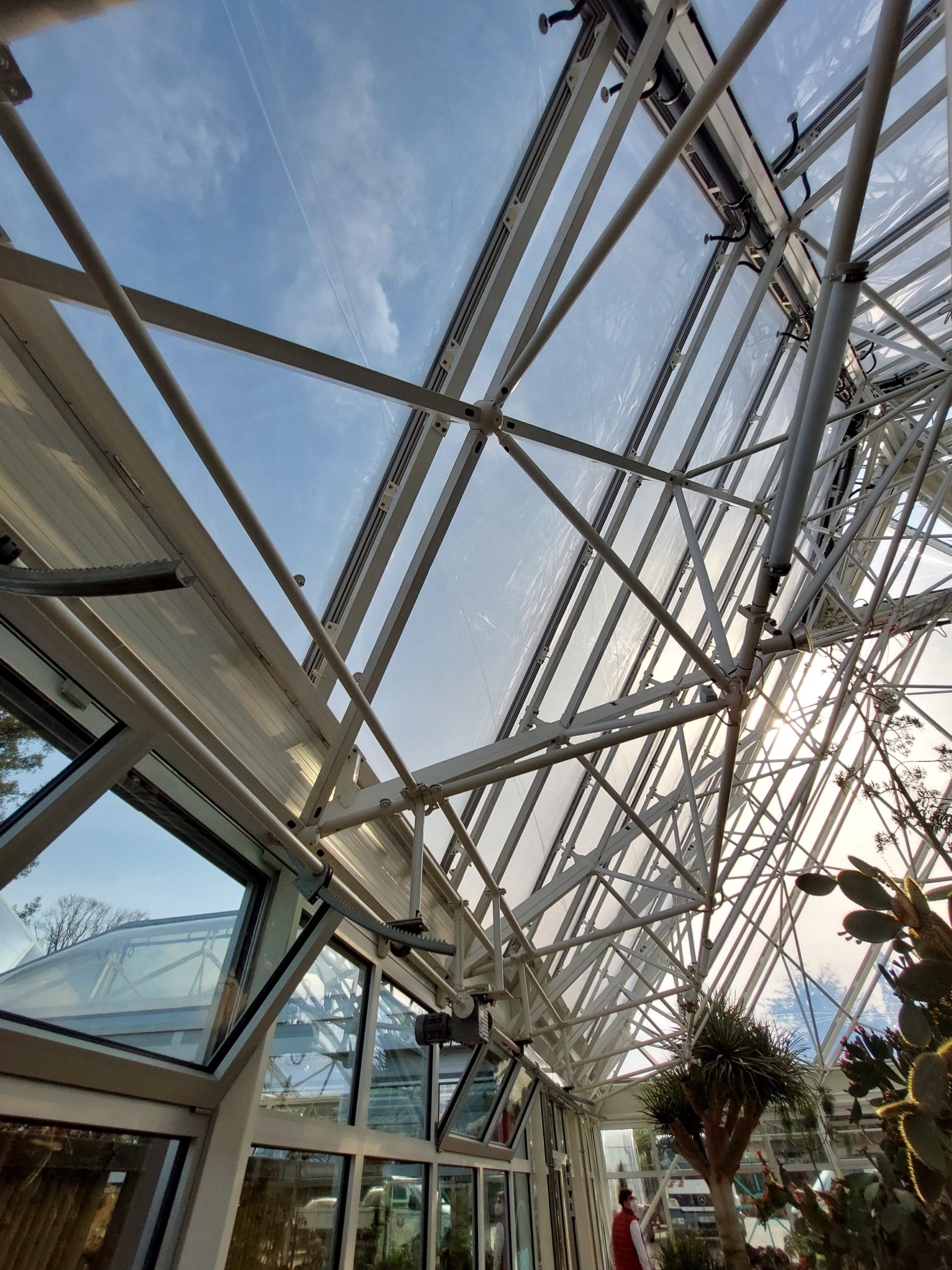
ETFE cushion systems allow sunlight to enter with minimal obstruction, creating bright interiors that benefit both plants and visitors. Their lightweight construction also reduces the load on older buildings, making them particularly suitable for restoration projects.
Transparent roofing systems with thermal performance
Multi-layer ETFE cushions provide thermal insulation while maintaining high light transmission. This combination helps stabilize temperatures inside greenhouses and reduces energy demand throughout the year.
How did the ETFE translucent roof preserve the heritage structure?
The Grugapark botanical houses are protected heritage buildings, meaning the original steel structure had to remain intact throughout the refurbishment. The new roofing material therefore needed to be lightweight, compatible with the existing framework, and installed without damaging historic components.
Our team carefully removed the original acrylic panels, inspected and maintained the steel structure, and installed 146 Texlon® ETFE cushions together with integrated smoke vents for fire safety and natural ventilation. This approach extended the life of the buildings while respecting their historical value.
Lightweight ETFE roof replacement
Replacing heavy glazing with ETFE cushions significantly reduced structural loads and simplified installation without compromising durability.
Heritage building refurbishment with ETFE
ETFE roofing enables conservation projects to modernize building envelopes while preserving original architectural elements.
What are the advantages of an ETFE translucent roof?
An ETFE translucent roof combines high light transmission, low weight, weather resistance, and long service life. It also requires less supporting steel than conventional glass systems, making it suitable for refurbishment and new construction alike.
How long does an ETFE translucent roof last?
With proper design and maintenance, ETFE roofing systems can remain in service for more than 30 years while maintaining excellent optical performance.
Is an ETFE translucent roof suitable for restoration projects?
Yes. Because ETFE is significantly lighter than glass, it is frequently selected for heritage buildings where preserving the original structure is essential.
Why choose ETFE for restoration and new construction?
From botanical gardens to public buildings, ETFE offers architects greater design flexibility while improving daylight access and reducing structural demands. The Grugapark restoration shows that replacing outdated glazing with ETFE can extend the lifespan of protected buildings without demolition.
For more information about ETFE building technology, visit our ETFE Roofing Solutions, Botanical Garden Projects, or Heritage Restoration Projects pages. Independent technical information is also available from the ETFE Association (https://www.etfe.com), Vector Foiltec (https://www.vector-foiltec.com), and the International Association for Shell and Spatial Structures (IASS) (https://iass-structures.org).