
ETFE Stadium: What Is an ETFE Stadium?
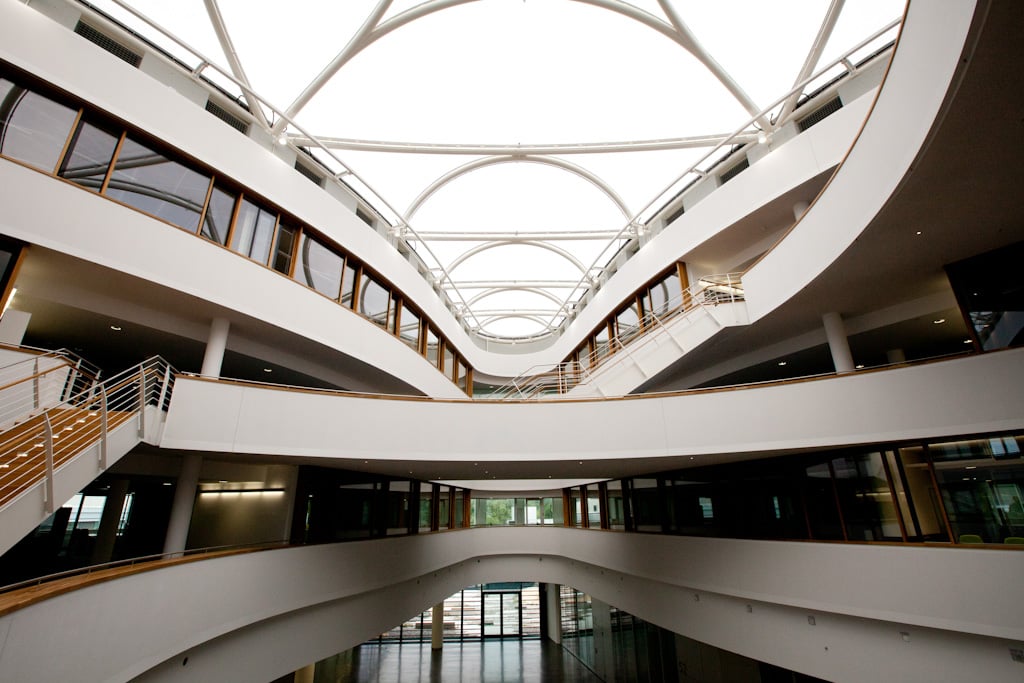
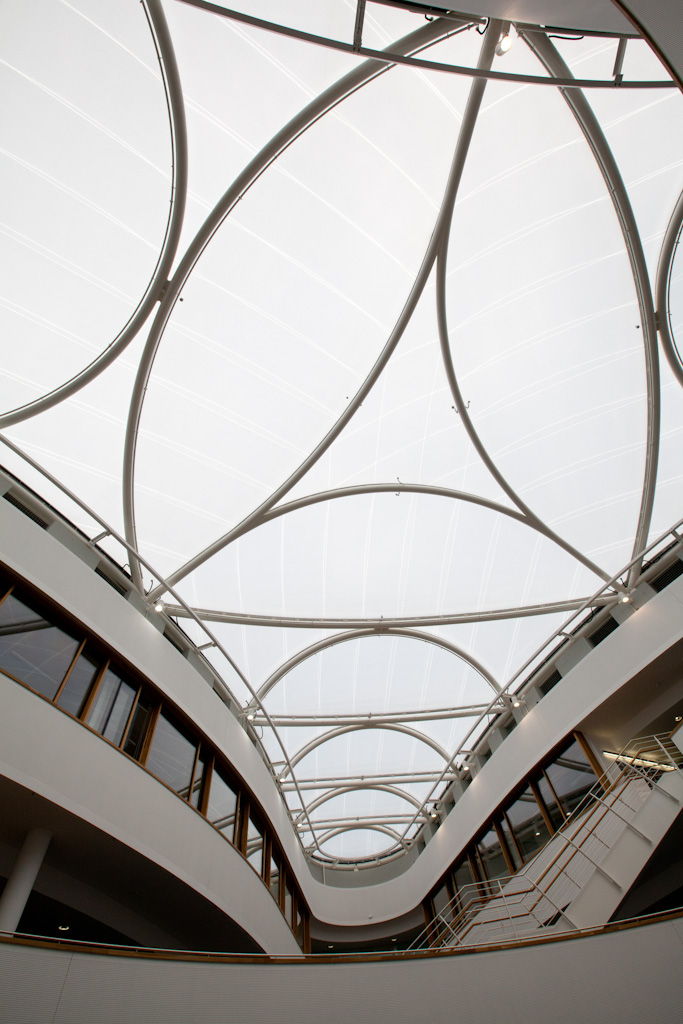
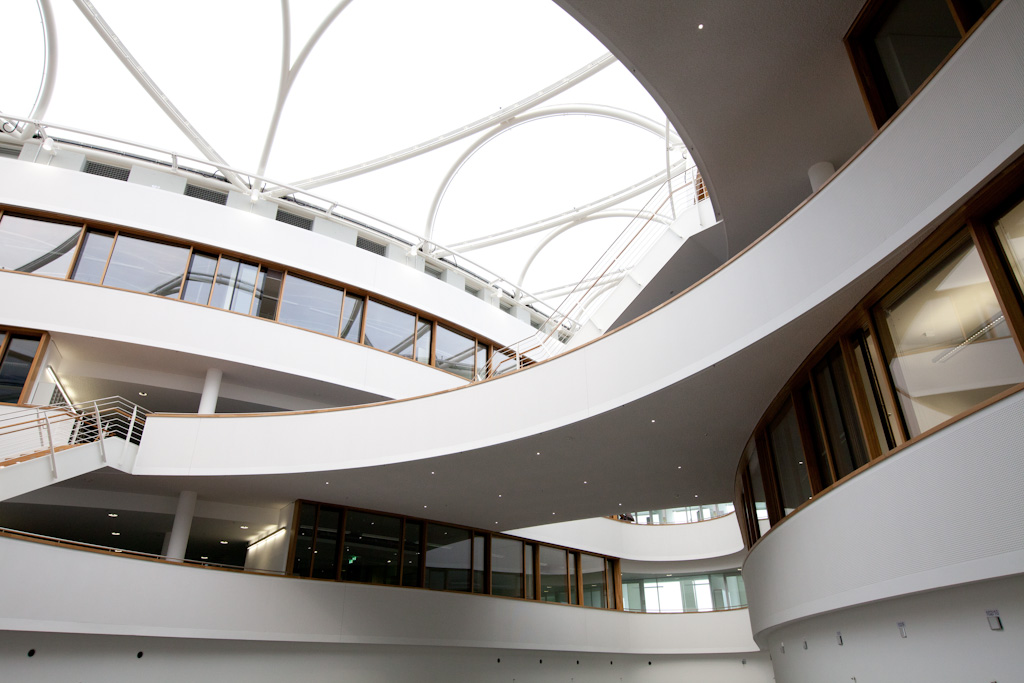
What is ETFE stadium? An ETFE stadium is a building that uses ETFE (Ethylene Tetrafluoroethylene) foil cushions or membranes for roofs and façades instead of conventional glass or heavy roofing materials. Although the CFEL (Center for Free-Electron Laser Science) in Hamburg is not a sports stadium, it demonstrates the same ETFE construction principles that have made ETFE stadium architecture popular worldwide. Lightspan’s Texlon® ETFE system shows how lightweight façades can increase daylight, reduce structural loads, and improve energy performance in complex buildings.
ETFE Stadium: Why Is ETFE Used in Large Buildings?
Large-span buildings, including stadiums, arenas, research facilities, and exhibition halls, benefit from ETFE because the material weighs only a fraction of glass while allowing high levels of natural daylight. At CFEL, the multi-layer ETFE façade creates bright interiors while helping regulate solar heat gain. Similar principles are applied in famous ETFE stadium projects around the world.
ETFE Roof Systems and Lightweight Building Envelopes
ETFE cushions consist of multiple air-filled layers that provide insulation without adding significant structural weight. This makes them suitable for buildings requiring wide, open spaces and efficient building envelopes.
ETFE Façades for Research and Public Buildings
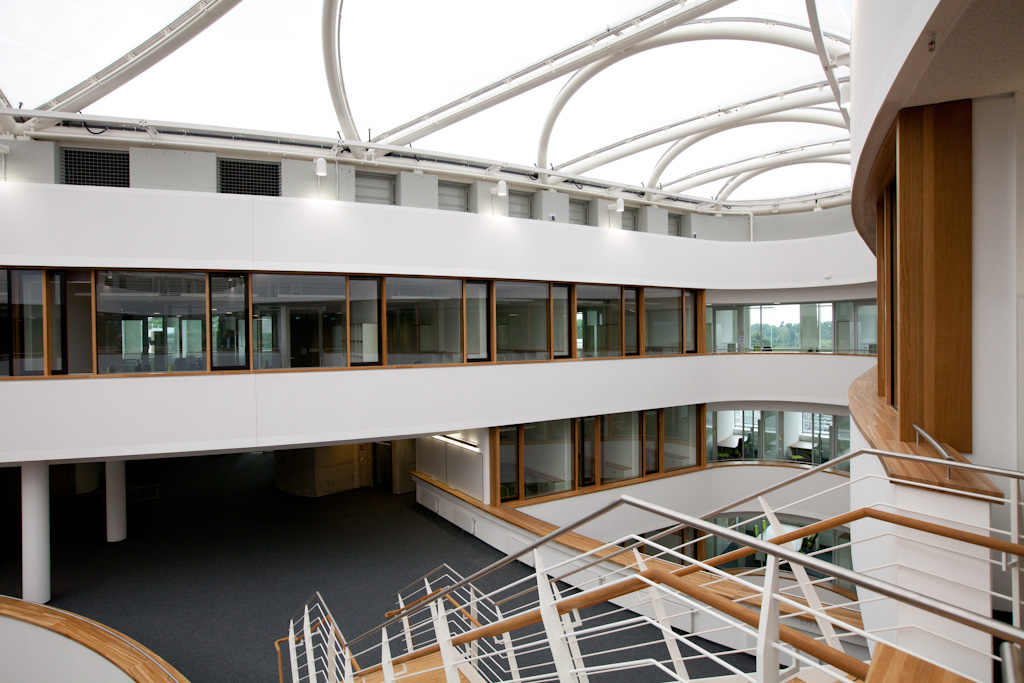
The CFEL façade demonstrates how ETFE can deliver transparency, solar control, and thermal performance in scientific environments where natural light and indoor comfort are important.
ETFE Stadium: How Does ETFE Improve Energy Efficiency?
The CFEL architecture uses printed and semi-transparent ETFE layers to balance daylight with solar shading. This reduces artificial lighting demand while maintaining comfortable indoor temperatures throughout the year.
Solar Control and Daylight Optimization
By controlling the amount of sunlight entering the building, ETFE systems help lower cooling loads without sacrificing interior brightness.
Thermal Insulation with Multi-Layer ETFE Cushions
Inflated ETFE cushions trap air between layers, improving insulation and reducing overall energy consumption.
ETFE Stadium: Where Is ETFE Commonly Used?
Beyond research centres like CFEL, ETFE is widely used for stadium roofs, airports, botanical gardens, shopping centres, transport hubs, and exhibition buildings. Well-known examples include Allianz Arena, Beijing National Aquatics Center (Water Cube), and U.S. Bank Stadium, where ETFE enables large transparent roof structures with reduced maintenance.
ETFE Membrane Architecture
Architects choose ETFE when they need lightweight construction, design flexibility, and long-term weather resistance.
Lightweight Façade Engineering
Compared with conventional glazing, ETFE systems reduce dead load while allowing greater freedom in structural design.
ETFE Stadium: What Can Designers Learn from the CFEL Project?
Although CFEL is a research facility, it demonstrates many of the engineering principles found in an ETFE stadium. Lightspan’s ETFE façade combines daylight management, thermal insulation, and lightweight construction in a building designed for demanding technical requirements. These same characteristics make ETFE a preferred solution for many landmark public buildings.
Does an ETFE Stadium Last for Decades?
Yes. Properly designed ETFE systems are known for long service life, weather resistance, and low maintenance requirements.
Is an ETFE Stadium More Efficient Than Glass?
In many applications, ETFE provides lower structural weight, high light transmission, and reduced material use compared with conventional glazed roof systems.
For more information about ETFE technology, visit the Lightspan ETFE Solutions page (internal link). Independent technical guidance is also available from the ETFE Architecture overview by ArchDaily and the International Association for Shell and Spatial Structures (IASS).