
Aluminum Extrusions in Modern Architecture
What is aluminum extrusions? Aluminum extrusions are aluminum profiles created by forcing heated aluminum through a shaped die. The process produces strong, lightweight components used in facades, skylights, roof systems, curtain walls, and structural frameworks. In ETFE architecture, aluminum extrusions provide the supporting framework that securely holds ETFE cushions while reducing the overall weight of the building.
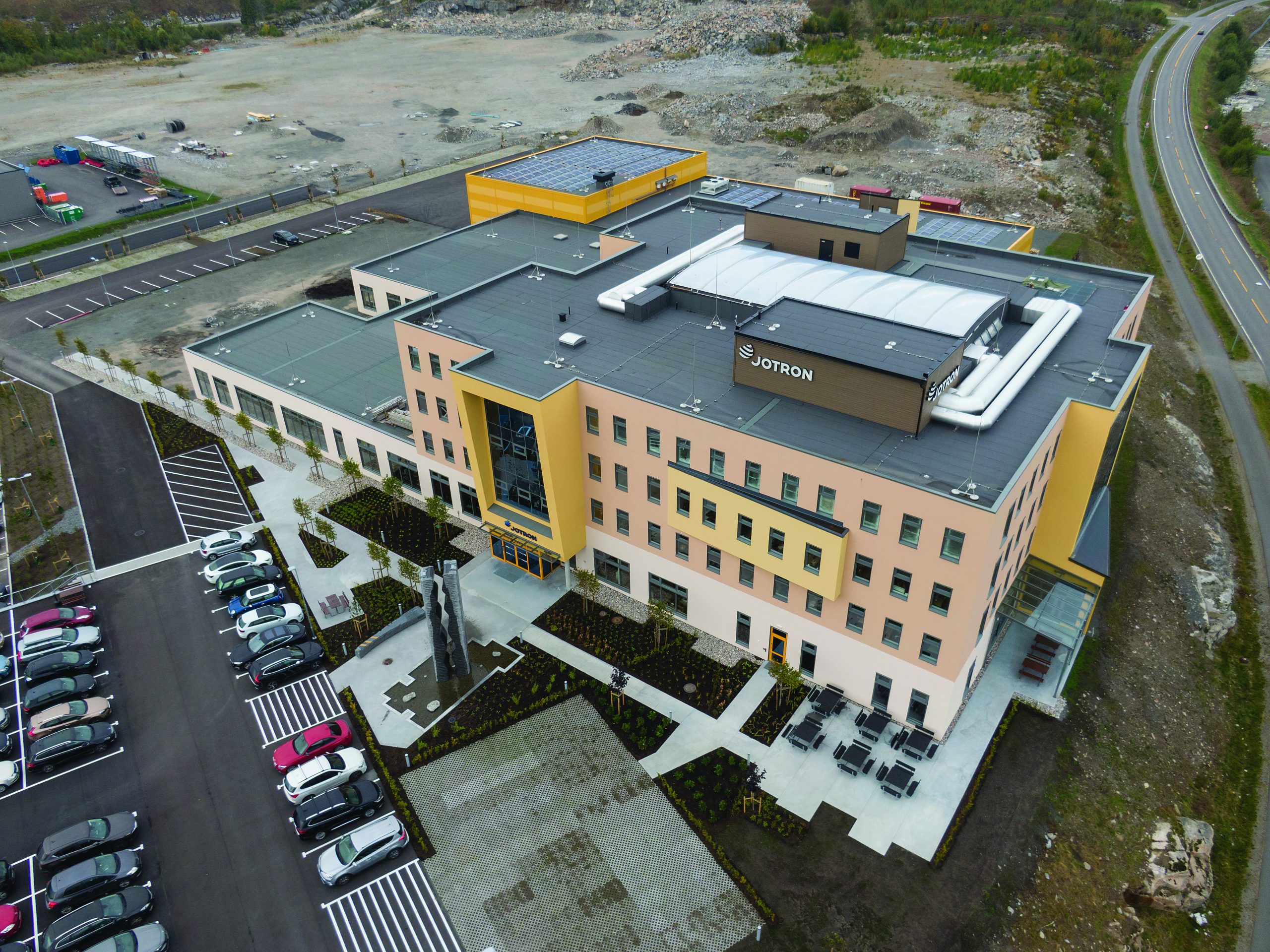
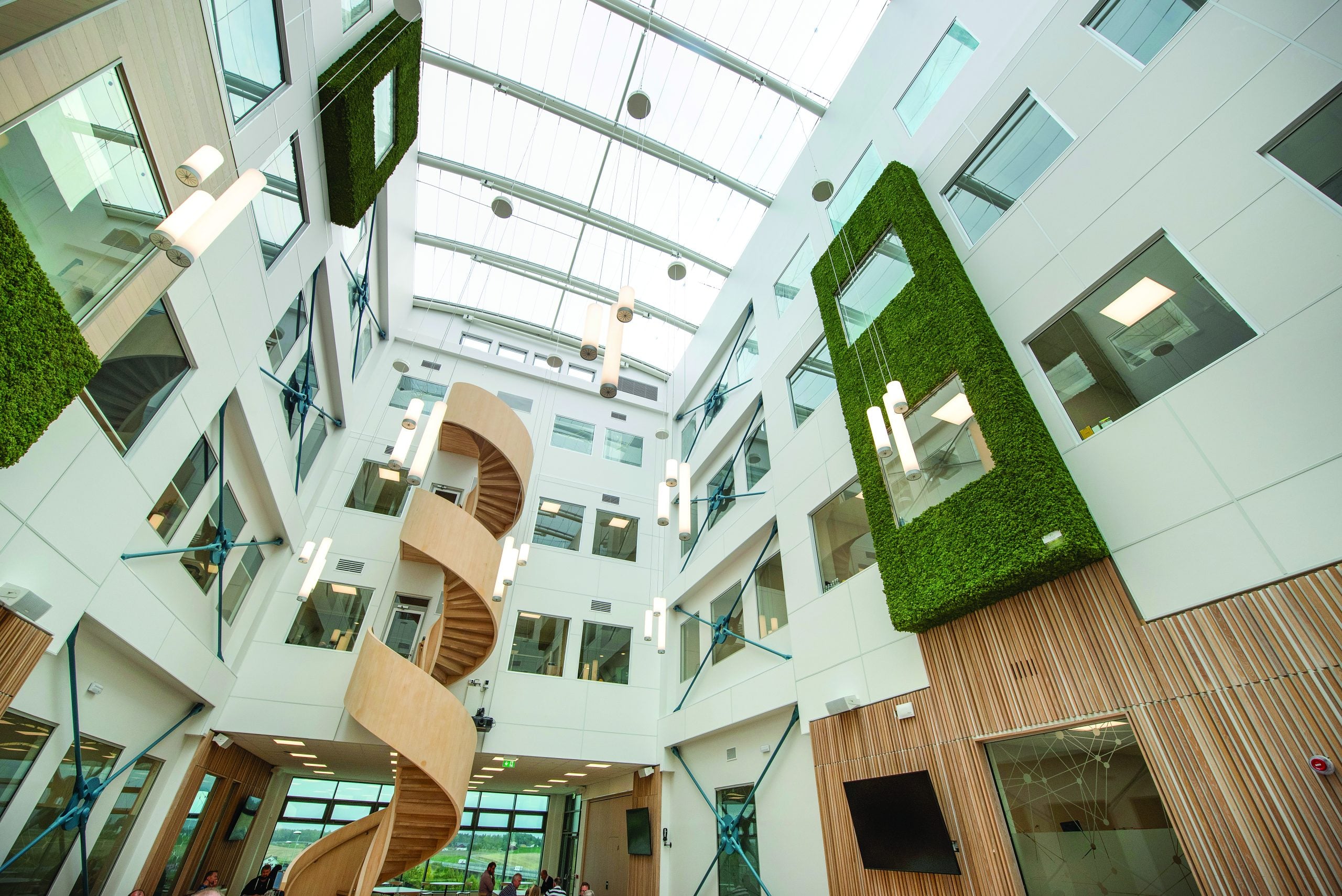
One example is the Texlon® ETFE roof installed at the new Jotron headquarters in Larvik, Norway. The project demonstrates how transparent roofing, structural aluminum framing, and energy-conscious design work together to create functional spaces with abundant natural daylight.
How Do Aluminum Extrusions Support ETFE Roof Systems?
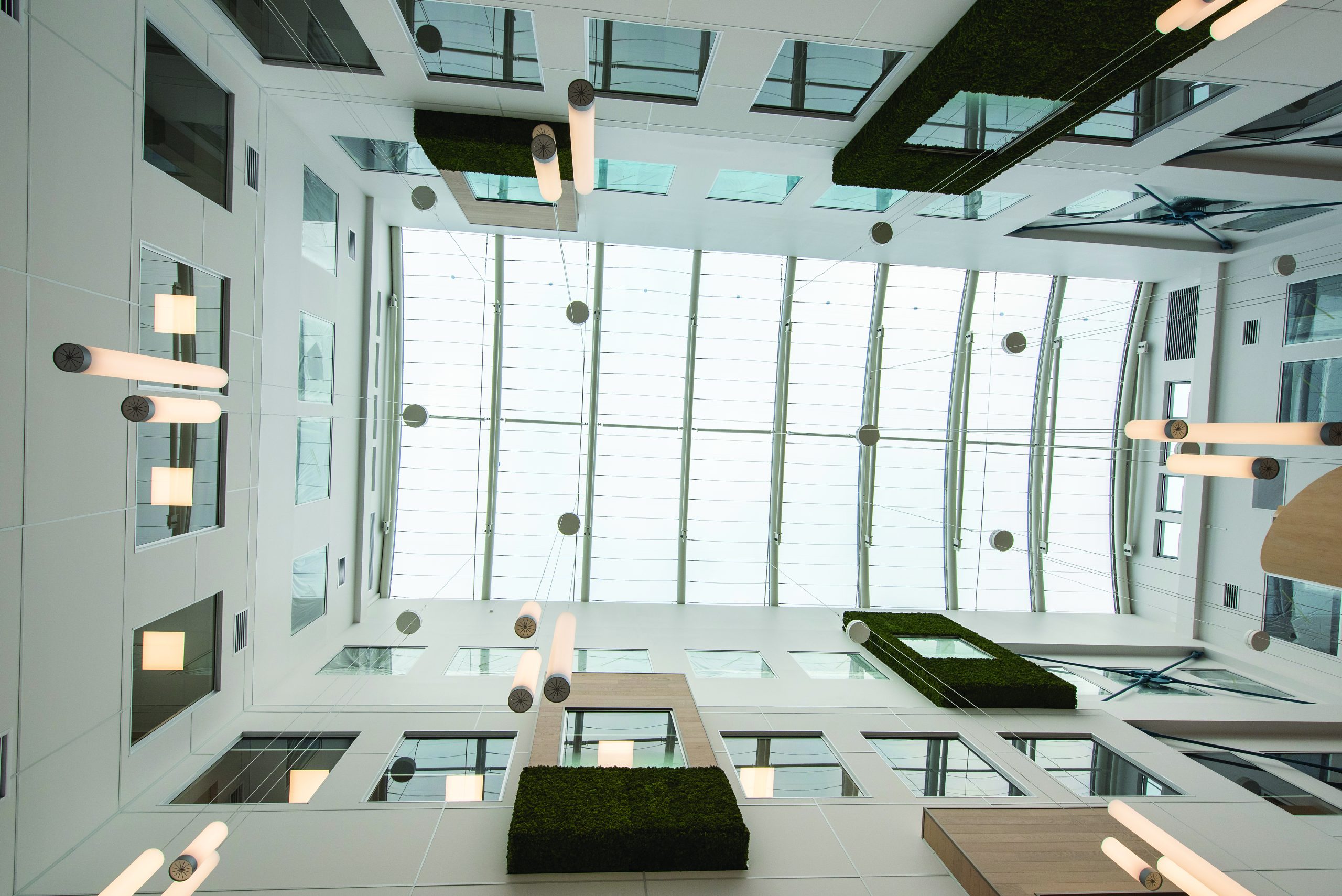
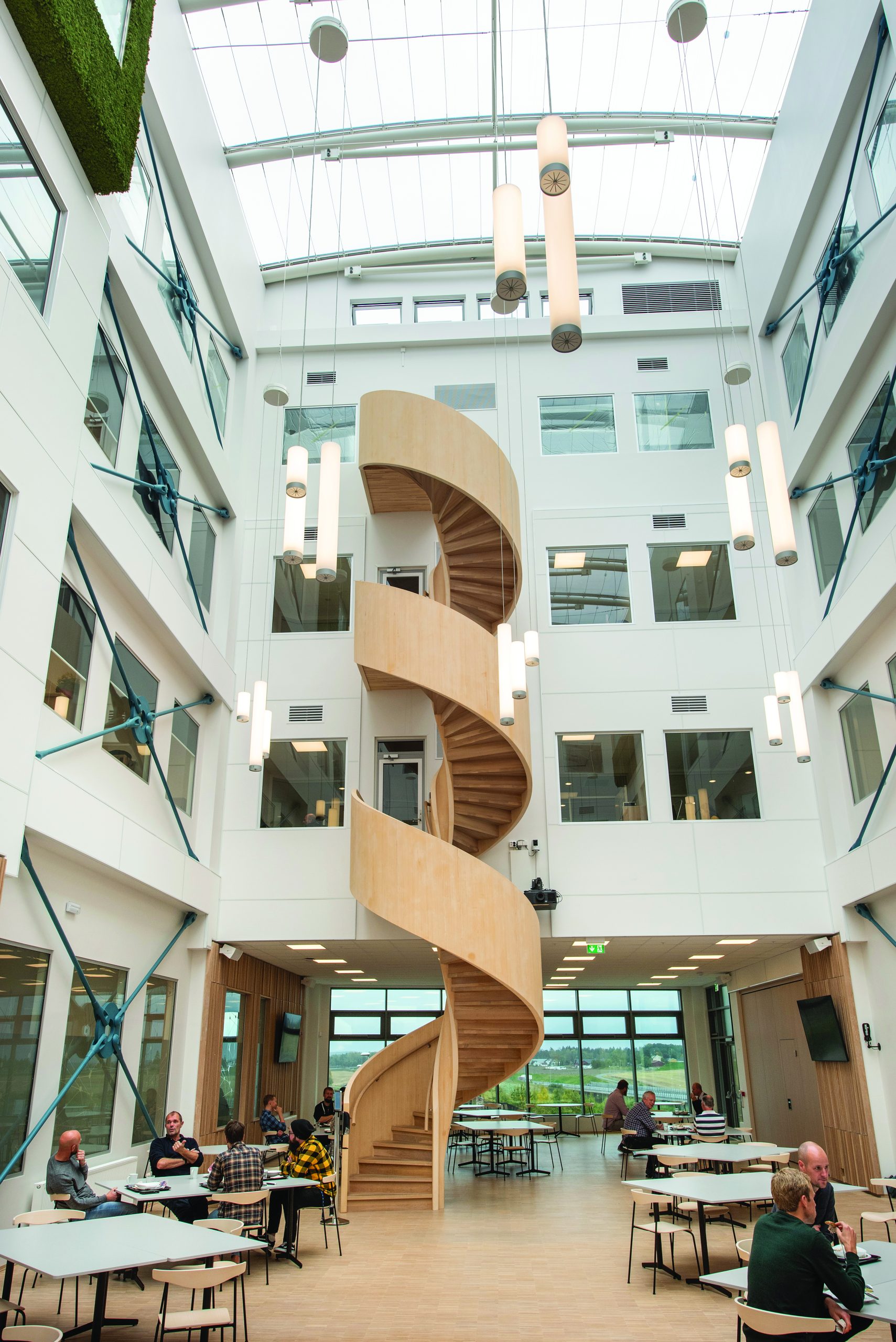
The large atrium at Jotron is covered by a five-layer Texlon® ETFE cushion roof. While the ETFE cushions provide transparency and thermal performance, aluminum extrusions create the structural framework that supports the system. Their low weight reduces loads on the primary steel structure while maintaining dimensional stability and corrosion resistance.
The project included the design, engineering, supply, and installation of both the ETFE roof and its supporting steel structure. Eight barrel-shaped ETFE cushions integrate naturally into the building’s architectural concept.
Aluminum Profiles for Structural Roof Systems
Architectural aluminum profiles are widely used because they combine strength with low weight. Compared with heavier construction materials, they simplify installation and reduce structural demands.
Extruded Aluminum Components in Building Design
Extruded aluminum sections are commonly found in atriums, skylights, façades, and glazed roofs where durability and precision are essential.
Why Are Aluminum Extrusions Used in Sustainable Buildings?
The Jotron headquarters was designed by Profoyn, while Format Eiendom managed and owns the project. From the beginning, the goal was to create a building with a clear environmental profile.
Because aluminum extrusions are lightweight, the supporting steel structure could be reduced. Combined with the long service life and low maintenance requirements of the Texlon® ETFE system, this contributes to lower material consumption throughout the building lifecycle.
For more information about ETFE materials, visit the <a href=”https://www.vector-foiltec.com”>Texlon® ETFE systems</a> page. General information about aluminum design can also be found through the <a href=”https://www.aluminum.org”>Aluminum Association</a> and the <a href=”https://eaa.net”>European Aluminium Association</a>.
Aluminum Framing for Large Atriums
Large-span atriums benefit from lightweight framing systems because they allow wider open spaces while maximizing daylight.
Structural Aluminum vs. Conventional Materials
Aluminum offers excellent corrosion resistance, a favorable strength-to-weight ratio, and requires little maintenance, making it suitable for long-term architectural applications.
How Does the Jotron Project Demonstrate Aluminum Extrusions?
The headquarters combines office space, production facilities, warehouse functions, and additional rental units within one building. The ETFE roof supported by aluminum extrusions allows daylight to enter the central atrium while helping reduce structural weight.
Aluminum Extrusions for Commercial Buildings
Commercial buildings frequently use extruded aluminum systems for roofing, glazing, façades, and curtain walls because they combine durability with design flexibility.
Can Aluminum Extrusions Be Used for ETFE Roofs?
Yes. Aluminum extrusions are widely used as the supporting framework for ETFE cushion roofs due to their low weight, corrosion resistance, dimensional accuracy, and long service life.
Why Are Aluminum Extrusions Preferred in Large Roof Structures?
Their high strength-to-weight ratio helps reduce dead loads while maintaining structural performance over large spans.