


ETFE vs. Glass: Which Is Better for Transparent Architecture?
When comparing ETFE vs. glass, the answer depends on the building’s purpose, structural requirements, and long-term performance goals. For large-span roofs, atriums, and renovation projects, ETFE often provides significant advantages due to its low weight, high light transmission, and reduced structural loads. Glass remains a strong choice where rigidity, acoustic insulation, or a traditional appearance is the priority.
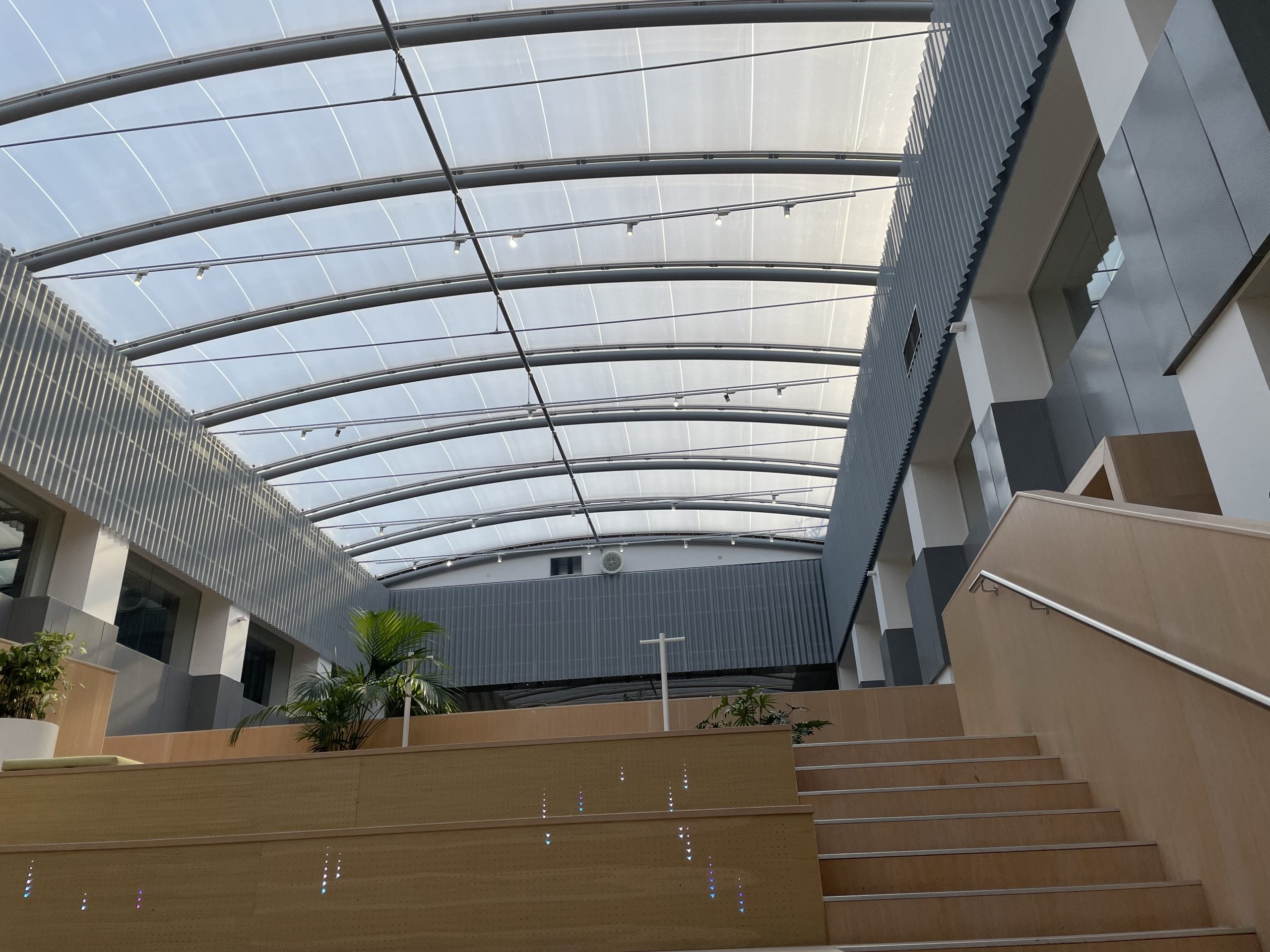
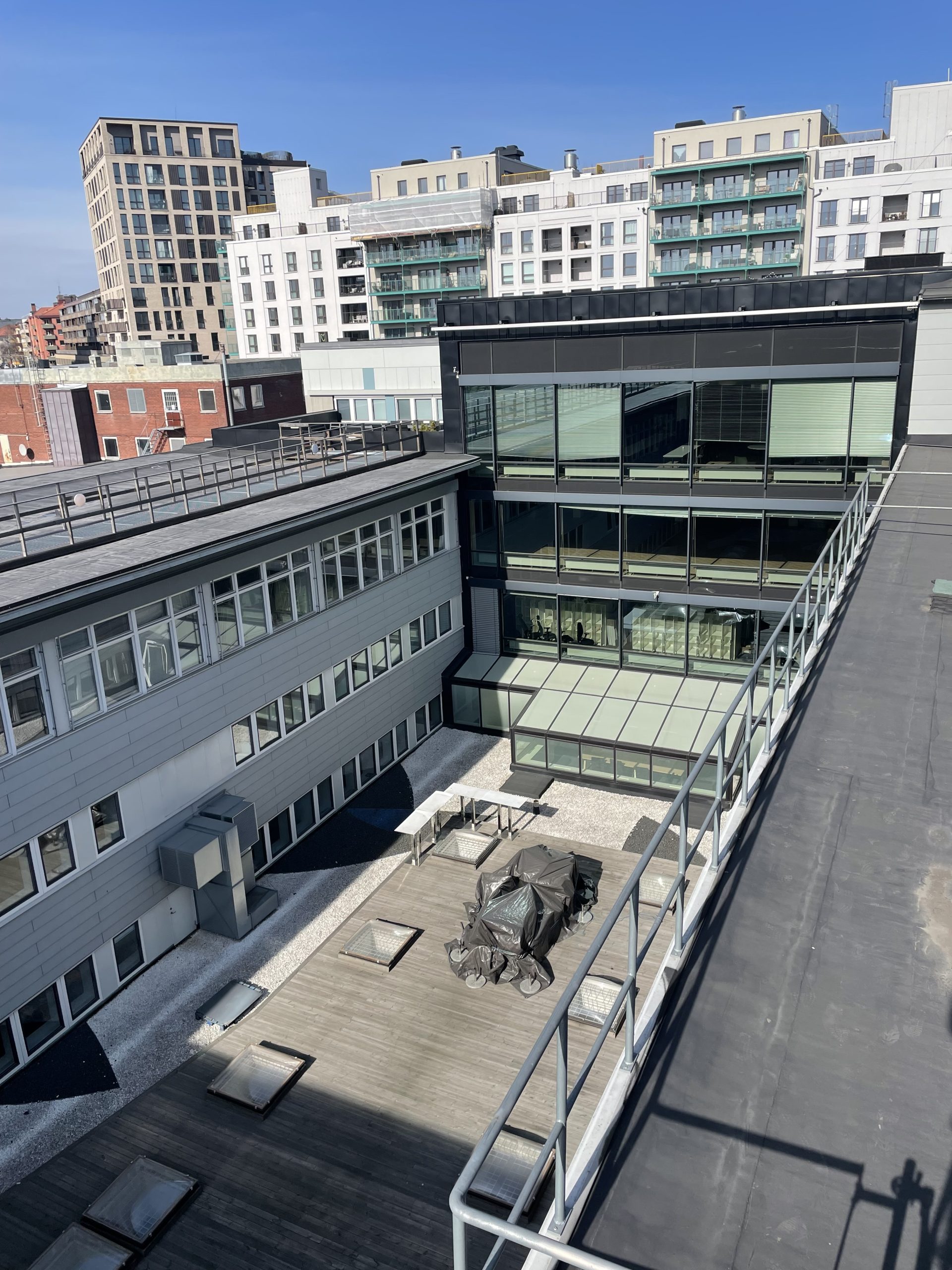
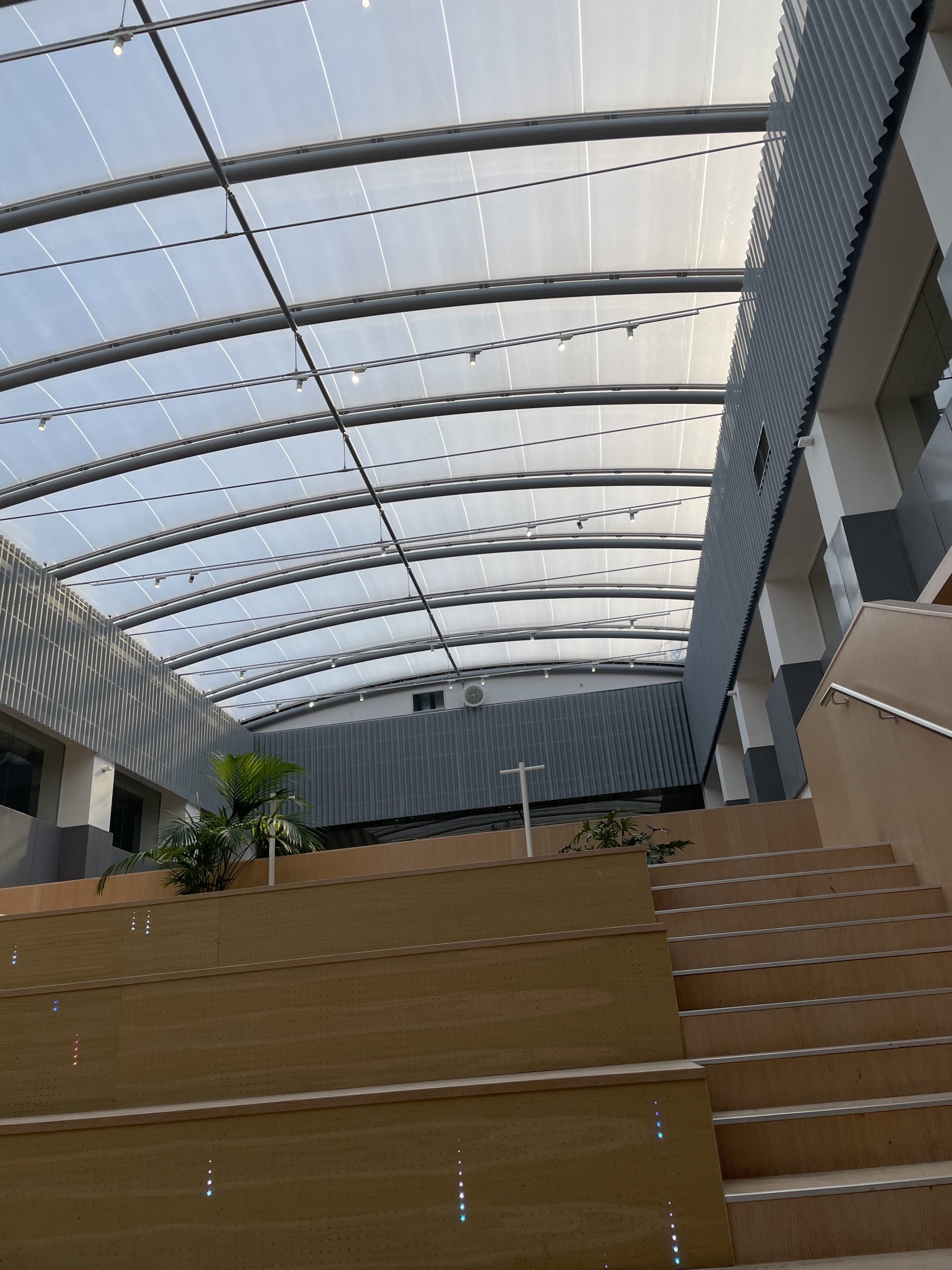
The Sliparen 2 project demonstrates how innovative architecture combines environmental responsibility with practical design. Using Vector Foiltec’s Texlon® ETFE system, the renovation transformed an open courtyard into a bright, enclosed space for events, meetings, and everyday use while minimizing additional structural weight.
ETFE vs. Glass: What Is Better for Renovation Projects?
Renovation projects frequently have structural limitations. A lightweight roofing system reduces the need for reinforcing existing buildings, making ETFE an attractive alternative to conventional glazing.
Why Choose ETFE Instead of Glass?
Texlon® ETFE weighs only a fraction of conventional glass systems, allowing architects to design large transparent roofs with less supporting steel. This lowers transport requirements, simplifies installation, and reduces the embodied carbon of the overall structure.
The project also benefits from Vector Foiltec being the only ETFE supplier with a complete Environmental Product Declaration (EPD), providing verified environmental data. Learn more about EPD standards from the International EPD System (https://www.environdec.com).
Lightweight Roofing for Existing Buildings
The lightweight supporting steel structure had minimal impact on the existing building while creating a spacious atrium with improved daylight and comfortable indoor conditions. The enclosed terrace now serves as a year-round venue for lectures, meetings, and public events, connected by an elevated footbridge between office spaces.
ETFE vs. Glass: Which Material Performs Better?
Performance is determined by more than transparency alone.
Thermal Performance and Solar Control
For Sliparen 2, Vector Foiltec engineered a four-layer printed Texlon® ETFE cushion to achieve the required U-values and g-values. The silver dot matrix print is applied only to the outer layer, maintaining excellent visibility while controlling solar heat gain.
For further guidance on building envelope performance, see ASHRAE (https://www.ashrae.org).
Durability and Maintenance
ETFE is resistant to UV radiation, corrosion, and weathering. Its non-stick surface allows rainwater to remove most dirt naturally, reducing maintenance compared with many traditional roofing materials.
ETFE vs. Glass: Sustainability Benefits
Lower material weight means fewer transport emissions and smaller supporting structures. These factors contribute to reducing the total carbon footprint of a construction project while maintaining excellent daylight transmission.
Environmental Certifications
Vector Foiltec’s Texlon® ETFE system includes a verified Environmental Product Declaration, allowing designers to make informed material comparisons during sustainability assessments.
ETFE vs. Glass: Is ETFE the Right Choice?
ETFE is often selected for atriums, stadiums, canopies, botanical gardens, airports, and renovation projects where minimizing structural loads is essential. Glass remains suitable where higher acoustic insulation, impact resistance, or a conventional façade appearance is required.
For many transparent roof applications, ETFE offers an effective balance between weight, daylight, durability, and environmental performance.