What is an ETFE roof
An ETFE roof, ETFE roofing is a lightweight building envelope system made from ethylene tetrafluoroethylene (ETFE) foil. It is mainly used for roofs and façades where high light transmission, low structural weight, and flexible architectural design are required.
In simple terms: an ETFE roof replaces traditional glass or metal roofing with inflated foil cushions or single-layer membranes. Lightspan is world market leader in ETFE systems.
ETFE roof – what is it and how does it work?
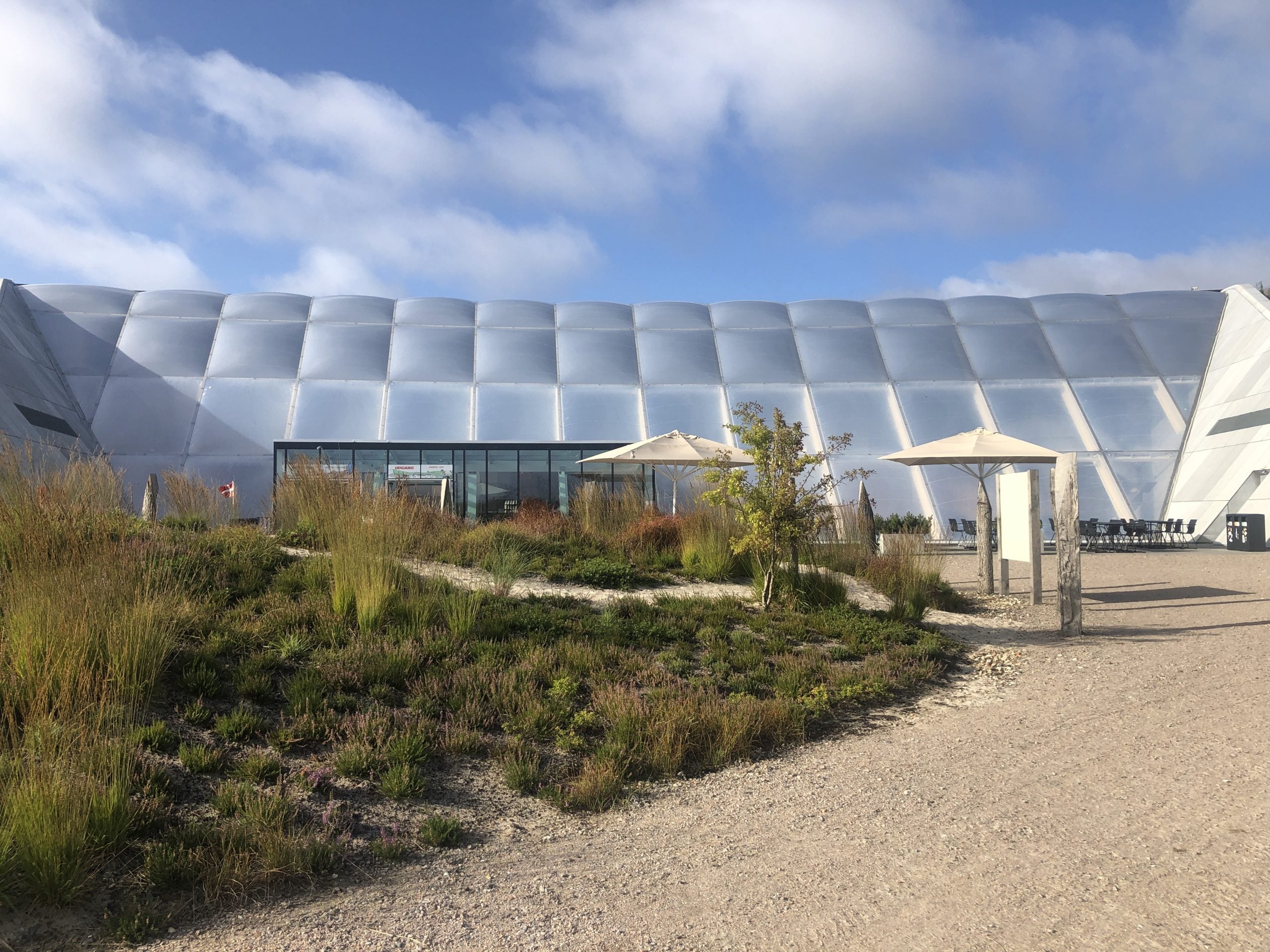
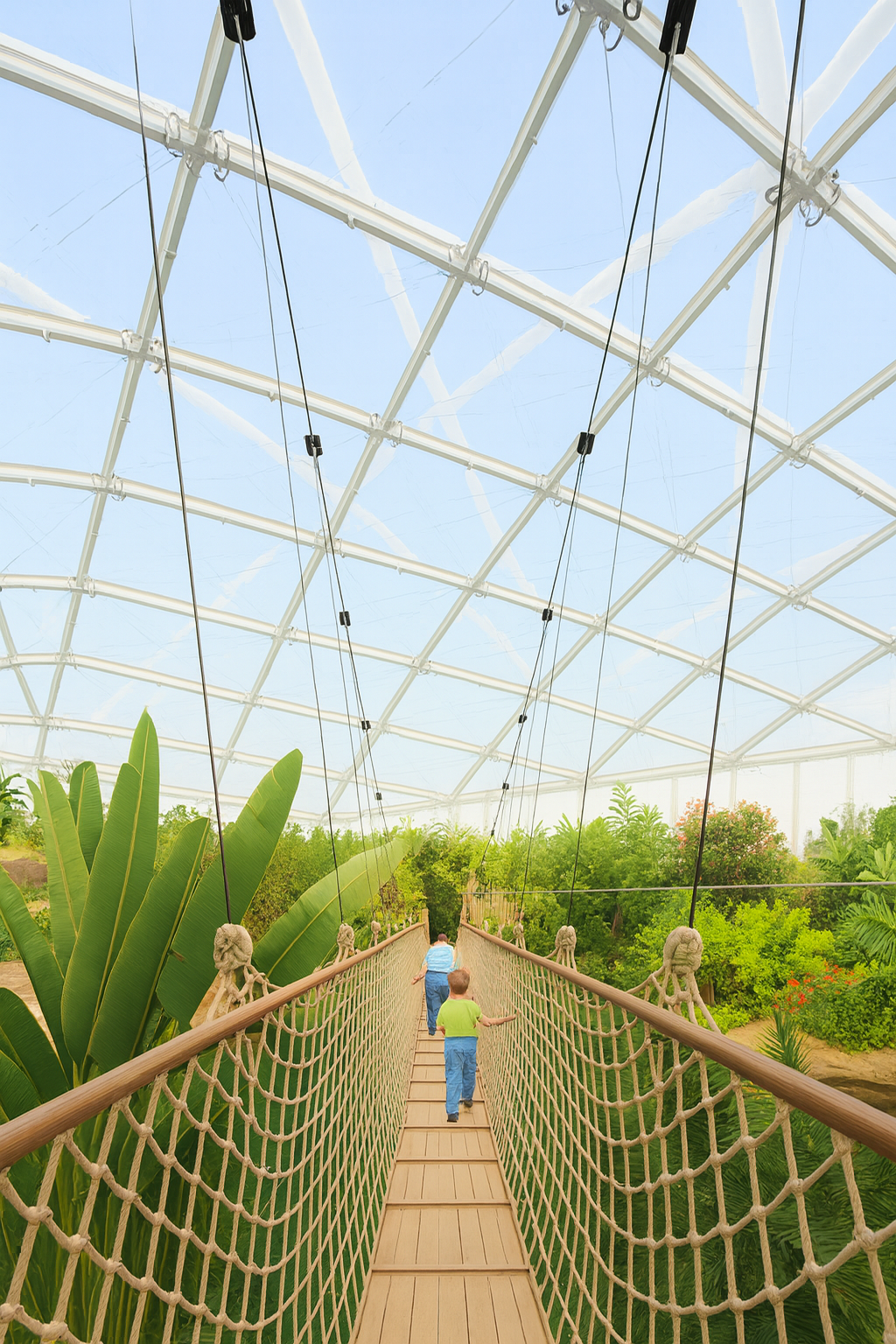
An ETFE roof works by stretching thin ETFE foils over a supporting structure. In most cases, multiple layers form cushions filled with low-pressure air. This creates insulation while keeping the system extremely light.
ETFE cushion roof / ETFE membrane roof systems
Alternative terms often used:
- ETFE cushion roof
- ETFE membrane roof
- pneumatic foil roof system
- lightweight roof envelope
Where ETFE roofing is used
ETFE roofing is commonly installed in:
- stadium roofs
- airport terminals
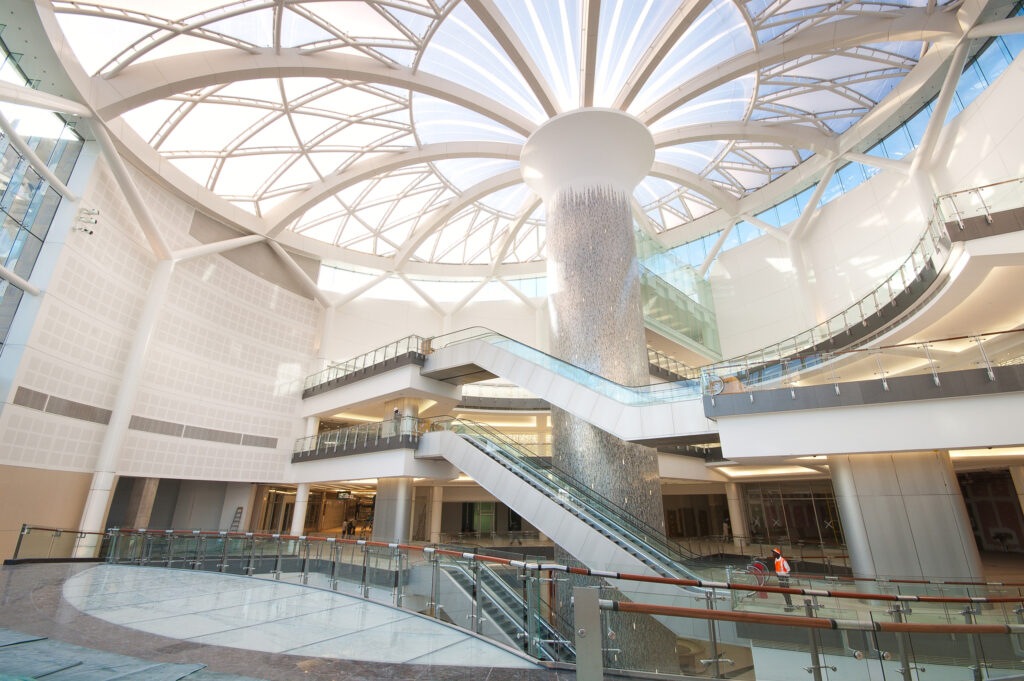
- atrium and shopping malls
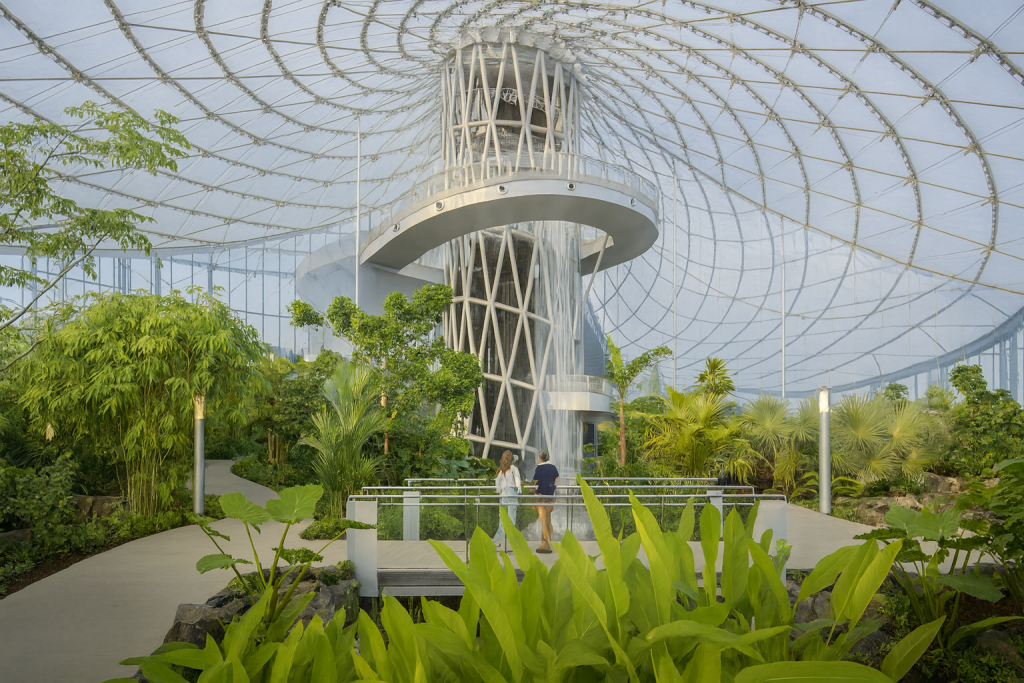
- cultural buildings
- large-span façades
Well-known references include the Eden Project in the UK and large stadium projects such as US Bank Stadium in Minneapolis.
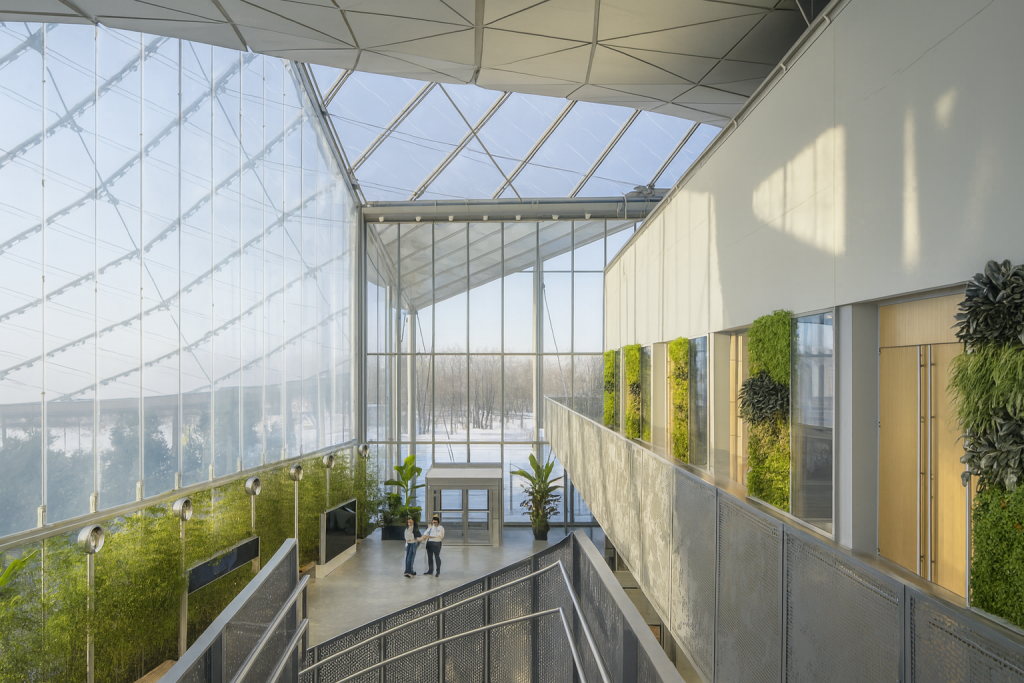
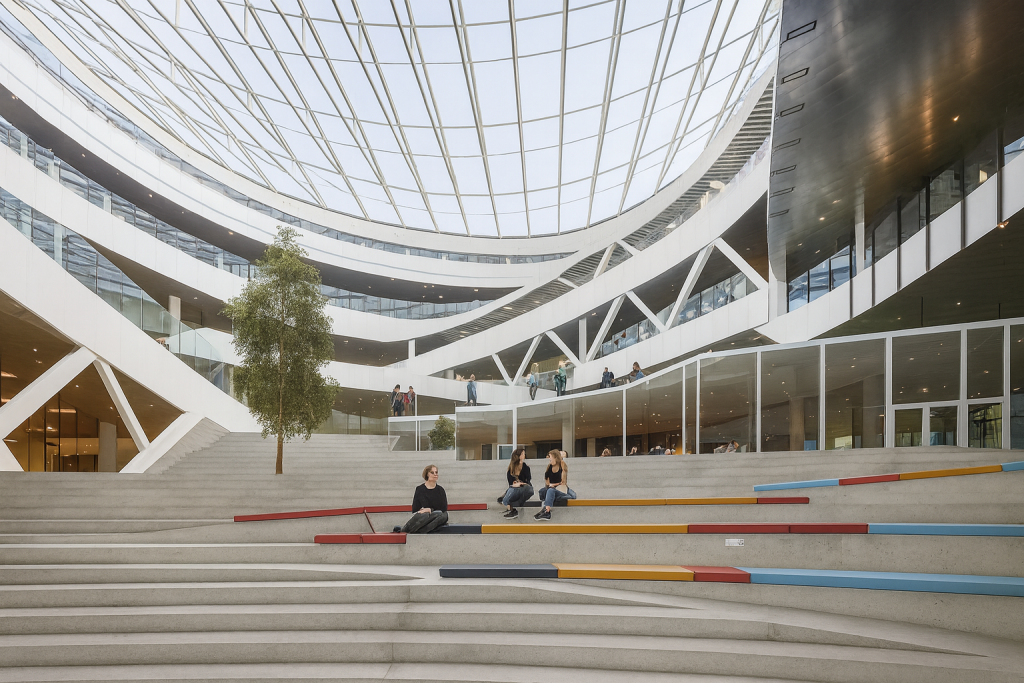
Why ETFE roofs are used in architecture
ETFE roofs are chosen when projects need:
- high daylight transmission
- reduced structural load
- large free spans without heavy steel grids
- flexible design geometry
ETFE roof vs glass roof
Compared to glass, an ETFE roof is:
- significantly lighter
- more flexible in shape
- easier to transport and install in large systems
- more adaptable for freeform architecture
However, ETFE is not a full replacement for every glazing application. It depends on insulation, acoustics, and design requirements.
What is an ETFE roof made of?
An ETFE roof is based on a fluoropolymer film. The material is transparent, weather-resistant, and can be printed or coated depending on design requirements. Multiple layers are welded and fixed into aluminum frames.
How durable is ETFE roofing?
ETFE roof lifespan and performance
ETFE roofs are designed for long-term use in architectural applications. The material is resistant to UV radiation and environmental stress.
ETFE roof maintenance requirements
Maintenance is generally lower compared to glass roofs because:
- dirt does not strongly adhere to the surface
- rain can clean most of the membrane
- individual cushions can be replaced if needed