
ETFE Cushion Panels at Moldova Mall in Iași
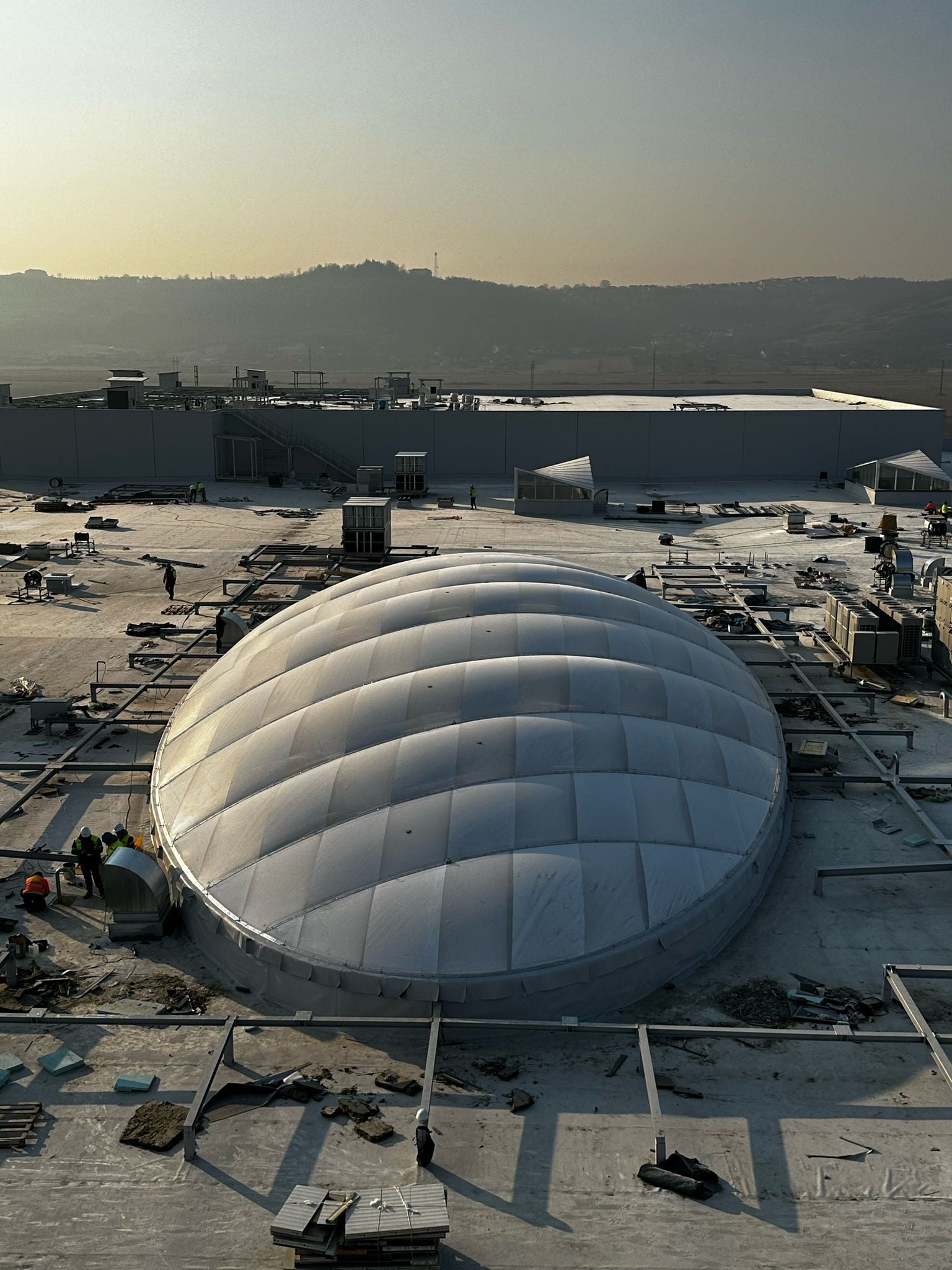
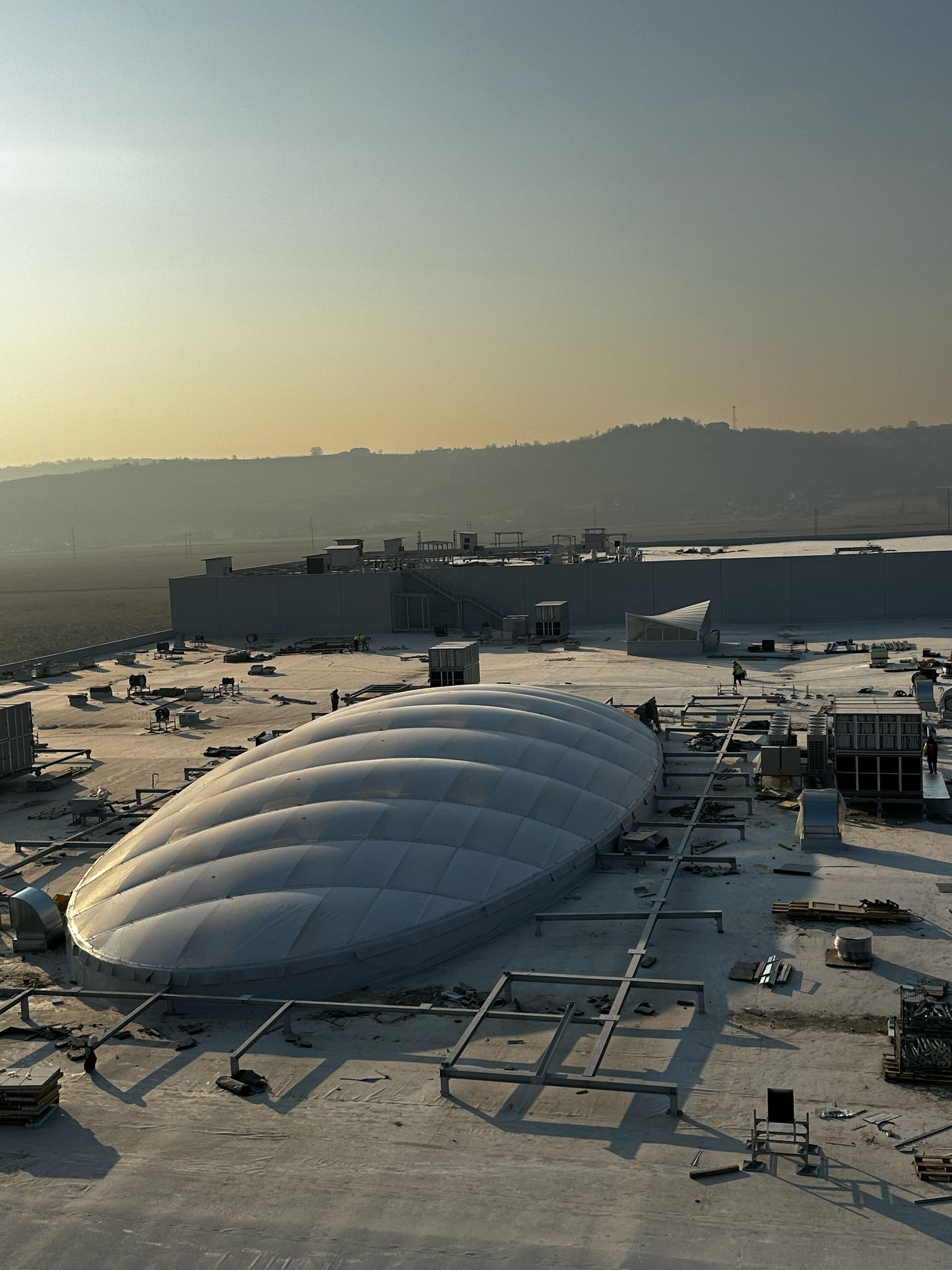
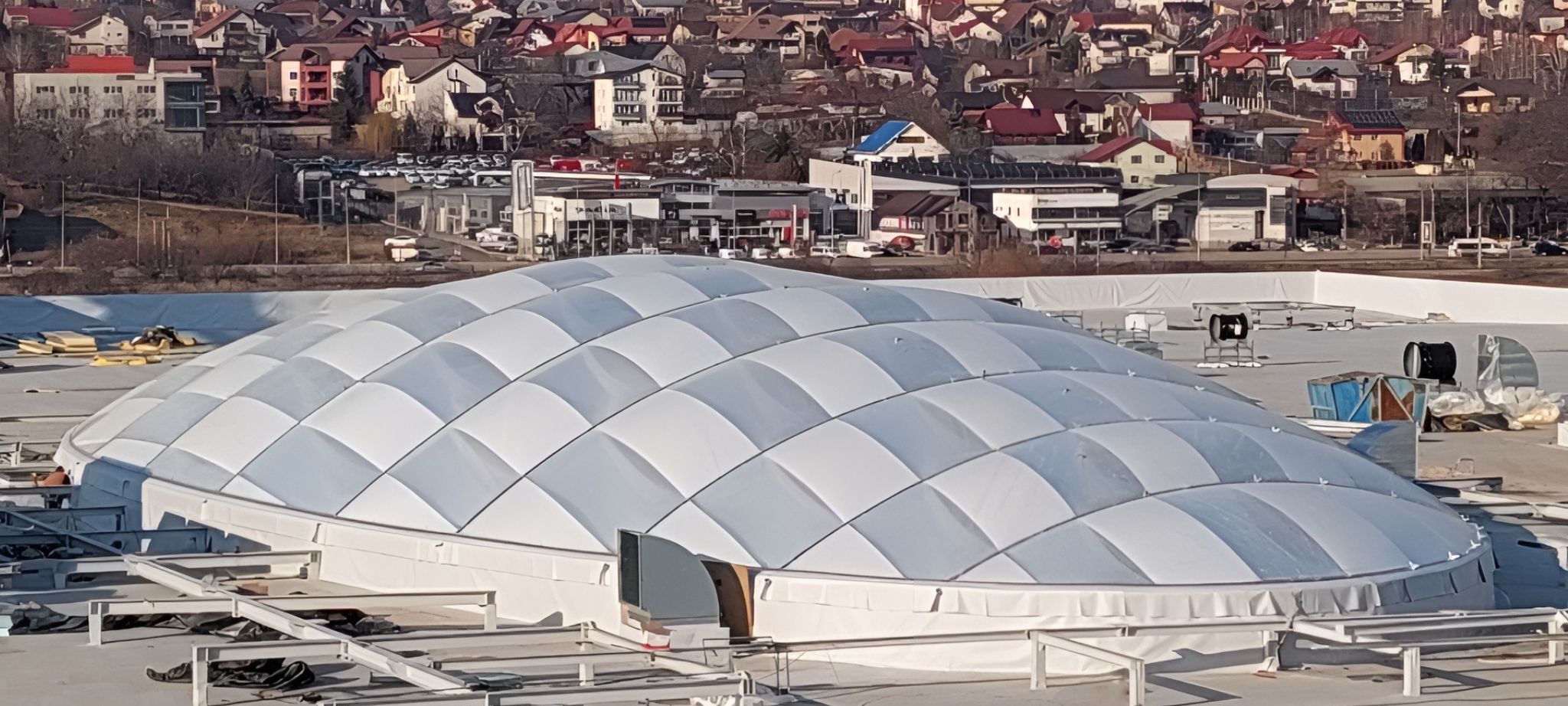
ETFE cushion panels are lightweight, air-filled building systems made from transparent ETFE foil. At Moldova Mall in Iași, Romania, multi-layer ETFE cushions form large skylight areas that bring natural daylight into the shopping environment. The project demonstrates how ETFE cushion panels can combine daylighting, thermal performance and architectural flexibility in a large commercial building.
ETFE Cushion Panels: What Are They Used For?
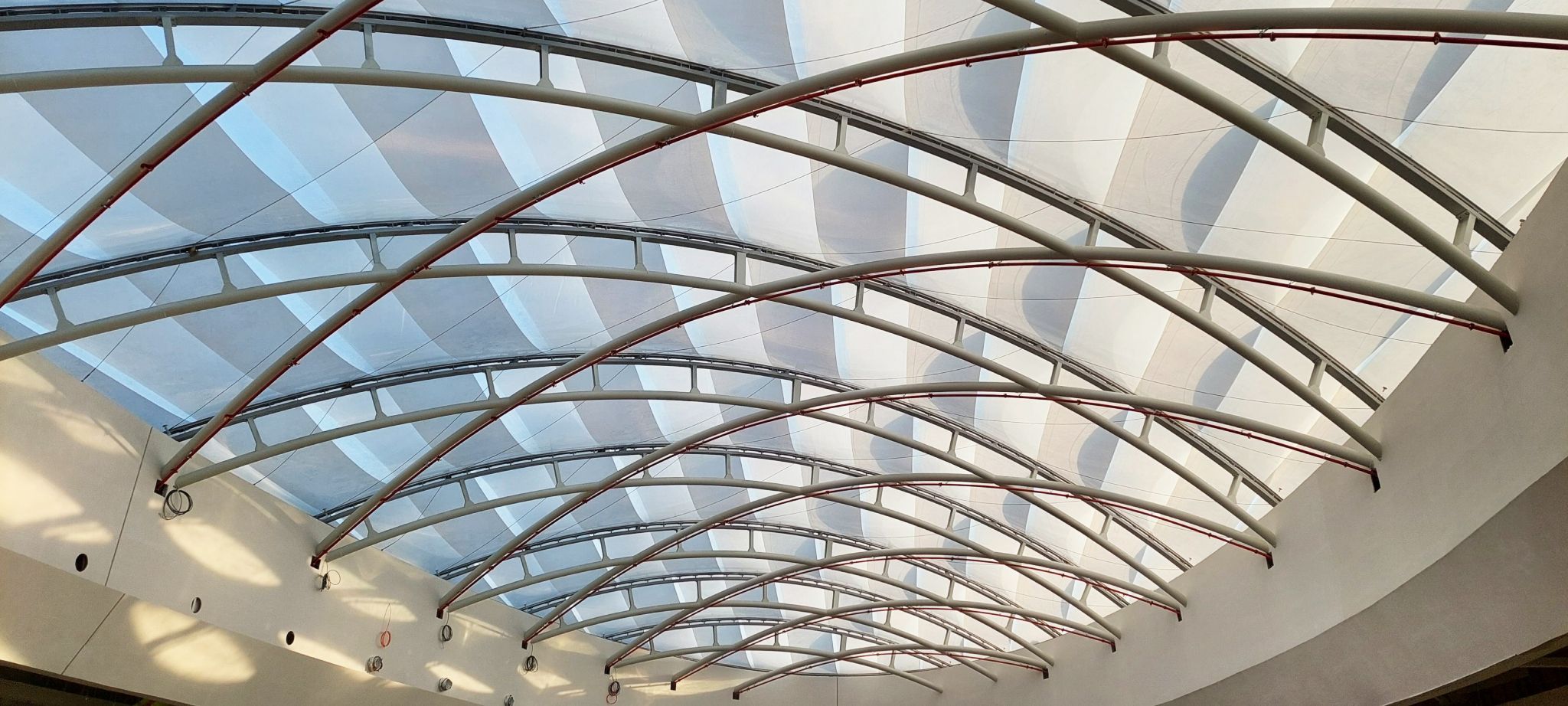
ETFE cushion panels consist of several layers of ETFE foil supported by low-pressure air. Their low weight allows large glazed-looking roof and façade areas without the structural weight associated with conventional glass. The ETFE system at Moldova Mall was developed for the skylights and creates an open, bright interior for visitors. Learn more about ETFE systems.
ETFE Foil Cushions for Daylight and Comfort
The transparent, UV-stable foil allows natural light to penetrate deep into the interior while the cushion configuration can be designed to influence solar transmission and thermal performance. This reduces reliance on artificial lighting during daylight hours and supports a more comfortable shopping environment. The Moldova Mall ETFE skylight covers approximately 800 m².
How do ETFE cushion panels affect building performance?
The air-supported construction combines low structural weight with configurable optical and thermal properties. Depending on the foil layers and printing, ETFE cushions can control solar gain while maintaining high levels of daylight. This makes them suitable for large atriums, roofs and façades where transparency and geometry are important.
ETFE Cushion Panels and Flexible Commercial Architecture
Moldova Mall shows how ETFE can be integrated into commercial architecture rather than used simply as a transparent roof. The free-form capabilities of ETFE allow designers to create large, lightweight surfaces with complex geometries while maintaining a clear relationship between the interior and exterior.
ETFE Roof Cushions for Large Shopping Centres
The system creates a visually open environment while keeping the roof construction comparatively lightweight. ETFE is also resistant to UV exposure and many environmental influences, making it suitable for demanding exterior applications. The project documentation confirms that the ETFE skylight was based on a Vector Foiltec design adapted to Romanian building requirements.
What makes ETFE cushion panels suitable for skylights?
Their combination of low weight, transparency, durability and geometric flexibility makes ETFE suitable for large skylights and atriums. For commercial buildings, this can provide daylight without relying exclusively on conventional glass roof construction.
ETFE Cushion Panels at Moldova Mall
The Moldova Mall architecture brings together retail, leisure and public spaces beneath a bright ETFE-covered environment. Lightspan’s Texlon® ETFE technology demonstrates how membrane architecture can support daylight-focused commercial design while leaving room for complex architectural forms.
ETFE Membrane Architecture for Future Projects
The Moldova Mall project illustrates how ETFE cushion systems can be considered for shopping centres, atriums, transport buildings and other large-span structures where daylight, low structural weight and architectural freedom are key requirements. Explore Lightspan ETFE projects.
Frequently Asked Questions About ETFE Cushion Panels
What are ETFE cushion panels?
ETFE cushion panels are multi-layer ETFE foil systems inflated with air to create lightweight building envelopes, roofs or skylights.
Are ETFE cushion panels transparent?
Yes. ETFE foil can provide high levels of daylight transmission, while printing and layer configurations can modify solar and visual performance.
Where are ETFE cushion panels used?
They are commonly considered for large roofs, skylights, atriums, façades and other structures requiring lightweight transparent enclosure systems.